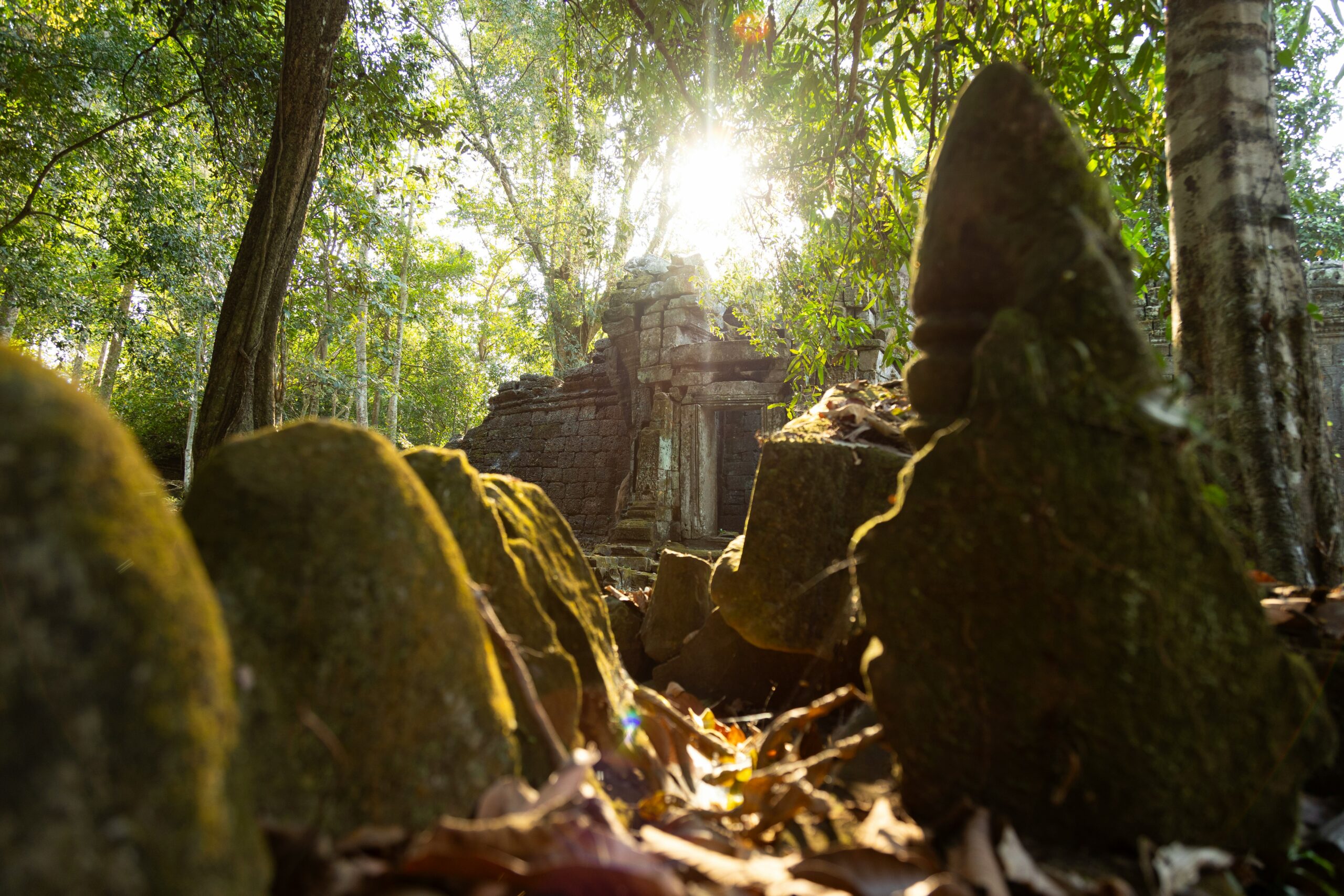
Cambodia, a land steeped in the grandeur of its past, continues to unveil remarkable secrets from beneath its fertile earth. For centuries, the awe-inspiring Angkorian temples have stood as silent testaments to the ingenuity and spiritual devotion of the Khmer civilization. Yet, beyond the iconic spires of Angkor Wat and the enigmatic faces of Bayon, a vibrant tapestry of archaeological discoveries is steadily being woven, offering profound insights into Cambodia’s rich and complex history. These unearthings, ranging from sprawling urban centers to intricate religious artifacts, are not merely academic pursuits; they are a vital act of reclaiming a lost heritage, rebuilding national identity, and fostering a deeper understanding of humanity’s shared journey.
The Dawn of Khmer Civilization: From Prehistoric Roots to Early Kingdoms
The story of Cambodia’s archaeological prowess begins long before the rise of Angkor. While the grandeur of the 12th century often dominates public imagination, scholars are increasingly focusing on the earlier periods, pushing back the timeline of complex societal organization and sophisticated artistic expression. These foundational eras are crucial for understanding the trajectory of Khmer civilization and the influences that shaped its eventual golden age.
Prehistoric Settlements and Early Agriculture
The earliest traces of human presence in Cambodia date back thousands of years. Archaeological excavations have revealed evidence of Neolithic settlements, characterized by polished stone tools, pottery fragments, and burial sites. These findings suggest a gradual transition from hunter-gatherer lifestyles to settled agricultural communities.
The Hoabinhian Culture and its Cambodian Manifestations
While the Hoabinhian culture is primarily associated with Vietnam and Laos, evidence suggests its influence and presence extended into Cambodia. Discoveries of distinctive pebble tools and shell middens provide clues about the diet and subsistence strategies of these early inhabitants. These sites, often located in cave systems or along riverbanks, offer a glimpse into the resilience and adaptability of prehistoric populations in Southeast Asia.
The Emergence of Iron Age Societies
The transition to the Iron Age marked a significant leap in technological advancement and societal complexity. Archaeological evidence, including iron smelting sites and characteristic iron tools, indicates the development of more sophisticated metallurgy. This period also saw the emergence of early agricultural practices, likely focused on rice cultivation, laying the groundwork for larger, more settled communities.
The Funan and Chenla Kingdoms: Seeds of Angkor
The kingdoms of Funan (c. 1st to 6th centuries CE) and Chenla (c. 6th to 8th centuries CE) are considered precursors to the Angkorian empire. While textual records from these periods are scarce, archaeological discoveries have been instrumental in piecing together their history. These early states demonstrate the burgeoning political and cultural development that would eventually lead to the magnificence of Angkor.
Funan: A Maritime Trade Powerhouse
Archaeological findings in southern Cambodia, particularly along the Mekong River delta, point to Funan as a significant maritime trading power. Excavations have uncovered evidence of a complex society with organized administration, advanced hydraulics, and extensive trade networks that reached as far as India and China. Artifacts such as Roman coins, Indian beads, and Chinese ceramics highlight Funan’s role as a crucial link in ancient global trade.
Chenla: The Transition to Inland Kingdoms
Following the decline of Funan, Chenla emerged as a dominant force. Archaeological sites associated with Chenla, often found in central and western Cambodia, provide evidence of a more inland-focused kingdom. The discovery of early stone inscriptions, often in Sanskrit or Old Khmer, offers invaluable linguistic and historical data, detailing royal lineages, religious practices, and administrative structures.
Recent archaeological discoveries in Cambodia have shed light on the ancient Khmer civilization, revealing intricate temple structures and artifacts that date back centuries. These findings not only enhance our understanding of the region’s history but also draw parallels to other significant archaeological sites around the world. For instance, an article discussing Mexico’s growing role in electric vehicle manufacturing highlights the importance of preserving historical sites while advancing modern technology. You can read more about this intriguing intersection of history and innovation in the article here: Mexico’s Growing Role in Electric Vehicle Manufacturing.
The Zenith of Angkor: Excavating a Lost Empire
The Angkorian period, spanning roughly from the 9th to the 15th centuries, represents the pinnacle of Khmer civilization and the most extensively studied era in Cambodian archaeology. The sheer scale and artistry of Angkorian monuments are breathtaking, but beyond these iconic structures lie a wealth of discoveries that illuminate the daily lives, beliefs, and societal organization of this formidable empire.
Unveiling Urban Planning and Infrastructure
Angkor was not just a collection of temples; it was a meticulously planned metropolis. Archaeological research has revealed the sophisticated urban planning and hydraulic engineering that sustained this vast city.
The Barays: Engineering Marvels for Water Management
The colossal barays, vast reservoirs like the West Baray and East Baray, are perhaps the most striking examples of Angkorian engineering. Archaeological surveys and remote sensing have mapped their intricate network of canals, channels, and sluice gates, revealing a sophisticated system designed to manage water for irrigation, domestic use, and even for ritualistic purposes. These barays were the lifeblood of Angkor, enabling intensive agriculture to support a massive population.
The Angkorian Road Network: Connecting the Empire
Recent archaeological studies, aided by LiDAR technology, have revealed an extensive network of ancient roads radiating from Angkor Wat. These roads, built with compacted earth and sometimes reinforced with stone, facilitated trade, communication, and military movement across the vast Angkorian empire. Their discovery has significantly altered our understanding of the scale and interconnectedness of Angkorian society.
Royal Palaces and Administrative Centers
Beyond the religious structures, archaeological excavations have also focused on uncovering the secular heart of Angkor, including royal residences and administrative buildings. These sites, often less well-preserved due to their organic materials, nonetheless offer crucial insights into the governance and daily routines of the Khmer elite.
The Royal Palace Complex at Angkor Thom
While much of the royal palace has succumbed to the ravages of time and conflict, archaeological work within the city of Angkor Thom has uncovered foundations and fragments of buildings that were once part of this grand complex. These discoveries help reconstruct the layout and architectural style of the secular seat of power.
Evidence of Daily Life: Pottery, Tools, and Household Artifacts
Excavations in residential areas and marketplaces have unearthed a wealth of artifacts that shed light on the everyday lives of Angkor’s inhabitants. Pottery shards, agricultural tools, domestic implements, and personal adornments provide tangible connections to the people who built and lived in this magnificent civilization.
Rediscovering Religious Practices and Artistic Expressions
Religion was an integral part of Angkorian life, and the archaeological record is rich with evidence of its profound influence on art, architecture, and societal structure. The unearthing of statues, inscriptions, and temple complexes continues to deepen our understanding of Khmer spirituality.
Buddhist and Hindu Iconography: A Pantheon of Deities
Angkorian art is characterized by its rich and complex iconography, reflecting a syncretic blend of Hinduism and Buddhism. Archaeological discoveries of statues, reliefs, and sculptures provide a visual narrative of the deities worshipped, their attributes, and the mythology associated with them.
The Shiva Lingas and Vishnu Statues
The prevalence of Shiva lingas and Vishnu statuary in early Angkorian sites points to the strong influence of Hinduism during these periods. Excavations of temples dedicated to these deities, such as Bakong and Preah Ko, have yielded numerous examples of intricate stone carving and symbolic representation.
The Rise of Mahayana Buddhism
As the Angkorian empire progressed, Mahayana Buddhism gained prominence. The discovery of Buddha images and Bodhisattva figures, often characterized by serene expressions and intricate detailing, in temples like Banteay Kdei and Ta Prohm, reflects this significant shift in religious devotion.
Inscriptions as Historical Archives
Thousands of stone inscriptions, etched in Sanskrit and Old Khmer, have been discovered throughout Cambodia, particularly at Angkorian sites. These inscriptions are invaluable primary sources for historians, providing chronological data, royal lineage information, legal decrees, and religious pronouncements.
Deciphering the Khmer Script and Language
The painstaking work of epigraphers in deciphering these ancient scripts has been crucial for unlocking the secrets of Cambodia’s past. Understanding the evolution of the Khmer language and its grammatical structures has provided direct access to the thoughts and administrative practices of the Angkorian elite.
Temple Dedications and Royal Genealogies
Many inscriptions detail the dedication of temples by kings, often accompanied by lengthy genealogies and accounts of their achievements. These texts allow archaeologists to date structures, identify patrons, and reconstruct the political landscape of the empire.
Beyond Angkor: Unearthing Other Significant Sites
While Angkor rightly commands attention, Cambodia is dotted with numerous other archaeological sites that offer unique perspectives on its history. These discoveries extend our understanding of Khmer civilization beyond the imperial heartland.
The Temple of Prasat Preah Vihear: A Mountain Sanctuary
Located atop a dramatic cliff overlooking the Cambodian plains, Prasat Preah Vihear is a magnificent temple complex with a rich and contested history. Its remote location and challenging terrain have made excavation and preservation a complex undertaking, but ongoing work continues to reveal its significance as a major religious and defensive site.
Architectural Styles and Religious Significance
The temple’s architecture, a blend of Hindu and early Buddhist influences, along with its strategic vantage point, suggests its importance as a place of worship and frontier defense. Archaeological investigations have focused on understanding its construction phases and the rituals performed there.
The Dispute and its Archaeological Implications
The long-standing territorial dispute over Preah Vihear has also brought archaeological evidence to the forefront, with both Cambodia and Thailand presenting historical and archaeological findings to support their claims. This highlights how archaeological discoveries can become entangled with national identity and political discourse.
The Iron Age Burial Sites of Samrong Sen and Sre Ampov
Sites like Samrong Sen and Sre Ampov have yielded significant findings related to Cambodia’s Iron Age. Excavations have uncovered burial grounds containing human remains, grave goods, and evidence of early burial rituals, offering insights into the social structure and spiritual beliefs of these ancient communities.
Burial Practices and Social Stratification
The types of grave goods found, ranging from simple pottery to more elaborate bronze ornaments, can indicate variations in social status and wealth among the deceased. Studying these burial practices helps reconstruct the social hierarchy of these early societies.
Evidence of Craftsmanship and Trade
The presence of metal artifacts, such as bronze tools and jewelry, at these sites demonstrates the development of local craftsmanship and likely indicates participation in regional trade networks.
Recent archaeological discoveries in Cambodia have shed light on the ancient Khmer Empire, revealing intricate temple structures and advanced urban planning that highlight the civilization’s sophistication. These findings not only enhance our understanding of Southeast Asian history but also draw parallels to other global trends in cultural development. For those interested in how modern economic shifts can impact historical perspectives, a related article discusses the implications of nearshoring on American jobs, which can be found here. This connection underscores the importance of examining both past and present in our analysis of societal evolution.
The Future of Cambodian Archaeology: Challenges and Opportunities
The pursuit of Cambodia’s ancient treasures is an ongoing endeavor, fraught with unique challenges but brimming with immense potential. As new technologies emerge and international collaborations strengthen, the future promises even more profound revelations about this captivating nation’s past.
Challenges in Preservation and Protection
The legacy of conflict, including the Khmer Rouge regime, has left Cambodia with a damaged cultural heritage. The ongoing threats of looting, environmental degradation, and the pressures of development pose significant challenges to the preservation of archaeological sites and artifacts.
The Scars of Conflict and Ongoing Looting
The systematic destruction of cultural heritage during the Khmer Rouge period and the subsequent years of instability led to widespread looting of archaeological sites. While efforts have been made to recover stolen artifacts, the illicit trade remains a persistent threat, depriving Cambodia of its rightful heritage and hindering scientific study.
Environmental Factors and Climate Change
The tropical climate of Cambodia, characterized by heavy rainfall and humidity, poses a constant threat to the preservation of delicate archaeological materials, especially those found in open-air sites or made from organic matter. The increasing impacts of climate change, such as rising sea levels and more extreme weather events, further exacerbate these preservation challenges.
Embracing New Technologies and Methodologies
The field of archaeology is constantly evolving, and Cambodia is increasingly benefiting from the integration of advanced technologies. These innovations are revolutionizing how sites are discovered, studied, and understood.
The Power of LiDAR in Revealing Hidden Landscapes
Light Detection and Ranging (LiDAR) technology has been a game-changer in Cambodian archaeology. By penetrating dense forest canopy, LiDAR has enabled the mapping of vast, previously unknown urban structures and infrastructure networks at Angkor and beyond, revealing the true scale of Angkorian civilization.
Drones and Satellite Imaging for Site Monitoring
Drones and satellite imagery are becoming invaluable tools for surveying large areas, monitoring the condition of known sites, and identifying potential new discoveries. These technologies offer a cost-effective and efficient way to gather aerial data and track changes over time.
Geophysics and Advanced Dating Techniques
Geophysical survey methods, such as ground-penetrating radar, can reveal subsurface features without invasive excavation, helping archaeologists prioritize areas for digging. Advanced dating techniques, including radiocarbon dating and thermoluminescence dating, provide more precise chronologies for artifacts and sites.
The Importance of Community Engagement and Capacity Building
For the long-term sustainability of archaeological research and heritage management in Cambodia, active engagement with local communities and the development of local expertise are paramount.
Empowering Local Communities as Guardians of Heritage
The protection and preservation of archaeological sites are most effective when local communities are involved and empowered. Educating villagers about the importance of their heritage and providing them with opportunities to participate in conservation efforts fosters a sense of ownership and responsibility.
Training the Next Generation of Cambodian Archaeologists
Investing in the training and education of Cambodian scholars is crucial for ensuring that the stewardship of their own heritage is in local hands. Developing capacity in archaeological surveying, excavation, artifact analysis, conservation, and heritage management is vital for the future.
Cambodia’s archaeological discoveries are far more than dusty relics; they are living threads that connect the present to a glorious past. Each unearthed artifact, each deciphered inscription, and each surveyed landscape enriches our understanding of human ingenuity, resilience, and the enduring power of culture. As Cambodia continues to unearth its ancient treasures, it not only reclaims its own invaluable heritage but also offers the world a deeper appreciation for the shared story of human civilization. The ongoing work is a testament to the belief that within the earth lie not just stones and pottery, but the very foundations of identity, knowledge, and a profound sense of belonging.

The Machine That Kept Angkor Alive
FAQs

What are some recent archaeology discoveries in Cambodia?
Some recent archaeology discoveries in Cambodia include the uncovering of a 1,000-year-old lost city called Mahendraparvata, the discovery of a vast network of ancient cities surrounding the famous temple of Angkor Wat, and the finding of a 900-year-old sandstone statue of a Khmer Empire-era hospital chief.
What significance do these discoveries hold for Cambodia?
These discoveries hold great significance for Cambodia as they shed light on the rich history and cultural heritage of the region. They also contribute to a better understanding of the ancient Khmer civilization and its influence on the development of Southeast Asia.
Who is leading the archaeological efforts in Cambodia?
Archaeological efforts in Cambodia are led by various organizations and institutions, including the Apsara Authority, the government agency responsible for the protection and management of the Angkor Archaeological Park, as well as international research teams and archaeological experts from around the world.
What challenges do archaeologists face in conducting research in Cambodia?
Archaeologists in Cambodia face challenges such as limited funding and resources, as well as the need to balance conservation efforts with the growing tourism industry. Additionally, the presence of landmines and unexploded ordnance from past conflicts poses a significant safety risk for researchers.
How do these discoveries contribute to our understanding of ancient civilizations?
These discoveries contribute to our understanding of ancient civilizations by providing insights into the architectural, technological, and cultural achievements of the Khmer Empire. They also help to piece together the complex social and political dynamics of the region during ancient times.