
Throughout history, the annals of warfare have been shrouded in intrigue and enigma, particularly when examining the military practices of ancient civilizations. The strategies, tactics, and technologies employed by these societies often remain elusive, leaving historians and archaeologists to piece together fragments of information from various sources.
These mysteries not only reveal the ingenuity of ancient peoples but also provide insight into the cultural and societal values that shaped their approaches to warfare. The study of ancient military practices is not merely an academic pursuit; it serves as a window into the past, allowing modern society to understand the evolution of conflict and its impact on civilization. As scholars delve into the complexities of ancient warfare, they uncover stories of valor, strategy, and innovation that continue to resonate today.
The exploration of these military mysteries invites a deeper appreciation for the legacies left behind by those who fought in battles long ago, as well as the lessons that can be drawn from their experiences.
Key Takeaways
- Ancient military mysteries hold valuable insights into the tactics and strategies of ancient civilizations.
- The battle tactics of ancient civilizations were diverse and innovative, ranging from phalanx formations to guerrilla warfare.
- Ancient warriors utilized a variety of weapons and armor, including swords, shields, and helmets, to protect themselves in battle.
- Women played significant roles in ancient warfare, serving as leaders, strategists, and even combatants in some cultures.
- Deciphering ancient military hieroglyphics and symbols can provide crucial information about ancient military strategies and tactics.
The Battle Tactics of Ancient Civilizations
Ancient civilizations developed a variety of battle tactics that were often tailored to their unique environments and societal structures. For instance, the Romans were renowned for their disciplined formations and strategic use of terrain. The famous testudo formation, where soldiers would align their shields to form a protective barrier, exemplified their tactical ingenuity.
This formation not only provided defense against projectiles but also allowed for coordinated movement toward enemy lines. The Romans’ ability to adapt their tactics based on the circumstances of each battle contributed significantly to their military success and expansion across Europe. In contrast, the Mongol Empire showcased a different approach to warfare, emphasizing speed and mobility over rigid formations.
Under the leadership of Genghis Khan, Mongol warriors utilized hit-and-run tactics, often employing feigned retreats to lure enemies into traps. Their mastery of horseback riding and archery allowed them to strike swiftly and retreat before the enemy could mount a counterattack. This adaptability and innovative thinking in battle tactics enabled the Mongols to conquer vast territories and establish one of the largest empires in history.
The Weapons and Armor of Ancient Warriors
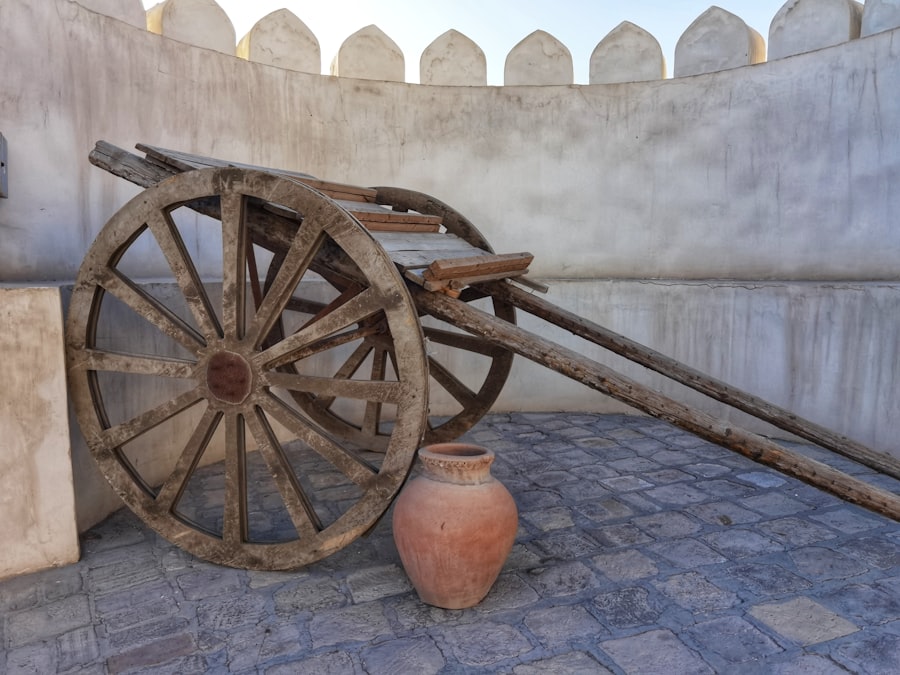
The weapons and armor used by ancient warriors were as diverse as the civilizations that created them. From the bronze swords of the Mycenaeans to the iron weapons of the Celts, each culture developed tools designed for both offense and defense in combat. The Greeks, for example, favored the hoplite phalanx formation, which relied on heavy infantry equipped with large shields (aspis) and long spears (dory).
This combination allowed them to create a formidable wall of defense while simultaneously launching powerful thrusts against their adversaries. Armor also played a crucial role in ancient warfare, with advancements reflecting both technological progress and cultural significance. The Roman legionnaires donned lorica segmentata, a type of segmented armor that provided flexibility and protection.
In contrast, the Assyrians utilized scale armor made from metal plates sewn onto fabric, offering both mobility and defense against enemy weapons. The evolution of armor not only highlights advancements in metallurgy but also underscores the importance placed on protecting soldiers in battle.
The Role of Women in Ancient Warfare
| Aspect | Information |
|---|---|
| Historical Evidence | Accounts of women participating in ancient warfare exist in various historical texts and archaeological findings. |
| Roles | Women in ancient warfare served as warriors, leaders, strategists, and in some cases, as spies and messengers. |
| Cultural Variations | The role of women in warfare varied across different ancient civilizations, with some societies being more accepting of female warriors than others. |
| Challenges | Women in ancient warfare faced challenges such as societal norms, gender discrimination, and limited access to training and resources. |
| Legacy | The contributions of women in ancient warfare have left a lasting impact on historical narratives and continue to inspire discussions about gender roles in warfare. |
While often overlooked in historical narratives, women played significant roles in ancient warfare across various cultures. In some societies, women took on active combat roles, while in others, they served as strategists or supporters of military campaigns. For instance, the Amazons, a legendary group of female warriors from Scythian culture, are often depicted as fierce fighters who defied traditional gender roles.
Their stories have inspired countless tales of bravery and strength, challenging contemporary perceptions of women’s capabilities in warfare. In addition to direct involvement in combat, women frequently contributed to military efforts through logistical support and morale-boosting roles. In ancient Rome, women managed households and farms while men were away at war, ensuring that resources were available for soldiers upon their return.
Furthermore, women often served as symbols of national pride or motivation for soldiers, embodying the values and ideals for which men fought. This multifaceted involvement illustrates that women’s contributions to ancient warfare extended far beyond the battlefield.
Decoding Ancient Military Hieroglyphics and Symbols
The study of ancient military hieroglyphics and symbols offers valuable insights into the strategies and beliefs that shaped warfare in various cultures. In ancient Egypt, for example, hieroglyphs depicted scenes of battle, showcasing not only military prowess but also the divine sanctioning of warfare by gods such as Horus and Set. These symbols served as both propaganda and historical records, reinforcing the legitimacy of rulers who claimed divine favor in their conquests.
Similarly, the use of symbols in ancient Mesopotamia provided insight into military organization and tactics. Cuneiform inscriptions often detailed troop movements and strategies employed during battles. By analyzing these texts, historians can reconstruct significant events and understand how ancient leaders communicated their military objectives to their forces.
The ability to decode these symbols is crucial for piecing together the complex narratives surrounding ancient conflicts.
Uncovering the Strategies of Famous Military Leaders
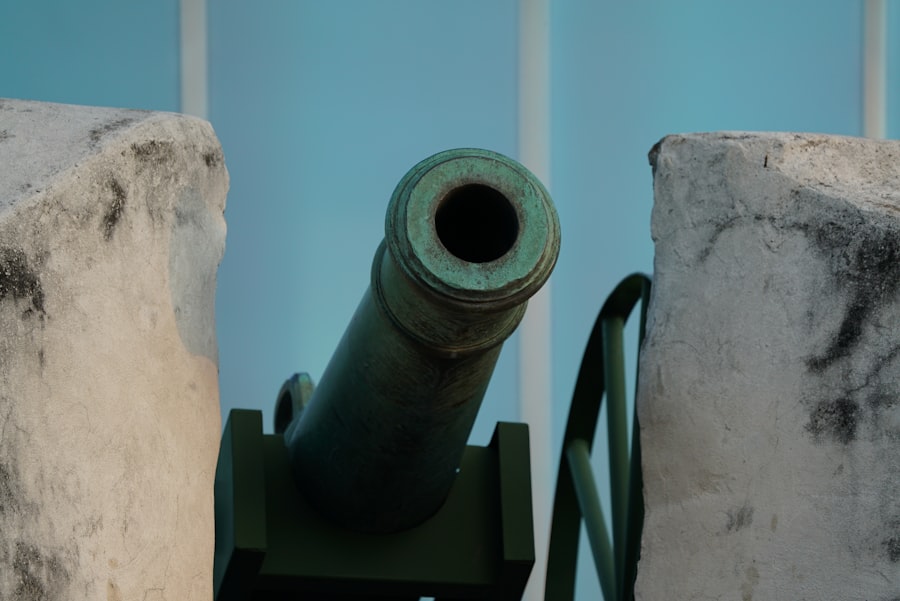
The legacies of famous military leaders such as Alexander the Great, Hannibal Barca, and Sun Tzu continue to captivate historians and strategists alike. Each leader employed unique strategies that not only defined their military campaigns but also influenced future generations. Alexander’s use of combined arms—integrating infantry, cavalry, and siege engines—demonstrated his innovative approach to warfare.
His ability to adapt tactics based on enemy strengths and weaknesses allowed him to achieve remarkable victories against larger forces. Hannibal’s audacious crossing of the Alps during the Second Punic War exemplified his strategic brilliance. By taking an unexpected route to invade Italy, he caught Roman forces off guard and secured several significant victories.
His tactics emphasized deception and psychological warfare, showcasing how understanding an enemy’s mindset can be just as important as superior weaponry or numbers. Sun Tzu’s “The Art of War” remains a foundational text on strategy, emphasizing principles such as flexibility, deception, and the importance of knowing both oneself and one’s enemy.
The Secrets of Ancient Military Engineering
Ancient military engineering played a pivotal role in shaping the outcomes of battles and sieges throughout history. The construction of fortifications, siege engines, and transportation networks demonstrated advanced engineering skills that were crucial for military success. The Romans excelled in building fortified structures such as walls and watchtowers that provided strategic advantages during conflicts.
Their use of concrete allowed for durable constructions that could withstand prolonged sieges. Siege engines like catapults and battering rams revolutionized warfare by enabling armies to breach fortified cities effectively. The Greeks developed torsion-powered siege engines capable of launching projectiles over great distances, while the Assyrians utilized massive battering rams to break down city walls.
These innovations not only showcased engineering prowess but also reflected a deep understanding of physics and mechanics that would influence military tactics for centuries.
The Influence of Religion and Mythology on Ancient Warfare
Religion and mythology profoundly influenced ancient warfare, shaping not only the motivations behind conflicts but also the rituals associated with them. Many civilizations believed that their deities played an active role in determining the outcomes of battles. In ancient Greece, for instance, warriors would often seek favor from gods like Athena or Ares before engaging in combat.
Ritual sacrifices were performed to appease these deities, reflecting a belief that divine intervention could sway the tide of war.
The Aztecs engaged in ritual warfare aimed at capturing prisoners for sacrifice to their gods, intertwining religious devotion with military objectives.
Similarly, Islamic teachings influenced the conduct of war during the early Islamic conquests, emphasizing principles such as justice and mercy even amidst conflict. This interplay between religion and warfare underscores how deeply ingrained beliefs shaped not only individual actions but also broader societal attitudes toward conflict.
Investigating the Mysterious Disappearances of Ancient Armies
Throughout history, there have been numerous accounts of entire armies mysteriously disappearing without a trace. These enigmatic events have sparked intrigue among historians and archaeologists alike as they seek to uncover what may have happened to these lost forces. One notable example is the fate of the Ten Thousand—a Greek mercenary army that became stranded in Persia after a failed campaign against Cyrus the Younger.
Their arduous journey home through hostile territory is chronicled in Xenophon’s “Anabasis,” highlighting both their resilience and the challenges they faced. Another infamous case involves the disappearance of the Roman Ninth Legion in Britain during the second century AD. Historical records indicate that this legion vanished from history after being stationed in northern Britain, leading to speculation about its fate—ranging from annihilation by local tribes to withdrawal from Britain altogether.
Investigating these mysterious disappearances not only sheds light on specific historical events but also raises broader questions about communication failures, logistical challenges, and the unpredictable nature of warfare.
The Archaeological Discoveries Shedding Light on Ancient Battles
Archaeological discoveries have played a crucial role in illuminating ancient battles and military practices that might otherwise remain obscured by time. Excavations at sites such as Thermopylae have revealed artifacts that provide insight into the strategies employed by Greek forces against Persian invaders during one of history’s most famous last stands. Similarly, discoveries at sites like Pompeii have unearthed evidence of Roman military life, including weaponry and fortifications that offer glimpses into their tactical approaches.
The analysis of burial sites has also yielded valuable information about ancient warriors’ lives and deaths in battle. Grave goods found alongside remains can indicate social status or military rank while providing clues about weaponry used during conflicts. These archaeological findings contribute significantly to understanding how ancient societies organized themselves for war and how they commemorated those who fought bravely on their behalf.
The Legacy of Ancient Military Mysteries in Modern Warfare
The mysteries surrounding ancient military practices continue to resonate within modern warfare strategies today. Lessons learned from historical battles inform contemporary military doctrine as strategists analyze past successes and failures to develop effective approaches for current conflicts. The principles established by renowned leaders like Sun Tzu are still studied in military academies worldwide, emphasizing timeless concepts such as adaptability and deception.
Moreover, advancements in technology have transformed warfare since ancient times; however, many fundamental principles remain unchanged—such as understanding terrain advantages or leveraging psychological tactics against adversaries. As modern militaries grapple with complex geopolitical landscapes reminiscent of those faced by ancient civilizations, they draw upon historical insights to navigate contemporary challenges effectively. In conclusion, exploring ancient military mysteries reveals a rich tapestry woven from diverse cultures’ experiences with warfare throughout history.
From battle tactics to weaponry innovations and societal roles within armies—each aspect contributes uniquely to our understanding of conflict’s evolution over time. As scholars continue unraveling these mysteries through research and archaeological discoveries alike—the legacies left behind by those who fought bravely endure within our collective memory while shaping future generations’ approaches toward conflict resolution today.
One intriguing aspect of unexplained ancient military technology is the advanced weaponry that some civilizations seemed to possess, which has puzzled historians and archaeologists alike. For a deeper exploration of this topic, you can read more in the article on ancient military innovations at Real Lore and Order. This article delves into various artifacts and historical accounts that suggest a level of technological sophistication that challenges our understanding of ancient societies.
WATCH THIS! 15 Ancient Weapons That BROKE History (And Were Hidden)
FAQs
What is unexplained ancient military technology?
Unexplained ancient military technology refers to advanced weaponry, defensive structures, or military tactics from ancient civilizations that modern researchers and historians have not been able to fully understand or replicate.
What are some examples of unexplained ancient military technology?
Examples of unexplained ancient military technology include the construction of the Great Wall of China, the design and construction of the Roman aqueducts, the use of Greek fire by the Byzantine Empire, and the advanced metallurgy techniques of the ancient Egyptians.
Why is ancient military technology considered unexplained?
Ancient military technology is considered unexplained because the methods and techniques used to create these advancements are not fully understood by modern researchers. The level of precision and engineering involved in creating these technologies often surpasses the known capabilities of the ancient civilizations.
How did ancient civilizations develop such advanced military technology?
The development of advanced military technology in ancient civilizations can be attributed to a combination of skilled craftsmen, innovative engineering, and a deep understanding of materials and resources available to them. Additionally, the need for defense and warfare often drove civilizations to push the boundaries of technological advancement.
What are some theories about the origins of unexplained ancient military technology?
Some theories about the origins of unexplained ancient military technology include the possibility of lost or forgotten knowledge, the influence of extraterrestrial beings, or the existence of advanced ancient civilizations that have since been lost to history. These theories are often speculative and lack concrete evidence.