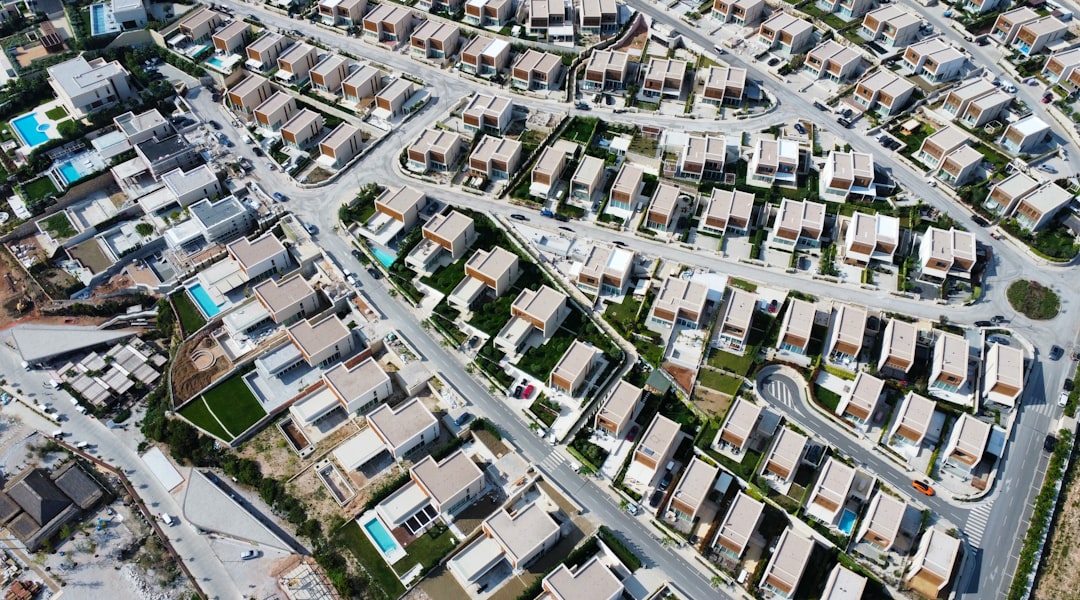
Zoning laws have a rich and complex history that dates back to the early 20th century. The first comprehensive zoning ordinance was enacted in New York City in 1916, primarily as a response to the rapid urbanization and industrialization that characterized the era. This initial framework aimed to separate residential areas from commercial and industrial zones, thereby addressing concerns about public health, safety, and the overall quality of urban life.
The introduction of zoning laws marked a significant shift in how cities were planned and developed, laying the groundwork for modern urban planning practices. As cities continued to grow, zoning laws evolved to reflect changing societal needs and values. The 1920s saw the rise of Euclidean zoning, which categorized land uses into distinct zones—residential, commercial, and industrial—based on the premise that such separation would enhance livability.
However, this approach also led to unintended consequences, such as urban sprawl and increased reliance on automobiles. Over the decades, zoning laws have been challenged and reformed in response to these issues, with many municipalities now exploring mixed-use developments and more flexible zoning regulations to accommodate diverse urban environments.
Key Takeaways
- Zoning laws have a long history dating back to the early 20th century, aimed at regulating land use and development in urban areas.
- Zoning has a significant impact on urban development, influencing the layout and character of neighborhoods and shaping the overall cityscape.
- There is a strong case for increased density in urban areas to accommodate growing populations and promote sustainable development.
- Higher density development can bring benefits such as increased walkability, access to amenities, and reduced environmental impact.
- However, higher density also presents challenges such as increased traffic congestion, limited green space, and potential strain on infrastructure.
- Alternative approaches to zoning, such as form-based codes and mixed-use zoning, offer new ways to achieve higher density while maintaining quality of life.
- Successful high-density development examples include mixed-income housing, transit-oriented development, and vibrant urban centers with a range of amenities.
- Community input plays a crucial role in zoning decisions, ensuring that the needs and concerns of residents are taken into account.
- Addressing equity and inclusion in zoning policies is essential to prevent displacement and ensure that all residents benefit from development.
- Balancing density with quality of life requires careful planning and consideration of factors such as public space, affordable housing, and access to transportation.
- The future of zoning lies in finding a middle ground that promotes higher density while preserving the unique character and livability of urban areas.
The Impact of Zoning on Urban Development
Zoning laws play a pivotal role in shaping urban development by dictating how land can be used and what types of buildings can be constructed in specific areas.
By establishing clear guidelines for land use, zoning can promote orderly growth and prevent conflicts between incompatible uses, such as factories located next to residential homes.
However, the impact of zoning is not universally positive. Critics argue that overly restrictive zoning can stifle innovation and limit housing supply, contributing to affordability crises in many urban areas. For instance, stringent zoning regulations may prevent the construction of multi-family housing units in predominantly single-family neighborhoods, exacerbating housing shortages and pushing prices higher.
As cities grapple with issues like population growth and climate change, the need for more adaptable zoning frameworks has become increasingly apparent.
The Case for Increased Density

In recent years, there has been a growing consensus among urban planners and policymakers that increasing density in urban areas is essential for sustainable development. Higher density can lead to more efficient land use, reducing the need for sprawling developments that consume valuable resources and contribute to environmental degradation. By concentrating people and businesses in urban centers, cities can promote walkability, reduce reliance on cars, and enhance public transportation systems.
Moreover, increased density can foster vibrant communities by creating diverse neighborhoods where people can live, work, and play in close proximity. This approach not only supports local economies but also encourages social interaction and cultural exchange among residents. As cities face challenges such as climate change and housing shortages, embracing higher density becomes a crucial strategy for creating resilient urban environments that can adapt to future demands.
The Benefits of Higher Density
| Benefits | Description |
|---|---|
| 1. Efficient land use | Higher density allows for more efficient use of land, reducing urban sprawl. |
| 2. Access to amenities | Residents in higher density areas often have better access to amenities such as shops, restaurants, and public transportation. |
| 3. Environmental sustainability | Higher density can lead to reduced energy consumption and lower greenhouse gas emissions. |
| 4. Social interaction | Higher density encourages social interaction and community engagement among residents. |
| 5. Economic vitality | Higher density areas can support a wider range of businesses and contribute to economic growth. |
The benefits of higher density extend beyond mere land efficiency; they encompass a range of social, economic, and environmental advantages. One significant benefit is the potential for improved public transportation systems. Denser urban areas can support more frequent and reliable transit services, making it easier for residents to access jobs, education, and essential services without relying on personal vehicles.
This shift not only reduces traffic congestion but also lowers greenhouse gas emissions, contributing to a more sustainable urban ecosystem. Additionally, higher density can lead to increased economic opportunities. By clustering businesses and residents together, cities can create dynamic marketplaces that attract investment and foster entrepreneurship.
This economic vibrancy can result in job creation and improved quality of life for residents. Furthermore, denser neighborhoods often feature a mix of housing types and price points, promoting inclusivity and diversity within communities.
The Challenges of Higher Density
Despite its many advantages, higher density development is not without challenges. One of the primary concerns is the potential strain on infrastructure and public services. As populations grow in denser areas, demands on transportation systems, utilities, schools, and healthcare facilities can increase significantly.
Cities must carefully plan for these needs to ensure that infrastructure keeps pace with growth; otherwise, residents may experience overcrowding or diminished quality of services. Another challenge is community resistance to higher density projects. Many residents fear that increased density will lead to changes in neighborhood character or a decline in property values.
This opposition can manifest in lengthy approval processes or outright rejection of proposed developments. To address these concerns, it is essential for city planners and developers to engage with communities early in the planning process, fostering dialogue and collaboration to find solutions that meet both development goals and community needs.
Alternative Approaches to Zoning

As cities confront the limitations of traditional zoning practices, alternative approaches are gaining traction. Form-based codes represent one such alternative, focusing on the physical form of buildings rather than their specific uses. This approach allows for greater flexibility in land use while still maintaining a cohesive aesthetic within neighborhoods.
By prioritizing design over strict use categories, form-based codes can encourage mixed-use developments that enhance community vibrancy. Another innovative approach is the concept of “zoning for affordability,” which seeks to integrate affordable housing into existing neighborhoods through inclusionary zoning policies. These policies require developers to include a certain percentage of affordable units in new projects or contribute to affordable housing funds.
By promoting mixed-income communities, cities can combat segregation and ensure that all residents have access to quality housing options.
Examples of Successful High-Density Development
Numerous cities around the world have successfully implemented high-density development strategies that serve as models for others to follow. For instance, Vancouver’s approach to urban planning emphasizes high-density mixed-use neighborhoods that prioritize walkability and public transit access. The city’s commitment to sustainable development has resulted in vibrant communities where residents enjoy a high quality of life while minimizing their environmental footprint.
Similarly, Singapore has become renowned for its innovative high-density housing solutions. The city-state’s public housing program has successfully integrated green spaces and community amenities into high-rise developments, creating livable environments that foster social interaction among residents. By prioritizing both density and quality of life, Singapore demonstrates that it is possible to achieve high-density living without sacrificing comfort or community cohesion.
The Role of Community Input in Zoning Decisions
Community input is a critical component of effective zoning decisions. Engaging residents in the planning process helps ensure that developments align with local needs and values while fostering a sense of ownership over neighborhood changes. Public meetings, workshops, and surveys are valuable tools for gathering feedback from community members about their preferences for land use and development.
Moreover, incorporating community input can help mitigate opposition to higher density projects. When residents feel heard and involved in decision-making processes, they are more likely to support developments that may initially seem controversial.
Addressing Equity and Inclusion in Zoning Policies
Equity and inclusion must be central considerations in zoning policies to ensure that all residents benefit from urban development. Historically, zoning laws have often perpetuated segregation by favoring certain land uses or demographics over others. To address these disparities, cities must actively work towards creating inclusive zoning policies that promote affordable housing options for low- and moderate-income families.
One effective strategy is implementing policies that encourage the development of affordable housing in high-opportunity areas—neighborhoods with access to quality schools, jobs, and amenities. By breaking down barriers to entry for marginalized communities, cities can foster greater social equity while enhancing overall community resilience.
Balancing Density with Quality of Life
Achieving a balance between increased density and quality of life is essential for sustainable urban development. While higher density can bring numerous benefits, it is crucial to ensure that residents do not experience negative impacts such as overcrowding or diminished access to green spaces. Thoughtful planning must prioritize amenities like parks, recreational facilities, and community gathering spaces alongside new developments.
Additionally, cities should consider implementing design standards that promote livability within denser neighborhoods. Features such as pedestrian-friendly streetscapes, accessible public transportation options, and mixed-use developments can enhance the overall quality of life for residents while accommodating higher population densities.
The Future of Zoning: Finding a Middle Ground
The future of zoning lies in finding a middle ground between traditional practices and innovative approaches that embrace flexibility and inclusivity. As cities continue to evolve in response to changing demographics and environmental challenges, adaptive zoning frameworks will be essential for fostering sustainable growth. Policymakers must remain open to experimenting with new strategies while learning from successful case studies around the world.
Ultimately, the goal should be to create urban environments that are not only functional but also vibrant and equitable for all residents. By prioritizing community engagement, addressing equity concerns, and balancing density with quality of life considerations, cities can pave the way for a more sustainable future where everyone has access to thriving neighborhoods.
The ongoing debate surrounding zoning reform and density is crucial for addressing housing shortages in urban areas. A related article that delves into these issues can be found on the Real Lore and Order website, which discusses the implications of zoning changes on community development and housing accessibility. For more insights, you can read the article [here](https://www.realloreandorder.com/).
WATCH THIS! Why Australia’s Middle Class Is Disappearing
FAQs
What is zoning reform?
Zoning reform refers to the process of updating and revising local zoning regulations and ordinances to better accommodate changes in land use, development patterns, and community needs.
What is the density debate?
The density debate refers to the ongoing discussion and disagreement over the appropriate level of population density in urban and suburban areas, particularly in relation to zoning regulations and land use policies.
Why is zoning reform important?
Zoning reform is important because it can help address issues such as housing affordability, urban sprawl, environmental sustainability, and economic development. It can also promote more efficient land use and better accommodate changing demographic and economic trends.
What are some common goals of zoning reform?
Common goals of zoning reform include promoting mixed-use development, increasing housing affordability, improving access to public transportation, preserving open space, and fostering more walkable and vibrant communities.
What are some potential benefits of increasing population density?
Increasing population density can lead to more efficient use of infrastructure, reduced reliance on automobiles, greater economic vitality, and a more diverse and vibrant urban environment. It can also help address housing shortages and promote sustainability.
What are some potential drawbacks of increasing population density?
Potential drawbacks of increasing population density include concerns about traffic congestion, strain on public services and infrastructure, loss of open space, and impacts on neighborhood character and quality of life. It can also lead to concerns about gentrification and displacement.