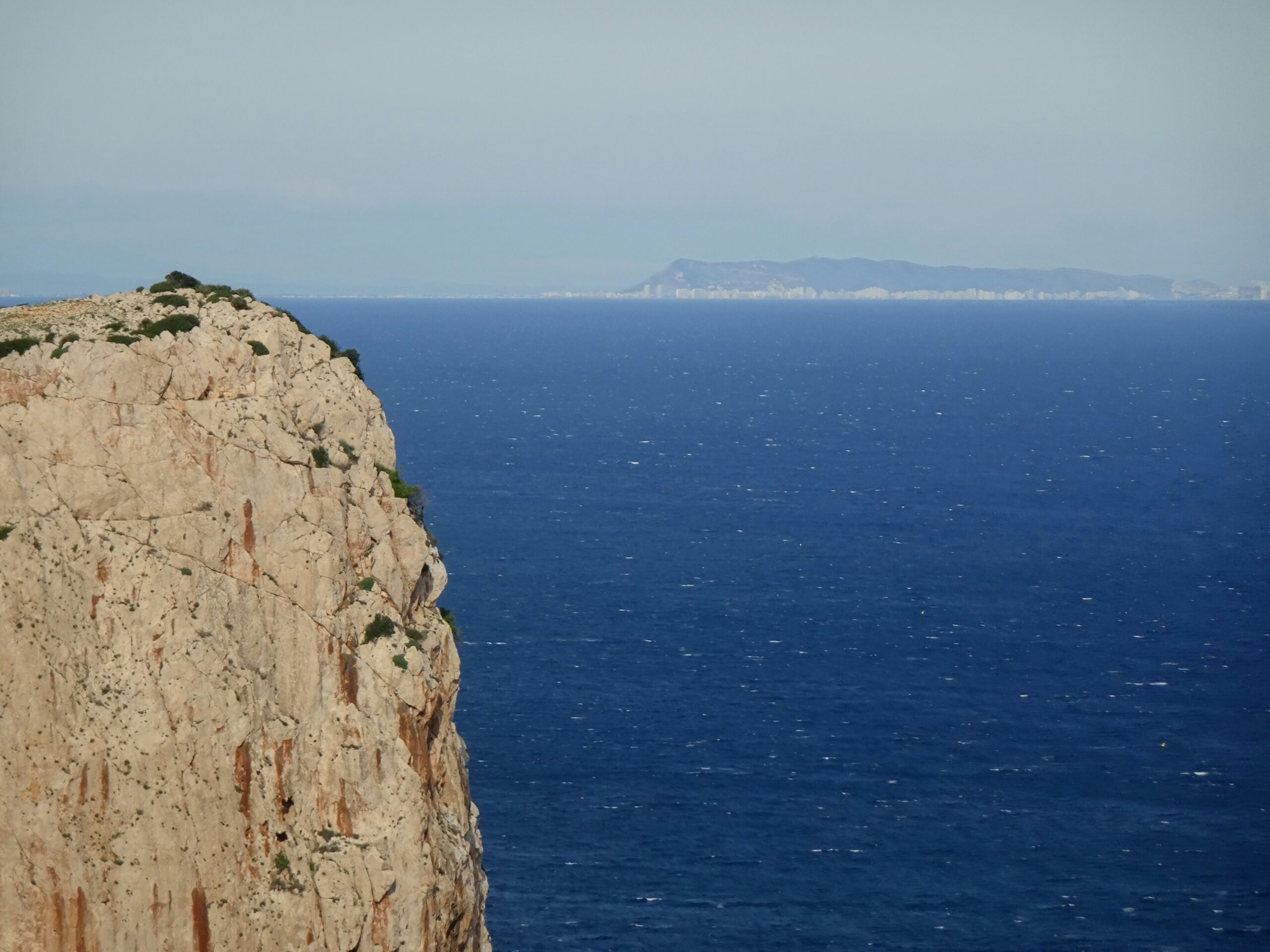
The Mediterranean Sea, a cradle of civilizations and a nexus of global trade for millennia, holds within its azure depths a geological narrative as rich and complex as the human history it has witnessed. Far from being a static expanse of water, this ancient body of water is a dynamic geological entity, shaped by immense tectonic forces, volcanic activity, and the relentless sculpting power of erosion and sedimentation. Unveiling these geological wonders offers a profound understanding of our planet’s deep past and the ongoing processes that continue to mold its future.
The Mediterranean Sea is not merely a geographical feature; it is a testament to the Earth’s ceaselessly shifting tectonic plates. Its very existence is a dramatic consequence of the collision between the African and Eurasian plates, a geological ballet that has been unfolding for tens of millions of years and continues to shape the region today. This immense tectonic struggle has given rise to some of the most dramatic mountainous landscapes and active seismic zones on Earth, and its influence extends deep beneath the Mediterranean waves.
The African-Eurasian Collision: A Slow-Motion Cataclysm
The primary driver behind the Mediterranean’s geological complexity is the convergence of the African and Eurasian plates. Africa is moving northward, inexorably pushing into the southern margins of Europe. This monumental collision is not a monolithic shove, but rather a complex interaction involving subduction zones, continental collisions, and lateral slippage.
Subduction: Where Continents Dive
In several key areas, the African plate, or more precisely, microplates that have broken off from its northern edge, are diving beneath the Eurasian plate. This process of subduction is responsible for the formation of deep oceanic trenches and the generation of volcanic activity. The Hellenic Trench, located south of Greece, is a prime example, reaching depths of over 5,000 meters and marking the spot where the African plate plunges beneath the Aegean Sea. This subduction fuels the volcanic arc of the southern Aegean, including the famous caldera of Santorini.
Fragmented Plates and Microcontinents: A Mosaic of Movement
The Mediterranean is not a simple two-plate interaction. The immense pressures of the African-Eurasian collision have caused the crust to fracture and deform, creating a complex mosaic of smaller microplates and continental fragments. These include the Iberian, Sardinian, Corsican, and Pelagonian plates, each with its own unique geological history and movement patterns. This fragmentation contributes to the region’s high seismic activity and diverse geological formations.
The Tyrrhenian Sea: A Back-Arc Basin’s Birth
The Tyrrhenian Sea, nestled between Italy, Sicily, Sardinia, and Corsica, is a prime example of a back-arc basin. This geological feature formed when the African plate moved northward, causing the Eurasian plate to stretch and thin behind the overriding African plate. This stretching led to the formation of a new oceanic crust in the Tyrrhenian Sea, accompanied by significant volcanic activity, including the Aeolian Islands (Stromboli, Vulcano).
The geology of the Mediterranean Sea is a fascinating subject that reveals much about the region’s history and natural processes. For those interested in exploring the connections between ancient civilizations and their geographical surroundings, a related article can be found at Discovering the Seven Wonders of the Ancient World. This article delves into how the unique geological features of the Mediterranean influenced the development of ancient societies and their monumental achievements.
Volcanic Activity: Fiery Manifestations of Earth’s Inner Heat
The Mediterranean is a region punctuated by a remarkable array of volcanic landscapes, a direct consequence of its dynamic tectonic setting. From the iconic peaks of active volcanoes to the submerged seamounts and hydrothermal vents, the region’s volcanic activity offers a vivid glimpse into the Earth’s internal heat and the raw power that shapes our planet. These volcanic phenomena are not just geological curiosities; they play a crucial role in shaping marine ecosystems and influencing seafloor geomorphology.
Iconic Volcanoes: Sentinels of Fire
Several active and dormant volcanoes command attention across the Mediterranean. Mount Etna in Sicily, one of the world’s most active volcanoes, constantly reminds us of the Earth’s fiery interior. Its frequent eruptions, while posing hazards, have also contributed to fertile soils and a unique cultural identity for the surrounding region. Vesuvius, overlooking the Bay of Naples, is another iconic volcano, infamous for its catastrophic eruption in 79 AD that preserved the ancient cities of Pompeii and Herculaneum.
The Aeolian Islands: A Volcanic Archipelago
The Aeolian Islands, north of Sicily, are a spectacular testament to the ongoing volcanic processes in the Tyrrhenian Sea. Stromboli, with its near-constant incandescent eruptions, is often referred to as the “Lighthouse of the Mediterranean.” Vulcano, known for its fumarolic activity and sulfurous mud baths, is another island that bears the direct imprint of volcanic forces.
Submerged Volcanism: Hidden Giants of the Deep
Beneath the waves, a significant amount of volcanic activity occurs, often unseen by the casual observer. Seamounts, underwater mountains formed by volcanic eruptions, dot the Mediterranean seafloor. These submerged volcanoes can rise thousands of meters from the seabed and are crucial habitats for unique deep-sea ecosystems.
Hydrothermal Vents: Oases of Life in the Abyss
In some deep-sea areas, hydrothermal vents spew mineral-rich, superheated water from beneath the seafloor. These vents, often found along mid-ocean ridges or fracture zones, are hotbeds of chemosynthetic life, supporting entire ecosystems independent of sunlight. While less common in the Mediterranean compared to major oceanic ridges, their presence indicates ongoing geological processes and the potential for undiscovered biodiversity.
Submarine Slopes and Canyons: Sculpting the Seafloor
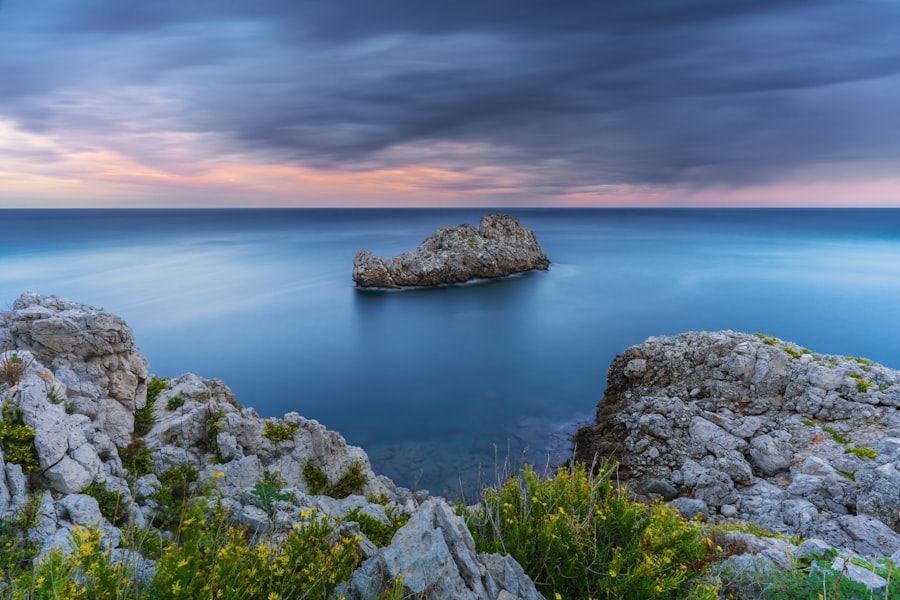
The Mediterranean seafloor is not a featureless plain but a landscape carved by powerful geological and oceanic forces. Submarine slopes, gradually descending from continental shelves into deeper waters, are shaped by a variety of processes, including tectonic uplift, erosion, and sedimentation. Within these slopes, submarine canyons create dramatic underwater valleys, often mimicking their terrestrial counterparts in grandeur.
Continental Slopes: Transitions to the Abyss
The transition from the relatively shallow continental shelves to the deep ocean floor is marked by steep continental slopes. These slopes are dynamic environments, influenced by the accumulation of sediments carried by rivers and the erosion caused by underwater currents. In the Mediterranean, these slopes are often incised by submarine canyons.
Sediment Accumulation and Turbidity Currents
Massive amounts of sediment are transported by rivers flowing into the Mediterranean, such as the Nile, Po, and Ebro. This sediment accumulates on the continental shelves and slopes. When sediment piles up, it can become unstable, triggering underwater landslides. These landslides, known as turbidity currents, can travel at high speeds down the slopes, carving channels and transporting vast quantities of sediment into the deep sea.
Submarine Canyons: Grand Architects of the Undersea Terrain
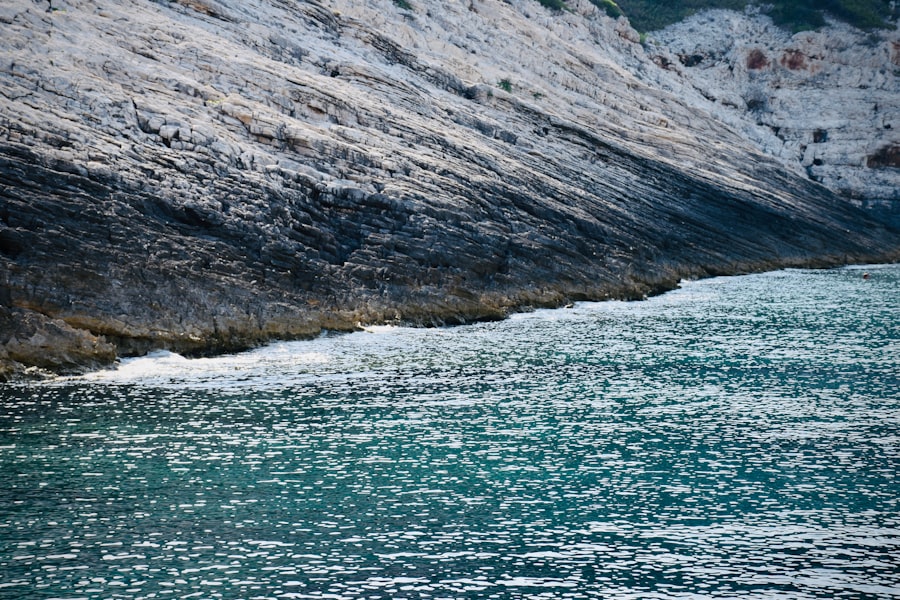
Submarine canyons are some of the most striking geomorphological features of the Mediterranean seafloor. These deep, V-shaped valleys cut into the continental shelf and slope, often extending hundreds of kilometers offshore and reaching depths of several thousand meters. They are nature’s underwater excavation projects, sculpted by a combination of tectonic activity, erosion, and powerful sediment-laden currents.
Formation Mechanisms: A Trilogy of Forces
The formation of submarine canyons is a multifaceted process, driven by a combination of geological and oceanographic factors.
Tectonic Influences: Pre-existing Structures
Tectonic activity plays a significant role in initiating submarine canyons. Fault lines and fractures in the Earth’s crust can create weaknesses that are then exploited by erosional forces. Upward movements or subsidences of the seafloor can also influence the initial topography, providing a starting point for canyon development.
Fluvial Erosion: The Ancestral Rivers
In many cases, the origins of submarine canyons can be traced back to periods when sea levels were significantly lower, exposing the current continental shelves. During these glacial periods, rivers that now flow into the Mediterranean would have extended far out onto the exposed shelf, carving valleys that would later become submarine canyons as sea levels rose. The Rhone and Ebro canyons are prime examples of features with probable fluvial antecedents.
Mass Wasting and Turbidity Currents: The Unseen Sculptors
Once established, the erosive power of turbidity currents becomes paramount. These dense, fast-moving flows of sediment and water, triggered by sediment instability, earthquakes, or storms, scour the canyon beds and walls, deepening and widening them over time. The continuous transport of sediment down these canyons plays a vital role in shaping the seafloor and delivering nutrients to deeper marine ecosystems.
The geology of the Mediterranean Sea plays a crucial role in understanding the region’s historical climate changes and their impact on ancient civilizations. For instance, the article on the Bronze Age Collapse explores how climatic shifts influenced societal transformations in this area. You can read more about this fascinating connection in the article here. The geological features of the Mediterranean not only shape its current ecosystem but also provide insights into past environmental conditions that affected human development.
The Mediterranean Basin: A Symphony of Depositional Environments
| Geological Feature | Description |
|---|---|
| Subduction Zones | The Mediterranean Sea is surrounded by several subduction zones where tectonic plates converge, leading to seismic activity and the formation of mountain ranges. |
| Mid-Ocean Ridges | There are mid-ocean ridges in the eastern Mediterranean, where new oceanic crust is formed as tectonic plates pull apart. |
| Sedimentary Basins | The Mediterranean Sea contains various sedimentary basins that have accumulated layers of sediment over millions of years, providing valuable information about past environmental conditions. |
| Volcanic Activity | There are several volcanic islands and seamounts in the Mediterranean Sea, indicating past and present volcanic activity in the region. |
The Mediterranean Sea’s seafloor is a vast repository of sediments, a layered chronicle of its geological and climatic history. From ancient evaporite deposits to modern-day muds, these sediments tell a story of fluctuating sea levels, changing ocean currents, and the influence of terrestrial runoff. Understanding these depositional environments provides critical insights into past oceanographic conditions and the evolution of the basin.
Evaporite Deposits: Echoes of a Dry Mediterranean
One of the most intriguing geological episodes in the Mediterranean’s history is the Messinian Salinity Crisis, which occurred approximately 5.96 to 5.33 million years ago. During this period, the Mediterranean Sea largely or completely dried up, forming thick layers of salt and other evaporite minerals. These deposits are found across the basin and are a stark reminder of the dramatic environmental shifts the region has undergone.
The Zanclean Flood: A Cataclysmic Refill
The re-flooding of the Mediterranean, known as the Zanclean Flood, occurred around 5.33 million years ago when the Strait of Gibraltar was reconnected to the Atlantic Ocean. This event is believed to have been incredibly rapid and powerful, reshaping the Mediterranean basin in a geologically short period. The evidence of this flood is seen in the geological strata and the abrupt changes in sediment composition.
Sedimentary Basins: Archives of Marine Life and Climate
Across the Mediterranean, numerous sedimentary basins have accumulated vast quantities of sediments over millions of years. These basins act as archives, preserving fossilized remains of marine organisms, pollen, and other environmental indicators. Studying these sediments allows scientists to reconstruct past climates, oceanographic conditions, and the evolution of marine biodiversity.
The Nile Delta: A Modern Depositional Powerhouse
The Nile Delta, one of the world’s most productive agricultural regions, is also a major geological feature. The Nile River transports immense quantities of sediment from its headwaters, depositing it as it enters the Mediterranean. This ongoing deposition creates vast deltas, altering coastlines and providing crucial habitats for both marine and terrestrial life. The deltas are constantly shifting and evolving under the influence of natural processes and human interventions.
The Interplay of Geology and Marine Life: A Symbiotic Relationship
The geological wonders of the Mediterranean are not merely static backdrops to its vibrant marine life; they are intrinsically linked, forming a dynamic and symbiotic relationship. The seafloor topography, volcanic activity, and sedimentary processes directly influence the distribution, diversity, and evolution of marine organisms, while marine life, in turn, can subtly modify geological features.
Reefs and Seamounts: Oases of Biodiversity
Underwater structures, both natural and man-made, serve as crucial habitats for countless marine species. Seamounts, with their varied topography and nutrient-rich waters, often foster the growth of deep-sea corals and sponges, creating vibrant ecosystems that support a diverse community of fish and invertebrates. Similarly, natural rocky outcrops and the submerged foundations of ancient structures can act as artificial reefs, attracting a wide array of marine life.
Coral Gardens and Sponge Fields: Biodiversity Hotspots
The Mediterranean boasts numerous areas characterized by extensive coral gardens and sponge fields. These delicate ecosystems, often found on rocky substrates or seamounts, provide shelter, food, and breeding grounds for a multitude of species. The health and extent of these formations are directly tied to the underlying geological stability and the quality of the water, which in turn are influenced by geological processes.
Hydrothermal Vents and Cold Seeps: Life Finds a Way
As mentioned earlier, hydrothermal vents and cold seeps represent unique environments where life thrives in the absence of sunlight, fueled by chemical energy. These geologically driven phenomena support specialized communities of organisms, including tubeworms, mussels, and unique bacteria, showcasing the remarkable adaptability of life in extreme conditions. The geological context of these seeps, often associated with faults and hydrocarbon reservoirs, is crucial to their existence.
Chemosynthetic Ecosystems: A testament to Life’s Resilience
The discovery of chemosynthetic ecosystems around Mediterranean vents and seeps has revolutionized our understanding of life’s potential. These communities are entirely independent of primary solar production, relying instead on chemical reactions to form the base of the food web. Their existence highlights the profound influence of geological processes on the very definition of habitable environments on Earth and potentially beyond.
In conclusion, the Mediterranean Sea is far more than an ancient maritime highway; it is a living geological museum. From the titanic forces of continental collision shaping its basins to the fiery breath of its volcanoes and the intricate sculpting of its seafloor, each geological feature tells a story of immense power and continuous transformation. Understanding these wonders not only enriches our appreciation for Earth’s dynamic nature but also provides crucial context for marine conservation efforts, resource management, and the ongoing study of our planet’s evolution. The azure waters may sparkle under the sun, but beneath them lies a world of colossal geological events, a silent testament to the enduring power of our planet.

When the Mediterranean Became a Desert | The Messinian Salinity Crisis Explained
FAQs
What is the geology of the Mediterranean Sea?
The Mediterranean Sea is a complex geological region characterized by its unique tectonic setting. It is surrounded by several tectonic plates, including the African, Eurasian, and Arabian plates, which have shaped the region’s geology through processes such as subduction, collision, and rifting.
What are the major geological features of the Mediterranean Sea?
The Mediterranean Sea is home to several major geological features, including subduction zones, mountain ranges, and basins. The region is known for its numerous fault lines, such as the North Anatolian Fault and the Hellenic Arc, which have contributed to the formation of mountain ranges and deep basins.
How did the Mediterranean Sea form geologically?
The geological history of the Mediterranean Sea is complex and involves the convergence and collision of tectonic plates. The closure of the Tethys Ocean and the collision of the African and Eurasian plates played a significant role in the formation of the Mediterranean Sea, leading to the creation of mountain ranges and the opening of basins.
What are the economic implications of the Mediterranean Sea’s geology?
The geology of the Mediterranean Sea has significant economic implications, particularly in terms of oil and gas exploration. The region is known for its hydrocarbon reserves, and countries bordering the Mediterranean have invested in offshore drilling and exploration activities to tap into these resources.
How does the geology of the Mediterranean Sea impact the region’s natural hazards?
The complex geology of the Mediterranean Sea contributes to a variety of natural hazards, including earthquakes, tsunamis, and volcanic activity. The presence of active fault lines and subduction zones makes the region susceptible to seismic events, which can have devastating impacts on coastal communities.