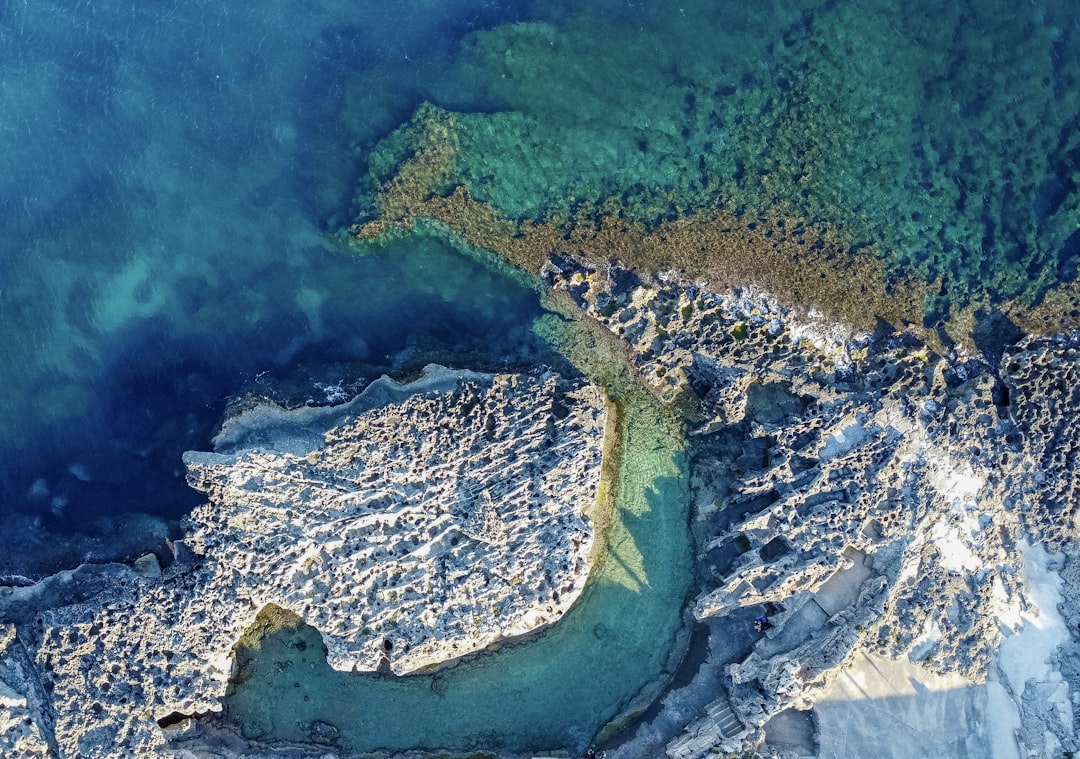
The Mediterranean Sea, a cradle of civilizations and a vibrant crossroads of cultures, holds within its azure depths and surrounding lands a rich and complex geological narrative. Far from being a static entity, this sea and its bordering continents have witnessed eons of dramatic transformations, tectonic collisions, and the relentless sculpting power of nature. Unraveling the Mediterranean’s geological past is akin to deciphering an ancient, intricate manuscript, where each rock formation, fault line, and oceanic trench tells a story of immense timescales and profound geological events. This journey into Earth’s history reveals a dynamic tapestry woven from the movement of tectonic plates, the rise and fall of landmasses, and the very creation and destruction of oceans.
The Mediterranean region is a geological hotbed, a testament to the restless energy of Earth’s lithospheric plates. Its dramatic landscapes, from the towering Alps to the volcanic islands of Italy, are direct consequences of the ongoing interaction between several major tectonic plates, primarily the African, Eurasian, and smaller microplates like the Anatolian and Aegean plates. This perpetual tectonic dance drives seismicity, volcanism, and the very configuration of the land and sea that define the Mediterranean today.
The African Plate’s Pervasive Influence
The African Plate, a colossal tectonic entity, plays a dominant role in shaping the southern margins of the Mediterranean. Its slow but persistent northward drift has instigated monumental geological processes, including subduction and continental collision. As the African Plate advances, it interacts with the Eurasian Plate, initiating a complex series of events that have sculpted the Mediterranean Basin.
Subduction Zones and the Birth of Mountains
The most significant consequence of the African Plate’s northward movement is its subduction beneath the Eurasian Plate in certain regions. This process, where one tectonic plate dives beneath another, is a fundamental driver of mountain building and volcanism. Along the southern edge of the Hellenic Arc in Greece, for instance, oceanic lithosphere of the African Plate is being forced down into the Earth’s mantle. This relentless consumption of crust generates intense heat and pressure, leading to the melting of rock and the subsequent eruption of magma. The volcanic activity observed in the Aegean Sea, including islands like Santorini, is a direct manifestation of this subduction process.
Continental Collision and the Alpine Orogeny
Where the African Plate’s continental margins collide with the Eurasian Plate, a different but equally dramatic geological process unfolds: continental collision. This is the hallmark of the Alpine Orogeny, a mountain-building event that has profoundly shaped much of Southern Europe. The collision between the African, Eurasian, and various microplates has resulted in the immense folding and faulting of the Earth’s crust, uplifting vast mountain ranges such as the Alps, the Pyrenees, and the Atlas Mountains. These mountain belts represent the crumpled and thickened remnants of former ocean basins and continental margins, a colossal testament to the forces involved.
The Eurasian Plate: A Continental Anchor and a Force of Compression
The Eurasian Plate forms the northern boundary of the Mediterranean region and acts as a vast continental anchor. However, its interaction with the African Plate is not one of passive resistance. Instead, the Eurasian Plate experiences significant compressional forces, leading to its own deformation and the formation of mountain ranges along its southern edges.
Anatolian and Aegean Microplates: Complex Interactions
Within the broader Eurasian-African interaction, the Anatolian Plate (modern-day Turkey) and the Aegean Plate (encompassing mainland Greece and the Aegean islands) exhibit particularly complex behavior. These microplates are caught between the larger continental masses, experiencing significant rotational movements, extension, and strike-slip faulting. The North Anatolian Fault, a major strike-slip fault, is responsible for much of Turkey’s seismic activity, as the Anatolian Plate is squeezed westward between the Eurasian and African plates. Similarly, the Aegean region is characterized by widespread extensional tectonics, leading to the formation of fault-bounded basins and volcanic arcs.
The Mediterranean region has a rich geological history that has significantly influenced its current landscape and biodiversity. A fascinating article that explores the broader implications of geological changes on human migration patterns is available at this link: Prehistoric Human Migration to Antarctica. This piece delves into how geological events have shaped not only the Mediterranean but also the pathways of early human populations, offering insights into the interconnectedness of geological and anthropological developments.
The Tethys Ocean: A Lost Sea’s Legacy
The geological history of the Mediterranean is inextricably linked to the Tethys Ocean, a vast prehistoric sea that once separated the supercontinents of Gondwana (including Africa and India) and Laurasia (including Eurasia and North America). The remnants of this ancient ocean floor, along with the sediments deposited within it, are critically important for understanding the formation of the Mediterranean Basin and its bordering mountain ranges.
Tracing the Tethys’s Footprint
The Tethys Ocean was not a monolithic entity but rather a complex system of basins and seaways that evolved over hundreds of millions of years. Its existence and subsequent closure have left indelible marks on the Mediterranean’s geology.
Oceanic Crust and Sedimentary Basins
The seafloor of the Tethys Ocean was composed of oceanic crust, much of which has since been subducted or incorporated into the continental crust of the bordering mountains. However, fragments of this ancient ocean floor, known as ophiolites, are found scattered throughout the Mediterranean region, particularly in Greece, Turkey, and Italy. These rock assemblages—consisting of peridotite, gabbro, sheeted dykes, and pillow basalts—are direct witnesses to the seafloor of the Tethys. Furthermore, the sediments that accumulated on the Tethys seafloor and its continental margins, primarily limestones and sandstones, now form substantial rock sequences within the Mediterranean mountain ranges, providing a valuable record of past marine environments.
The Closure of the Tethys and the Birth of the Mediterranean
The dramatic disappearance of the Tethys Ocean is central to the formation of the modern Mediterranean Sea. As the African and Eurasian continents converged, the Tethys gradually closed, leading to intense compressional forces. This closure triggered extensive folding, faulting, and uplift, culminating in the formation of the Alpine mountain belts. The Mediterranean Sea itself can be seen as a series of basins that formed in the wake of this continental collision, in areas where crustal extension or delamination occurred.
Volcanic Activity: Fiery Manifestations of Earth’s Interior
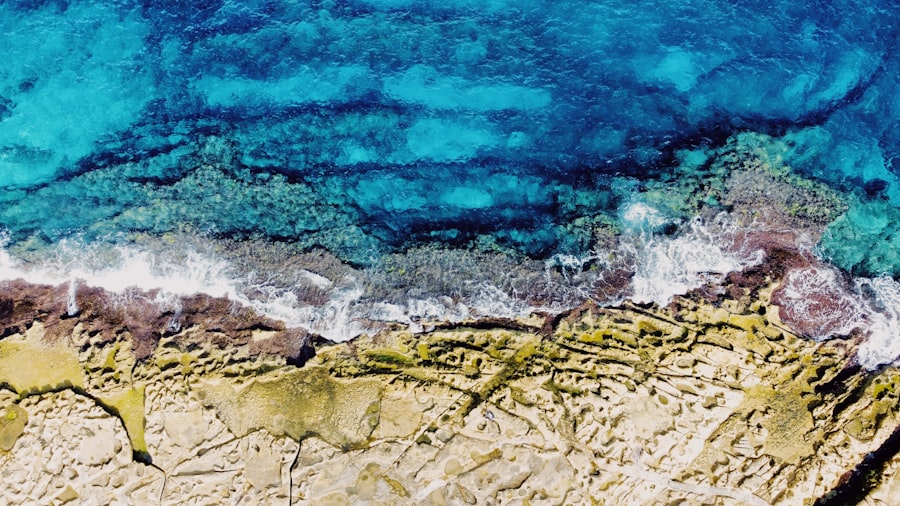
The Mediterranean region is a hotbed of volcanism, with numerous active and dormant volcanoes dotting its landscapes, from the iconic Mount Etna in Sicily to the caldera of Santorini. This fiery activity is a direct consequence of the tectonic processes at play, particularly subduction zones and areas of crustal thinning.
Subduction-Related Volcanism
As mentioned earlier, subduction zones in the Mediterranean are primary drivers of volcanic activity. The melting of the descending oceanic plate and the overlying mantle wedge generates magma that rises to the surface, erupting to form volcanoes.
The Hellenic Volcanic Arc
The Hellenic Volcanic Arc, stretching from the Corinth Gulf to the islands of the Aegean Sea, is a prime example of subduction-related volcanism. The continuous northward movement of the African Plate beneath the Aegean Sea fuels the magma generation responsible for the arc’s impressive volcanic edifices, including Santorini, Milos, and Nisyros. These eruptions have not only shaped the island landscapes but have also had profound impacts on human history, most notably the Bronze Age Minoan civilization.
Campanian Volcanic Arc
Off the coast of southwestern Italy, the Campanian Volcanic Arc is another region characterized by intense volcanic activity. The subduction of the Ionian Sea floor beneath the southern Tyrrhenian Plate contributes to the generation of magma that feeds volcanoes like Vesuvius, Campi Flegrei, and Stromboli. The ongoing volcanic hazard in this densely populated region underscores the dynamic nature of Earth’s processes.
Intraplate Volcanism and Hotspots
While much of the Mediterranean’s volcanism is linked to plate boundaries, some volcanic activity can occur away from these zones, attributed to areas of crustal thinning or mantle plumes.
Sicilian Volcanism
The presence of Mount Etna, Europe’s most active volcano, on the island of Sicily presents a complex geological scenario. While Sicily is situated in a zone of tectonic complexity related to the African-Eurasian plate convergence, Etna’s volcanism may also be influenced by deeper mantle processes or extensional tectonics beneath the island. The continuous eruptions of Etna provide a constant source of geological dynamism and research opportunities.
The Mediterranean Basin: A Dynamic Sea of Change
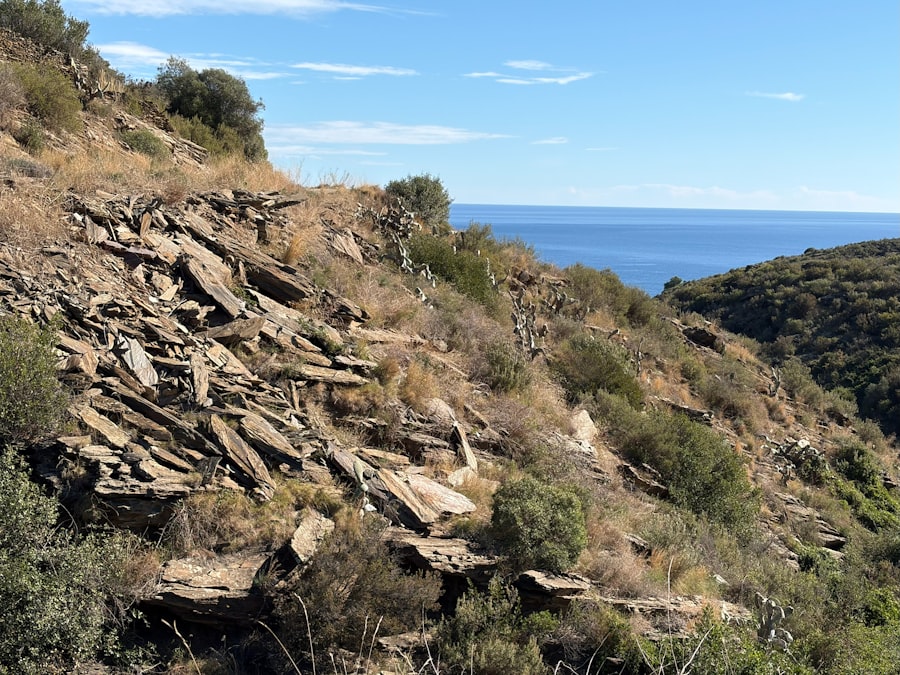
The Mediterranean Sea itself, far from being a static body of water, has undergone significant transformations throughout its geological history, including periods of complete or near-complete desiccation. Its current form is a testament to ongoing tectonic activity, sea-level fluctuations, and the interplay of geological forces.
The Messinian Salinity Crisis: A Dramatic Desiccation Event
Perhaps one of the most striking geological episodes in the Mediterranean’s past is the Messinian Salinity Crisis (MSC), which occurred approximately 5.96 to 5.33 million years ago. This period witnessed the near-complete evaporation of the Mediterranean Sea, transforming it into a vast, arid basin filled with thick layers of evaporite deposits.
Causes and Evidence of the MSC
The primary cause of the MSC is believed to be the isolation of the Mediterranean from the Atlantic Ocean due to tectonic uplift and the closure of the Strait of Gibraltar. As evaporation outstripped inflow, the sea level plummeted, leading to the deposition of massive salt beds, gypsum, and mudstones. Evidence for this dramatic event is found in deep-sea cores, land-based evaporite deposits, and the dramatic incision of river valleys, such as the Nile, which carved deep canyons in the desiccated basin.
The Zanclean Flood: Re-establishing the Connection
Following the MSC, the Mediterranean Sea was dramatically refilled in a catastrophic event known as the Zanclean Flood, around 5.33 million years ago. This event occurred when tectonic forces reopened the Strait of Gibraltar, allowing Atlantic Ocean waters to rush into the desiccated basin. The rapid influx of seawater is thought to have been a rapid and immense flood, rapidly restoring the Mediterranean to a recognizable state within a geologically short timeframe.
Modern Tectonic Influences on the Basin
Even today, the Mediterranean Basin continues to be shaped by tectonic forces, leading to ongoing subsidence, uplift, and seismic activity.
Subsidence and Basin Formation
In certain parts of the Mediterranean, particularly in the eastern basin, ongoing extension and thinning of the crust lead to subsidence and the formation of new sedimentary basins. These areas are often characterized by active faulting and can become sites of hydrocarbon accumulation, making them of significant economic interest.
Sea-Level Changes and Coastal Geomorphology
The interaction of tectonic activity with global sea-level fluctuations continues to influence the Mediterranean’s coastlines. While global climate change is a significant factor in contemporary sea-level rise, past geological events, such as glacial-interglacial cycles and tectonic uplift or subsidence, have also profoundly shaped the region’s geomorphology, creating the diverse coastal landscapes we see today.
The Mediterranean region has a rich geological history that has shaped its unique landscapes and ecosystems over millions of years. Understanding this history is crucial, especially in light of current environmental challenges. For instance, the ongoing threat to island nations due to rising sea levels is a pressing issue that echoes the geological transformations of the Mediterranean. To explore this topic further, you can read an insightful article on the implications of climate change for vulnerable regions at the threat of sinking island nations. This connection between geological history and contemporary environmental concerns highlights the importance of studying our planet’s past to better prepare for its future.
Unraveling the Future: Ongoing Geological Processes
| Geological Period | Time Frame | Key Events |
|---|---|---|
| Mesozoic Era | 252-66 million years ago | Formation of the Tethys Sea, uplift of the Alps and Pyrenees |
| Cenozoic Era | 66 million years ago – present | Continued tectonic activity, formation of the Mediterranean Sea |
| Quaternary Period | 2.6 million years ago – present | Glacial and interglacial periods, shaping of the Mediterranean coastline |
The Mediterranean’s geological journey is far from over. The same tectonic forces that have shaped its past continue to mold its present and future. Understanding these ongoing processes is crucial for predicting future geological events and for navigating the inherent geological hazards of the region.
Predicting Future Tectonic Events
The Mediterranean is one of the most seismically active regions on Earth, with the potential for destructive earthquakes and volcanic eruptions. Geologists continue to monitor seismic activity, plate movements, and volcanic unrest using advanced technologies to better understand and predict future events.
Earthquake Forecasting and Mitigation
The complex interplay of tectonic plates in the Mediterranean gives rise to numerous fault systems, posing a constant seismic risk. Ongoing research into fault mechanics, historical earthquake records, and real-time seismic monitoring aims to improve earthquake forecasting and develop effective mitigation strategies for vulnerable populations.
Volcanic Hazard Assessment and Monitoring
The active volcanic systems of the Mediterranean require continuous monitoring and assessment. Understanding the eruptive history, magma chamber dynamics, and potential for future eruptions is vital for ensuring public safety and preparing for potential volcanic hazards.
The Mediterranean’s Ever-Evolving Landscape
The Mediterranean’s geological processes are not static. Subsidence, uplift, erosion, and deposition are constantly reshaping the land and influencing the sea.
Impact of Climate Change and Sea-Level Rise
While geological forces are the primary drivers of long-term change, contemporary climate change and its associated sea-level rise are adding another layer of complexity to the Mediterranean’s future. Coastal erosion, inundation, and changes in marine ecosystems are ongoing concerns that will be influenced by both geological stability and human-induced climate shifts.
The Role of Anthropogenic Activity
Human activities, such as resource extraction, dam construction, and urban development, also play a role in modifying the Mediterranean landscape and its geological processes, albeit on shorter timescales. Understanding the interplay between natural geological forces and human influence is crucial for sustainable management of this dynamic region.
In conclusion, the Mediterranean’s geological past is a captivating story of immense forces, dramatic transformations, and enduring dynamism. From the colossal tectonic collisions that birthed its mountains to the catastrophic desiccation and refilling of its basin, this region serves as a living laboratory for understanding Earth’s powerful geological processes. The study of its rocks, faults, and volcanic systems continues to unlock secrets of the planet’s evolution, offering invaluable insights into the forces that shape our world and the inherent dynamism of the Mediterranean itself.

When the Mediterranean Became a Desert | The Messinian Salinity Crisis Explained
FAQs
What is the geological history of the Mediterranean region?
The Mediterranean region has a complex geological history that includes the collision of tectonic plates, the formation of mountain ranges, and the opening and closing of ancient seas.
How were the Mediterranean mountains formed?
The Mediterranean mountains, such as the Alps, the Apennines, and the Atlas Mountains, were formed through the collision of the African and Eurasian tectonic plates, resulting in the uplift of the Earth’s crust and the formation of mountain ranges.
What role did ancient seas play in the geological history of the Mediterranean?
Ancient seas, such as the Tethys Sea, played a significant role in the geological history of the Mediterranean region. These seas opened and closed over millions of years, leaving behind sedimentary rocks and fossils that provide valuable insights into the region’s geological past.
How has the Mediterranean region’s geology influenced its natural resources?
The Mediterranean region’s geology has influenced the distribution of natural resources such as oil, gas, and minerals. For example, the region’s ancient seas and mountain-building processes have contributed to the formation of oil and gas reserves, as well as mineral deposits.
What are some notable geological features of the Mediterranean region?
Some notable geological features of the Mediterranean region include the active volcanoes of Italy, the limestone cliffs of the Dalmatian coast, and the karst landscapes of the Balkans. These features reflect the region’s diverse geological history and natural beauty.