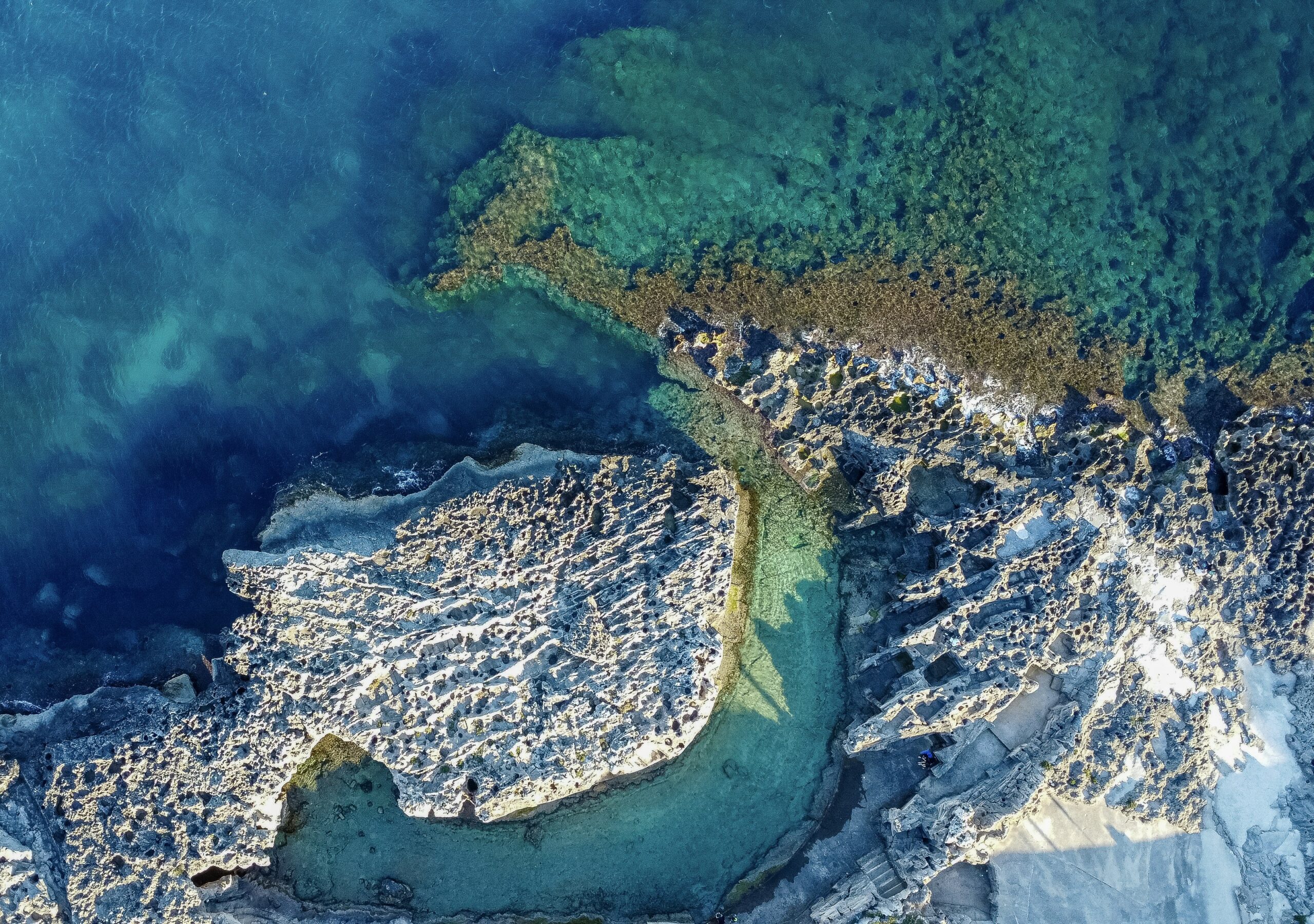
The Mediterranean Sea, a cradle of ancient civilizations and a vibrant hub of biodiversity, holds a hidden treasure beneath its shimmering surface and along its sun-drenched shores: its salt deposits. Far from being mere mineral formations, these salt deposits represent a geological legacy, a testament to millennia of evaporation and a vital resource that has shaped human history, economies, and cultures across the region. Exploring these salty landscapes unveils a fascinating world of geological processes, ecological adaptations, and enduring human ingenuity.
The formation of salt deposits in the Mediterranean is a story etched in the Earth’s crust and driven by powerful, albeit gradual, natural forces. The Mediterranean Basin itself is a geological masterpiece, a complex interplay of tectonic activity, continental drift, and the relentless sculpting power of the sea. The specific conditions that foster salt formation are a confluence of several key factors, each playing a crucial role in concentrating the dissolved minerals from seawater into the solid, crystalline forms we recognize as salt deposits.
Tectonic Shifts and Basin Formation
The Mediterranean Sea’s very existence is a product of immense tectonic forces. As the African and Eurasian tectonic plates have collided and interacted over millions of years, they have sculpted a complex and varied seabed, creating basins and depressions that are ideal for trapping water. These geological formations, often characterized by shallow shelves and enclosed areas, are crucial for the process of salt formation. The down-warping of the crust in certain areas created perfect environments where water could be contained and subjected to evaporative processes. The Messinian Salinity Crisis, a dramatic event approximately 6 million years ago, serves as a stark example of how tectonic changes could lead to extensive salt deposition. During this period, the Strait of Gibraltar is believed to have closed, effectively transforming the Mediterranean into a vast, hypersaline lake. As this immense body of water evaporated, it left behind colossal layers of salt, some of which are still being discovered and exploited today.
The Power of Evaporation: Solar Energy at Work
Evaporation is the primary engine driving the formation of salt deposits in arid and semi-arid coastal regions. The Mediterranean’s climate, characterized by hot, dry summers and abundant sunshine, provides the ideal conditions for this process. As seawater is trapped in lagoons, salt pans, or shallow coastal embayments, the sun’s energy relentlessly heats the water. This heat causes the water molecules to transform into vapor and ascend into the atmosphere, leaving behind the dissolved salts.
The Role of Salinity Gradient
The concentration of salt in seawater, while significant, is not high enough on its own to cause immediate precipitation. The magic happens as the water evaporates. As water is removed, the remaining water becomes increasingly saline. This increased salinity creates a gradient, effectively driving more water to evaporate. The process is akin to a chemical concentration, where the dissolved salts are effectively squeezed together as the solvent (water) is removed. This gradual concentration is what allows for the precipitation of different mineral salts in a specific order, a process known as fractional crystallization.
Seasonal Rhythms and Coastal Dynamics
The formation of salt deposits is intrinsically linked to the seasonal rhythms of the Mediterranean. The drier, hotter months are crucial for rapid evaporation and salt accumulation. During these periods, coastal areas transform into vast, shimmering plains where the white crystals of salt gleam under the intense sunlight. Conversely, the wetter, cooler months can see these salt pans reflooded, replenishing the saline solution and preparing it for the next cycle of evaporation. The dynamic interplay between these seasons and the coastal topography dictates the success and scale of salt production in any given area.
Different Types of Salt Deposits
The Mediterranean’s geological history has resulted in a variety of salt deposit types, each with its own unique characteristics and formation story. While common table salt (sodium chloride) is the most abundant, other minerals also contribute to the diverse saline landscape.
Halite: The Dominant Player
Halite, the mineral form of sodium chloride, is the most prevalent salt found throughout the Mediterranean. Its presence is a direct result of seawater evaporation. Naturally occurring halite can be found as vast underground rock salt deposits, remnants of ancient seas that have long since evaporated and been buried, or as surface deposits formed in modern or historical salt pans. The purity and composition of halite can vary depending on the specific geological conditions and the presence of other dissolved minerals.
Other Evaporite Minerals
Beyond halite, the Mediterranean’s evaporite deposits can contain other valuable minerals. Among these are gypsum (calcium sulfate) and anhydrite (anhydrous calcium sulfate), which often precipitate out earlier in the evaporation process due to their lower solubility. In some rare cases, more soluble salts like potassium and magnesium sulfates can also be found, contributing to the complex geochemical tapestry of these regions. The relative abundance of these secondary minerals often provides clues about the specific geological history and conditions under which the deposits formed.
Mediterranean salt deposits have long been a subject of interest for both geologists and investors due to their unique formation processes and economic potential. In a related article, the discussion expands on various valuable assets, including natural resources like salt, that can be leveraged for profit. For more insights on this topic, you can read the article here: 8 Hot Assets to Sell Now.
Harvesting the Bounty: Ancient and Modern Techniques
The exploitation of Mediterranean salt deposits is a practice as old as civilization itself. For millennia, humans have recognized the invaluable properties of salt, not only for preserving food but also for its economic and social significance. The methods of harvesting have evolved dramatically, from rudimentary scoops to sophisticated mechanized systems, but the fundamental principle of harnessing solar evaporation remains a cornerstone.
Traditional Salt Pan Operations
The image of traditional salt pans is an evocative one, etched into the collective memory of many Mediterranean cultures. These shallow, artificially constructed basins, often located in coastal wetlands, are designed to capture and concentrate seawater. Initially, seawater is channeled into large, shallow ponds where it remains for extended periods. The sun and wind gradually reduce the water volume, increasing the salinity. As the brine becomes supersaturated with salt, the first crystals of gypsum typically precipitate, followed by halite.
The Art of Brine Management
Skilled salt farmers, or “salinier” in some regions, would meticulously manage the brine, carefully directing it from one pond to another as it reached different stages of salinization. This process of “brine management” was crucial for separating different mineral layers and ensuring the purity of the harvested salt. The timing of harvesting was also critical, often dictated by the weather and the desired salt quality. The “flor de sal” (flower of salt), a delicate, flaky salt that forms on the surface of the water under specific atmospheric conditions, was particularly prized and harvested with great care.
Manual Labor and Community Involvement
Throughout history, the harvesting of salt was a labor-intensive process, often requiring the collective effort of entire communities. Families would work together in the salt pans, raking, shoveling, and collecting the crystallized salt. This communal aspect fostered strong social bonds and established salt harvesting as a vital part of the local economy and way of life. The salt produced was not only for local consumption but also a significant commodity for trade, contributing to the wealth and influence of coastal settlements.
The Industrial Revolution and Mechanization
The advent of the Industrial Revolution brought about significant changes in salt harvesting techniques. Mechanization began to replace manual labor, leading to increased efficiency and larger-scale production. Modern salt works, while often retaining the traditional shallow pond design, employ pumps, conveyors, and specialized machinery for harvesting and processing. Automated systems can now manage brine flow, harvest salt crystals, and even sort them by size and purity.
Increased Scale and Efficiency
The adoption of industrialized methods allowed for a dramatic increase in salt production. Larger areas could be cultivated, and the harvesting process became significantly faster and less physically demanding. This industrialization made salt production more economically viable on a larger scale, meeting the growing demands of industrial processes and a burgeoning global market. The shift from small, family-run operations to large, often corporate-managed salt works was a defining characteristic of this era.
By-product Utilization and Sustainability
Modern salt production also increasingly focuses on the utilization of by-products. The magnesium and potassium salts that precipitate out alongside sodium chloride can be extracted and sold for various industrial and agricultural purposes. Furthermore, there is a growing emphasis on sustainability, with efforts to minimize environmental impact through efficient water usage, waste reduction, and the protection of surrounding ecosystems within salt-producing areas.
Ecological Niches: Life in the Saline Environment

While seemingly inhospitable, the hypersaline environments of Mediterranean salt deposits are teeming with life. Specialized flora and fauna have evolved remarkable adaptations to survive and thrive in these unique ecosystems, creating vibrant and often otherworldly landscapes. These salt-loving organisms play crucial roles in the functioning of these environments and contribute to their ecological significance.
Halophytic Vegetation: Masters of Salt Tolerance
The plant life found in and around Mediterranean salt deposits, known as halophytes, are the true pioneers of these saline frontiers. These remarkable plants have developed sophisticated mechanisms to cope with high salt concentrations in the soil and water, preventing cellular damage and maintaining osmotic balance. Their survival is a testament to a long evolutionary journey.
Salt Excretion and Exclusion
Many halophytes employ strategies such as actively excreting excess salt through specialized glands on their leaves, often visible as a fine dusting of salt crystals. Others have developed mechanisms to exclude salt at the root level, preventing it from entering the plant’s vascular system in the first place. These adaptations allow them to flourish in areas where most other plant species would quickly perish. Common examples include various species of salicornia (sea beans or glasswort), sea aster, and sea lavender.
Providing Habitat and Food Sources
These hardy plants are not just survivors; they are also essential architects of the salt marsh ecosystem. Their root systems help stabilize the soil, preventing erosion in these often-exposed environments. They also provide crucial habitat and shelter for a variety of invertebrates, which in turn form the base of the food chain for larger animals. The dense vegetation of salt marshes acts as a nursery ground for many fish and crustacean species.
The Fauna of the Salt Pans and Marshes
The animal life found in and around Mediterranean salt deposits is equally specialized and fascinating. From microscopic microorganisms to larger wading birds, these creatures have adapted to the fluctuating salinity, water levels, and unique food sources available. Their presence is a strong indicator of the health of these sensitive environments.
Microorganisms and Invertebrates as the Foundation
The microscopic world of salt pans is incredibly diverse. Algae, bacteria, and archaea form the base of the food web. These microorganisms thrive in the concentrated brine, often giving the water vibrant colors ranging from pinks and reds (due to pigmented bacteria) to greens. Tiny crustaceans, such as brine shrimp (Artemia), are abundant and serve as a vital food source for many larger organisms. Various types of worms and mollusks also inhabit the mudflats, contributing to nutrient cycling.
Birdlife: Migratory Havens
Mediterranean salt pans and marshes are crucial stopover points and breeding grounds for a vast array of migratory birds. Species such as flamingos, avocets, stilts, and various sandpipers depend on these wetlands for food and rest during their long journeys. The shallow waters and exposed mudflats provide ideal foraging opportunities for these specialized feeders. The vibrant plumage of flamingos, a direct result of their diet of brine shrimp and algae, is a particularly iconic sight in many Mediterranean salt lagoons. These bird populations are sensitive indicators of environmental change, and their numbers can fluctuate based on the health and availability of these saline habitats.
Adaptations to Salinity Fluctuations
Animals that inhabit these environments have evolved remarkable adaptations to cope with the extreme fluctuations in salinity that can occur. Many species possess specialized kidneys or glands that allow them to excrete excess salt. Others can tolerate a wide range of salinity levels, shifting their physiological strategies as needed. This adaptability is key to their survival in an environment that can change so dramatically with evaporative cycles and tidal influences.
Cultural and Economic Significance: A Salty Heritage
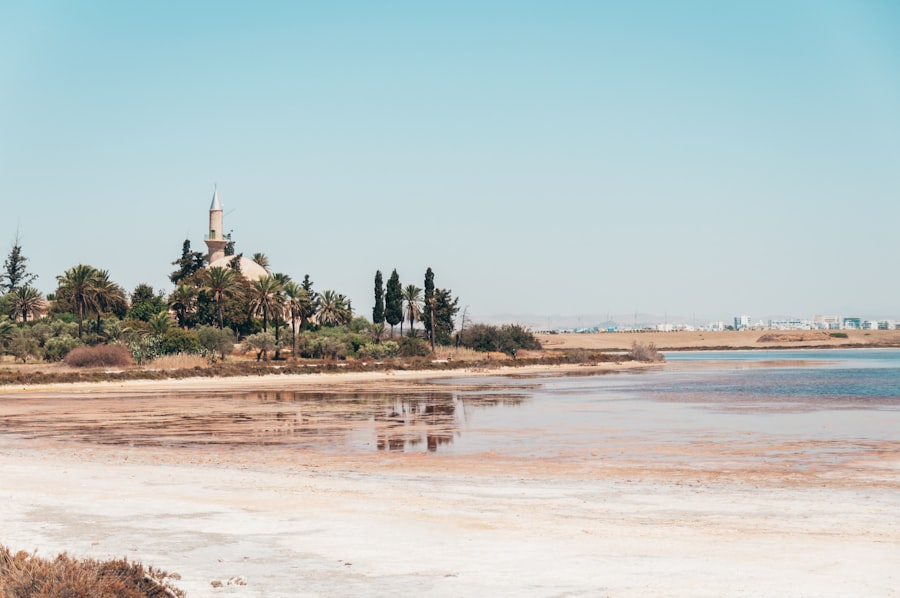
The salt deposits of the Mediterranean are more than just geological curiosities; they are inextricably woven into the cultural and economic fabric of the region. For millennia, salt has been a fundamental commodity, shaping trade routes, influencing diets, and even playing a role in religious practices and folklore. Its enduring importance is a testament to its multifaceted value.
Salt as a Preservative and Food Staple
Before the advent of refrigeration, salt was the primary means of preserving food. This made it an indispensable commodity for communities across the Mediterranean, allowing them to store meat, fish, and other perishables for extended periods. The ability to preserve food was crucial for survival, especially during lean seasons or long sea voyages. This reliance on salt for preservation played a significant role in the development of maritime trade and exploration.
Beyond the Table: Culinary Traditions
Beyond its preservative qualities, salt has always been a key ingredient in Mediterranean cuisine. The subtle nuances of flavor that different types of salt can impart are celebrated by chefs and home cooks alike. From the delicate flakes of “fleur de sel” to the coarser grains of sea salt, each type offers a unique culinary experience. This appreciation for the quality and origin of salt has given rise to a rich tradition of salt-related culinary practices and dishes.
Trade Routes and Economic Powerhouses
Historically, control over salt production and trade was a source of significant economic power and political influence for many Mediterranean city-states and empires. Salt was as valuable as gold or spices for many centuries, and well-maintained salt roads and sea routes were vital arteries of commerce. The ability to produce and trade salt allowed coastal communities to prosper and establish themselves as dominant economic forces. Cities like Venice and Genoa, for instance, built considerable wealth through their control of salt trade routes.
The Role of Salt in Warfare and Diplomacy
The strategic importance of salt extended beyond commerce. In times of conflict, access to salt could be a critical factor in sustaining armies and populations. Its value made it a diplomatic tool, used in treaties and alliances. The saying “worth his salt” reflects the historical understanding of salt’s value as a symbol of reward and compensation.
Folklore, Medicine, and Ritual
Salt also holds a place in the folklore, medicinal traditions, and religious rituals of the Mediterranean. In many cultures, salt is seen as a purifying agent, used in cleansing rituals and to ward off evil spirits. Its association with purity and preservation lent it a significant role in various spiritual practices. Ancient Greek and Roman texts, for example, mention salt in various medicinal applications, from antiseptic washes to digestive aids. Throughout history, salt has been imbued with symbolic meaning, reflecting its fundamental importance to human life and well-being.
Mediterranean salt deposits have long fascinated researchers due to their unique geological formations and historical significance. These deposits not only provide insights into ancient climates but also contribute to our understanding of natural resource management. For those interested in exploring the connections between weather patterns and geological formations, a related article discusses the significance of nature’s signs in ancient times. You can read more about this intriguing topic in the article found here.
Conservation Efforts and Future Prospects
| Country | Location | Estimated Reserves (million tons) |
|---|---|---|
| Spain | Cardona, Cardona, Catalonia | 1,300 |
| Italy | Sicily, Emilia-Romagna, Veneto | 1,200 |
| France | Provence-Alpes-Côte d’Azur, Languedoc-Roussillon | 1,000 |
| Germany | Bavaria, Saxony | 500 |
As the economic and ecological significance of Mediterranean salt deposits becomes increasingly recognized, so too does the importance of their conservation. Balancing the continued economic benefits derived from salt production with the imperative to protect these unique and fragile ecosystems is a critical challenge facing the region.
Protecting the Ecological Integrity of Salt Pans
Modern salt production, while efficient, can inadvertently impact the delicate ecological balance of salt pans and adjacent wetlands. Pollution from industrial runoff, the alteration of freshwater flows, and habitat destruction are significant threats. Conservation efforts focus on implementing sustainable practices within salt works, minimizing chemical use, and ensuring the protection of surrounding natural habitats that are vital for biodiversity.
The Importance of Wetland Restoration
Many historical salt pans have been abandoned or degraded over time. Wetland restoration projects aim to revive these areas, bringing back their ecological function and potential for biodiversity. This involves reintroducing native vegetation, managing water levels, and creating suitable habitats for wildlife. Restored salt pans can serve as important natural reserves, contributing to the preservation of migratory bird routes and unique saline flora and fauna.
Sustainable Salt Production and Ecotourism
There is a growing movement towards promoting sustainable salt production methods that minimize environmental impact and maximize economic benefits. This includes embracing techniques that reduce energy consumption, utilize renewable resources, and promote the use of by-products. Furthermore, ecotourism is emerging as a valuable avenue for promoting awareness and generating revenue for conservation.
Promoting Responsible Tourism
Visitors are increasingly drawn to the unique landscapes and biodiversity of Mediterranean salt pans. Responsible ecotourism initiatives focus on providing educational experiences about the natural and cultural heritage of these areas, encouraging respect for the environment, and supporting local communities. This can include guided tours of salt pans, birdwatching excursions, and opportunities to learn about traditional salt-making practices.
The Future of “White Gold”
The future of Mediterranean salt deposits lies in a judicious blend of tradition and innovation. Recognizing their value not only as a source of a vital commodity but also as irreplaceable natural and cultural heritage is paramount. Through careful management, sustainable practices, and a commitment to conservation, these “hidden treasures” can continue to enrich the region for generations to come, offering both economic prosperity and a vibrant legacy of life and culture. The ongoing exploration and understanding of these saline landscapes promise to reveal even more about their profound impact on the Mediterranean world.

When the Mediterranean Became a Desert | The Messinian Salinity Crisis Explained
FAQs
What are Mediterranean salt deposits?
Mediterranean salt deposits are natural formations of salt that have accumulated over millions of years in the Mediterranean region. These deposits are the result of the evaporation of ancient seas and are found in various locations around the Mediterranean basin.
How are Mediterranean salt deposits formed?
Mediterranean salt deposits are formed through the evaporation of seawater over long periods of time. As the water evaporates, it leaves behind salt crystals, which gradually accumulate and form thick layers of salt deposits.
Where are Mediterranean salt deposits located?
Mediterranean salt deposits are found in several countries around the Mediterranean basin, including Spain, Italy, Greece, and Turkey. Some of the most well-known salt deposits in the region are located in Sicily, Cyprus, and the Spanish region of Catalonia.
What are the uses of Mediterranean salt deposits?
Mediterranean salt deposits are used for various purposes, including the production of table salt, industrial salt, and salt for culinary and cosmetic purposes. These deposits also have historical significance and are often used as tourist attractions.
How are Mediterranean salt deposits mined?
Mediterranean salt deposits are typically mined through traditional methods such as open-pit mining or underground mining. In some cases, seawater is also collected in shallow ponds and allowed to evaporate, leaving behind salt crystals that can be harvested.