
The Australian housing market is a complex and dynamic landscape that varies significantly across different regions. Major cities like Sydney and Melbourne often experience higher demand and prices due to their economic opportunities, cultural attractions, and lifestyle offerings. In contrast, regional areas may present more affordable options, albeit with fewer amenities and job prospects.
Understanding these regional differences is crucial for potential homebuyers, as it allows them to make informed decisions based on their personal circumstances and preferences. Moreover, the housing market in Australia is influenced by various factors, including interest rates, government policies, and demographic trends. For instance, fluctuations in interest rates can directly impact borrowing costs, making it essential for buyers to stay informed about economic indicators.
Additionally, government initiatives aimed at stimulating the housing market can create opportunities for first-time buyers. By keeping abreast of these trends and understanding the local market dynamics, prospective homeowners can better navigate their home-buying journey.
Key Takeaways
- Understanding the housing market in Australia
- Research current market trends and property values in your desired area
- Consider factors such as location, amenities, and future development plans
- Setting a realistic budget for buying a house
- Calculate your total income and expenses to determine a feasible budget
- Factor in additional costs such as maintenance, insurance, and property taxes
- Exploring different mortgage options and lenders
- Compare interest rates, loan terms, and repayment options from various lenders
- Consider seeking pre-approval to understand your borrowing capacity
- Saving for a down payment and other upfront costs
- Create a savings plan to accumulate a down payment and cover closing costs
- Explore government assistance programs or grants for first-time homebuyers
- Considering government grants and incentives for first-time homebuyers
- Research available grants, concessions, and incentives for first-time buyers
- Understand eligibility criteria and application processes for these programs
Setting a realistic budget for buying a house
Establishing a realistic budget is a fundamental step in the home-buying process. It requires potential buyers to assess their financial situation comprehensively, taking into account their income, expenses, and savings. A well-defined budget not only helps in determining how much one can afford to spend on a property but also ensures that buyers do not overextend themselves financially.
This involves calculating monthly mortgage repayments, property taxes, insurance, and maintenance costs to create a holistic view of homeownership expenses. In addition to evaluating current finances, it is also wise for buyers to consider future financial goals. For instance, they should account for potential changes in income or unexpected expenses that may arise after purchasing a home.
By setting a budget that accommodates both current and future financial realities, buyers can avoid the stress of financial strain and enjoy the benefits of homeownership without compromising their overall financial health.
Exploring different mortgage options and lenders

Navigating the myriad of mortgage options available in Australia can be daunting for first-time homebuyers. Various lenders offer different types of loans, each with its own set of features, interest rates, and repayment terms. Fixed-rate mortgages provide stability with consistent payments over the loan term, while variable-rate mortgages may offer lower initial rates but come with the risk of fluctuating payments.
Additionally, it is important for buyers to shop around and compare lenders. Each lender may have different eligibility criteria, fees, and customer service levels.
Engaging with mortgage brokers can also be beneficial, as they can provide insights into various products and help buyers find the best deal tailored to their needs. By thoroughly exploring mortgage options and lenders, buyers can secure financing that not only meets their immediate needs but also supports their long-term financial stability.
Saving for a down payment and other upfront costs
| Metrics | Data |
|---|---|
| Median down payment percentage for first-time homebuyers | 6% |
| Median down payment amount for first-time homebuyers | 9,000 |
| Median upfront costs for homebuyers | 3,700 |
| Percentage of homebuyers who received down payment assistance | 13% |
Saving for a down payment is often one of the most significant hurdles for prospective homebuyers in Australia. The amount required can vary depending on the property’s price and the type of mortgage chosen. Generally, a down payment of 20% is considered ideal to avoid paying Lenders Mortgage Insurance (LMI), which adds an extra cost to the overall purchase.
However, many first-time buyers may find it challenging to save such a substantial amount. Therefore, creating a dedicated savings plan is crucial. In addition to the down payment, buyers should also factor in other upfront costs associated with purchasing a home.
These can include stamp duty, legal fees, inspection costs, and moving expenses. By budgeting for these additional costs early in the process, buyers can avoid surprises that could derail their plans. Establishing a clear savings goal and timeline can help motivate buyers to stay disciplined in their financial planning as they work towards homeownership.
Considering government grants and incentives for first-time homebuyers
The Australian government offers various grants and incentives aimed at assisting first-time homebuyers in overcoming financial barriers to homeownership. Programs such as the First Home Owner Grant (FHOG) provide financial assistance to eligible buyers purchasing their first home. Additionally, initiatives like the First Home Loan Deposit Scheme allow buyers to secure a mortgage with a lower deposit requirement, making it easier to enter the housing market.
Understanding these programs can significantly impact a buyer’s ability to purchase a home. It is essential for prospective homeowners to research eligibility criteria and application processes thoroughly. By taking advantage of available grants and incentives, first-time buyers can reduce their financial burden and make their dream of owning a home more attainable.
Exploring different housing options, such as buying a fixer-upper or a smaller property
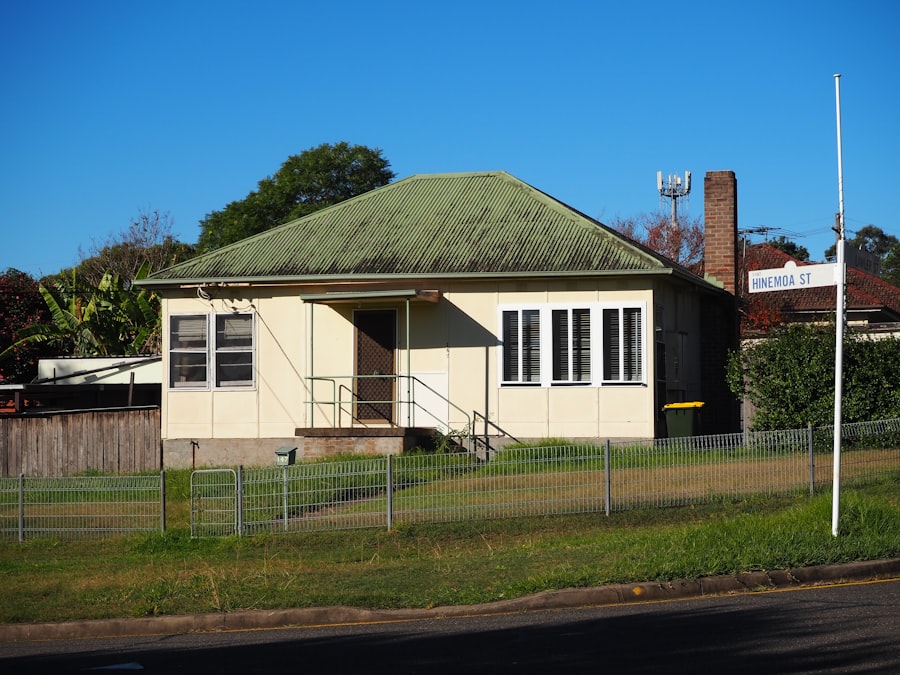
When searching for a home, potential buyers should consider various housing options that align with their budget and lifestyle preferences. While many aspire to purchase a move-in-ready property, exploring alternatives such as fixer-uppers or smaller homes can provide more affordable opportunities. A fixer-upper may require additional investment in renovations but can ultimately lead to significant equity growth over time.
Smaller properties or those located in less sought-after areas may also present viable options for first-time buyers looking to enter the market without breaking the bank. These properties often come with lower price tags and reduced maintenance costs, allowing buyers to allocate funds toward other financial goals or investments. By keeping an open mind about different housing options, buyers can find solutions that meet their needs while remaining within their budget.
Negotiating with sellers and real estate agents
Negotiation is an integral part of the home-buying process that can significantly impact the final purchase price. Buyers should approach negotiations with confidence and preparation, armed with knowledge about comparable properties in the area and an understanding of their budget constraints. Engaging with real estate agents who are experienced negotiators can also provide valuable insights into market conditions and seller motivations.
Effective negotiation involves more than just haggling over price; it also includes discussing terms such as settlement dates or including certain fixtures in the sale. Buyers should be prepared to make concessions while remaining firm on essential aspects of the deal. By fostering open communication with sellers and their agents, buyers can create a collaborative atmosphere that may lead to favorable outcomes for both parties.
Seeking professional financial advice and assistance
Navigating the complexities of homeownership often requires professional guidance. Seeking advice from financial advisors or mortgage brokers can provide invaluable insights into budgeting, financing options, and long-term financial planning. These professionals can help buyers understand their unique financial situations and recommend strategies tailored to their needs.
Additionally, engaging with real estate agents who possess local market knowledge can enhance the home-buying experience. They can provide information on neighborhoods, property values, and potential investment opportunities. By leveraging professional expertise, buyers can make informed decisions that align with their financial goals while minimizing risks associated with purchasing a home.
Considering the long-term financial implications of homeownership
Homeownership is not just about acquiring property; it also entails long-term financial commitments that require careful consideration. Buyers should evaluate how purchasing a home will impact their overall financial health over time. This includes assessing potential appreciation in property value, ongoing maintenance costs, property taxes, and insurance premiums.
Moreover, homeowners should consider how their mortgage payments fit into their broader financial picture. It is essential to ensure that monthly payments remain manageable alongside other expenses and savings goals. By taking a long-term perspective on homeownership costs and benefits, buyers can make decisions that support their financial well-being for years to come.
Exploring alternative housing arrangements, such as co-ownership or rent-to-own options
For those who may find traditional homeownership challenging due to financial constraints or market conditions, alternative housing arrangements offer viable solutions. Co-ownership allows multiple parties to share the costs associated with purchasing a property while still enjoying the benefits of ownership.
Rent-to-own options also present an attractive alternative for prospective homeowners who may need time to save for a down payment or improve their credit scores. This arrangement allows individuals to rent a property with the option to purchase it later, providing them with time to build equity while living in the home they aspire to own. By exploring these alternative arrangements, buyers can find pathways to homeownership that align with their unique circumstances.
Being flexible and patient in the house-hunting process
The journey of finding the perfect home often requires flexibility and patience. The housing market can be unpredictable, with properties coming on and off the market quickly. Buyers should be prepared for potential setbacks or changes in their search criteria as they navigate this process.
Maintaining an open mind about different neighborhoods or property types can lead to unexpected opportunities that may better suit their needs. Additionally, patience is key when waiting for the right property at the right price. Rushing into a purchase out of frustration or urgency can lead to regrettable decisions that may have long-term consequences.
By adopting a patient approach and remaining adaptable throughout the house-hunting process, buyers increase their chances of finding a home that truly meets their needs while ensuring they make sound financial decisions along the way.
If you’re looking for tips on how to afford a house in Australia, you might find it helpful to read this related article on budgeting and saving strategies. It provides valuable insights into managing your finances effectively to make homeownership more attainable. You can check it out here: How to Afford a House in Australia.
WATCH THIS! Why Australia’s Middle Class Is Disappearing
FAQs
What are the average house prices in Australia?
The average house price in Australia varies by location, but as of 2021, the national average is around $819,000 AUD.
What are some ways to save for a house in Australia?
Some ways to save for a house in Australia include setting a budget, cutting unnecessary expenses, increasing income through side jobs or investments, and taking advantage of government grants and incentives.
What government incentives are available for first-time home buyers in Australia?
First-time home buyers in Australia may be eligible for the First Home Owner Grant (FHOG), which provides a one-time payment to help with the purchase of a first home. Additionally, there are stamp duty concessions and other state-specific grants available.
What are some common types of home loans in Australia?
Common types of home loans in Australia include variable rate loans, fixed rate loans, split loans, and interest-only loans. Each type has its own advantages and considerations.
What are some additional costs to consider when buying a house in Australia?
Additional costs to consider when buying a house in Australia include stamp duty, conveyancing fees, building and pest inspections, loan application fees, and ongoing costs such as property taxes, insurance, and maintenance.
What are some tips for finding affordable housing in Australia?
Some tips for finding affordable housing in Australia include considering areas with lower average house prices, exploring government housing initiatives, considering rent-to-buy options, and seeking out properties in need of renovation.