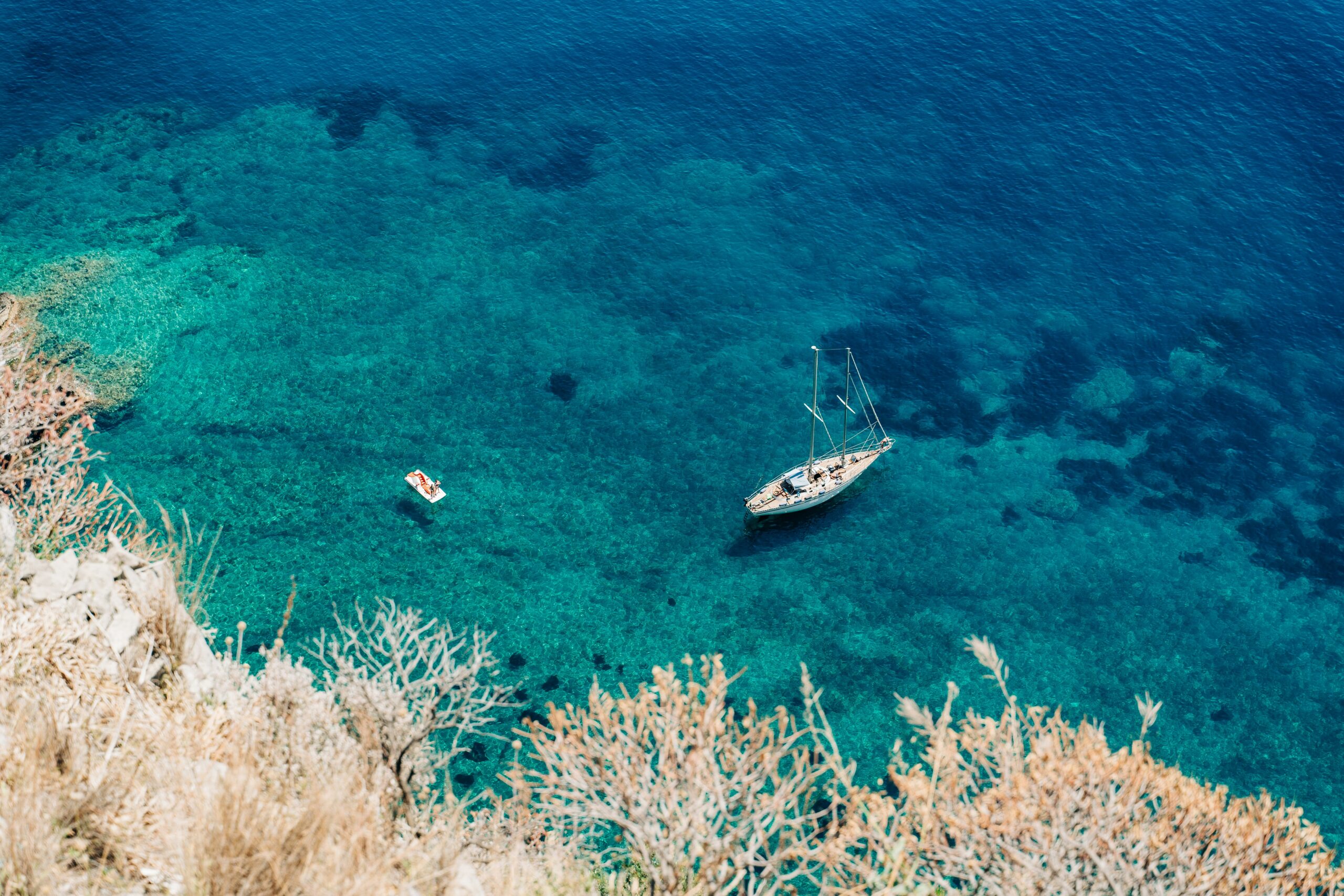
The turquoise expanse of the Mediterranean Sea, a cradle of civilization and a vibrant hub of human activity for millennia, holds a secret history far older than any recorded tale. Before the first Phoenician trireme sailed its waters, before the Roman legions marched along its shores, a vastly different world existed – a prehistoric paradise teeming with life, shaped by forces of nature, and untouched by the curious gaze of Homo sapiens. This ancient Mediterranean was a realm of stark beauty, dramatic geological upheavals, and an astonishing biodiversity that would eventually form the foundation of the ecosystems we observe today. To truly appreciate the Mediterranean’s enduring allure, we must journey back, deep into the mists of time, to a period when its waters and shores were solely the domain of the wild.
The Mediterranean Sea has a rich geological and ecological history that predates human existence, serving as a crucial area for the evolution of various marine species. An interesting article that explores the broader context of evolution and adaptation in different environments can be found at this link. While it primarily focuses on the evolution of the American factory worker, it provides insights into how environments shape species and communities, drawing parallels to the dynamic ecosystems of the Mediterranean region.
The Genesis of a Sea: Geological Forging and Ancient Waters
The Mediterranean we know today is a relatively young sea, geologically speaking, a dramatic consequence of monumental tectonic forces that have reshaped the Earth’s crust over millions of years. Its origins are not one of simple, gradual filling, but rather a story of dramatic collision, subsidence, and, most famously, a period of extreme desiccation. Understanding these foundational geological events is crucial to grasping the unique character of the prehistoric Mediterranean and its subsequent evolution into a biodiversity hotspot.
The Tethys Ocean: A Distant Ancestor
The distant ancestor of the Mediterranean was the Tethys Ocean, a vast body of water that once stretched across much of the globe, separating the supercontinents of Laurasia in the north and Gondwana in the south. For hundreds of millions of years, the Tethys was a relatively stable and extensive ocean, supporting a rich array of marine life. Its warm, shallow waters were ideal for the development of corals, ammonites, and a myriad of planktonic organisms. Over immense timescales, as the Earth’s tectonic plates shifted, the African and Eurasian plates began their slow, inexorable dance, leading to the fragmentation and eventual closure of the Tethys. This grand continental ballet set the stage for the dramatic emergence of the Mediterranean.
The Alpine Orogeny: Sculpting the Basin
The most significant geological event in the Mediterranean’s formation was the Alpine Orogeny, a period of intense mountain building that began in the Cenozoic era, around 65 million years ago. As the African and Eurasian plates converged, they buckled and folded, thrusting upwards the crust that would eventually form the Alps, the Atlas Mountains, the Apennines, and the numerous mountain ranges that ring the Mediterranean basin. This collision also led to the gradual closing of the eastern end of the Tethys Ocean. The processes of subduction and continental collision, while destructive in the short term, were instrumental in creating the complex topography and the deep basins that characterize the modern Mediterranean. These geological upheavals not only shaped the surrounding landmasses but also profoundly influenced the marine environment itself, creating varied habitats and influencing water circulation patterns.
The Messinian Salinity Crisis: A Dramatic Drying
Perhaps the most dramatic and defining event in the Mediterranean’s prehistoric past was the Messinian Salinity Crisis, which occurred approximately 5.96 to 5.33 million years ago. During this period, the Strait of Gibraltar, the sea’s only connection to the Atlantic Ocean, was repeatedly closed due to tectonic uplift and lowered global sea levels. Cut off from the influx of fresh Atlantic water, the Mediterranean Sea began to evaporate at an astonishing rate. Over hundreds of thousands of years, the sea level dropped by as much as 1.5 kilometers, exposing vast areas of the seabed. What was once a deep, saline ocean transformed into a colossal evaporite basin, often described as a “giant salt pan.” Massive salt deposits, kilometers thick in places, accumulated across the basin. This immense drying event would have had catastrophic consequences for marine life, leading to mass extinctions. However, it also created a unique geological landscape, a subterranean world of salt flats, canyons carved by evaporating waters, and isolated hypersaline lakes. The subsequent re-opening of the Strait of Gibraltar and the catastrophic Mediterranean flood, known as the Zanclean flood, dramatically refilled the basin, laying the groundwork for the return and diversification of marine life. This crisis, though devastating, played a crucial role in shaping the geological and ecological history of the region.
A Flourishing Abyss: Prehistoric Marine Life and Biodiversity

The prehistoric Mediterranean, even during its periods of connection to the wider ocean, was a crucible of exceptional marine biodiversity. Isolated by vast continental landmasses and influenced by varied oceanic currents and temperatures, its waters fostered unique evolutionary pathways, leading to the development of species found nowhere else on Earth. The geological events that shaped the basin also contributed to its biological richness, creating a mosaic of habitats that supported a staggering array of life.
The Abundant Seas: Fish, Mammals, and Invertebrates
In the eons before human influence, the Mediterranean teemed with life. Its warm, nutrient-rich waters provided a bountiful larder for a diverse array of fish. Large schools of tuna and sardines would have traversed its expanses, following ancient migratory routes. Sharks, from formidable great whites to smaller, more specialized species, patrolled the depths in significant numbers. The prehistoric seas were also home to a rich variety of invertebrates. Coral reefs, thriving in the warmer surface waters, would have provided complex ecosystems for countless species of mollusks, crustaceans, and echinoderms. Echinoderms, such as sea urchins and starfish, would have played a vital role in the benthic environment, grazing on algae and detritus. Cephalopods, including ancient forms of squid and octopus, would have been adept predators in the pelagic zone.
Beyond the smaller inhabitants, evidence suggests that the prehistoric Mediterranean also hosted larger marine fauna. While definitive fossil evidence is scarcer for some groups, it is highly probable that various species of sea turtles utilized its shores for nesting. The presence of marine mammals, such as seals and even early cetaceans, is also a strong possibility, though their migratory patterns and presence in the Mediterranean would have been influenced by its connections to the Atlantic. These creatures, from the smallest plankton to potentially larger vertebrates, formed intricate food webs, each species playing a vital role in maintaining the delicate balance of this ancient aquatic realm.
The Reign of Corals: Reef Builders of a Bygone Era
Coral reefs, often considered the rainforests of the sea, were likely a significant feature of the prehistoric Mediterranean, particularly in its shallower, warmer regions. While the modern Mediterranean is home to a limited number of reef-building corals compared to tropical oceans, the prehistoric seas, with different temperature regimes and possibly greater connections to warmer waters, may have supported more extensive and diverse coral communities. These reefs, built by colonies of tiny polyps, created intricate three-dimensional structures that provided shelter, feeding grounds, and nursery areas for a vast array of marine organisms.
The Ancient Seabed: Benthic Life and Ecosystem Dynamics
The seabed of the prehistoric Mediterranean was a vibrant and diverse ecosystem in itself. Far from being a barren expanse, it was a dynamic environment supporting a rich community of benthic organisms. Seagrass meadows, similar to the Posidonia beds that are crucial to the modern Mediterranean’s health, likely carpeted large areas of the shallower seafloor. These underwater meadows provided vital habitat and food sources for numerous species, including fish, crustaceans, and mollusks. Deposit feeders, such as various species of worms and mollusks, would have tirelessly processed organic matter that settled on the seabed, contributing to nutrient cycling. Suspension feeders, like sponges and bivalves, would have filtered plankton from the water column. The varied topography of the seabed, from sandy plains to rocky outcrops shaped by ancient volcanic activity, further contributed to the diversity of benthic habitats and the specialized communities that inhabited them.
A World of Extremes: Prehistoric Shorelines and Coastal Evolution

The prehistoric Mediterranean coastline was not the static, cultivated landscape we often envision. It was a dynamic frontier, constantly reshaped by geological forces, dramatic climatic shifts, and the powerful rhythm of the sea. The isolation and subsequent re-connection of the basin, particularly the Messinian Salinity Crisis, left indelible marks on its shorelines, creating unique geological features and influencing the development of terrestrial ecosystems.
The Karstic Landscapes: Echoes of Evaporation
The prolonged period of desiccation during the Messinian Salinity Crisis carved deep into the Mediterranean’s geological history, leaving behind a unique legacy along its coastlines and beneath the waves. As the sea evaporated, vast salt flats formed, and rivers that once flowed into the sea were forced to carve incredibly deep canyons into the exposed seabed. These ancient riverbeds, now submerged, are some of the most striking geological features of the Mediterranean. The dissolution of the massive salt deposits also led to the formation of extensive karstic landscapes, both on land and in what are now submerged areas. Sinkholes, underground caves, and dramatic erosion patterns are all testaments to the chemical dissolution of salt and limestone over millennia. These karstic features would have created unique freshwater seepages and inland bodies of water, influencing the types of terrestrial life that could thrive in the coastal zones.
The Influence of Sea Level Fluctuations: Shaping the Littoral Zone
Throughout prehistoric times, the Mediterranean experienced significant fluctuations in sea level, driven by glacial-interglacial cycles and tectonic activity. These variations profoundly impacted the littoral zone, the area where the land meets the sea. During periods of higher sea levels, coastlines would have advanced inland, inundating low-lying areas and creating extensive coastal wetlands and lagoons. During periods of lower sea levels, particularly around the Messinian Salinity Crisis, coastlines would have retreated dramatically, exposing vast areas of the seabed and creating land bridges or extended plains. These dynamic shifts in the shoreline would have constantly reshaped habitats, influencing the distribution of flora and fauna, and creating opportunities for species to colonize new areas or adapt to changing conditions. Coastal erosion and deposition, driven by wave action and currents, also played a constant role in sculpting the ever-changing perimeter of the prehistoric sea.
The Birth of Islands: Volcanic Activity and Tectonic Plates
The Mediterranean region is a hotbed of geological activity, a consequence of the ongoing collision between the African and Eurasian tectonic plates. This activity has been responsible for the creation of the region’s dramatic mountain ranges and also for the birth of numerous islands. Prehistoric volcanic eruptions were a common occurrence, shaping the landscape and creating new landmasses. Islands were formed through a variety of processes: some rose from the seabed as a result of volcanic activity, while others were once part of the mainland, separated by rising sea levels or tectonic rifting. These nascent islands, often volcanic in origin, would have been colonized by pioneering species, leading to unique evolutionary trajectories and the development of endemic biodiversity. The isolation provided by these islands, coupled with their unique geological and climatic conditions, contributed to the rich tapestry of life that characterized the prehistoric Mediterranean.
The Mediterranean Sea has a rich history that predates human civilization, serving as a vital ecosystem for various marine species and a crucial geographical feature that shaped the ancient world. Understanding the dynamics of this region can provide insights into how environmental factors influenced early human societies. For a deeper exploration of how geographical and political landscapes have evolved over time, you can read more in this related article about the rise of failed government states here.
A World Untamed: Prehistoric Terrestrial Life and Coastal Ecosystems
“`html
| Aspect | Details |
|---|---|
| Age | Approximately 5.9 million years old |
| Size | Approximately 2.5 million square kilometers |
| Salinity | Higher salinity compared to the Atlantic Ocean |
| Flora and Fauna | Rich and diverse marine life including dolphins, whales, and various fish species |
| Geological Features | Presence of deep trenches, underwater volcanoes, and unique rock formations |
“`
While the focus is often on the marine realm, the prehistoric Mediterranean coastlines were themselves vibrant ecosystems, supporting a diverse array of terrestrial life and fostering unique interactions between land and sea. The geological history of the region, including the creation of mountains and islands, influenced the types of habitats available and the evolutionary paths of its inhabitants.
The Dawn of Forests: Ancient Flora and Their Habitats
The slopes and plains surrounding the prehistoric Mediterranean were once covered in a variety of ecosystems, dictated by climate and soil conditions. In the wetter periods, dense forests would have dominated, with a rich diversity of tree species adapted to the Mediterranean climate. Ancient oaks, pines, and cypress trees would have formed extensive woodlands. These forests would have provided habitat and food sources for a range of herbivorous mammals, such as wild boar, deer, and possibly even ancient forms of cattle and horses. The undergrowth of these forests would have been a haven for smaller mammals, reptiles, and a wealth of insect life, contributing to the intricate food webs that characterized these ancient terrestrial landscapes.
The Grazing Grounds: Open Plains and Savannah-like Environments
In regions with less rainfall or on the more exposed plains, savannah-like environments may have prevailed. These open landscapes, dotted with grasses and scattered trees, would have supported large herds of grazing herbivores. The presence of these herbivores, in turn, would have attracted apex predators, such as ancient forms of large cats and canids. These open areas also offered opportunities for the development of distinct plant communities, adapted to drier conditions, with hardy grasses, shrubs, and drought-resistant flowering plants. The dynamic interplay between grazers and vegetation would have shaped the structure and composition of these ecosystems, creating a mosaic of habitats that supported a wide array of life.
The Migratory Routes: Connecting Seas and Shores
The prehistoric Mediterranean served as a crucial corridor for migratory species, both marine and terrestrial. Birds would have utilized its coastlines and islands as vital stopover points during their long journeys. The sea itself connected different landmasses, allowing for the dispersal of plant and animal species across its basin. For example, the land bridges that may have formed during periods of lower sea levels would have facilitated the movement of terrestrial animals between continents and islands. Similarly, the channels and straits that intermittently connected the Mediterranean to the Atlantic would have allowed for the exchange of marine life, influencing the biodiversity of both bodies of water. These ancient migratory routes and dispersal pathways were the arteries of a connected prehistoric world, shaping the distribution and evolution of life across the Mediterranean region.
A World Without Us: The Significance of Pre-Human Existence
The imagining of the Mediterranean before humanity’s arrival offers a profound perspective shift. It underscores the power of natural forces, the astonishing resilience and adaptability of life, and the delicate balance of ecosystems that existed long before our intervention. Understanding this prehistoric paradise is not merely an academic exercise; it is crucial for appreciating the present and for safeguarding the future.
The Pristine Balance: Ecosystems Unburdened
In the absence of human influence, the prehistoric Mediterranean existed in a state of pristine ecological balance. Food webs were complex and robust, with natural predator-prey relationships keeping populations in check. Nutrient cycles operated efficiently, driven by the natural processes of decomposition and biological activity. The physical environment was shaped solely by geological forces and climatic patterns, without the anthropogenic alterations of dams, pollution, or coastal development. This unburdened existence allowed for the full expression of biodiversity, with species evolving and interacting in ways that have been irrevocably altered by human presence. The sheer abundance and diversity of life observed in the fossil record and inferred from geological evidence point to a healthy, thriving ecosystem.
The Legacy of Ancient Life: Foundation for Modern Biodiversity
The prehistoric inhabitants and ecosystems of the Mediterranean laid the very foundation for the biodiversity we observe today. The species that survived the dramatic geological events, the periods of isolation and re-connection, and adapted to changing environmental conditions ultimately gave rise to the modern fauna and flora of the region. The genetic lineages that trace back to these ancient times continue to be expressed in the Mediterranean’s current inhabitants. Studying prehistoric life allows us to understand the evolutionary processes that have shaped the region’s unique biodiversity, providing insights into the resilience and adaptability of life over vast geological timescales. It highlights how certain species have survived and thrived through significant environmental shifts, offering valuable lessons for conservation efforts in the face of contemporary challenges.
A Call for Stewardship: Learning from an Untouched World
The contemplation of a prehistoric Mediterranean paradise serves as a powerful reminder of our role as stewards of this planet. By understanding the world that existed before our significant impact, we can gain a deeper appreciation for the fragility of these complex ecosystems and the profound consequences of human actions. The knowledge gleaned from studying prehistoric life offers valuable lessons for modern conservation. It highlights the importance of preserving natural habitats, maintaining ecological processes, and mitigating human-induced pressures. The enduring beauty and ecological significance of the Mediterranean are a testament to the power of nature’s intricate designs, urging us to act with respect and responsibility to ensure that this ancient paradise, in its evolving form, can continue to thrive for generations to come. Our understanding of this world without us is, in essence, a call to action for a more sustainable and harmonious future.

When the Mediterranean Became a Desert | The Messinian Salinity Crisis Explained
FAQs
1. What is the Mediterranean Sea?
The Mediterranean Sea is a large body of water located between Southern Europe, Northern Africa, and Western Asia. It is connected to the Atlantic Ocean by the Strait of Gibraltar and is almost completely enclosed by land.
2. How old is the Mediterranean Sea?
The Mediterranean Sea is estimated to be around 5.9 million years old. It was formed as a result of the collision of the African and Eurasian tectonic plates.
3. What was the marine life like in the Mediterranean Sea before humans?
Before human intervention, the Mediterranean Sea was home to a diverse range of marine life, including various species of fish, marine mammals, and invertebrates. The sea also supported extensive coral reefs and seagrass meadows.
4. What was the climate like in the Mediterranean Sea before humans?
Before human influence, the climate of the Mediterranean Sea region was characterized by warm, dry summers and mild, wet winters. This climate supported a unique ecosystem and contributed to the region’s biodiversity.
5. How did the Mediterranean Sea change after human intervention?
Human activities such as overfishing, pollution, and habitat destruction have significantly impacted the Mediterranean Sea. These activities have led to declines in fish populations, loss of biodiversity, and degradation of marine habitats.