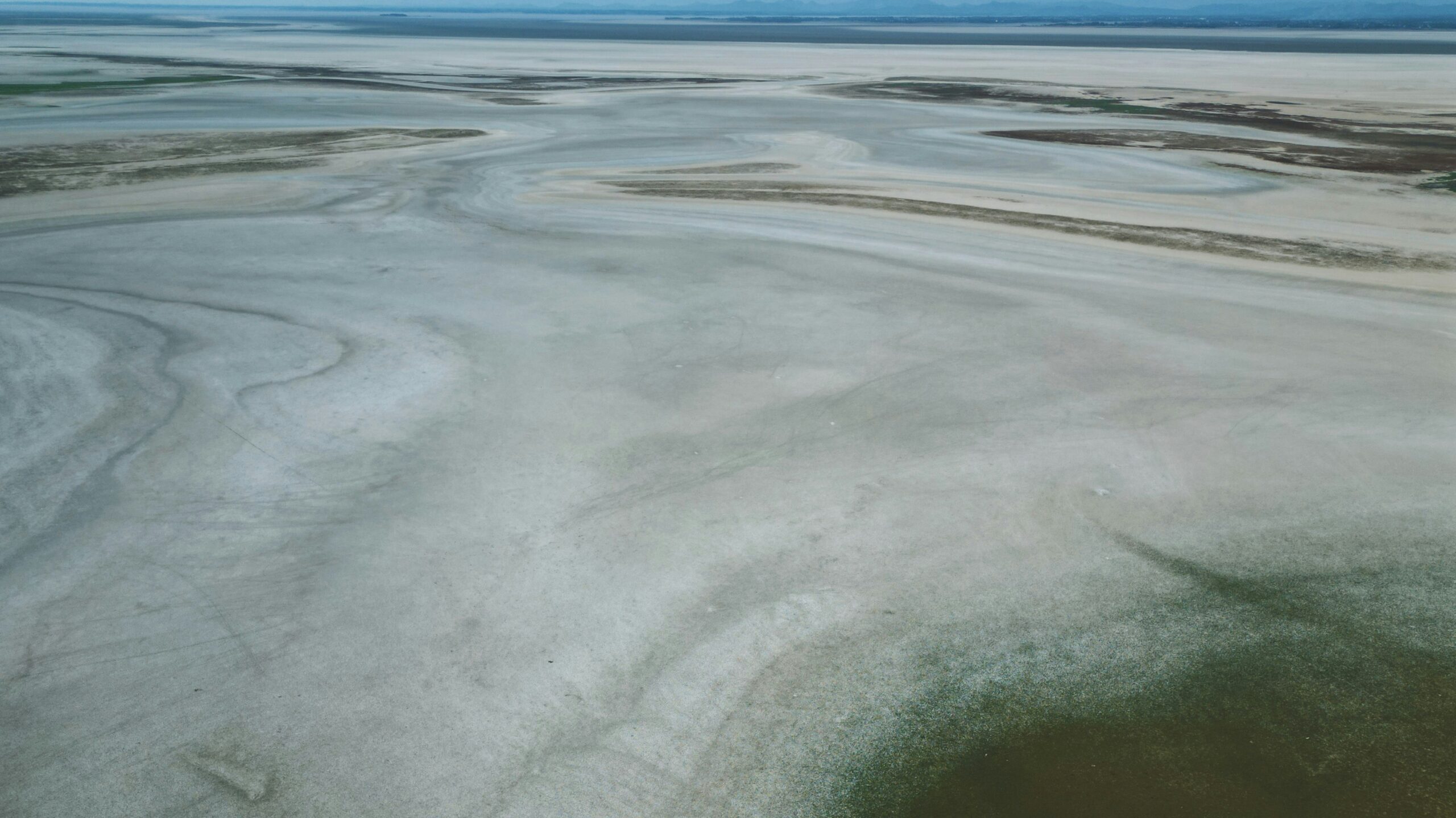
The Earth’s history is punctuated by dramatic events, chapters of profound geological upheaval that reshaped continents and oceans. Among these, few are as captivating and consequential as the Messinian Salinity Crisis. This period, roughly 5.96 to 5.33 million years ago, witnessed the Mediterranean Sea undergo a radical transformation, evaporating almost entirely and leaving behind vast salt deposits. Uncovering the evidence for this staggering event has been a testament to decades of scientific inquiry, combining geological fieldwork, sophisticated dating techniques, and an understanding of complex tectonic and climatic processes. The story of how scientists pieced together this puzzle is a narrative of persistent exploration and innovative interpretation.
Long before the full scope of the Messinian Salinity Crisis was understood, geologists working in and around the Mediterranean began to notice anomalies. The presence of evaporite deposits, like salt and gypsum, in sedimentary layers that were clearly formed in a marine environment was a persistent enigma. These minerals typically form in restricted basins where evaporation significantly exceeds freshwater input, leading to the concentration and precipitation of dissolved salts. However, the Mediterranean, at this time, was thought to be a relatively open ocean, making the scale of these deposits puzzling.
Early Discoveries and Interpretations
- Gypsum and Salt Beds: The most direct evidence came from outcrops of thick gypsum and halite (rock salt) layers. These were found in coastal regions and even inland mountainous areas around the Mediterranean, indicating a widespread marine depositional environment that later became hypersaline. Early geologists, while recognizing the mineralogical significance, struggled to explain their origin on such a grand scale.
- Fossil Evidence: The fossil record also offered clues. Marine fossils typical of open ocean conditions were found interspersed with or overlying these evaporite layers. This suggested that the Mediterranean was indeed a marine basin, but at some point, the conditions changed dramatically to favor salt formation. Conversely, fossil assemblages from shallower, more restricted environments also began to appear in temporal proximity to the evaporite deposits.
- The Strait of Gibraltar Mystery: The only natural gateway for the Mediterranean to connect with the Atlantic Ocean is the Strait of Gibraltar. Early theories about the Salinity Crisis often revolved around the idea of this gateway being restricted or blocked. However, the exact nature and timing of any such blockage remained unclear for a long time.
The Messinian Salinity Crisis, a significant geological event that occurred around 5.96 to 5.33 million years ago, has been the subject of extensive research due to its profound impact on marine and terrestrial ecosystems. For those interested in understanding the broader implications of geological events on Earth’s history, a related article discusses the strategic importance of the moon and its influence on various Earth processes. You can read more about this fascinating connection in the article found here: The Strategic Importance of the Moon.
Subsurface Investigations: Drilling into the Deep Past
While surface outcrops provided crucial initial evidence, the true extent and thickness of the Messinian evaporite deposits were revealed through extensive subsurface explorations, primarily through offshore drilling operations. These expeditions provided a three-dimensional view of the geological history buried beneath the seafloor, offering irrefutable proof of a desiccated Mediterranean.
The Role of Ocean Drilling Programs
- Deep Sea Drilling Project (DSDP) and Ocean Drilling Program (ODP): International scientific drilling projects, most notably the DSDP and its successor, the ODP (now the International Ocean Discovery Program – IODP), were instrumental in uncovering the Messinian Salinity Crisis. These programs involved drilling deep into the seafloor of the Mediterranean Sea, retrieving long cores of sediment and rock.
- **Un

When the Mediterranean Became a Desert | The Messinian Salinity Crisis Explained

FAQs
What is the Messinian Salinity Crisis?
The Messinian Salinity Crisis was a period of geological time approximately 5.96 to 5.33 million years ago during the late Miocene epoch. It was characterized by a significant drop in the Mediterranean Sea’s water levels and an increase in salinity.
What evidence supports the occurrence of the Messinian Salinity Crisis?
Evidence for the Messinian Salinity Crisis includes the presence of evaporite deposits, such as salt, gypsum, and anhydrite, which formed as a result of the Mediterranean Sea drying up. Fossil evidence also indicates a shift in marine life during this time.
How did the Messinian Salinity Crisis impact the environment?
The Messinian Salinity Crisis had a profound impact on the environment, leading to the isolation of marine species and the formation of unique ecosystems in the Mediterranean basin. The crisis also influenced global climate patterns and ocean circulation.
What caused the Messinian Salinity Crisis?
The exact cause of the Messinian Salinity Crisis is still debated among scientists, but it is believed to be related to tectonic and climatic factors. The closure of the Strait of Gibraltar and changes in global sea levels are thought to have played a significant role.
How does the Messinian Salinity Crisis relate to modern-day geology and climate studies?
Studying the Messinian Salinity Crisis provides valuable insights into past geological and climatic events, which can help scientists better understand and predict future changes in Earth’s environment. It also offers a unique perspective on the long-term impacts of sea level fluctuations.