Earth, a planet teeming with life and sculpted by forces unseen, holds within its crust and mantle an astonishing tapestry of geological enigmas. These mysteries, spanning vast timescales and unimaginable forces, beckon geologists to unravel the planet’s profound history and future. From the very formation of continents to the drivers of volcanic eruptions, Earth continues to pose questions that push the boundaries of scientific understanding. This exploration delves into some of these profound geological riddles, offering glimpses into the ongoing quest to comprehend our dynamic home.
The very existence of continents, these massive landmasses that float upon the Earth’s mantle, is a testament to the sophisticated yet still partially understood process of plate tectonics. While the broad strokes of plate theory are well-established, the intricate details of how and why continents form, grow, and are eventually recycled remain subjects of intense research.
The Mechanics of Continental Drift
The foundational concept of plate tectonics explains the movement of Earth’s lithosphere, the rigid outer layer, in large pieces known as tectonic plates. These plates interact at their boundaries, leading to earthquakes, volcanic activity, and mountain building. However, the precise driving forces behind this seemingly slow-motion dance are still debated.
Mantle Convection: The Engine of Plate Movement?
The prevailing hypothesis suggests that convection currents within the Earth’s mantle are the primary engine. Hot, less dense material rises from the deep mantle, spreads laterally beneath the lithosphere, cools, and then sinks back down. This circulation is thought to drag the tectonic plates along with it. Yet, the exact geometry and efficiency of these convection cells, particularly the ones directly influencing plate motion, are not fully mapped. Scientists use seismic tomography, which analyzes earthquake wave propagation, to create 3D images of the mantle, attempting to visualize these colossal currents.
Slab Pull vs. Ridge Push: Which Dominates?
Two other significant forces contributing to plate motion are “slab pull” and “ridge push.” Slab pull arises from the gravitational pull of dense, cold oceanic lithosphere sinking into the mantle at subduction zones. Ridge push, on the other hand, is a force generated by the elevated hot mid-ocean ridges, where new oceanic crust is created, causing it to slide away from the ridge. The relative contribution of these forces—whether slab pull is the dominant driver or if ridge push plays a more significant role—is a key area of ongoing investigation, with implications for understanding the speed and direction of plate movement.
The Orogeny of Mountains: More Than Just Folding Rocks
Mountain ranges are iconic features of Earth’s surface, sculpted by the immense forces of plate convergence. However, the intricate processes that build these colossal structures, from their initial uplift to their eventual erosion, are complex and involve a cascading series of geological events.
Continental Collisions and Crustal Thickening
The most dramatic mountain formation occurs when two continental plates collide. Since continental crust is relatively buoyant and resists subduction, the collision leads to intense compression, folding, and faulting of the crust. This results in significant crustal thickening, pushing the landmass upward. The Himalayas, formed by the collision of the Indian and Eurasian plates, are a prime example of this colossal process, yet the exact rheology (how the rock deforms) of the colliding crust and the duration of these immense forces are still being refined.
Volcanic Arcs: Birthplaces of Island Chains
When an oceanic plate subducts beneath another oceanic plate or a continental plate, the descending plate melts due to increased pressure and the presence of water. This molten rock, or magma, rises to the surface to form volcanoes. These volcanic chains, known as volcanic arcs, can form extensive island chains like Japan or coastal mountain ranges like the Andes. Understanding the precise conditions under which magma is generated, its ascent pathways, and the eruption dynamics that shape these volcanic landscapes is crucial for predicting volcanic hazards.
The Mystery of Continental Rifting and Supercontinent Cycles
Continents are not static entities; they have a history of breaking apart (rifting) and reassembling into supercontinents over geological time. The supercontinent cycle, a recurring pattern of continental amalgamation and dispersal, is a captivating puzzle that sheds light on Earth’s long-term evolution.
Pangaea and Beyond: Reconstructing Past Continents
The existence of supercontinents like Pangaea, which existed roughly 300 to 200 million years ago, is supported by a wealth of geological and fossil evidence. However, reconstructing the exact configuration of earlier supercontinents, such as Rodinia and Nuna, is a much more challenging task. Geologists use paleomagnetic data (the record of Earth’s magnetic field imprinted in rocks), fossil distribution, and the matching of geological terrains across different continents to piece together these ancient configurations. The precise timing and mechanisms of these rifting and amalgamation events, including the role of mantle plumes and deep Earth processes, are subjects of ongoing debate.
Geological mysteries often captivate scientists and enthusiasts alike, as they delve into the Earth’s hidden secrets and the processes that shape our planet. One intriguing aspect of this field is how geological formations can influence economic factors, such as manufacturing wages in different countries. For a deeper understanding of the economic implications of geological resources, you can read the article comparing manufacturing wages in Mexico and China at this link. This article explores how geographical and geological factors can impact labor costs and industrial growth in these two nations.
The Fiery Heart: Unraveling the Secrets of Volcanism
The Earth’s interior, a realm of intense heat and pressure, manifests its power through volcanic eruptions. While we have a growing understanding of the immediate causes of volcanic activity, the deeper drivers and the predictability of these cataclysmic events continue to hold significant mysteries.
Mantle Plumes: Anomalous Upwellings of Heat
Mantle plumes are thought to be columns of unusually hot rock that rise from deep within the Earth’s mantle, potentially originating from the core-mantle boundary. When they reach the lithosphere, they can cause extensive volcanism, often independent of plate tectonic boundaries, as seen in the Hawaiian Islands or Yellowstone.
The Origin and Behavior of Plumes
The exact origin and trajectory of mantle plumes are still poorly understood. Are they stable structures that persist for millions of years, or are they more ephemeral? Seismic data provides some clues, but direct observation is impossible. Understanding the thermal structure and the composition of these plumes is crucial for predicting their volcanic potential and the longevity of hotspot volcanism.
The Yellowstone Supervolcano: A Case Study
The Yellowstone Caldera is a prime example of a supervolcano, capable of producing eruptions of immense magnitude. The scale of its potential eruption and the complex interplay of magma chambers, hydrothermal systems, and crustal dynamics make it a focal point of research. Geologists employ a range of techniques, including GPS monitoring, seismic surveys, and gas analysis, to understand the current state of the caldera and to assess its future activity.
Subduction Zone Volcanism: Melting the Oceanic Plate
As mentioned earlier, subduction zones are responsible for much of the Earth’s explosive volcanism. The process involves the sinking of oceanic lithosphere into the mantle, leading to melting and the generation of magma.
Hydration and Flux Melting
The presence of water plays a critical role in lowering the melting point of the mantle rocks above the subducting plate, a process known as flux melting. The amount of water carried by the subducting plate and how efficiently it is released into the mantle are key factors determining the volume and composition of the generated magma.
Magma Ascent and Eruption Dynamics
Once magma is generated, it must ascend through the overlying crust to reach the surface. This ascent is not always straightforward, and magma can stall, mix with other magmas, or interact with surrounding rocks. Understanding the complex plumbing systems within volcanoes and the factors that trigger eruptions—such as gas buildup, magma injection, or earthquakes—remains a significant challenge.
The Deep Earth: Unveiling the Unseen Interior
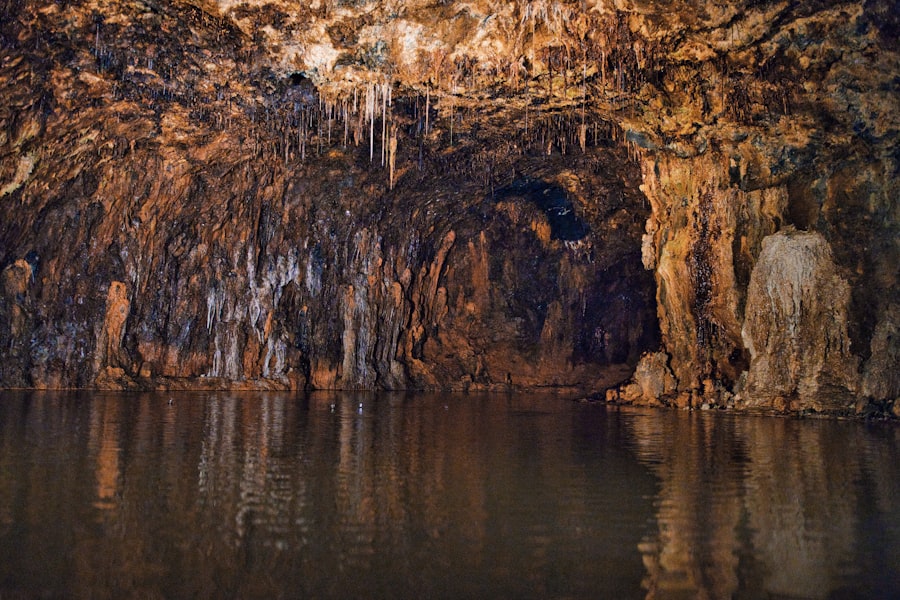
The vast majority of Earth’s mass resides in its interior, a realm inaccessible to direct observation. Yet, understanding the composition, structure, and dynamics of the mantle and core is fundamental to comprehending phenomena ranging from plate tectonics to the Earth’s magnetic field.
The Mantle: A Layer of Slow-Moving Rock
The mantle, the thickest layer of the Earth, is composed primarily of silicate rocks. While it is considered solid, over geological timescales, it behaves like a very viscous fluid, allowing for convection.
Mineral Physics and High-Pressure Experiments
Scientists use mineral physics to study the behavior of minerals under the extreme pressures and temperatures found in the Earth’s interior. These studies, often conducted in laboratories using diamond anvil cells or shock compression techniques, help geologists infer the composition and physical properties of the mantle.
Seismic Discontinuities: Boundaries in the Mantle
Seismic waves traveling through the Earth reveal abrupt changes in velocity at certain depths, known as seismic discontinuities. The 410-kilometer and 660-kilometer discontinuities are thought to mark phase transitions in olivine, a major mantle mineral, as pressure and temperature increase. Understanding these and other discontinuities provides crucial information about the mantle’s layered structure and the chemical reactions occurring within it.
The Core: The Earth’s Inner Forge
The Earth’s core consists of a solid inner core and a liquid outer core, both primarily composed of iron and nickel. The motion of the liquid outer core is responsible for generating Earth’s magnetic field.
The Geodynamo: Generating Earth’s Magnetic Field
The geodynamo theory posits that the convective motion of the electrically conducting liquid iron in the outer core, coupled with the Earth’s rotation, generates electric currents that in turn create the planet’s magnetic field. However, the precise mechanisms, including the role of light elements dissolved in the core and the interplay between the inner and outer core, are still subjects of active research.
Inner Core Formation and Evolution
The solidification of the inner core from the liquid outer core is a fundamental process in Earth’s history. Understanding the rate of inner core growth and the thermal properties of the inner core is crucial for understanding the long-term evolution of Earth’s magnetic field and its internal heat budget.
Earth’s Surface Evolution: Cycles of Destruction and Renewal
The Earth’s surface is a dynamic canvas, constantly being reshaped by tectonic forces, weathering, erosion, and the relentless march of time. Understanding these processes is key to deciphering Earth’s past and predicting its future.
Biogeochemical Cycles: The Interplay of Life and Geology
Life on Earth has profoundly influenced geological processes, and vice versa. The cycling of elements like carbon, nitrogen, and oxygen, driven by both biological and geological activity, plays a crucial role in regulating Earth’s climate and shaping its surface over millions of years.
The Carbon Cycle: From Rocks to Atmosphere
The carbon cycle, involving the exchange of carbon between Earth’s atmosphere, oceans, land, and living organisms, is a prime example of this interplay. Volcanic outgassing releases carbon dioxide into the atmosphere, while weathering of silicate rocks removes it. The burial of organic matter in sediments and the formation of carbonate rocks also play significant roles. Understanding the interplay of these geological and biological processes is vital for comprehending past climate changes and for predicting future ones.
The Rock Cycle: A Continuous Transformation
The rock cycle describes the continuous process of rocks being transformed from one type to another through geological processes. Igneous rocks form from molten magma, sedimentary rocks form from the accumulation and cementation of sediments, and metamorphic rocks form from existing rocks subjected to heat and pressure. The rates at which these transformations occur and the pathways involved are complex and vary geographically and temporally.
Sea Level Change: More Than Just Melting Ice
Global sea level fluctuates over geological timescales due to a variety of factors, including the melting and formation of ice sheets, changes in seafloor spreading rates, and isostatic adjustments of the crust.
Glacial-Interglacial Cycles and Eustatic Sea Level
The Earth has experienced numerous glacial-interglacial cycles, periods of significant ice accumulation and melting. During glacial periods, vast amounts of water are locked up in ice sheets, leading to lower sea levels (eustatic sea level). During interglacial periods, melting ice causes sea levels to rise. Understanding the precise mechanisms and timing of these cycles, and their impact on continental coastlines, is crucial for predicting future sea level rise.
Isostasy: The Buoyancy of the Crust
Isostasy refers to the gravitational equilibrium between the Earth’s crust and mantle. As ice sheets melt or large mountains erode, the underlying lithosphere slowly rebounds, causing landmasses to rise or sink. This process, known as isostatic adjustment, can significantly influence local sea levels even when global sea level remains relatively stable.
Geological mysteries often captivate scientists and enthusiasts alike, as they unravel the secrets of our planet’s past. One intriguing aspect of this field is how human activities, such as nearshoring, can influence geological formations and ecosystems. For a deeper understanding of the economic implications of nearshoring, you can explore this insightful article on the impact of nearshoring on American jobs. This connection highlights the interplay between human decisions and geological processes, revealing how our actions can shape the Earth in unexpected ways. To read more, visit this article.
Paleoclimatology: Reading Earth’s Past Climate Record
| Geological Mysteries | Details |
|---|---|
| 1. Bermuda Triangle | Area in the western part of the North Atlantic Ocean where ships and airplanes have disappeared under mysterious circumstances. |
| 2. The Great Blue Hole | A large underwater sinkhole off the coast of Belize that has puzzled scientists with its formation and depth. |
| 3. The Devil’s Kettle | A waterfall in Minnesota where half of the water disappears into a hole with unknown destination. |
| 4. The Moeraki Boulders | Large spherical boulders found on Koekohe Beach in New Zealand, their origin and formation remain a mystery. |
The study of past climates, known as paleoclimatology, provides invaluable insights into Earth’s climate system and its sensitivity to various forcings, such as variations in solar radiation, volcanic activity, and atmospheric composition.
Proxy Records: Unlocking Past Climates
Since direct measurements of past climates are unavailable, scientists rely on proxy records—natural archives that preserve evidence of past environmental conditions. These include ice cores, which contain trapped air bubbles and isotopic compositions that reveal atmospheric composition and temperature; ocean sediment cores, which preserve fossilized marine organisms whose shells reflect ocean temperature and chemistry; and tree rings, which record annual growth variations influenced by climate.
Ice Cores: A Frozen Chronicle
Ice cores, drilled from polar ice sheets, provide an exceptionally detailed record of past atmospheric conditions, dating back hundreds of thousands of years. The composition of trapped air bubbles offers direct insights into past greenhouse gas concentrations, while the isotopic ratios of oxygen and hydrogen in the ice itself can be used to reconstruct past temperatures.
Ocean Sediments: A Deep-Sea Archive
Ocean sediment cores offer a continuous record of Earth’s history, extending back millions of years. The type of sediment, the presence of specific fossilized microorganisms (like foraminifera and diatoms), and their isotopic compositions can reveal information about past ocean temperatures, circulation patterns, and productivity.
Long-Term Climate Change: Drivers and Feedbacks
Understanding the drivers and feedbacks of long-term climate change is a central goal of paleoclimatology. This involves deciphering the role of orbital variations (Milankovitch cycles), volcanic eruptions that inject aerosols into the atmosphere, and the complex interactions between the atmosphere, oceans, and cryosphere.
Milankovitch Cycles: Orbital Influences on Climate
The Earth’s orbit around the Sun and its axial tilt undergo cyclical changes known as Milankovitch cycles. These variations influence the amount and distribution of solar radiation received by Earth, acting as a pacemaker for ice ages and interglacial periods. Understanding the precise timing and impact of these cycles is crucial for interpreting past climate dynamics.
Volcanic Eruptions and Climate Forcing
Large volcanic eruptions can inject vast quantities of ash and sulfur dioxide into the stratosphere, which can reflect solar radiation back into space, leading to temporary cooling. Paleoclimatologists study the geological record of past eruptions and the corresponding climate proxy data to quantify the impact of volcanism on global climate.
The ongoing quest to unravel Earth’s geological mysteries is a testament to human curiosity and the power of scientific inquiry. Each new discovery, while often revealing further complexity, brings us closer to a comprehensive understanding of our planet’s profound history, its dynamic present, and its uncertain future. The enigmas held within the Earth are not merely academic pursuits; they are fundamental to understanding the forces that shape our world and the challenges we face as inhabitants of this remarkable planet.

When the Mediterranean Became a Desert | The Messinian Salinity Crisis Explained
FAQs
What are geological mysteries?
Geological mysteries are unexplained phenomena or puzzling features in the Earth’s geology that have yet to be fully understood or explained by scientists.
What are some examples of geological mysteries?
Examples of geological mysteries include the formation of certain geological features such as the Giant’s Causeway in Northern Ireland, the origin of the Bermuda Triangle, and the sudden appearance of sinkholes.
Why are geological mysteries important?
Geological mysteries are important because they challenge our current understanding of the Earth’s processes and can lead to new discoveries and advancements in the field of geology. They also spark curiosity and drive scientific research.
How do scientists investigate geological mysteries?
Scientists investigate geological mysteries through various methods such as field observations, laboratory experiments, computer modeling, and analysis of geological data. They also collaborate with experts in different scientific disciplines to gain a better understanding of these phenomena.
What are some potential explanations for geological mysteries?
Potential explanations for geological mysteries include natural processes such as erosion, volcanic activity, tectonic movements, and meteorite impacts. In some cases, unconventional theories or hypotheses may also be considered in the search for answers.