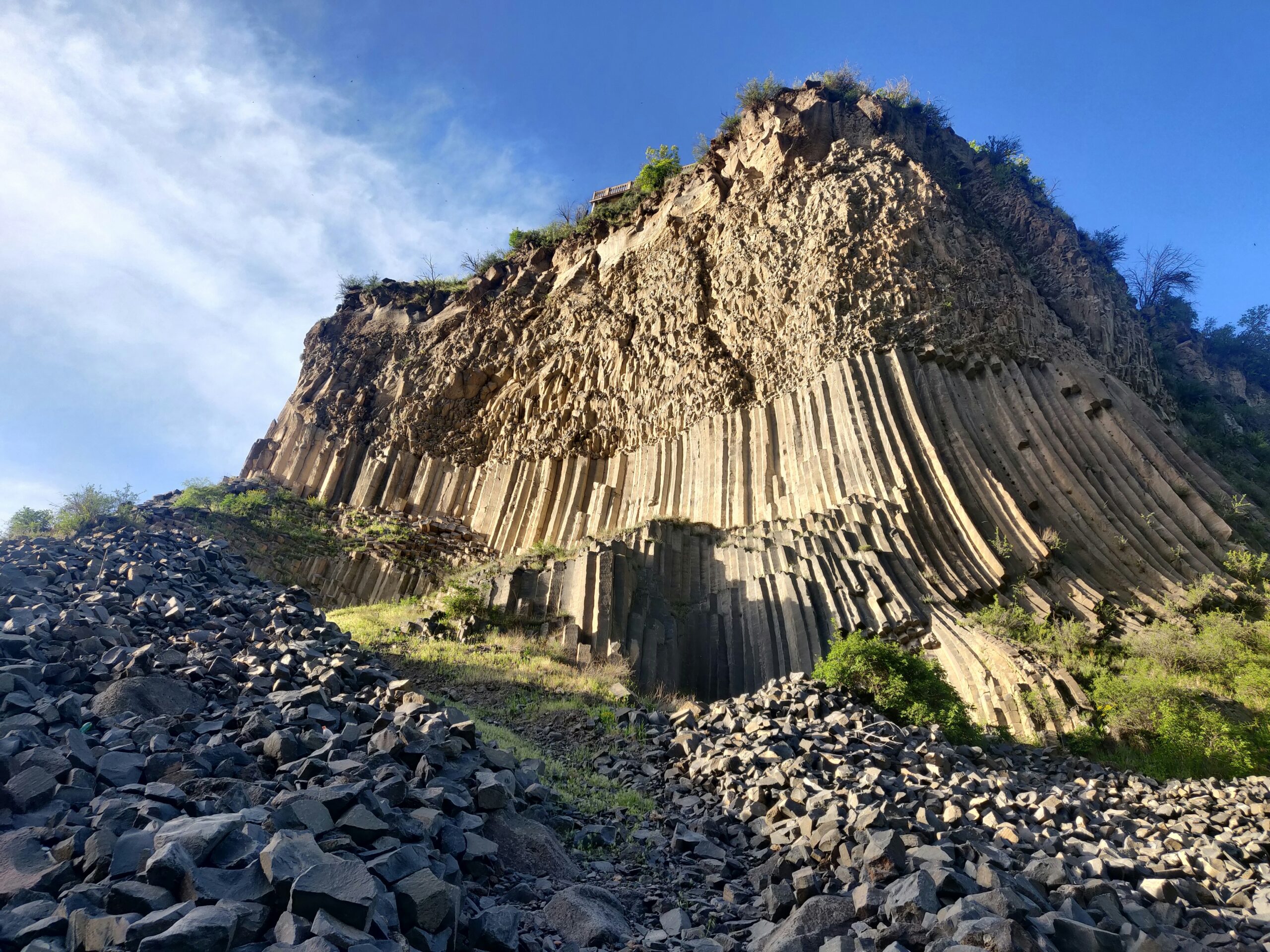
The Earth’s surface, a canvas of awe-inspiring beauty and raw power, is a testament to a tumultuous past. Over billions of years, our planet has been sculpted by a series of colossal events, each leaving an indelible mark on its geography, climate, and the very progression of life. From the fiery origins of continents to the immense forces that reshape landscapes, understanding these geological epochs is akin to deciphering an ancient, epic saga written in stone and fire. This article delves into some of Earth’s most significant geological events, unearthing the forces that have shaped our world and continue to influence it today.
The genesis of Earth, approximately 4.5 billion years ago, was a far cry from the stable planet we know. It was a molten crucible, a swirling ball of incandescent rock constantly bombarded by asteroids and comets. From this inferno, the first solid crust began to form, a fragile layer that would eventually give rise to the continents and oceans. This early period, known as the Hadean Eon, was characterized by extreme volcanism and the relentless delivery of water-bearing meteorites, which are believed to have seeded our nascent oceans.
The Accretion and Differentiation of Earth
The formation of Earth itself was a process of accretion, where dust and gas coalesced under gravity. As this proto-Earth grew, internal heat generated by radioactive decay and the kinetic energy of impacting debris caused the planet to melt. This molten state allowed for differentiation: denser materials, primarily iron and nickel, sank to form the core, while lighter silicate materials rose to form the mantle and crust. This fundamental layering is crucial for many of the planet’s subsequent geological processes, including plate tectonics.
The Hadean Bombardment and Early Atmosphere Formation
The Hadean Eon, aptly named after the Greek underworld, was a period of intense bombardment. The accretion of the planet wasn’t a singular event but a prolonged process. These impacts were not only destructive but also delivered volatile compounds, including water, which played a critical role in forming the early atmosphere and oceans. As the bombardment subsided, volcanic outgassing released gases like carbon dioxide, nitrogen, and water vapor, gradually building an atmosphere distinct from the early solar nebula. The absence of a significant oxygen component in this early atmosphere meant that life, if it existed, would have been anaerobic.
One of the most fascinating aspects of geological events is their impact on human history and culture, as highlighted in the article about Stonehenge’s acoustic properties. This ancient monument not only serves as a testament to prehistoric engineering but also offers insights into how geological formations can influence sound and communication. To explore this intriguing connection further, you can read the article here: Unraveling the Mystery of Stonehenge’s Acoustic Properties.
The Titans’ Dance: Plate Tectonics and Continental Drift
Perhaps the most profound geological process shaping Earth’s surface is plate tectonics. This theory, which revolutionized our understanding of geology in the mid-20th century, describes the movement and interaction of the Earth’s lithosphere – its rigid outer shell – which is broken into numerous plates. These plates float on the semi-fluid asthenosphere beneath them, driven by convection currents within the Earth’s mantle.
The Mechanism of Mantle Convection
The Earth’s mantle, a thick layer of hot, dense rock, is not static. Radioactive decay within the mantle generates heat, causing hotter, less dense material to rise and cooler, denser material to sink. This slow, continuous circulation, known as mantle convection, exerts forces on the overlying lithospheric plates, causing them to move at rates of a few centimeters per year. These movements, though imperceptible on human timescales, are responsible for continental drift, the formation of mountains, and the creation of ocean basins.
Divergent Boundaries: Rifting and the Birth of New Oceans
When tectonic plates move away from each other, a process called rifting occurs. This leads to the formation of rift valleys, where the crust thins and sinks. As rifting continues, magma from the mantle rises to fill the gap, creating new oceanic crust. This process is evident today in the Mid-Atlantic Ridge, a vast underwater mountain range where new seafloor is constantly being generated. The East African Rift Valley is a terrestrial example of this process, showing the initial stages of a continent being torn apart.
Convergent Boundaries: Collisions and Creation
When tectonic plates collide, the outcomes are varied and dramatic. If an oceanic plate converges with a continental plate, the denser oceanic plate is forced beneath the continental plate in a process called subduction. This leads to the formation of volcanic mountain ranges along the continental margin, such as the Andes. If two continental plates collide, neither can easily subduct, resulting in immense crustal thickening and the formation of towering mountain ranges like the Himalayas. The collision between the Indian and Eurasian plates, responsible for the Himalayas, is a paramount example of this cataclysmic geological event.
Transform Boundaries: Sideways Slippage and Earthquakes
At transform boundaries, tectonic plates slide horizontally past each other. While there is no creation or destruction of crust, these boundaries are characterized by significant friction. As stress builds up, it is eventually released in sudden bursts, causing earthquakes. The San Andreas Fault in California is a prime example of a transform boundary, where the Pacific Plate is grinding past the North American Plate.
The Fiery Heart: Volcanic Eruptions and Their Impact

Volcanic activity is a direct manifestation of Earth’s internal heat and the dynamic processes occurring beneath its surface. Eruptions, from gentle effusions of lava to explosive blasts of ash and gas, have profoundly shaped landscapes, influenced global climate, and even threatened life itself. The Hawaiian Islands, the formation of the Deccan Traps, and the Toba supervolcano are striking examples of the power of volcanism.
Shield Volcanoes and Flood Basalts
Volcanoes like those found in Hawaii are shield volcanoes, characterized by their broad, gently sloping profiles built up by repeated flows of low-viscosity basaltic lava. These eruptions are typically effusive, producing vast lava fields. In contrast, flood basalt provinces, such as the Deccan Traps in India or the Siberian Traps, represent periods of immense volcanic activity where enormous volumes of basaltic lava erupted over relatively short geological timescales. These events are linked to mantle plumes and can have significant, long-lasting impacts on global climate.
Stratovolcanoes and Explosive Eruptions
Stratovolcanoes, also known as composite volcanoes, are cone-shaped mountains built up by alternating layers of lava flows, volcanic ash, and cinders. They are often associated with subduction zones and are known for their explosive eruptions. When magma with a high silica content and dissolved gases is trapped beneath the surface, pressure can build to catastrophic levels, resulting in violent eruptions that can eject ash, pumice, and pyroclastic flows over vast distances. Mount Vesuvius, which famously buried Pompeii, and Mount St. Helens are examples of this type of volcano.
Supervolcanoes: The Ultimate Geological Cataclysm
The most extreme form of volcanic activity comes from supervolcanoes, which produce eruptions of an immense scale, ejecting more than 1,000 cubic kilometers of material. The Toba eruption in Indonesia, approximately 74,000 years ago, is a prime example. Such events can trigger “volcanic winters,” injecting vast amounts of ash and sulfur dioxide into the atmosphere, blocking sunlight, and causing a dramatic and prolonged global cooling. The ecological and evolutionary impact of such events has been immense, potentially leading to mass extinctions.
The Great Eras of Change: Mass Extinctions and Their Geological Triggers

Earth’s history is punctuated by periods of dramatic biodiversity loss, known as mass extinctions. While the exact causes of these events are often complex and debated, geological processes have undeniably played a significant role in triggering and exacerbating them. Understanding these extinction events provides critical insights into the interconnectedness between geology, climate, and the evolution of life.
The Permian-Triassic Extinction: The “Great Dying”
The Permian-Triassic extinction, also known as the “Great Dying,” occurring around 252 million years ago, was the most severe extinction event in Earth’s history, wiping out an estimated 96% of marine species and 70% of terrestrial vertebrate species. The leading hypothesis for this catastrophe points to massive volcanic activity in the Siberian Traps. This prolonged period of basaltic lava flows would have released enormous quantities of greenhouse gases, leading to extreme global warming, ocean acidification, and widespread anoxia (lack of oxygen) in the oceans, creating a perfect storm for extinction.
The Cretaceous-Paleogene Extinction: The Dinosaur Killer
The Cretaceous-Paleogene (K-Pg) extinction, which occurred approximately 66 million years ago, is famously known for marking the end of the non-avian dinosaurs. While the impact of an asteroid at Chicxulub in Mexico is the primary culprit, geological processes were likely exacerbated by the event. The impact itself would have triggered tsunamis, wildfires, and a period of darkness and cold. Furthermore, there was ongoing volcanic activity in the Deccan Traps around the same time, which may have contributed to environmental instability, making ecosystems more vulnerable to the asteroid impact’s devastating effects.
Impact Events and Their Geological Signatures
Beyond the K-Pg event, numerous smaller impact events have occurred throughout Earth’s history. These impacts create distinctive geological signatures, including shock metamorphism in rocks, the presence of impact ejecta blankets, and tektites – small, glassy fragments of melted rock. The study of these impact craters provides evidence of the constant bombardment our planet has faced and the potential for future catastrophic events.
The study of the greatest geological events reveals how Earth’s dynamic processes shape our planet and influence human history. For instance, understanding the implications of natural disasters can be crucial for safeguarding valuable resources. A related article discusses the importance of protecting your assets, especially in times of uncertainty, which can be found here. By examining both geological events and asset protection strategies, we can better appreciate the interconnectedness of our environment and economic stability.
Sculpting the Surface: Erosion, Deposition, and the Grand Canyon
| Event | Location | Year |
|---|---|---|
| Formation of the Himalayas | Asia | 50 million years ago |
| Formation of the Grand Canyon | North America | 5-6 million years ago |
| Formation of the Hawaiian Islands | Pacific Ocean | 0.5-1.5 million years ago |
| Formation of the Andes Mountains | South America | 25-30 million years ago |
While immense geological upheavals like volcanic eruptions and tectonic collisions are dramatic, the slow, persistent forces of erosion and deposition have also played a monumental role in shaping Earth’s surface. These processes, driven by wind, water, and ice, work continuously to wear down high areas and fill in low-lying regions, creating the diverse landscapes we see today. The Grand Canyon is an iconic testament to the power of water erosion over millions of years.
The Power of Water: Rivers and Oceans
Rivers are tireless sculptors of the land. Over millennia, they carve valleys, transport sediment, and deposit it elsewhere, forming deltas and floodplains. The Mississippi River, for example, has built a vast delta that extends far into the Gulf of Mexico. Similarly, ocean currents and waves relentlessly shape coastlines, creating cliffs, beaches, and wave-cut platforms. Coral reefs, built by tiny organisms in marine environments, are also significant geological formations, creating immense underwater structures that support vast ecosystems.
The Sculpting Hand of Ice: Glaciers and Ice Ages
Glaciers, massive rivers of ice, have a profound and often dramatic impact on the landscape. During ice ages, vast continental ice sheets can cover entire regions, scouring the underlying bedrock, carving out U-shaped valleys, fjords, and leaving behind moraines – ridges of debris deposited by the ice. The retreat of these glaciers leaves behind a landscape dramatically altered, with features like the Great Lakes of North America serving as remnants of glacial activity.
Wind as an Agent of Change: Deserts and Loess Deposits
In arid regions, wind becomes a significant erosional force, shaping sand dunes and carving rock formations through abrasion. The vast deserts of the world, with their ever-shifting sands, are a testament to wind’s ongoing work. Wind also plays a role in deposition, transporting fine-grained sediment called loess. Loess deposits, found in many parts of the world, can be hundreds of meters thick and are fertile soils, making them significant for agriculture.
In conclusion, Earth is a dynamic planet, perpetually in motion. From the cataclysmic birth of continents and the explosive fury of volcanoes to the slow, inexorable carving by erosion, these geological events have not only shaped the physical world but have also intricately influenced the course of life. By studying these grand narratives written in the rocks, we gain a deeper appreciation for the immense forces at play and the fragility and resilience of our planet. The ongoing study of Earth’s geological history continues to reveal new insights, reminding us that the ground beneath our feet is a living, evolving entity, a product of billions of years of extraordinary transformations.

When the Mediterranean Became a Desert | The Messinian Salinity Crisis Explained
FAQs
What are the greatest geological events in Earth’s history?
Some of the greatest geological events in Earth’s history include the formation of the Earth itself, the formation of the continents, the formation of the atmosphere, the occurrence of mass extinctions, and the movement of tectonic plates.
How do these geological events impact the Earth and its inhabitants?
These geological events have had a profound impact on the Earth and its inhabitants. They have shaped the landscape, influenced the climate, and played a role in the evolution and extinction of various species.
What are some examples of mass extinctions caused by geological events?
Some examples of mass extinctions caused by geological events include the Permian-Triassic extinction event, the Cretaceous-Paleogene extinction event (which led to the extinction of the dinosaurs), and the Triassic-Jurassic extinction event.
How do scientists study and understand these geological events?
Scientists study and understand these geological events through various methods, including analyzing rock formations, studying fossils, examining the composition of the Earth’s crust, and using advanced technologies such as satellite imagery and seismic monitoring.
What can we learn from studying the greatest geological events?
Studying the greatest geological events can provide valuable insights into the Earth’s history, the processes that have shaped the planet, and the potential impacts of future geological events. This knowledge can also help inform our understanding of climate change, natural disasters, and the long-term sustainability of the Earth.