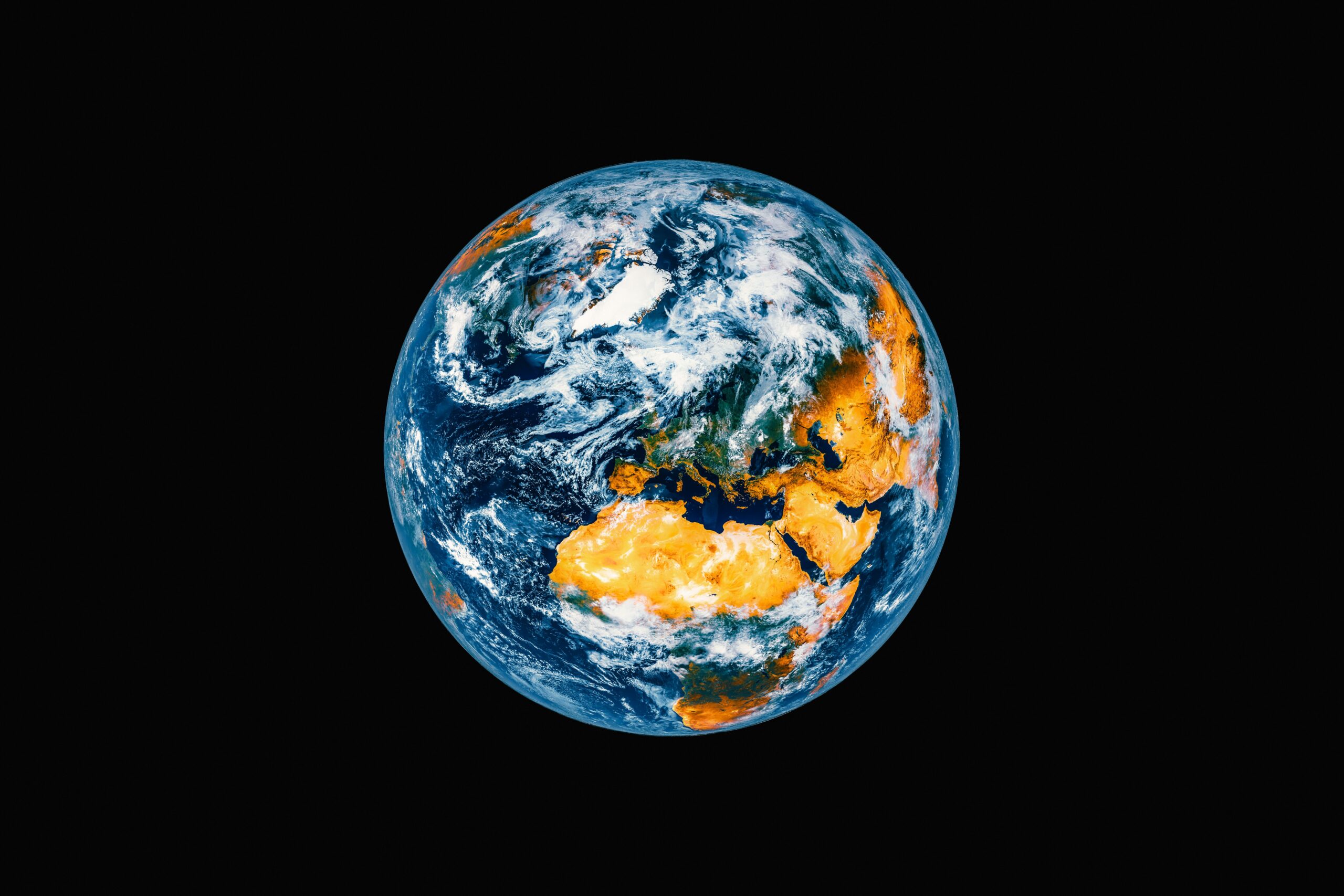
The flickering screen cast a pale glow onto an expectant audience, a hush falling as the opening credits of “Uncovering the Earth’s Secrets: Plate Tectonics” began to roll. This documentary promised an immersive journey to the very foundations of our planet, a visual exploration of the colossal forces that relentlessly shape the world beneath our feet. From the slow

When the Mediterranean Became a Desert | The Messinian Salinity Crisis Explained
FAQs

What is plate tectonics?
Plate tectonics is the scientific theory that Earth’s outer shell is divided into several large, rigid plates that move and interact with one another at the Earth’s surface.
How do plate tectonics cause earthquakes and volcanic activity?
Plate tectonics cause earthquakes and volcanic activity through the movement and interaction of the Earth’s tectonic plates. When these plates collide, separate, or slide past each other, it can create seismic activity and volcanic eruptions.
What evidence supports the theory of plate tectonics?
Evidence supporting the theory of plate tectonics includes the matching shapes of continents, the distribution of fossils and rock formations, and the patterns of earthquakes and volcanic activity along plate boundaries.
How does plate tectonics impact the Earth’s surface?
Plate tectonics impact the Earth’s surface by shaping the continents, creating mountain ranges, ocean basins, and causing geological events such as earthquakes and volcanic eruptions.
What are the implications of plate tectonics for human society?
The implications of plate tectonics for human society include the potential for natural disasters such as earthquakes and volcanic eruptions, as well as the formation of valuable natural resources such as oil and minerals. Understanding plate tectonics is also important for predicting and preparing for geological hazards.