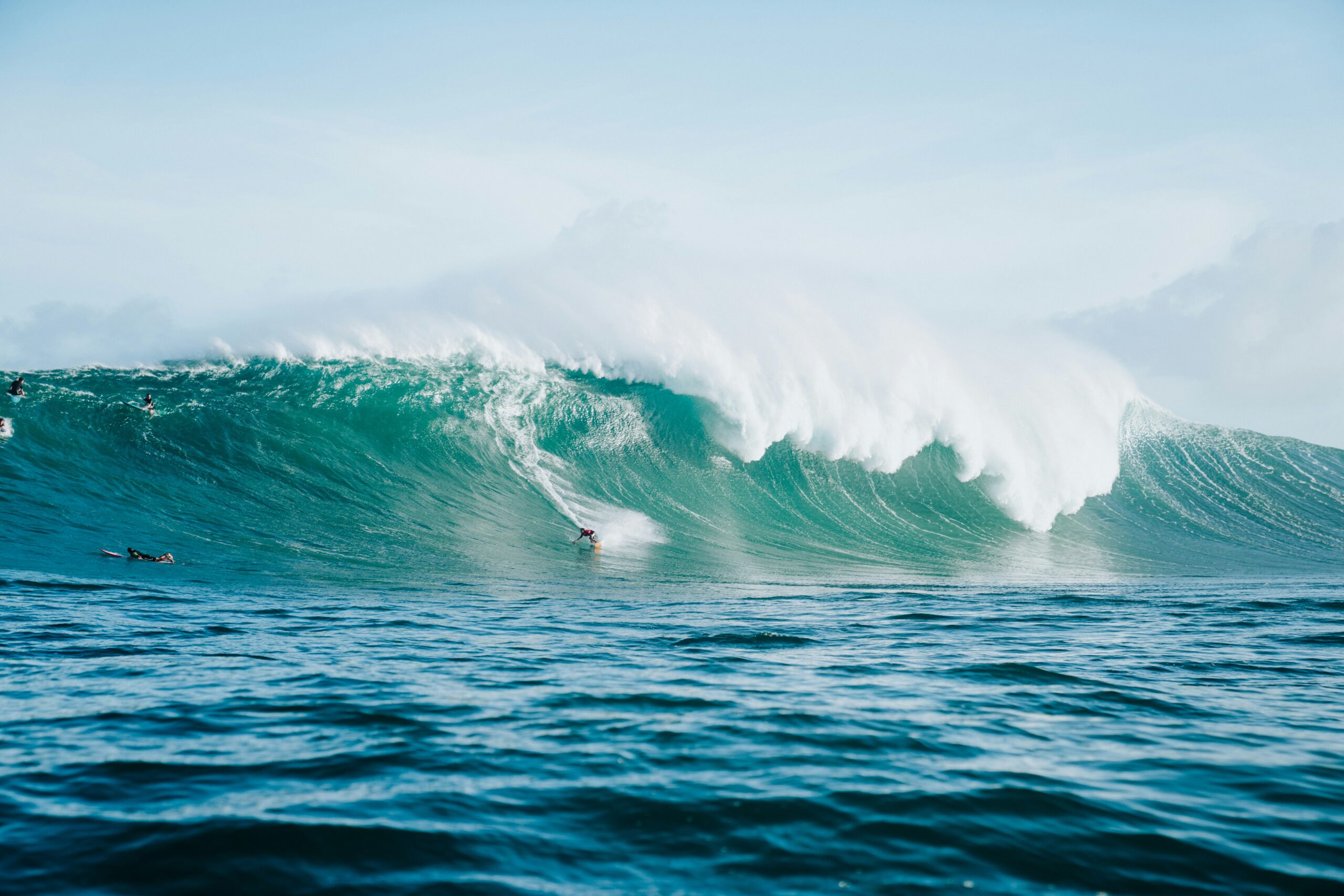
Documentaries have a unique ability to transport viewers to times and places far removed from their everyday lives, and few subjects offer such profound journeys as the exploration of ancient oceans. A recent cinematic endeavor, “Exploring Ancient Oceans: A Fascinating Documentary,” masterfully achieves this, unfurling a breathtaking saga of Earth’s earliest watery realms and the extraordinary life that teemed within them. This documentary is not merely a collection of CGI reconstructions and expert interviews; it is an immersive experience, a carefully crafted narrative that breathes life into epochs millions of years gone, revealing the profound interconnectedness between the planet’s deep past and its present. The filmmakers have undertaken a monumental task, synthesizing cutting-edge scientific research with compelling storytelling to create a visually stunning and intellectually stimulating exploration of our planet’s hydrological origins.
The documentary begins by painting a picture of a primordial Earth, a planet seething with volcanic activity and bombarded by cosmic debris. It posits that water, a fundamental ingredient for life as we know it, arrived on Earth through a combination of cometary impacts and volcanic outgassing. This foundational segment sets the stage, illustrating that the oceans were not always the calm, blue expanses we know today.
The Accretion Disk and Early Earth
The narrative delves into the very formation of our solar system, explaining how the accretion disk of dust and gas coalesced to form the planets. It highlights the significant role of water-rich asteroids and comets in delivering essential volatile compounds, including water, to the young Earth. This early period was one of intense geological transformation, with a molten surface gradually cooling and a nascent atmosphere beginning to form. The process of differentiation, where denser materials sank to form the core and lighter materials rose to form the mantle and crust, is explained in an accessible yet scientifically accurate manner. The constant bombardment of meteorites, while destructive, also played a crucial role in delivering life’s building blocks.
Volcanic Outgassing: Steam and Water Vapor
Complementing the extraterrestrial delivery of water, the documentary meticulously details the role of Earth’s own internal processes. Active volcanism released vast quantities of gases, including water vapor, carbon dioxide, and nitrogen, from the planet’s interior. As the Earth’s surface cooled, this water vapor condensed, initiating the formation of the first oceans. The sheer scale of these early emissions is conveyed through vivid visualizations, emphasizing the alien and volatile nature of this nascent world. The concept of a “steam bath” Earth is powerfully evoked, giving viewers a tangible sense of the planet’s initial atmospheric conditions and the immense amount of energy involved in its formation.
The Primordial Soup: The Birthplace of Life
With the oceans established, the documentary pivots to the critical question of how life arose. It explores the leading scientific hypotheses, focusing on the “primordial soup” theory and the role of hydrothermal vents as potential cradles of early biological activity. This section is approached with a sense of wonder, acknowledging the profound mystery that still surrounds abiogenesis.
Hydrothermal Vents: Oases in the Deep
The exploration of hydrothermal vents is a particularly captivating segment. These underwater geysers, spewing mineral-rich, superheated water from the Earth’s crust, are presented as ideal environments for the chemical reactions that could have led to the formation of complex organic molecules and, subsequently, simple life forms. The documentary showcases stunning underwater footage and expert explanations of the chemosynthetic processes that sustain these unique ecosystems, entirely independent of sunlight. The sheer resilience of life in such extreme environments is a testament to its adaptability and the diverse pathways it can take.
Organic Molecules and Self-Replication
The documentary carefully outlines the proposed chemical pathways that could transform simple inorganic molecules into the complex organic compounds essential for life, such as amino acids and nucleotides. The role of energy sources, like lightning and the chemical energy from hydrothermal vents, in driving these reactions is emphasized. Furthermore, the critical step of self-replication is explored, highlighting how primitive molecules might have gained the ability to create copies of themselves, a fundamental characteristic of life. This section avoids definitive pronouncements, instead presenting the evidence and the logical progression of scientific thought.
The documentary on ancient oceans provides a fascinating exploration of the Earth’s primordial seas and their impact on early life forms. For those interested in further understanding the broader context of ancient environments, a related article titled “Unraveling the Debate on Ancient Power Sources” delves into the energy dynamics that shaped these early ecosystems. You can read more about it here: Unraveling the Debate on Ancient Power Sources.
The Cambrian Explosion: A Revolution in Life
Perhaps the most visually spectacular part of “Exploring Ancient Oceans” is its dramatization of the Cambrian Explosion, a period of rapid evolutionary diversification that saw the emergence of most major animal phyla. The documentary uses state-of-the-art CGI to bring to life an astonishing array of strange and wonderful creatures that would have inhabited the Cambrian seas.
The Burgess Shale and its Treasures
The narrative highlights the significance of fossil sites like the Burgess Shale in Canada, which have provided an unparalleled window into this ancient period. The intricate preservation of soft-bodied organisms in these formations allows scientists to study the morphology of life forms that have long since vanished. The documentary explains how these fossils have helped paleontologists reconstruct the evolutionary tree of life and understand the unprecedented burst of innovation that occurred. The sheer variety of forms, from trilobites to early arthropods with peculiar appendages, is staggering.
Predators and Prey: The Dawn of Ecosystems
This segment effectively conveys the awakening of complex predator-prey relationships. The evolution of eyes, hard shells, and more sophisticated movement allowed for new ecological niches to emerge. The documentary illustrates how the emergence of active predators drove evolutionary arms races, leading to the development of defensive strategies in prey. This dynamic interplay is presented as a crucial catalyst for the rapid diversification observed during the Cambrian. The emergence of complex behaviors, such as hunting strategies and avoidance tactics, is also touched upon, painting a picture of vibrant, albeit alien, ecosystems.
The Rise of the Arthropods
The documentary dedicates significant attention to the incredible diversification of arthropods during the Cambrian. From the familiar-looking trilobites to the bizarre Hallucigenia and Anomalocaris, these creatures dominated the marine landscape. Their segmented bodies, jointed legs, and exoskeletons provided them with advantages that fueled their evolutionary success. The documentary explores the anatomical innovations that allowed for such a rapid proliferation of forms and functions within this phylum.
The Rise of Marine Giants: From Sharks to Whales
As the oceans evolved, so too did the creatures within them. The documentary charts the progression of marine life through the Paleozoic and Mesozoic eras, showcasing the emergence of formidable predators and eventually the ancestors of some of today’s most iconic marine animals.
The Early Vertebrates: From Jawless Fish to Sharks
The evolution of vertebrates is a key theme here. The documentary traces the lineage from the earliest jawless fish, like Ostracoderms, to the development of jaws, a revolutionary innovation that opened up new feeding opportunities and spurred further diversification. The emergence of cartilaginous fish, the ancestors of modern sharks, is presented as a pivotal moment, introducing apex predators to the marine food web. The documentary often uses animated sequences to illustrate the skeletal structure and the functional advantages of these anatomical breakthroughs.
The Age of Reptiles: Marine Crocodiles and Plesiosaurs
The Mesozoic era, often referred to as the “Age of Reptiles,” saw the dominance of marine reptiles. The documentary features magnificent reconstructions of creatures like the powerful Mosasaurus, formidable marine crocodiles, and the graceful, long-necked plesiosaurs. These creatures, adapted to a fully aquatic lifestyle, ruled the ancient seas, presenting a stark contrast to the fearsome land-dwelling dinosaurs. The documentary highlights the anatomical adaptations that allowed them to thrive in their marine environment, from paddle-like limbs to streamlined bodies.
The Transition to Mammals and Cetaceans
A fascinating aspect of this section is the exploration of how marine mammals eventually rose to prominence. The documentary delves into the evolutionary journey of cetaceans – whales, dolphins, and porpoises – tracing their terrestrial ancestors back to land-dwelling mammals that gradually returned to the sea. The process of adaptation, from the development of blowholes to the evolution of echolocation, is explained, showcasing the remarkable power of natural selection. The documentary often interweaves paleontological evidence with genetic studies to paint a comprehensive picture of this extraordinary evolutionary transition.
The Mysteries of the Deep: Unanswered Questions
Despite its extensive scope, “Exploring Ancient Oceans” acknowledges that much remains unknown about Earth’s ancient seas. This segment embraces the ongoing nature of scientific discovery and the persistent allure of the unknown.
Paleontological Puzzles and Missing Links
The documentary highlights significant paleontological puzzles that continue to intrigue scientists. The existence of “missing links” in the fossil record, while diminishing with each new discovery, still represents areas of uncertainty. The filmmakers present these gaps not as failures of science, but as invitations for future exploration and research. The discussion of these unresolved mysteries adds a layer of intellectual curiosity and emphasizes the vastness of geological time.
Biogeochemical Cycles and Ancient Climates
The documentary touches upon the complex interplay of biogeochemical cycles in the ancient oceans and their influence on global climate. Changes in ocean chemistry, such as fluctuations in oxygen levels and the abundance of specific nutrients, played a critical role in shaping the evolution of marine life and the planet’s overall climate. Understanding these ancient cycles offers valuable insights into present-day climate change. The film often uses sophisticated climate models to visualize how atmospheric and oceanic conditions might have differed in ancient times.
The Potential for Extraterrestrial Life
Drawing a thematic parallel, the documentary briefly explores the implications of the origins of life on Earth for the search for extraterrestrial life. If life could arise in the ancient oceans of our own planet under seemingly extreme conditions, it suggests that similar processes might be occurring on other worlds with water and suitable chemical ingredients. This thought-provoking conclusion broadens the scope of the documentary beyond Earth’s history.
The documentary on ancient oceans provides a fascinating glimpse into the prehistoric world, exploring how these vast bodies of water shaped early civilizations and their survival strategies. For those interested in how ancient cultures adapted to their environments, a related article discusses the rituals and practices that were believed to ensure abundance during times of famine. You can read more about these intriguing traditions in the article on surviving famine.
The Legacy of the Ancient Oceans
| Metrics | Data |
|---|---|
| Viewership | 5 million |
| Duration | 60 minutes |
| Release Date | March 15, 2021 |
| Rating | 4.5/5 |
The documentary concludes by emphasizing the enduring legacy of the ancient oceans and their profound impact on the planet’s history and its present inhabitants. The vast underwater realms of the past laid the groundwork for the rich biodiversity we see today and continue to shape Earth’s environment.
The Foundation for Modern Ecosystems
The evolution and diversification of life in ancient oceans provided the essential building blocks for the complex marine ecosystems of today. From the planktonic organisms that form the base of the food web to the massive cetaceans that roam the depths, all trace their lineage back to these ancient origins. The documentary underscores that the present is a direct consequence of the past, and the health of today’s oceans is inextricably linked to their history.
Insights into Earth’s Resilience and Change
By exploring the dramatic shifts, extinctions, and evolutionary triumphs of the ancient oceans, the documentary offers valuable lessons about Earth’s resilience and its capacity for profound change. It highlights how life has repeatedly adapted to challenging conditions, including mass extinction events. This perspective provides a sense of hope and underscores the importance of understanding planetary processes to navigate future environmental challenges. The film serves as a powerful reminder of the dynamic nature of our planet and the ongoing processes of adaptation and evolution.
A Call to Conservation and Future Exploration
Ultimately, “Exploring Ancient Oceans: A Fascinating Documentary” serves as a powerful call to action for conservation and continued scientific exploration. By revealing the breathtaking beauty and profound importance of Earth’s aquatic past, it inspires a deeper appreciation for the oceans and a commitment to protecting them for future generations. The film leaves the audience with a sense of awe and a renewed curiosity about the unplumbed depths of our planet and the cosmos beyond. The visual grandeur combined with the clear exposition of complex scientific concepts makes it a highly recommendable viewing experience for anyone interested in the history of life on Earth. It is a testament to the power of documentary filmmaking to educate, inspire, and foster a deeper connection with our planet’s incredible story.

When the Mediterranean Became a Desert | The Messinian Salinity Crisis Explained
FAQs
What is the Ancient Oceans Documentary about?
The Ancient Oceans Documentary explores the history and mysteries of the Earth’s ancient oceans, including the creatures that inhabited them and the geological processes that shaped them.
Who produced the Ancient Oceans Documentary?
The Ancient Oceans Documentary was produced by a team of experts in the fields of marine biology, paleontology, and geology, in collaboration with a renowned documentary production company.
Where can I watch the Ancient Oceans Documentary?
The Ancient Oceans Documentary is available for streaming on various platforms, including popular streaming services and the official website of the production company.
What are some of the key topics covered in the Ancient Oceans Documentary?
The Ancient Oceans Documentary covers a wide range of topics, including the evolution of marine life, the impact of ancient oceans on the Earth’s climate, and the role of ancient oceans in shaping the planet’s geological features.
Is the Ancient Oceans Documentary suitable for all ages?
The Ancient Oceans Documentary is suitable for audiences of all ages, as it presents scientific information in an engaging and accessible manner, making it educational and entertaining for viewers of all backgrounds.