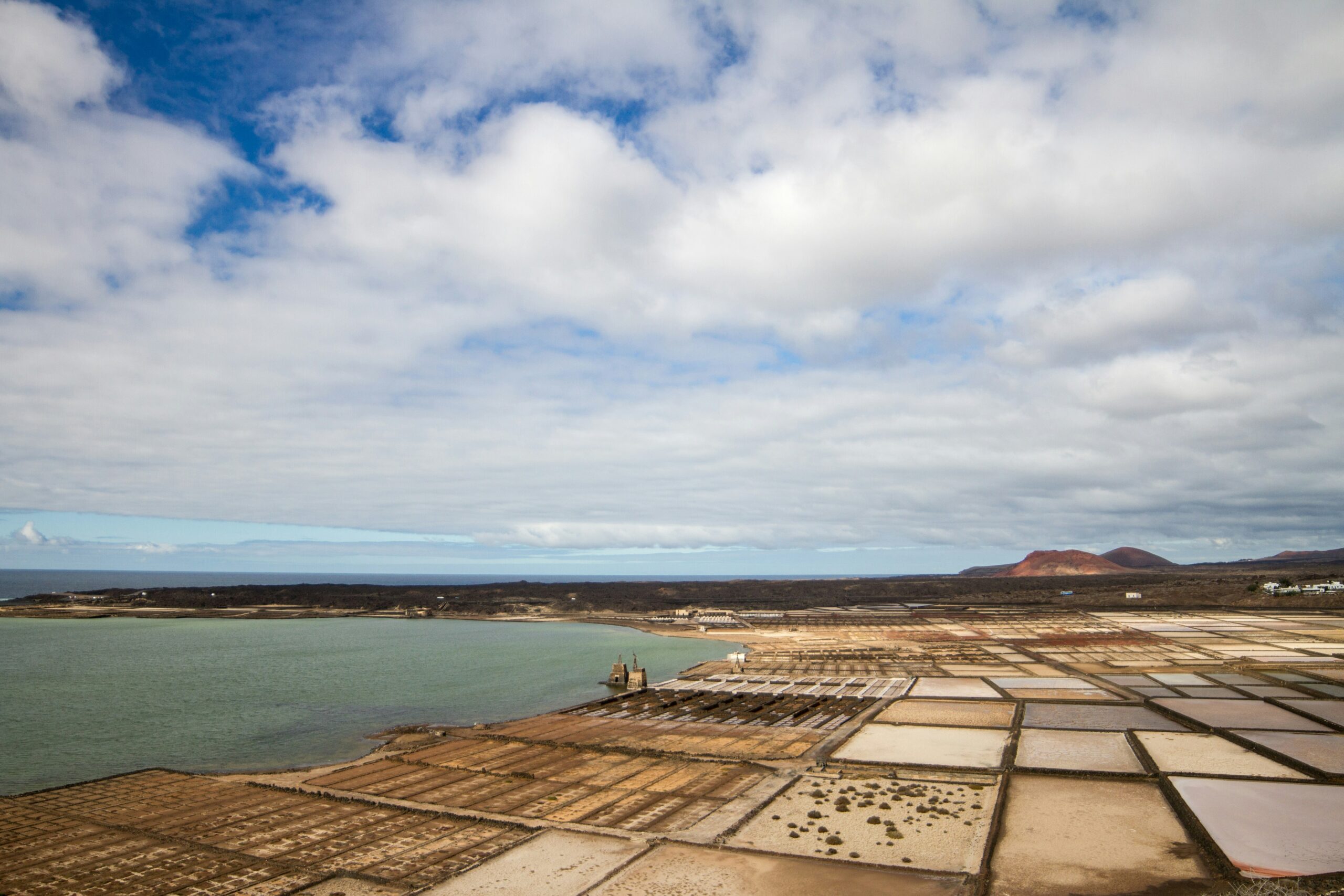
The vast, shimmering expanse of the ocean, covering over 70% of our planet’s surface, is a dynamic and fundamental component of Earth’s climate system. Its ceaseless motion and inherent processes drive global weather patterns, regulate temperature, and sustain life. Among these critical processes, ocean evaporation stands out as a cornerstone of the hydrological cycle, a silent yet powerful force that continuously transforms liquid water into atmospheric vapor. Understanding the science behind this transformation is not merely an academic pursuit; it is essential for comprehending everything from rainfall distribution and sea-level rise to the intricate balance of Earth’s energy budget. This article delves into the multifaceted science of ocean evaporation, exploring the underlying physical principles, the factors that influence its rate, and its profound impact on our planet.
Ocean evaporation is a process of phase change, where liquid water transitions into gaseous water vapor. This transition is not spontaneous but is driven by the input of energy, specifically heat energy. At a molecular level, water molecules within the ocean are in constant motion, vibrating and colliding. Some of these molecules, particularly those at the surface, possess sufficient kinetic energy to overcome the intermolecular forces holding them in a liquid state. When these high-energy molecules reach the surface and are exposed to the atmosphere, they can break free from the liquid and ascend into the air as vapor.
Sublimation vs. Evaporation: A Subtle Distinction
While often used interchangeably in a broader sense, it is important to distinguish between evaporation and sublimation. Evaporation specifically refers to the transition of water from a liquid state directly into a gaseous state. Sublimation, on the other hand, is the process where ice or snow transitions directly into water vapor, bypassing the liquid phase entirely. In the context of oceans, which are liquid bodies, our focus remains squarely on evaporation, though sea ice, where present, can contribute to sublimation.
The Role of Kinetic Energy and Temperature
The key driver of evaporation is the kinetic energy of water molecules. Temperature is a direct measure of the average kinetic energy of these molecules. Therefore, as the temperature of the ocean surface increases, the kinetic energy of the water molecules also increases. This leads to a greater proportion of molecules possessing the energy required to escape into the atmosphere, thus accelerating the rate of evaporation. Understanding this relationship is crucial for appreciating why tropical oceans, with their generally higher surface temperatures, exhibit higher evaporation rates than polar regions.
Latent Heat of Vaporization: The Energy Cost of Transformation
The process of evaporation is strongly linked to the concept of latent heat of vaporization. This refers to the amount of energy required to convert a unit mass of a substance from a liquid to a gas at a constant temperature and pressure. For water, this value is significant. As water molecules escape from the ocean surface and become water vapor, they absorb this latent heat from their surroundings. This absorption of heat causes the cooling effect observed during evaporation, explaining why sweating cools our bodies. In the ocean context, this continuous removal of heat energy plays a vital role in regulating ocean temperatures.
Ocean evaporation plays a crucial role in the Earth’s water cycle, influencing weather patterns and climate. For a deeper understanding of how water resources are managed beyond our oceans, you can read about NASA’s innovative plans to control the moon’s water ice in this related article: NASA to Control Moon’s Water Ice. This exploration highlights the importance of water in both terrestrial and extraterrestrial environments, showcasing the interconnectedness of our planet’s water systems.
Factors Influencing Ocean Evaporation Rates
While the fundamental principle of phase change driven by energy remains constant, the rate at which ocean evaporation occurs is influenced by a complex interplay of various environmental factors. These factors can either enhance or suppress the escape of water molecules from the ocean surface into the atmosphere.
Atmospheric Humidity: The Saturation Point
The amount of water vapor already present in the atmosphere, known as atmospheric humidity, is a critical factor influencing evaporation. The air above the ocean can only hold a certain amount of water vapor before it becomes saturated. Relative humidity is a measure of this saturation, expressed as a percentage. When relative humidity is high, the air is close to saturation, meaning it has less capacity to absorb more water vapor. Consequently, evaporation rates are slower. Conversely, dry air with low relative humidity readily absorbs water vapor, leading to higher evaporation rates.
Saturation Vapor Pressure: The Limit of Water Vapor in Air
A more precise way to consider the atmosphere’s capacity to hold water vapor is through the concept of saturation vapor pressure. This is the pressure exerted by water vapor when the air is saturated with it at a given temperature. If the partial pressure of water vapor in the air is below the saturation vapor pressure, evaporation will occur. As the difference between the actual vapor pressure and the saturation vapor pressure increases (i.e., the air becomes drier), the driving force for evaporation also increases.
Wind Speed: The Air Exchange Mechanism
Wind plays a pivotal role in enhancing ocean evaporation by removing moist air from the ocean surface and replacing it with drier air. Imagine a still, humid day over the ocean. A layer of moist air will accumulate directly above the water surface, increasing local humidity and slowing down evaporation. When wind picks up, it sweeps this humid air away and brings in fresher, drier air from elsewhere. This continuous exchange of air creates a steeper gradient in water vapor concentration between the ocean surface and the atmosphere, effectively increasing the diffusion rate of water vapor into the air and thus accelerating evaporation.
Turbulent Diffusion: The Aerodynamic Influence
Wind-driven turbulence is crucial to this process. It increases the rate at which water vapor molecules are mixed and transported away from the surface. This turbulent diffusion is more efficient than molecular diffusion alone, which relies on the random motion of individual molecules. Therefore, stronger winds generally lead to higher evaporation rates, especially in the presence of a vapor pressure deficit.
Solar Radiation: The Primary Energy Source
Solar radiation is the ultimate source of energy that drives ocean evaporation. Sunlight, with its various wavelengths, heats the ocean surface, providing the kinetic energy necessary for water molecules to transition into vapor. The intensity and duration of solar radiation directly impact the rate of evaporation. During sunny days and in tropical regions where solar insolation is high, evaporation rates tend to be elevated.
Shortwave and Longwave Radiation: Different Forms of Energy
Solar radiation comprises both shortwave radiation (visible light and ultraviolet) and longwave radiation (infrared). Shortwave radiation is absorbed by the ocean surface, directly increasing its temperature and thus the kinetic energy of water molecules. Longwave radiation, emitted by the Earth and the atmosphere, also contributes to heating and evaporation. Understanding the balance of incoming and outgoing radiation is fundamental to energy budget calculations that include evaporation.
Sea Surface Temperature (SST): The Measure of Surface Heat
As discussed earlier, sea surface temperature (SST) is a direct indicator of the kinetic energy of water molecules at the ocean surface. Higher SST means more energetic molecules, and therefore a greater propensity for evaporation. SST varies geographically, with warmer waters found in equatorial and tropical regions and cooler waters towards the poles. Seasonal variations in solar radiation and ocean currents also influence SST and, consequently, evaporation rates.
Salinity: A Minor But Present Influence
The salt content of ocean water, known as salinity, has a minor but measurable effect on evaporation rates. Dissolved salts, like sodium chloride, reduce the vapor pressure of water. This means that for a given temperature, saltwater will exert less vapor pressure than pure freshwater. Consequently, saline water evaporates at a slightly slower rate than freshwater, all other factors being equal. While the average ocean salinity is around 35 parts per thousand, variations in salinity can lead to subtle differences in evaporation rates across different ocean basins.
Osmotic Pressure: The Molecular Impact of Dissolved Solutes
The reduced vapor pressure in saline water is related to the osmotic pressure exerted by the dissolved salt ions. These ions interact with water molecules, effectively hindering their ability to escape the liquid phase. While this effect is not as dominant as temperature or wind speed, it is a consideration in precise hydrological and climate modeling.
The Hydrological Cycle: Evaporation’s Central Role

Ocean evaporation is a crucial link in the global hydrological cycle, the continuous movement of water on, above, and below the surface of the Earth. This cycle is powered by solar energy and gravity, and evaporation is the primary mechanism by which water returns from the Earth’s surface to the atmosphere.
From Ocean to Atmosphere: The Upward Journey
The vast majority of water vapor in the atmosphere originates from the oceans through evaporation. As water vapor rises, it cools and eventually condenses into clouds. These cloud droplets or ice crystals can then grow and fall back to Earth as precipitation (rain, snow, sleet, or hail).
Precipitation and its Return to the Ocean: Completing the Loop
Once precipitation falls, it can follow several paths. Some will fall directly back into the oceans, continuing the cycle. Other precipitation will fall on land, where it can infiltrate the ground to become groundwater, flow over the surface as runoff to rivers and eventually the ocean, or be taken up by plants and eventually released back into the atmosphere through transpiration (a closely related process to evaporation, often termed evapotranspiration when combined). This continuous movement and transformation of water between its liquid, solid, and gaseous states is fundamental to life on Earth.
Evapotranspiration: The Combined Effect
While we are focusing on ocean evaporation, it is worth noting the closely related process of evapotranspiration. This term refers to the combined process of evaporation from surfaces (like soil, lakes, and oceans) and transpiration from plants. On land, evapotranspiration is a significant pathway for water to return to the atmosphere. Understanding the relative contributions of ocean evaporation and land-based evapotranspiration is vital for comprehensive hydrological modeling.
Measuring and Modeling Ocean Evaporation
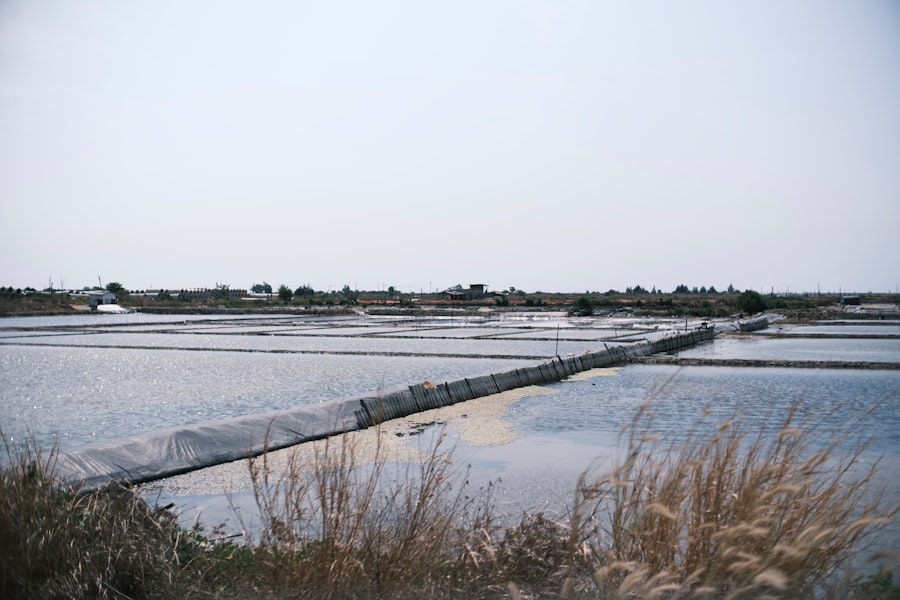
Accurately quantifying ocean evaporation is a significant challenge for scientists. The sheer scale of the oceans, combined with the dynamic and fluctuating nature of the influencing factors, makes direct, continuous measurement impossible. Therefore, scientists rely on a combination of indirect measurement techniques and sophisticated mathematical models.
Direct Measurement Techniques: Limited but Insightful
Direct measurement of evaporation is often conducted over smaller bodies of water or in controlled laboratory settings. Methods include using evaporation pans, which are standardized containers filled with water, and measuring the rate of water loss. However, these measurements are influenced by factors like the pan’s material and exposure, and they do not perfectly replicate the complex conditions of the open ocean.
Eddy Covariance: A More Sophisticated Approach
A more advanced technique for measuring fluxes, including evaporation, is the eddy covariance method. This method uses instruments mounted on towers or buoys to measure the vertical wind speed and the concentration of water vapor at high frequencies. By correlating these measurements, scientists can estimate the net flux of water vapor (and thus evaporation) out of the surface. While more representative of natural conditions, eddy covariance still has its limitations in terms of scale and continuous deployment over vast ocean areas.
Indirect Measurement and Estimation: The Role of Models
The most widespread approach to estimating ocean evaporation involves indirect methods that utilize available observations and apply scientific principles. These methods often rely on the relationship between evaporation and factors like sea surface temperature, air temperature, humidity, and wind speed.
Bulk Aerodynamic Formulae: The Foundation of Estimation
A cornerstone of evaporation estimation is the use of bulk aerodynamic formulae. These are mathematical equations derived from principles of fluid dynamics and heat transfer. They express evaporation rate as a function of the difference in water vapor pressure between the sea surface and the air, and the wind speed. Different versions of these formulae exist, each with slightly different formulations and empirical coefficients derived from observational data.
Satellite Observations: A Global Perspective
Space-based observations from satellites have revolutionized our ability to estimate ocean evaporation on a global scale. Satellites equipped with sensors can measure various parameters relevant to evaporation, including:
- Sea Surface Temperature (SST): Measured by infrared and microwave radiometers.
- Atmospheric Humidity: Inferrred from microwave sounding units and other instruments.
- Wind Speed and Direction: Determined from scatterometers that measure the roughness of the ocean surface.
- Cloud Cover: Observed by various imagers.
By combining these satellite-derived data with bulk aerodynamic formulae, scientists can produce daily or monthly maps of ocean evaporation covering entire ocean basins.
Climate Models: Projecting Future Evaporation
Sophisticated climate models play a crucial role in understanding the past, present, and future of ocean evaporation. These models are complex computer simulations that represent the Earth’s climate system, including the oceans, atmosphere, land surface, and ice. They incorporate physical laws and empirical relationships to simulate the interactions between these components.
Parameterization: Bridging Scales in Models
A key aspect of climate modeling is parameterization, where processes that occur at scales too small to be explicitly resolved by the model (like individual cloud formation or turbulent eddies) are represented by simplified relationships based on larger-scale variables. Accurate parameterization of evaporation is critical for the model’s ability to realistically simulate global climate patterns and predict how ocean evaporation might change in response to global warming. These models are used to project how changes in temperature, sea ice extent, and atmospheric circulation might influence evaporation rates in the future.
Ocean evaporation plays a crucial role in the Earth’s water cycle, influencing weather patterns and climate. For a deeper understanding of how various factors can alter our perception of geographical features, you might find it interesting to explore the article on why world maps change. This piece delves into the common reasons behind shifts in map representations, which can be linked to changes in environmental conditions, including those driven by oceanic processes. You can read more about it here.
The Impact of Ocean Evaporation on Climate and Weather
| Evaporation Factor | Explanation |
|---|---|
| Temperature | Higher temperatures lead to increased evaporation rates. |
| Humidity | Lower humidity levels result in higher evaporation rates. |
| Wind Speed | Higher wind speeds enhance evaporation by removing water vapor from the surface. |
| Surface Area | Larger surface areas result in higher evaporation rates. |
The continuous process of ocean evaporation has profound and far-reaching impacts on Earth’s climate system and daily weather patterns. It is not just a passive part of the water cycle; it actively shapes our planet’s environment.
Global Heat Regulation: A Cooling Influence
As water evaporates from the ocean surface, it absorbs a significant amount of heat energy (the latent heat of vaporization). This absorbed heat is transported into the atmosphere as water vapor. This process acts as a crucial cooling mechanism for the oceans, preventing them from overheating. Without this continuous energy loss through evaporation, ocean temperatures would be significantly higher, with cascading effects on marine life and global weather.
Driving Atmospheric Circulation: The Engine of Weather
The release of latent heat when water vapor condenses into clouds is a major source of energy that drives atmospheric circulation. The formation of large-scale weather systems, such as tropical cyclones and monsoons, is intrinsically linked to the energy released through condensation, which is fueled by prior evaporation from the ocean surface. The Hadley, Ferrel, and Polar cells, which represent the major patterns of atmospheric circulation, are also influenced by the distribution of evaporation and precipitation.
Precipitation Distribution: The Source of Rainfall
Ocean evaporation is the primary source of atmospheric moisture that eventually falls as precipitation back onto land and sea. The patterns of ocean evaporation, influenced by factors like ocean currents and sea surface temperatures, directly influence where and how much rainfall occurs across the globe. Regions with high evaporation rates often experience higher rainfall, supporting diverse ecosystems and human populations. Conversely, areas with limited oceanic influence or experiencing prolonged drought may see reduced precipitation.
Sea Level Rise: A Consequence of Warming
While evaporation itself does not directly cause sea level rise, it is intricately linked to the factors that do. Global warming, driven by increased greenhouse gas concentrations, leads to higher ocean temperatures. This increased temperature fuels higher evaporation rates in some regions. More significantly, global warming causes the thermal expansion of seawater as it warms and the melting of glaciers and ice sheets, both of which contribute directly to rising sea levels. Evaporation plays a role in the energy balance that ultimately drives these warming processes.
The Water Vapor Feedback Loop: Amplifying Warming
Water vapor is a potent greenhouse gas, meaning it absorbs and re-emits infrared radiation, trapping heat in the atmosphere. As the Earth warms due to the increase in other greenhouse gases like carbon dioxide, the atmosphere can hold more water vapor. This increased water vapor then traps more heat, leading to further warming – a phenomenon known as the water vapor feedback loop. Ocean evaporation is the primary source of this atmospheric water vapor, making this feedback loop a critical amplifier of global warming.
The Future of Ocean Evaporation: A Changing Climate
As the Earth’s climate continues to change, driven primarily by anthropogenic greenhouse gas emissions, the patterns and rates of ocean evaporation are expected to undergo significant transformations. Understanding these potential changes is crucial for predicting future climate scenarios, assessing impacts, and developing adaptation strategies.
Intensification of the Water Cycle: More Extremes
Scientific projections suggest that the water cycle is likely to intensify in a warming world. This means that regions that are already wet may become wetter, and regions that are already dry may become drier, leading to more extreme precipitation events and prolonged droughts. Higher ocean temperatures will likely drive increased evaporation in many areas, fueling more intense rainfall events in others.
Regional Variations: Uneven Impacts
The impact of climate change on ocean evaporation will not be uniform across the globe. Higher latitudes, for instance, may experience increased evaporation as sea ice retreats and ocean temperatures rise. Equatorial regions, already experiencing high evaporation, could see further intensification. Conversely, some areas might experience shifts in wind patterns or atmospheric circulation that could lead to localized decreases in evaporation.
Implications for Ecosystems and Human Society
Changes in ocean evaporation will have profound implications for marine ecosystems, weather patterns, and human societies. Altered rainfall patterns can affect agricultural productivity, water availability, and the risk of natural disasters like floods and droughts. Shifts in ocean temperatures and salinity, influenced by evaporation and precipitation, can impact marine biodiversity and fisheries. Understanding these complex interactions is essential for adapting to a changing planet.
In conclusion, ocean evaporation is a fundamental and dynamic process that underpins the Earth’s climate system. It is driven by the continuous transfer of energy, influenced by a myriad of atmospheric and oceanic factors. Its role in the hydrological cycle, its impact on global heat regulation, and its contribution to weather patterns are undeniable. As our planet warms, the science of ocean evaporation becomes even more critical. Understanding its current behavior and predicting its future trajectory is paramount for navigating the challenges and opportunities of a changing climate. The silent work of water molecules rising from the ocean’s surface plays a far more significant role in shaping our world than we might often realize.

When the Mediterranean Became a Desert | The Messinian Salinity Crisis Explained
FAQs
What is ocean evaporation?
Ocean evaporation is the process by which water from the surface of the ocean is converted into water vapor and released into the atmosphere. This occurs due to the sun’s energy heating the surface of the ocean, causing the water molecules to gain enough energy to escape into the air.
How does ocean evaporation contribute to the water cycle?
Ocean evaporation is a key component of the water cycle. When water evaporates from the ocean, it forms clouds in the atmosphere. These clouds eventually release the water as precipitation, which can fall back into the ocean or onto land. This precipitation then replenishes the water in rivers, lakes, and other bodies of water, completing the water cycle.
What factors influence the rate of ocean evaporation?
The rate of ocean evaporation is influenced by several factors, including temperature, humidity, wind speed, and the surface area of the ocean. Warmer temperatures and lower humidity levels generally lead to higher rates of evaporation, while higher wind speeds can increase the rate at which water vapor is carried away from the ocean surface.
How does ocean evaporation impact the climate?
Ocean evaporation plays a significant role in regulating the Earth’s climate. The water vapor released into the atmosphere through evaporation contributes to the greenhouse effect, which helps to trap heat and maintain the Earth’s temperature. Additionally, the movement of water vapor in the atmosphere influences weather patterns and can lead to the formation of storms and precipitation.
What are the implications of changes in ocean evaporation due to climate change?
Climate change can impact ocean evaporation in various ways. Rising global temperatures can lead to increased evaporation rates, which may contribute to changes in precipitation patterns and the frequency and intensity of extreme weather events. Additionally, changes in ocean evaporation can affect the distribution of freshwater resources and have implications for ecosystems and agriculture.