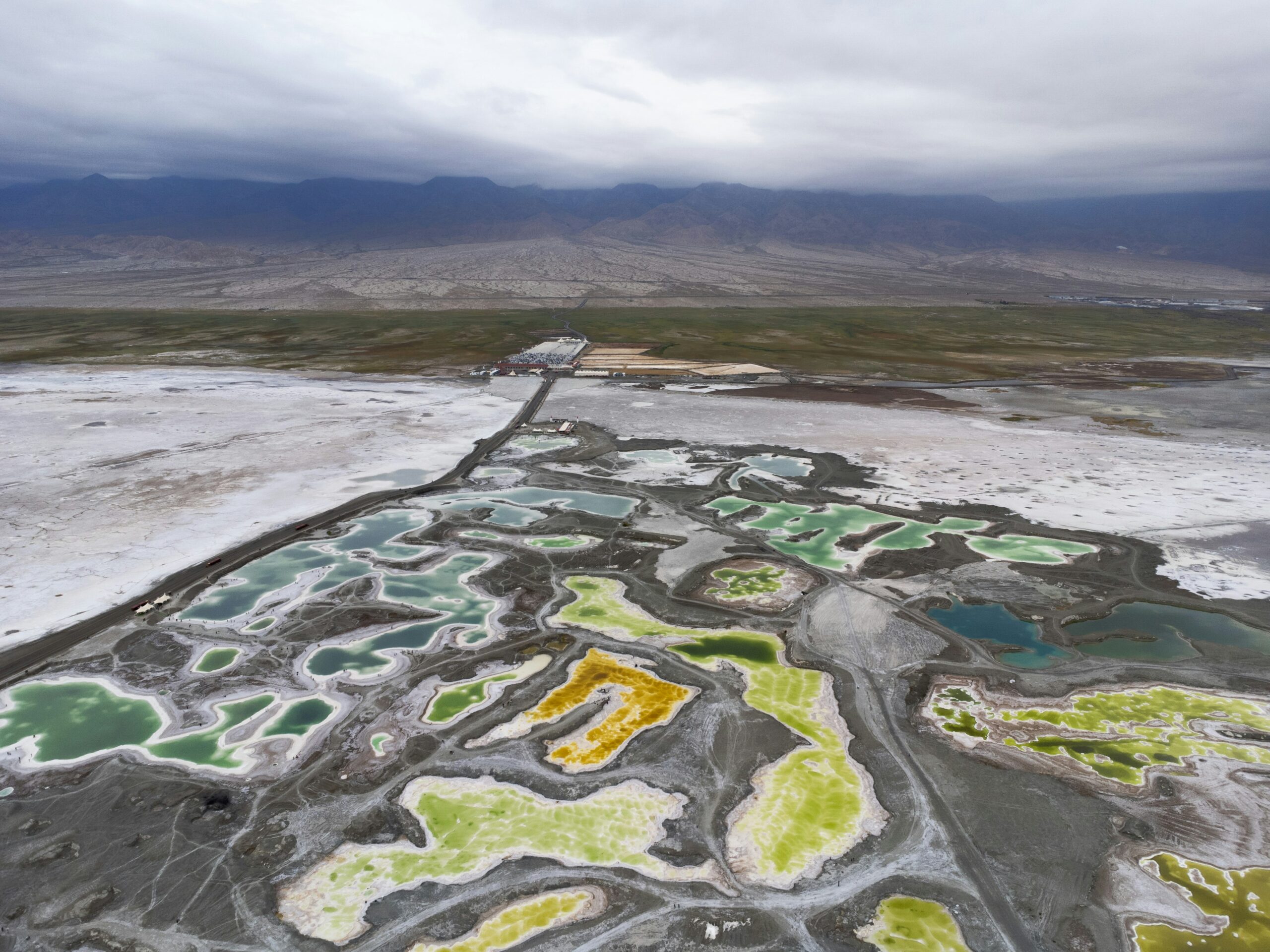
The vast, gleaming expanses of salt flats whisper tales of ancient oceans, geological upheavals, and the relentless forces of nature. These starkly beautiful landscapes, often perceived as barren and desolate, are in fact dynamic ecosystems and geological playgrounds, each holding a unique story etched in salt crystals and mineral deposits. Unveiling the geological wonders of salt flats reveals a captivating interplay of water, rock, and time, offering profound insights into the Earth’s past and present.
The formation of salt flats is intrinsically linked to the history of our planet’s oceans and the complex dance of tectonic plates. Understanding their origin requires a journey back millions of years, to a time when the Earth’s surface was dramatically different.
Tectonic Activity and the Birth of Sedimentary Basins
The initial stirrings for salt flat formation often begin with continental drift and the creation of inland basins. As tectonic plates converge or shift, landmasses can buckle and fracture, forming depressions that trap water. These basins, once formed, become the cradles for nascent saline environments. Imagine vast continental plates colliding, not in the dramatic cataclysm of mountain building, but in a more subtle, insidious rifting. This process of extensional tectonics, where the Earth’s crust stretches and thins, can create large, subsiding areas known as grabens or rift valleys. These depressions act as natural receptacles, perfect for collecting water.
The Arrival of Water: Rivers and Precipitation as Architects
Once the basins are established, the crucial ingredient – water – begins to accumulate. Rivers, fed by distant mountain ranges or regional rainfall, flow into these low-lying areas, carrying dissolved minerals and salts leached from the surrounding rocks. Equally important is precipitation. In regions with significant rainfall, the basins fill. However, the true magic of salt flat formation often occurs in arid and semi-arid climates. Here, the evaporation rate significantly outstrips the inflow of water, leading to a concentration of dissolved solids. The water that flows in is a complex cocktail of dissolved ions – sodium, chloride, sulfate, magnesium, calcium, and potassium – all the remnants of weathered rocks from the vast continental drainage basins that feed into these inland seas.
The Evaporative Engine: Concentrating the Saline Legacy
In arid and semi-arid environments, the sun becomes a powerful geological agent. Intense heat drives evaporation, causing the water to dissipate into the atmosphere. As the water leaves, it leaves behind the dissolved salts. Imagine a vast, shallow bathtub being slowly heated by the sun. The water level drops, but the dissolved minerals remain, becoming more concentrated with each passing day. This continuous cycle of water inflow and evaporation acts as a natural distillation process, progressively increasing the salinity of the remaining water. Over millennia, this process can lead to supersaturation, where the water can no longer hold all the dissolved salts in solution.
The Role of Isostatic Adjustment and Sea Level Fluctuations
Beyond direct tectonic creation, geological processes like isostatic adjustment and fluctuating sea levels also play a role. As massive ice sheets melt, the Earth’s crust, relieved of their immense weight, begins to rebound. This subtle uplift can expose ancient seabeds or alter drainage patterns, potentially creating or modifying basins suitable for salt accumulation. Similarly, past fluctuations in global sea levels could have isolated large marine embayments, which then, under arid conditions, transformed into vast salt pans. The lingering memory of these ancient seas is often preserved in the stratified layers of salt deposits that characterize many modern salt flats. The geological record is not always a story of constant creation; it also involves the slow, inevitable ebb and flow of ancient oceans.
Salt flats, also known as salt pans or salt deserts, are fascinating geological formations that result from the evaporation of water in arid environments, leaving behind a crust of salt and other minerals. These unique landscapes not only provide insights into the Earth’s geological history but also serve as indicators of climate change and environmental shifts. For a deeper understanding of how historical climate patterns can inform our current challenges, you can explore the article on climate change lessons at Learning from History: Climate Change Lessons.
Crystallization and Deposition: The Artistry of Salt Formation
As the saline waters become increasingly concentrated, the dissolved salts begin to precipitate out of solution, forming the characteristic crystalline structures that define salt flats. This process is a testament to the precise chemistry of water and dissolved minerals.
Supersaturation and Nucleation: The Seeds of Crystals
When the concentration of dissolved salts in the water exceeds the saturation point, the solution becomes supersaturated. At this critical juncture, the first microscopic crystalline nuclei begin to form. These tiny seeds are often initiated by impurities within the water, or by slight temperature fluctuations. Think of making rock candy: when the sugar solution is sufficiently concentrated, the slightest disturbance can trigger the formation of sugar crystals. In salt flats, this nucleation is the crucial first step in transforming dissolved ions into solid, visible salt.
Evaporite Minerals: A Diverse Palette of Salts
The specific types of salts that precipitate depend on the original mineral composition of the inflowing water and the prevailing environmental conditions. Sodium chloride (common table salt) is often the dominant mineral, but other evaporite minerals are common. Magnesium sulfate (Epsom salt), calcium carbonate (limestone and chalk), potassium chloride, and various sulfates and borates can all be found, often forming distinct layers or intricate crystalline patterns. The unique chemical fingerprint of the source rocks and the specific conditions of evaporation will dictate the mineralogical composition of the salt flat. For example, areas with volcanic activity nearby might yield different mineral assemblages than those dominated by riverine input from sedimentary rock formations.
Crystal Growth and Morphology: From Grainy Sands to Delicate Spires
Once initiated, crystals grow by the continuous addition of ions from the supersaturated solution onto the existing nucleus. The rate of growth and the resulting crystal shape (morphology) are influenced by factors such as temperature, the presence of impurities, and the rate of evaporation. Under slow evaporation, large, well-formed crystals can develop. Rapid evaporation can lead to smaller, polycrystalline grains. In some instances, unique shapes like hopper crystals (pyramidal structures with hollow centers), needle-like crystals, or even delicate sulfate stalagmites can form, adding to the visual spectacle of the salt flat. The intricate beauty of halite crystals, often exhibiting cubic forms, is a direct manifestation of their underlying crystal lattice.
Layering and Stratification: A Chronicle of Evaporative Episodes
Over long periods, as the water level fluctuates and evaporation rates change, successive layers of precipitated salts accumulate. This layering creates a geological record, a stratigraphy of evaporative episodes. By examining these layers, geologists can reconstruct past climatic conditions, infer past water levels, and understand the long-term history of the basin. Each distinct layer represents a period of deposition, with variations in thickness, crystal size, and mineral composition reflecting subtle changes in the environment. These laminated structures are sometimes referred to as varves, a term borrowed from glacial sediments, but in this context, they record the cycles of arid and semi-arid conditions.
Surface Features: Sculptures of Salt and Wind

The flat, expansive surfaces of salt flats, while seemingly uniform, are often adorned with a variety of fascinating geological features, sculpted by the interplay of salt recrystallization, hydrological processes, and aeolian (wind) action.
Salt Polygons: Hexagonal Harbingers of Desiccation
One of the most iconic surface features of salt flats is the formation of salt polygons. As the surface salt layer dries and contracts, it cracks, typically forming polygonal patterns resembling a cracked mudflat. These polygons are a direct visual indicator of repeated wetting and drying cycles. The development of these polygons is a thermomechanical process. As the brine near the surface evaporates, salts precipitate, creating a crust. When this crust dries, it shrinks. The tensile forces generated by this shrinkage cause it to crack. The cracks tend to propagate from points of weakness, and in a relatively uniform material, this often results in hexagonal shapes due to the efficient distribution of stress.
Salt Phenocrysts and Salt-Related Erosional Forms
Larger, more prominent salt crystals, known as phenocrysts, can emerge from the surface, adding texture and dimension. Moreover, the differential dissolution and reprecipitation of salt can lead to intricate erosional forms. Wind, carrying abrasive salt particles, can further sculpt these features, creating miniature arches, hoodoos, and other delicate formations. The ephemeral nature of these features is remarkable; they can be formed and reformed with each cycle of rain and evaporation. This constant reshaping by the elements makes each visit to a salt flat a unique experience.
Hydrological Indicators: From Mudcracks to Mud Mounds
The presence of water, even in ephemeral forms, leaves its mark. Mudcracks, similar to those found on salt polygons but often finer and deeper, indicate periods when the underlying sediments became saturated and then dried. In some salt flats, especially those with underlying organic matter, gas can be generated, leading to the formation of mud mounds or pustules where the gas has forced its way to the surface and trapped sediment. These features are subtle but significant indicators of the dynamic hydrological regime.
Salt Taffy and Salt Pillars: Artistic Expressions of Evaporation
In exceptionally dry conditions, a process sometimes referred to as “salt taffy” can occur, where salt crystals liquefy and flow like viscous taffy, creating sinuous patterns. More dramatically, in areas with differential evaporation and salt deposition, wind erosion can carve away softer surrounding material, leaving behind salt pillars or “mushrooms,” structures that resemble their namesakes, with a broader cap of salt resting on a narrower stem. These are elegant examples of how erosion can work with deposition to create striking geological forms.
Ecological Niches: Life in the Extreme

Despite their seemingly harsh conditions, salt flats are not devoid of life. These extreme environments have fostered specialized ecosystems where unique flora and fauna have adapted to survive salinities that would be lethal to most organisms.
Halophytes: Plants that Thrive on Salt
The plant life found on and around salt flats, known as halophytes, are remarkable examples of adaptation. These plants have evolved specialized mechanisms to tolerate high salt concentrations. Some excrete excess salt through glands on their leaves, while others store it in specialized vacuoles within their cells, effectively diluting its impact. Common examples include saltbush, glasswort, and various species of chenopods. The distribution of these plants is often a direct indicator of salinity gradients within the salt flat environment. Where salinity is highest, plant life may be sparse or absent, but as one moves towards the periphery, or to areas with more freshwater influence, the density and diversity of halophytes can increase.
Microscopic Life: The Unseen Architects
Beneath the shimmering surface, a vibrant world of microorganisms thrives. Algae, bacteria, and archaea, collectively known as extremophiles, form dense mats and biofilms. These microscopic organisms play a crucial role in the ecosystem, participating in nutrient cycling and contributing to the unique coloration of some salt flats. Cyanobacteria, for instance, can produce pigments that give the salt flats hues of red, green, or purple, depending on the species and light conditions. These microbial communities are often the primary producers in these harsh environments, forming the base of the food web.
Avian Sanctuaries: A Refuge for Migratory Birds
Many salt flats serve as vital stopover points for migratory birds. The shallow, saline waters, while perhaps unpalatable to many, can be rich in invertebrates and small fish that are a crucial food source for these weary travelers. The vast open spaces also provide essential roosting and nesting grounds. Birds like flamingos, stilts, and various waders are often seen foraging in these saline wetlands, their presence a testament to the ecological significance of these seemingly desolate landscapes. The food chains here are often simpler than in more conventional aquatic environments, but they are nonetheless robust and essential for supporting these migratory populations.
Invertebrate Colonizers: Adapting to Saline Waters
Various invertebrates have also adapted to life in these salty environments. Brine shrimp, brine flies, and certain species of beetles are common inhabitants. These creatures have evolved physiological mechanisms to osmoregulate, maintaining a balance of salt and water within their bodies. They often feed on the microbial mats or other small invertebrates, forming a critical link in the salt flat food web. The life cycles of these invertebrates are often tightly synchronized with the seasonal filling and drying of the salt pans, demonstrating a remarkable evolutionary dance with their environment.
The unique geology of salt flats plays a crucial role in various industries, including the burgeoning electric vehicle sector. As highlighted in a recent article, Mexico’s growing role in electric vehicle manufacturing is closely tied to the availability of lithium, a key component in batteries that is often extracted from salt flats. Understanding the geological processes that form these salt flats can provide insights into the resources they hold. For more information on this topic, you can read the article on Mexico’s electric vehicle industry.
Geothermal and Hydrothermal Influences: The Heat Beneath the Salt
| Aspect | Information |
|---|---|
| Formation | Formed by the evaporation of water in shallow basins, leaving behind a layer of salt and other minerals. |
| Composition | Primarily composed of sodium chloride (table salt) and other minerals such as gypsum and borax. |
| Thickness | Varies widely, from a few centimeters to several meters, depending on the location and geological history. |
| Formation | Can be formed in both arid and semi-arid environments, where evaporation rates exceed precipitation. |
| Geological Features | May contain unique geological features such as salt polygons, salt ridges, and salt pans. |
In certain geological settings, volcanic or geothermal activity influences the formation and characteristics of salt flats, adding another layer of wonder to these already extraordinary landscapes.
Subsurface Heat and Mineralization
Geothermal heat can play a significant role in salt flat formation, particularly in volcanically active regions. Subsurface heat can drive evaporation, accelerating the concentration of salts. Furthermore, hydrothermal fluids, rich in dissolved minerals, can ascend from the Earth’s interior, contributing unique chemical components to the saline waters. This can lead to the formation of unusual mineral deposits and distinctive salt textures not found in purely evaporative basins. The presence of dissolved gases from geothermal sources can also influence pH and facilitate the precipitation of specific minerals.
Hot Springs and Geysers: Liquid Fire on a Salt Canvas
In some salt flats, the presence of active hot springs and geysers adds a dramatic element. These hydrothermal features can create localized zones of intense heat and mineral deposition, forming colorful sinter terraces and bubbling mud pots. The interplay between the hot, mineral-rich waters and the surrounding saline environment can lead to unique geological formations and exceptionally hot, super-saline pools. These are often indicators of recent or ongoing volcanic activity, painting a vivid picture of the dynamic forces at play beneath the Earth’s surface.
Alteration of Salt Deposits: Transforming the Evaporites
Geothermal activity can also alter existing salt deposits. The heat can cause recrystallization, leading to larger, more complex crystal structures, or it can facilitate the dissolution and reprecipitation of minerals, creating intricate vein-like patterns within the salt crust. The chemical reactions driven by elevated temperatures can transform primary evaporite minerals into secondary mineral assemblages, adding further complexity to the geological record preserved in the salt flat. For instance, anhydrite might be transformed into gypsum under the influence of infiltrating meteoric water at elevated temperatures.
Sulfide Mineralization and Other Hydrothermal Signatures
The presence of hydrothermal fluids can also introduce evidence of sulfide mineralization. Minerals containing sulfur, iron, and other metals can precipitate from these fluids, creating localized concentrations of economically significant deposits. The observation of such mineral occurrences can provide clues about the subsurface geological processes and the potential for mineral resources within or around the salt flat. These hydrothermal signatures are critical for understanding the broader geological context of the salt flat, often linking it to deeper magmatic or tectonic systems.
Salt Flats as Geological Laboratories: Insights into Earth’s Processes
Salt flats are far more than just scenic vistas; they are invaluable natural laboratories, offering scientists crucial insights into a wide range of geological and environmental processes that are difficult to study elsewhere.
Paleoclimate Reconstruction: Reading the Salt Archives
The layered deposits of salt flats act as invaluable archives of past climatic conditions. By analyzing the mineral composition, crystal structures, and isotopic signatures of different salt layers, geologists can reconstruct historical temperature, precipitation, and evaporation rates. These paleoclimate records provide a long-term perspective on climate change, helping scientists understand natural climate variability and providing context for current human-induced climate shifts. The analysis of stable isotopes of oxygen and hydrogen in hydrated salts, for example, can reveal information about the source of the water and the climatic conditions under which it evaporated.
Geochemical Cycling: Understanding Mineral Transformations
The dynamic chemical environment of salt flats makes them ideal locations for studying geochemical cycling. The continuous processes of dissolution, precipitation, and ion exchange provide a living laboratory for observing how minerals transform and interact under varying conditions. This research is crucial for understanding processes like weathering, diagenesis, and the long-term fate of dissolved substances in the environment. The high salt concentrations can accelerate otherwise slow geological processes, allowing for more rapid observation and analysis.
Astrobiology Analogues: Searching for Life Beyond Earth
The extreme conditions found on many salt flats – high salinity, desiccation, and intense solar radiation – make them valuable analogues for extraterrestrial environments. Scientists study the extremophiles that inhabit these regions to understand the potential for life to exist in similar harsh conditions on other planets and moons, such as Mars or the icy moons of Jupiter and Saturn. The survival strategies of these terrestrial life forms can directly inform the search for biosignatures beyond Earth, making salt flats a terrestrial stepping stone in our cosmic exploration.
Mineral Exploration and Resource Potential
The unique geological processes that form salt flats can also lead to the concentration of valuable minerals. Many salt flats are associated with significant deposits of potash, borates, and lithium, which are crucial resources for agriculture, industry, and renewable energy technologies. Understanding the geological controls on the formation and distribution of these evaporite minerals is essential for their efficient and sustainable exploration and extraction. The study of salt flats helps predict where such resources might be found.
Hydrological Modeling and Groundwater Studies
The complex interplay of surface water, groundwater, and evaporation in salt flats provides a challenging yet rewarding environment for hydrological modeling. Studying water movement and salinization processes in these regions helps improve our understanding of arid and semi-arid hydrological systems, which are increasingly important in a world facing water scarcity. The movement of solutes in groundwater under conditions of high evaporation is a particularly active area of research.
In conclusion, the geological wonders of salt flats are a profound testament to the Earth’s dynamic nature. From their ancient oceanic origins to the intricate crystalline sculptures shaped by evaporation and the resilient ecosystems that have found a home within them, salt flats offer a captivating window into the forces that have shaped our planet and continue to do so. They are landscapes of stark beauty, but beneath their shimmering crust lies a depth of scientific understanding waiting to be unveiled.

When the Mediterranean Became a Desert | The Messinian Salinity Crisis Explained
FAQs
What are salt flats?
Salt flats are large, flat expanses of land covered with salt and other minerals. They are typically found in arid regions where water evaporates quickly, leaving behind salt deposits.
How are salt flats formed?
Salt flats are formed through the evaporation of water from a shallow lake or sea, leaving behind a layer of salt and other minerals. Over time, these deposits can build up to create expansive salt flats.
Where are salt flats found?
Salt flats are found in various parts of the world, including the Bonneville Salt Flats in Utah, the Salar de Uyuni in Bolivia, and the Etosha Pan in Namibia. They are often located in arid regions with low rainfall and high evaporation rates.
What is the geological significance of salt flats?
Salt flats provide valuable insights into the geological history of an area, as they can preserve evidence of past climate conditions and environmental changes. They also play a role in the formation of certain mineral deposits and can impact the surrounding ecosystem.
How are salt flats used by humans?
Salt flats are used for various purposes, including salt mining, mineral extraction, and as tourist attractions. They also serve as important habitats for wildlife, particularly migratory birds.