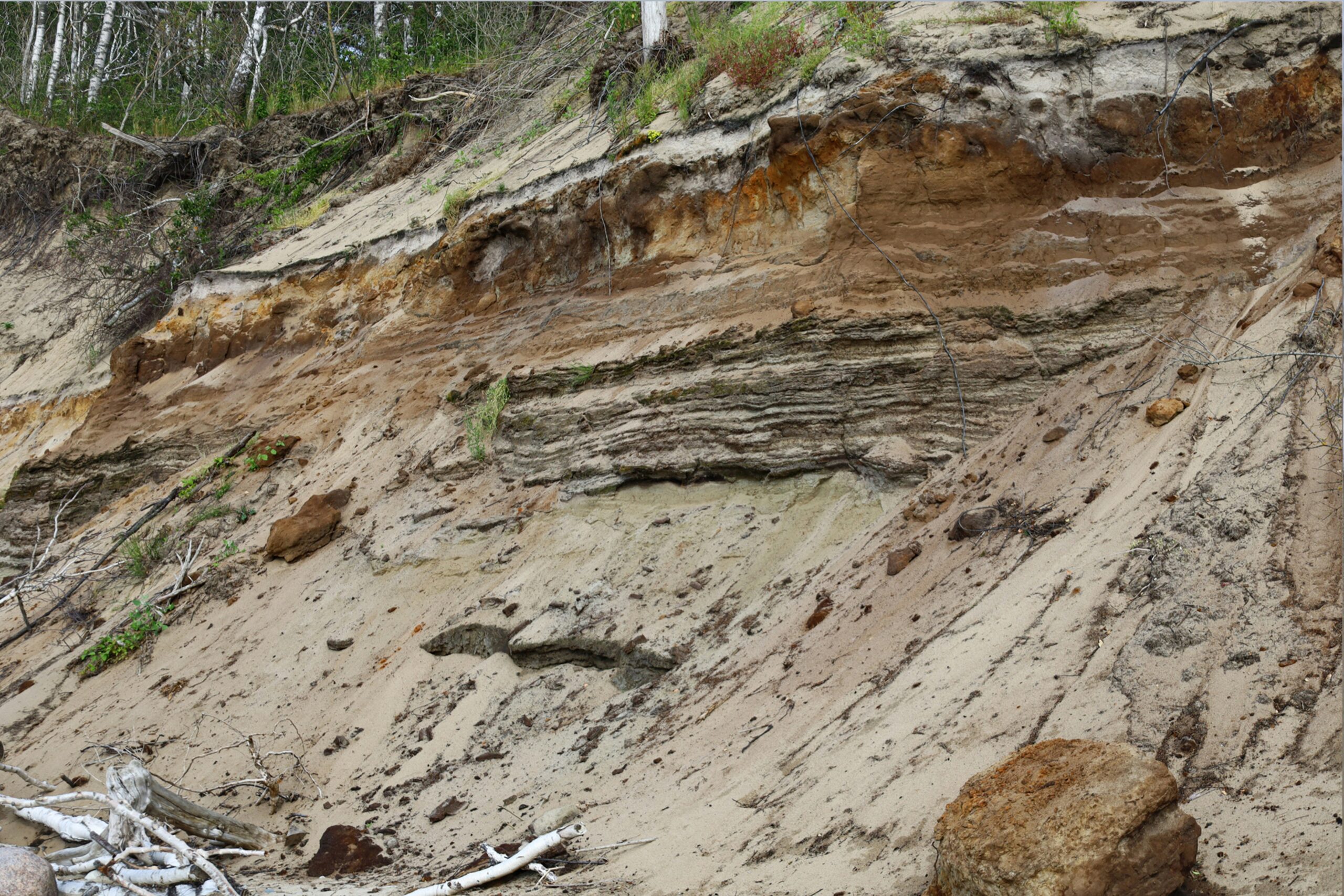
The Earth’s surface is a dynamic canvas, constantly reshaped by forces both seen and unseen, acting over vast stretches of time. For millennia, humanity has gazed upon mountains, valleys, and oceans, pondering their origins. The science of geology offers a profound and compelling answer, not through myth or legend, but through the meticulous examination of tangible evidence embedded within the planet itself. Uncovering geological evidence is a scientific detective story, where rocks, fossils, and landforms serve as cryptic clues, allowing geologists to reconstruct the Earth’s tumultuous past, understand its present processes, and anticipate its future. This exploration delves into the diverse array of geological evidence and the sophisticated methods employed to decipher its secrets.
At

When the Mediterranean Became a Desert | The Messinian Salinity Crisis Explained
FAQs

What is geological evidence?
Geological evidence refers to the physical evidence found in the Earth’s crust that provides information about the planet’s history, including past climate conditions, tectonic activity, and the evolution of life.
What are some examples of geological evidence?
Examples of geological evidence include fossils, rock formations, sediment layers, and the distribution of minerals and resources. These provide clues about the Earth’s past and help scientists understand the processes that have shaped the planet over millions of years.
How is geological evidence used in scientific research?
Geological evidence is used by scientists to reconstruct past environments, understand the Earth’s history, and predict future geological events. It also helps in the exploration and extraction of natural resources, as well as in the study of climate change and its impact on the planet.
What role does geological evidence play in understanding natural disasters?
Geological evidence plays a crucial role in understanding natural disasters such as earthquakes, volcanic eruptions, and tsunamis. By studying past geological events, scientists can better predict and prepare for future disasters, ultimately saving lives and minimizing damage.
How does geological evidence contribute to our understanding of the Earth’s history?
Geological evidence provides a timeline of the Earth’s history, allowing scientists to study the planet’s evolution, changes in climate, and the development of life. By analyzing geological evidence, researchers can piece together the story of our planet’s past and gain insights into its future.