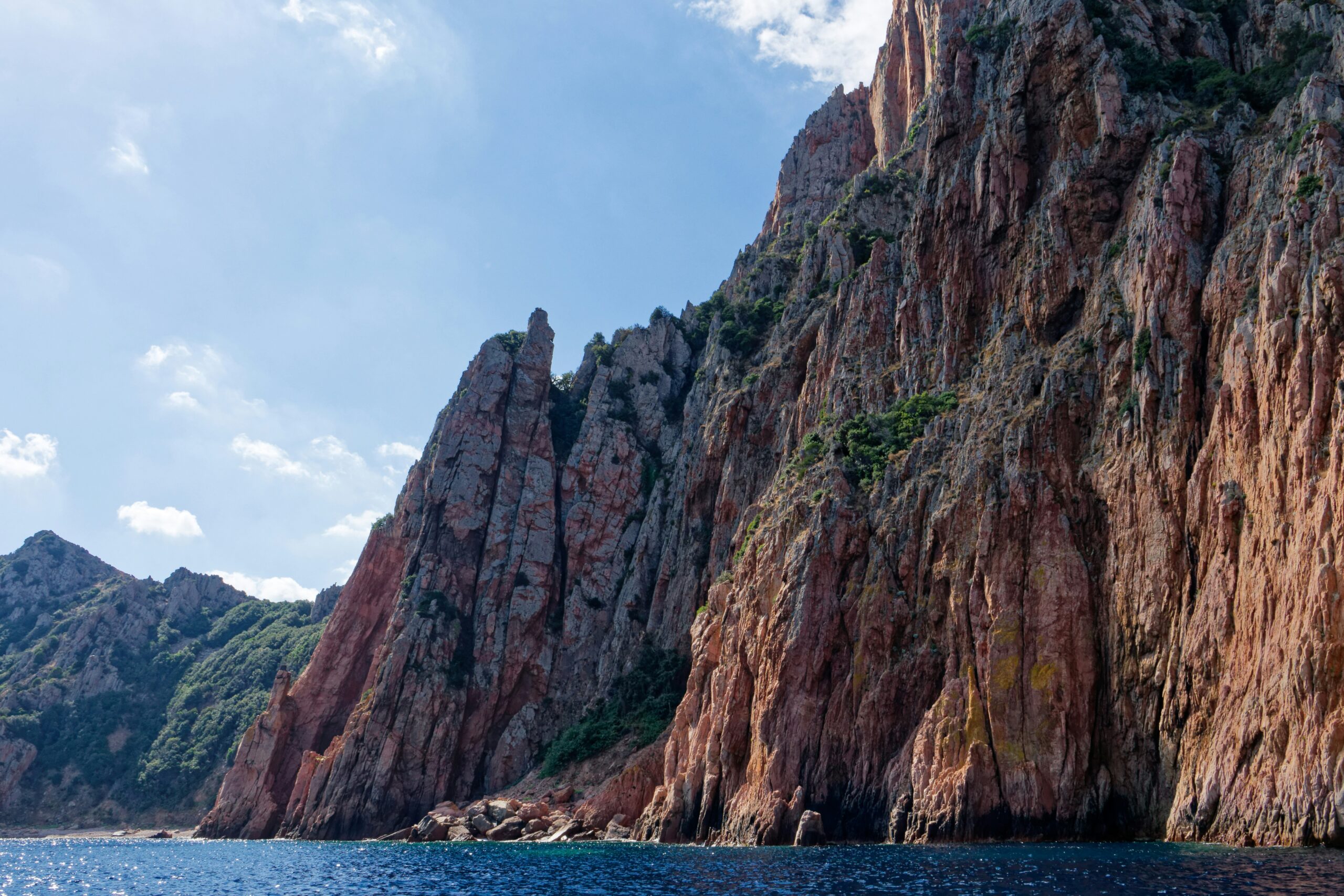
The Mediterranean Sea, a cradle of civilizations and a vibrant tapestry of marine life, harbors geological wonders that have shaped its very character. Among its most breathtaking features are the submerged canyons, intricate networks of valleys carved into the seafloor, reminiscent of their terrestrial counterparts. The formation of these Mediterranean canyons is a testament to the powerful interplay of geological forces, hydrological processes, and the passage of time, creating a dynamic and ever-evolving underwater landscape.
The fundamental force behind the formation of Mediterranean canyons is the relentless erosive power of water. While the Mediterranean is often perceived as a relatively stable body of water, its currents, density flows, and occasional catastrophic events have been potent agents of erosion on the seafloor. This process, known as submarine erosion, is multifaceted and operates through various mechanisms.
Turbidity Currents: The Underwater Avalanche
Perhaps the most significant contributor to canyon formation is the phenomenon of turbidity currents. These are dense, fast-moving flows of sediment-laden water that resemble underwater avalanches. They are typically initiated by the destabilization of sediment on continental slopes, which can be triggered by seismic activity, storms, or even the slumping of deltas. Once released, the dense slurry of sediment and water plunges down the slope, often at speeds exceeding several meters per second.
The Mechanics of Turbidity Current Erosion
The erosive power of a turbidity current lies in its immense kinetic energy and the abrasive action of the suspended sediment. As the current rushes through existing depressions or over a relatively flat seafloor, it scours and removes unconsolidated sediments. The coarser, heavier particles within the flow act like sandpaper, grinding away at the bedrock and shaping the channel. Over repeated events, these currents carve progressively deeper and wider channels, initiating and deepening the canyon network. The repeated passage of turbidity currents is analogous to a river repeatedly flowing over land, gradually incising a valley. The sediment transported by these currents is then deposited further downslope, forming deep-sea fans, a common geological feature found at the mouths of submarine canyons.
Triggers and Variations in Turbidity Current Activity
The frequency and intensity of turbidity current activity are influenced by a variety of factors. Proximity to seismic zones, the presence of large river deltas that supply abundant sediment, and the steepness of the continental slope all play a role. The Mediterranean, with its complex tectonic setting and numerous deltas (such as the Nile, Po, and Ebro), is particularly prone to the conditions that foster turbidity currents. Variations in these factors lead to differences in canyon morphology across the Mediterranean, with some canyons being more deeply incised and extensive than others. For instance, canyons associated with major river systems often exhibit larger sediment loads and more frequent turbidity current events, leading to more pronounced erosional features.
Contour Currents: The Slow and Steady Sculptor
While turbidity currents represent a more dramatic form of erosion, contour currents also play a crucial role in shaping Mediterranean canyons. These currents flow parallel to the continental slope, driven by density differences in the water column. As they move along the seafloor, they can exert a persistent erosive force, particularly on the flanks of existing canyons and the surrounding shelf.
The Influence of Density and Salinity Gradients
The Mediterranean Sea is characterized by significant variations in salinity and temperature, leading to density gradients. Cooler, saltier water tends to sink, while warmer, less saline water rises. These density differences drive the circulation patterns, including the contour currents. As these currents hug the contours of the seafloor, they can slowly but surely erode softer sediments, widening and smoothing out the canyon walls. This process is more akin to weathering and mass wasting on land, occurring over much longer timescales.
Interplay with Turbidity Currents
The relationship between contour currents and turbidity currents is not one of exclusion but of synergy. Contour currents can help to maintain and widen the channels carved by turbidity currents. They can also contribute to the re-suspension and transport of fine-grained sediments, which can then be carried away from the canyon system, preventing infilling. In some instances, contour currents can even contribute to the initiation of smaller submarine landslides by undermining the canyon walls, which then feed into larger turbidity current events.
The fascinating processes behind Mediterranean canyon formation are intricately linked to ancient climate patterns, which have shaped the region’s geology over millennia. For a deeper understanding of how these climatic changes have influenced the landscape, you can explore the article titled “Uncovering the Secret Inscription of Ancient Climate” available at this link. This article delves into the historical climate data that provides context for the geological features we observe today in the Mediterranean region.
Tectonic Forcing: The Underlying Framework of Canyon Development
While water erosions sculpts the immediate features, the underlying geological framework provided by tectonic activity is indispensable for the formation and evolution of Mediterranean canyons. The Mediterranean region is known for its complex and dynamic plate tectonics, characterized by subduction zones, continental collisions, and associated seismic activity. These forces create the seafloor topography upon which water then acts.
Active Faulting and Subsidence: Creating the Initial Slopes
The tectonically active nature of the Mediterranean dictates the formation of steep continental slopes and shelf breaks, which are essential prerequisites for canyon development. Active faulting can lead to dramatic changes in elevation over short distances, creating dramatic drops that serve as starting points for submarine erosion. Subsidence, the sinking of the Earth’s crust, can further deepen these depressions and create areas where sediment can accumulate and subsequently be mobilized by turbidity currents.
The African-Eurasian Plate Boundary
The primary driver of tectonic activity in the Mediterranean is the collision between the African and Eurasian plates. This ongoing convergence results in intense compressional and extensional forces that manifest as earthquakes, volcanic activity, and the formation of mountain ranges both on land and beneath the sea. The resulting rugged seafloor topography, with its steep slopes and bathymetric highs and lows, provides the ideal landscape for the carving of canyons. Areas along the Hellenic Arc, the Calabrian Arc, and the Atlas Mountains, all tectonically active regions, are often associated with prominent submarine canyon systems.
Isostatic Adjustments and Crustal Loading: Shaping Regional Topography
Beyond the direct plate boundary interactions, isostatic adjustments and crustal loading also contribute to the regional topography that influences canyon formation. The weight of overlying geological structures, such as large sediment accumulations from ancient deltas or glacial ice loads in the past, can cause the crust to deform and subside. Conversely, the removal of such loads can lead to uplift. These slow, pervasive vertical movements shape the broader bathymetry of the Mediterranean, creating the underlying ramps and steps down which turbidity currents can flow and erode. The precise interplay of these forces dictates the location, orientation, and scale of the major canyon systems.
Sediment Supply: The Fuel for Erosional Processes
The presence of abundant sediment is crucial for the development of Mediterranean canyons. Without a continuous supply of material to be transported and eroded, even the most powerful currents would have limited impact. The Mediterranean receives sediment from a variety of sources, both terrestrial and marine, which fuels the erosional and depositional processes.
Riverine Input: The Lifelines of Sediment
Large rivers draining extensive catchments are the primary suppliers of sediment to the Mediterranean Sea. Rivers like the Nile, the Po, the Ebro, and the Rhône carry immense loads of sand, silt, and clay derived from erosion of their drainage basins. When these rivers discharge into the sea, particularly at their deltas, they create vast accumulations of unconsolidated sediment. These deltaic environments are fertile grounds for the initiation of turbidity currents, as the steep foreslopes of the deltas are inherently unstable.
Deltaic Instability and Sediment Mobilization
Deltaic foreslopes are characterized by their rapid deposition of sediment. As the weight of accumulating sediment increases, it can overcome the shear strength of the underlying seafloor, leading to slumps and slides. These failures can trigger turbidity currents that then exploit pre-existing channels or carve new ones into the delta front and the adjacent continental slope. The efficiency of sediment delivery from rivers, coupled with the instability of their deltas, makes these regions hotspots for submarine canyon formation. The Nile Delta, for instance, is a prime example of a prolific sediment source that has fueled the formation of extensive canyon systems in the Eastern Mediterranean.
Marine Sedimentary Processes: Beyond the Rivers
While riverine input is dominant, other marine sedimentary processes also contribute to the availability of sediment for canyon formation.
Mass Wasting and Slumping on Continental Slopes
Beyond deltaic failures, the continental slopes themselves are subject to gradual erosion and inherent instability. Biological activity, episodic storm events, and even minor seismic tremors can destabilize sediment on these slopes, leading to smaller-scale slumping and landslides. These events can remobilize trapped sediments, feeding them into the canyon systems or directly initiating turbidity currents. The continuous process of sediment accumulation and subsequent remobilization contributes to the ongoing evolution of canyon morphology.
Biogenic Sedimentary Inputs
The abundance of marine life in the Mediterranean also contributes to sediment production through biogenic processes. The shells and skeletal remains of plankton, corals, and other marine organisms accumulate on the seafloor, forming calcareous ooze. While finer in grain size, these biogenic sediments can still be mobilized by currents and contribute to the mass of turbidity flows, influencing their density and erosive capacity.
Sea Level Fluctuations: A Temporal Lever on Canyon Evolution
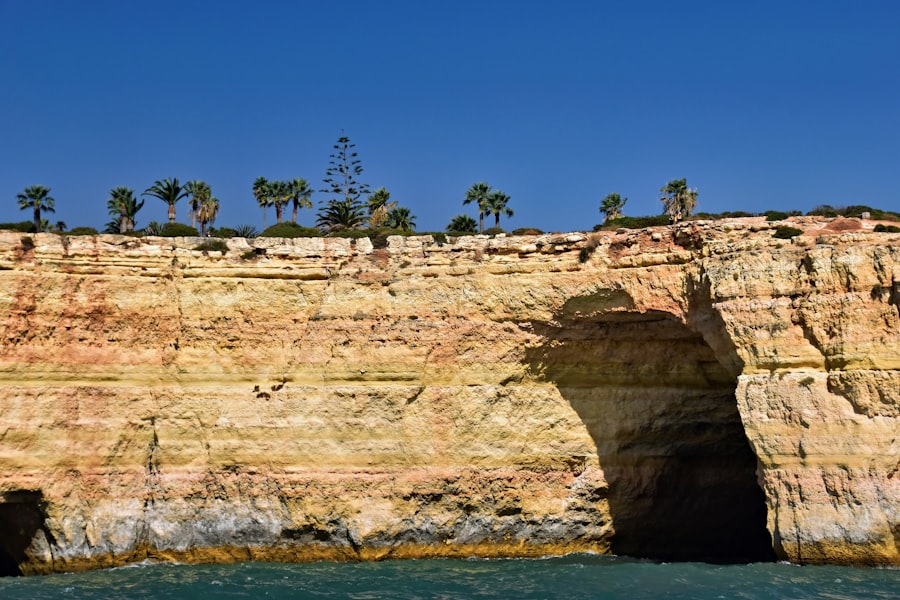
The geological history of the Mediterranean is punctuated by significant fluctuations in sea level, driven by glacial and interglacial cycles. These variations have played a crucial role in modulating the processes of canyon formation and evolution, acting as a temporal lever on erosional activity.
Glacial Periods: Lowered Sea Levels and Exposed Shelf
During glacial periods, vast amounts of water are locked up in ice sheets, leading to a significant drop in global sea levels. This phenomenon has exposed large areas of the Mediterranean continental shelf, bringing river mouths and delta fronts closer to the shelf break.
Enhanced Terrestrial Erosion and Sediment Delivery
With lower sea levels, rivers have steeper gradients and can erode their valleys more effectively, delivering larger volumes of sediment to the now-closer coastlines. This increased sediment supply, combined with the proximity of the shelf break, creates ideal conditions for the initiation of powerful turbidity currents that can then carve deep canyons into the now-submerged continental slope. The canyons observed today are often the incised remnants of features formed during these lowstand periods, later deepened and modified by post-glacial infilling and subsequent erosion.
Exposure of the Continental Shelf and Scouring
The exposure of the continental shelf during glacial lowstands also allowed for direct subaerial erosion and weathering processes to act upon previously submerged sediments. When sea levels rose again, these areas were submerged, and the accumulated sediments could be more easily mobilized by currents, contributing to canyon formation. Features like ancient river valleys that are now submerged are precursors to many of the modern canyon systems.
Interglacial Periods: Rising Sea Levels and Sediment Accumulation
During interglacial periods, melting ice sheets cause sea levels to rise, inundating the continental shelves and pushing coastlines inland. This leads to a shift in depositional environments.
Sediment Trapping on the Shelf and Reduced Turbidity Current Activity
As sea levels rise, the continental shelves widen, and rivers tend to deposit their sediment load further inland, creating extensive deltaic plains. This process traps sediment on the shelf, reducing the amount of material readily available to be transported to the continental slope and initiate turbidity currents. Consequently, turbidity current activity and the rate of canyon incision may decrease during these periods. However, the increased water depth over the shelf can lead to different dynamic processes, which can also contribute to erosion in their own ways.
Infilling and Modification of Existing Canyons
The increased sediment accumulation during interglacial periods can also lead to the infilling of pre-existing canyons. While this might seem counterintuitive to canyon formation, it represents a phase in the dynamic evolution of these features. Subsequent periods of low sea level or renewed tectonic activity can then remobilize this infill, leading to further carving and modification of the canyon system.
The fascinating processes behind Mediterranean canyon formation have been a subject of extensive research, shedding light on the geological history of the region. A related article discusses the broader implications of environmental changes and their impact on various regions, including the Mediterranean. For those interested in understanding the interconnectedness of geological and socio-political issues, this article provides valuable insights. You can read more about these consequences in the article on Haiti’s state failure and its implications by following this link.
Life’s Influence: Sedimentation and Burrowing in Canyon Evolution
| Factors | Impact |
|---|---|
| Seafloor erosion | Creates initial depression |
| Turbidity currents | Transport sediment downslope |
| Underwater landslides | Further shape the canyon |
| Water currents | Continuously shape and deepen the canyon |
While geological and hydrological forces are the primary architects of Mediterranean canyons, the influence of marine life cannot be entirely overlooked. Organisms living within and around these environments contribute to sedimentation patterns and can influence the physical structure of the seafloor, albeit on a more localized scale and over longer periods.
Biogenic Sediment Production and Stabilization
As mentioned previously, the shells and skeletons of marine organisms contribute to the biogenic sediment load. In some areas, particularly on the canyon flanks, the accumulation of these biogenic materials can contribute to the overall sedimentary cover. Furthermore, the presence of sessile organisms like corals and sponges can, in some cases, contribute to localized stabilization of sediment by providing a physical structure around which sediment can accrete.
Impact on Sediment Transport
The presence of biogenic sediments, especially fine calcareous ooze, can influence the density and rheology of turbidity currents. A higher proportion of fine, lighter particles can alter the flow characteristics and potentially influence its erosive capacity. Conversely, coarser biogenic fragments may contribute to the abrasive power of turbidity flows.
Bioturbation and Sediment Mixing
Marine organisms that live within the seafloor sediments, through processes like burrowing and feeding (bioturbation), can mix and churn the sediment. This can lead to the weakening of sediment layers, potentially making them more susceptible to erosion by currents.
Localized Erosion and Sediment Redistribution
While bioturbation is a diffuse process, in areas of high biological activity, it can contribute to the gradual loosening of sediment on the canyon walls and floor. This can create localized areas of weakness that can then be exploited by overlying currents, leading to small-scale erosion and redistribution of sediment. This process is generally much slower and less dramatic than the large-scale erosional events driven by turbidity currents but contributes to the overall heterogeneity of the canyon environment.
The formation of Mediterranean canyons is a grand narrative of geological time, written in the language of erosion, tectonics, and sedimentation. From the dramatic underwater avalanches of turbidity currents to the slow, inexorable sculpting by contour currents, water has been the primary artist. However, this artistry is only possible upon the canvas of a tectonically active seafloor, where faulting and subsidence create the necessary slopes. The continuous supply of sediment, predominantly from mighty rivers, provides the raw material for this sculpting. Furthermore, the cyclical rhythm of sea-level fluctuations has acted as a powerful accelerator and modulator of these processes, shaping the canyons into the intricate landscapes we observe today. While the influence of marine life is more subtle, it adds another layer to the complex story of these remarkable underwater formations. The Mediterranean canyons thus stand as a testament to the dynamic interplay of Earth’s forces, a continuous process of creation and transformation that continues to shape the seafloor of this storied sea.

When the Mediterranean Became a Desert | The Messinian Salinity Crisis Explained
FAQs
What is a Mediterranean canyon?
A Mediterranean canyon is a deep, steep-sided valley that has been formed by the erosion of sedimentary rock in the Mediterranean Sea. These canyons can be hundreds of meters deep and are often home to diverse marine life.
How are Mediterranean canyons formed?
Mediterranean canyons are formed through a combination of processes, including tectonic activity, erosion from rivers and glaciers, and underwater landslides. These processes carve out the canyon over millions of years.
What role do Mediterranean canyons play in the marine ecosystem?
Mediterranean canyons are important habitats for a wide variety of marine life, including deep-sea corals, sponges, and fish. The canyons provide shelter, food, and breeding grounds for many species, making them crucial for the overall health of the Mediterranean Sea.
Where are some notable Mediterranean canyons located?
Some notable Mediterranean canyons include the Cap de Creus Canyon off the coast of Spain, the Nini Canyon in the Gulf of Lion, and the Zanclean Canyon in the Tyrrhenian Sea. These canyons are known for their unique geological features and rich biodiversity.
What are the potential threats to Mediterranean canyons?
Mediterranean canyons are at risk from human activities such as bottom trawling, oil and gas exploration, and pollution. These activities can damage the delicate ecosystems within the canyons and disrupt the balance of marine life. Conservation efforts are underway to protect these important underwater landscapes.