
Volcanic Glass Unravels Ancient Mystery
The obsidian shard, stark and black against the archaeological trowel, held more than just the weight of its age. It was a silent witness, a tangible fragment of a forgotten epoch, now poised to whisper secrets that had been buried for millennia. For centuries, the enigmatic ruins of a vast, sprawling city lay shrouded in mystery. Who had built this metropolis and why had they so abruptly abandoned it? The prevailing theories were fragmented, speculative, and ultimately unsatisfying. Then, an unlikely protagonist emerged from the earth: volcanic glass.
The excavation site, nestled in a remote and geologically active region, had long baffled archaeologists. The sheer scale of the settlement, coupled with the distinctive, yet unidentifiable, architectural styles, hinted at a civilization of considerable complexity and power. Artifacts unearthed were peculiar – tools and pottery unlike any known from contemporary cultures, and a curious lack of weaponry or defensive structures. The most perplexing aspect, however, was the abruptness of its abandonment. There were no signs of conquest, no catastrophic natural disaster evident in the stratigraphy, and precious few bodies. It was as if the inhabitants had simply… vanished.
A City Frozen in Time
The initial surveys had revealed a city of unprecedented size, stretching for kilometers in every direction. Its layout was remarkably ordered, with meticulously planned residential areas, public spaces, and what appeared to be sophisticated water management systems. Yet, the culture that inhabited it remained a ghost, a puzzle with too many missing pieces. The lack of clear writing systems, decipherable iconography, or comparative artifacts made any attempt at dating and attribution a frustrating endeavor. The prevailing theories ranged from a lost nomadic tribe that settled temporarily to a highly specialized religious community that slowly dispersed. None of them adequately explained the scale and sophistication of the remnants.
The Obsidian Clues
It was during further, more focused excavations in a previously unexamined sector of the city that the obsidian began to surface in significant quantities. Not just as occasional tool fragments, like those found in other ancient sites, but in prodigious amounts, forming distinct layers, hearths, and even structural elements. The unusual concentration and distribution of this volcanic glass immediately piqued the interest of the lead archaeologists, Dr. Aris Thorne and his team.
Recent studies have highlighted how volcanic glass played a crucial role in solving the mystery of ancient trade routes in Mesoamerica. By analyzing the chemical composition of obsidian artifacts, researchers have traced their origins to specific volcanic sources, revealing insights into the extensive trade networks that existed among ancient civilizations. For more information on the broader implications of trade in the region, you can read the article on Mexico’s growing role in global trade at this link.
The Science Behind the Silent Witness
Volcanic glass, or obsidian, is a naturally occurring amorphous silica formed when felsic lava extruded from a volcano cools rapidly with minimal crystal growth. Its sharp fracture properties have made it a prized material for tools since prehistory. However, understanding the genesis of this specific obsidian, and its peculiar prevalence at the site, was the key to unlocking the city’s secrets.
Tracing the Source: The Power of Geochemistry
To understand the obsidian, the researchers knew they had to understand its origin. This is where the cutting-edge field of geochemistry played a pivotal role. Obsidian, like any material forged in the heart of the Earth, carries a unique geochemical fingerprint. By analyzing the precise elemental composition of the obsidian samples – the ratios of trace elements like rubidium, strontium, zirconium, niobium, and rare earth elements – scientists could create a unique signature.
Isotopic Analysis: A Chronological Marker
Beyond elemental composition, isotopic analysis offered another layer of information. The ratios of different isotopes of elements like oxygen and strontium can provide clues about the source of the magma and the conditions under which it cooled. These isotopic signatures act as a form of geological DNA, allowing researchers to pinpoint the exact volcanic eruption or flow from which the obsidian originated.
Trace Element Profiling: A Geographic Fingerprint
The subtle variations in trace element concentrations, even within seemingly similar obsidian deposits, are incredibly revealing. Each volcanic eruption has a distinct chemical signature determined by the specific magma source and the geological processes involved. By comparing the trace element profiles of the obsidian found at the city with known geological formations in the surrounding region, the team hoped to identify the specific volcano responsible.
Dating the Darkness: Obsidian Hydration
While obsidian itself doesn’t contain organic material for radiocarbon dating, it possesses a unique property that allows for dating: hydration. When obsidian is freshly fractured, it begins to absorb water from its environment. This process, known as obsidian hydration, forms a thin, hydrated layer on the surface. The rate of hydration is influenced by factors such as temperature and the concentration of water in the surrounding environment.
Hydration Rind Measurement: A Clockwork Mechanism
By carefully measuring the thickness of this hydrated layer, or “hydration rind,” under a microscope, and by understanding the local environmental conditions, archaeologists can estimate the age of the obsidian artifact. This method, while requiring precise calibration and understanding of local environmental variables, provided a crucial independent dating mechanism for the site.
The Revelation: Obsidian as Societal Glue
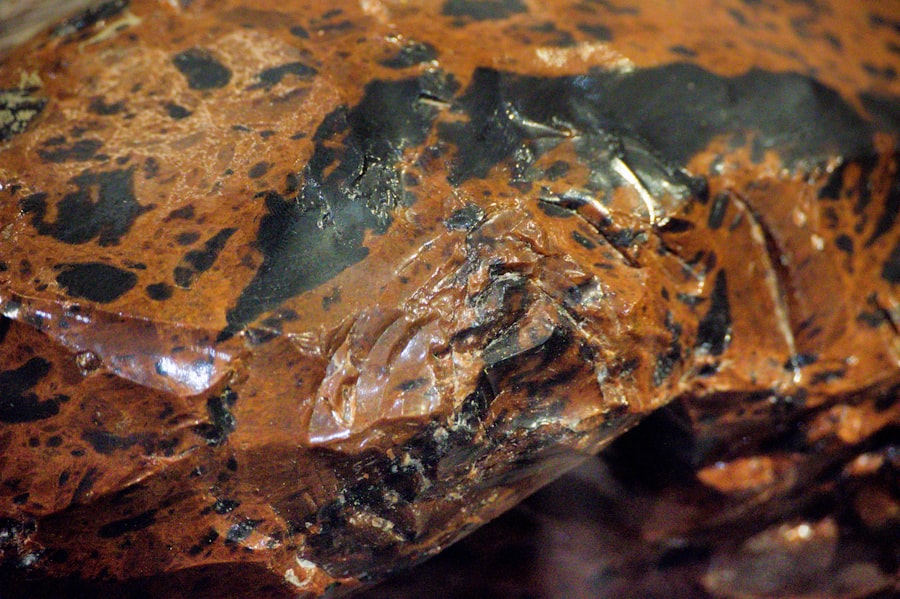
The geochemical analysis of the obsidian samples yielded astonishing results. The distinct fingerprint of the obsidian found at the city did not match any nearby volcanic sources. Instead, it pointed to a volcano located hundreds of kilometers away, a region characterized by a specific geological composition and an active volcanic history. This immediately raised a critical question: how did such a vast quantity of obsidian travel so far?
A Network of Exchange: Beyond Surface Interpretations
The sheer volume of obsidian unearthed, far exceeding what could be attributed to casual scavenging or small-scale trade, suggested a more integrated and profound relationship. The obsidian wasn’t just being used; it was a cornerstone of the civilization’s economy, social structure, and perhaps even its spiritual beliefs. The absence of significant defensive structures at the city, coupled with the widespread presence of this exotic material, pointed towards a society that prioritized trade and diplomacy over conflict.
Trade Routes and Resource Control
The discovery confirmed the existence of extensive and sophisticated trade networks that reached far beyond the immediate vicinity of the city. The controlled acquisition and distribution of this valuable resource would have necessitated a highly organized society with established leadership and logistical capabilities. The city was not just a settlement; it was a hub, an entrepôt, at the nexus of these vital exchange routes.
The Obsidian Economy: More Than Just Tools
The implications extended beyond mere economic exchange. The obsidian’s consistent presence in hearths, structural elements, and even as decorative inlays indicated its deep integration into daily life. It was likely used for a variety of purposes, from the mundane production of tools and weapons to, perhaps, ritualistic objects and even as a form of currency or prestige item. The city’s prosperity was inextricably linked to its access to and control over this volcanic glass.
A Shared Identity: The Obsidian Consensus
The uniformity of the obsidian’s geochemical signature across the entire site suggested a centralized control over its acquisition and distribution. This uniformity implied a shared understanding and reliance on this specific resource, potentially fostering a sense of collective identity among the inhabitants. The obsidian was not merely a commodity; it was a unifying element for the people of this lost civilization.
The Vanishing Act: A New Hypothesis Emerges
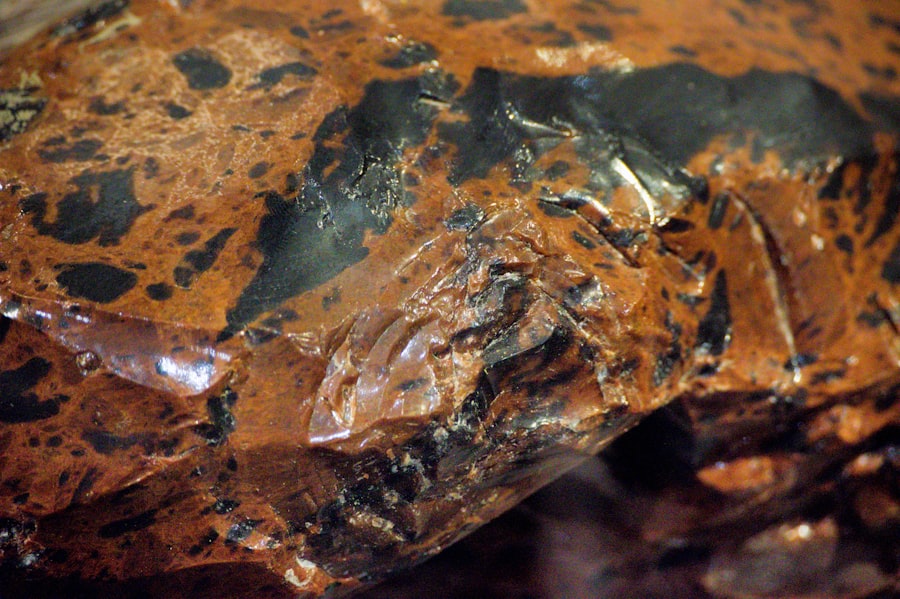
The obsidian hydration dating provided a consistent timeline for the city’s occupation, revealing a surprisingly short but intense period of habitation. More importantly, it provided a framework for understanding the abrupt abandonment. The lack of signs of violence or distress, combined with the extensive obsidian trade, began to paint a new picture.
A Peaceful Dissolution: The End of an Era, Not a Catastrophe
Instead of a sudden, violent end, the evidence began to suggest a more gradual, perhaps even voluntary, dissolution of the city’s population. The obsidian hydration dates indicated a period of decline rather than a sudden collapse. The city’s inhabitants, dependent on their trade networks for the obsidian that underpinned their society, may have simply followed the resources as they shifted or as new opportunities arose elsewhere.
Resource Depletion and Migration
It is plausible that the volcanic source that provided the obsidian began to deplete, or that the trade routes themselves became unsustainable due to shifts in political landscapes or environmental changes in other regions. As the obsidian, the lifeblood of their economy and identity, became scarcer, the inhabitants may have made a collective decision to migrate, seeking out new sources or opportunities.
Societal Adaptation and Nomadism
The absence of fortified structures could indicate a society that felt secure due to its established trade relationships and perhaps even alliances. Their societal structure may have been adaptable, capable of transitioning from settled urban life to a more nomadic existence focused on resource procurement and exchange. The city, in this hypothesis, was not abandoned in haste but rather left behind as its inhabitants pursued a new way of life.
The Obsidian Legacy: A testament to Ingenuity
The obsidian itself, once a mystery itself, transformed into the very key that unlocked the city’s secrets. It revealed a sophisticated civilization with a deep understanding of geology, trade, and resource management. Their ability to establish and maintain such extensive trade networks for a single, highly prized resource speaks volumes about their ingenuity and organizational prowess. The city, though vanished, left behind a powerful legacy etched in the black, glassy stone.
Recent studies have revealed how volcanic glass played a crucial role in solving an ancient mystery surrounding early human migration patterns. By analyzing the chemical composition of obsidian found at various archaeological sites, researchers were able to trace the movement of prehistoric peoples across continents. This fascinating discovery sheds light on how our ancestors utilized natural resources to navigate and settle in new environments. For more insights into how unexpected factors can influence historical narratives, you can read this related article on the economic implications of natural phenomena at this link.
Unanswered Questions and Future Explorations
| Volcanic Glass | Solving a Mystery |
|---|---|
| Composition | Obsidian, a type of volcanic glass, contains sharp edges that were used as cutting tools by ancient civilizations. |
| Archaeological Discoveries | Obsidian artifacts found at various archaeological sites helped researchers trace ancient trade routes and cultural exchanges. |
| Chemical Analysis | Scientists use the chemical composition of volcanic glass to determine the origin of artifacts and understand ancient human migration patterns. |
| Geological Significance | Studying volcanic glass provides insights into past volcanic activity and helps in predicting future eruptions. |
While the obsidian has provided groundbreaking insights, the story of this ancient civilization is far from fully told. The origins of its unique architectural styles, the absence of written records, and the precise nature of their social hierarchy remain fertile ground for further investigation. The obsidian, however, has illuminated a path forward, offering a concrete starting point for unraveling the remaining enigmas.
The Obsidian Diaspora: Tracing the Footprints
Future research will undoubtedly focus on tracing the “obsidian diaspora” – the potential spread of the city’s inhabitants and their cultural practices to other regions. By analyzing obsidian artifacts found in distant settlements and comparing their geochemical signatures to those of the city, archaeologists may be able to map the migration patterns of this lost people.
Interconnectedness and Cultural Diffusion
The study of interconnectedness between ancient societies is a key area of archaeological research. The obsidian trade network suggests a level of interaction previously unimagined. Understanding where else this specific obsidian wound up, and in what quantities, could reveal broader patterns of cultural diffusion and exchange across the ancient world.
Technological Continuity and Adaptation
As the inhabitants migrated, they would have taken their knowledge and skills with them. Examining obsidian artifacts from later periods in different regions could reveal the persistence of their technological innovations and how they adapted them to new environments and challenges.
The Obsidian’s Silent Song Continues
The obsidian shard, once a mere artifact, has become a potent symbol of discovery. It serves as a tangible reminder that even the most enduring mysteries can be unraveled through meticulous scientific inquiry and a willingness to embrace the unexpected. The silent song of the volcanic glass continues to echo through the ages, a testament to the enduring power of human civilization and the stories that lie buried beneath our feet, waiting to be heard. The city may have vanished, but its story, etched in obsidian, has just begun to be understood.

How Volcanic Glass Solved a 10,000-Year-Old Mystery
FAQs
What is volcanic glass?
Volcanic glass, also known as obsidian, is a natural glass that forms when molten lava cools rapidly. It is typically black or dark in color and has a smooth, glassy texture.
How did volcanic glass solve a mystery?
Volcanic glass was used to solve a mystery related to the origins of a particular archaeological artifact. By analyzing the chemical composition of the volcanic glass found on the artifact, researchers were able to trace its origins back to a specific volcanic source, providing valuable insights into ancient trade routes and cultural exchange.
What are some common uses of volcanic glass?
Volcanic glass has been used for various purposes throughout history, including as tools and weapons by ancient civilizations. Today, it is also used in jewelry making, as a material for surgical scalpels, and in the production of high-quality kitchen knives.
Where is volcanic glass found?
Volcanic glass can be found in regions with a history of volcanic activity, such as the Pacific Northwest of the United States, parts of Central and South America, and various locations in Europe and Asia.
Is volcanic glass dangerous to handle?
While volcanic glass is not inherently dangerous to handle, it can be sharp and may cause cuts if not handled carefully. It is important to take precautions when working with volcanic glass to avoid injury.