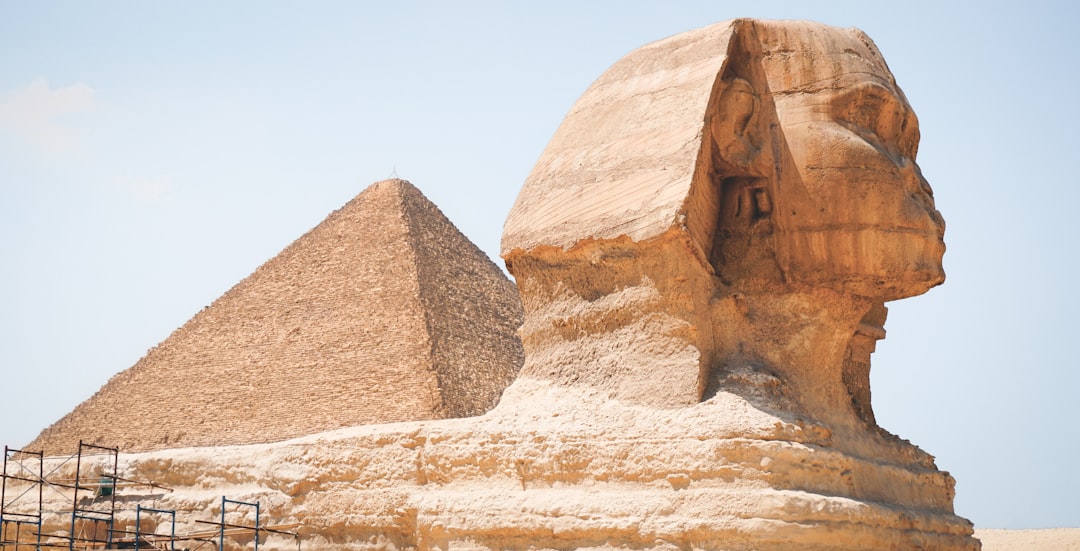
The sands of time, often perceived as a veil obscuring the past, are in reality, a rich archive waiting to be deciphered. Modern scientific inquiry has proven an invaluable tool in this endeavor, allowing historians and archaeologists to move beyond speculation and unearth the tangible, verifiable truths of ancient civilizations. This burgeoning field, often termed “archaeometry” or “scientific archaeology,” bridges the gap between the humanities and the hard sciences, revealing the ingenuity, sophistication, and even the very human stories embedded within ancient artifacts and sites. From understanding lost technologies to reconstructing ancient diets and deciphering the causes of societal collapse, science is continuously rewriting our understanding of ancient history.
Ancient artifacts are the silent witnesses to human history. For millennia, they lay buried, holding within their composition the echoes of their creation, use, and abandonment. Modern scientific techniques allow us to interrogate these materials with unprecedented detail, revealing information that written records, if they exist at all, often omit or distort. The very fabric of these objects, from pottery sherds to monumental stonework, tells a story of resourcefulness, knowledge, and societal organization.
Decoding Craftsmanship: Metallurgy and Material Science
The mastery of metals by ancient cultures is a testament to their understanding of material properties and complex chemical processes. Archaeologists now utilize techniques like X-ray fluorescence (XRF) and inductively coupled plasma mass spectrometry (ICP-MS) to determine the elemental composition of ancient metal objects. This analysis goes beyond simply identifying the metal. It can reveal the purity of the ore used, the presence of alloying elements (such as tin in bronze, indicating the development of sophisticated metallurgy), and even the geographical origin of the raw materials. For instance, tracing the trace element signature of copper artifacts can often pinpoint specific mines, illuminating ancient trade routes and the economic networks that bound disparate communities.
Iron smelting, a more energy-intensive process, also leaves distinctive chemical fingerprints. Studying the microstructure of ancient iron objects through scanning electron microscopy (SEM) can reveal the heating and cooling rates employed, offering insights into the kiln technologies and the skill of the ancient smiths. Furthermore, analyzing slag inclusions can provide direct evidence of the fluxing agents used and the type of fuel consumed, painting a detailed picture of the industrial processes involved. The discovery of high-quality steel in ancient Indian weaponry from the Gupta period, for instance, has challenged long-held assumptions about the timeline of advanced steel production.
Pottery’s Palimpsest: Ceramics and Cultural Exchange
Ceramics, ubiquitous in archaeological contexts, are incredibly informative. Their composition, firing temperature, and decorative techniques can speak volumes about the local environment, available resources, and cultural practices. Petrographic analysis, which involves examining thin sections of pottery under a microscope, allows researchers to identify the types of clay, temper (inclusions added to prevent cracking), and mineral grains present. This data can definitively link pottery to its source region, helping to reconstruct trade patterns and the movement of people.
Thermographic analysis, while less common, can also provide insights into firing temperatures, which are indicative of kiln technology and fuel efficiency. The presence of specific residues within pottery vessels, identified through techniques like gas chromatography-mass spectrometry (GC-MS), can reveal the contents they once held – food, drink, or even medicinal substances. The analysis of ancient Greek amphorae, for example, has not only revealed the types of goods transported (wine, olive oil) but also the regions from which they originated, offering a tangible map of ancient Mediterranean commerce. Furthermore, the stylistic evolution of pottery decoration, when examined alongside compositional data, can help establish chronologies and track cultural influences and diffusion.
Textiles and Their Faded Tales: Fibers and Fabrics
The preservation of ancient textiles is a rare and precious occurrence, often limited to arid climates or waterlogged environments. However, when they are found, scientific analysis can unlock a wealth of information. Scanning electron microscopy (SEM) is crucial for identifying the types of fibers used – whether plant-based (like flax or cotton) or animal-based (like wool or silk). This analysis can also reveal the spinning techniques (S-spun or Z-spun), the weave density, and the presence of any dyes.
Advanced spectroscopic techniques, such as Fourier-transform infrared spectroscopy (FTIR), can identify the chemical composition of residual dyes, allowing archaeologists to determine what natural colorants were available and employed. This can shed light on knowledge of botany, chemistry, and the development of complex dyeing processes. Trace element analysis can also be applied to textiles to identify residues from mordants (substances used to fix dyes to fibers), further illuminating ancient chemical knowledge. The recovery of silk fragments from Han Dynasty tombs, analyzed to reveal their precise weave and dye composition, has provided invaluable insights into the early stages of the Silk Road and the sophisticated textile industry of ancient China.
The study of ancient history often reveals fascinating insights into the cultures and technologies of past civilizations. One intriguing aspect is the field of archaeoacoustics, which explores how sound and acoustics were utilized in ancient structures and rituals. For a deeper understanding of this captivating subject, you can read the article “Uncovering the Mysteries of Archaeoacoustics” at this link.
Reading the Bones: Bioarchaeology and Human Lives
The skeletal remains of ancient peoples are not merely inert fossils; they are a biological record of individual lives, health, and societal practices. Bioarchaeology, the study of human skeletal remains from archaeological sites, employs a range of scientific disciplines to reconstruct these narratives, offering a more nuanced understanding of diet, disease, social status, and even migration patterns.
Diet and Health: Dental and Isotopic Clues
The health and dietary habits of ancient populations can be assessed through detailed examination of skeletal and dental remains. Harris lines (lines of arrested growth) on long bones and enamel hypoplasias on teeth are indicators of periods of malnutrition or illness during childhood. Antemortem (before death) tooth decay and abscesses provide evidence of dietary staples and oral hygiene practices.
More sophisticated techniques, such as stable isotope analysis, have revolutionized our understanding of ancient diets. By analyzing the ratios of stable isotopes of carbon (¹³C/¹²C) and nitrogen (¹⁵N/¹⁴N) in bone collagen, scientists can infer the dominant food sources consumed. A higher ¹³C ratio, for instance, typically indicates the consumption of C4 plants like maize (corn), while lower ratios suggest reliance on C3 plants like wheat or rice. Similarly, higher ¹⁵N values point to the consumption of more protein, particularly from animal sources. This technique has been instrumental in tracing the adoption of new crops, understanding the impact of agriculture on human populations, and differentiating between terrestrial and marine food sources in coastal communities.
Disease and Trauma: Paleopathology in Focus
Paleopathology, the study of ancient diseases, allows us to trace the evolution of human ailments and understand their impact on past societies. Skeletal evidence of infectious diseases like tuberculosis, leprosy, and syphilis can be identified through characteristic lesions on bones and teeth. The detection of treponemal infections, for instance, can provide crucial data on the historical prevalence of diseases that have plagued humanity for millennia.
Trauma, both accidental and intentional, is also readily apparent on skeletal remains. Healed fractures can indicate survival from significant injuries, offering insights into accident rates and the effectiveness of rudimentary medical care. Unhealed fractures or evidence of perimortem trauma (trauma occurring at or around the time of death) can point to violent conflict or ritualistic violence. The analysis of cranial injuries in ancient warfare contexts, for example, can reveal weapon types, combat strategies, and the severity of inter-group conflict.
Migration and Kinship: Osteological and Genetic Insights
Reconstructing ancient migration patterns and social structures has been dramatically enhanced by osteological and, more recently, ancient DNA (aDNA) analysis. By comparing the chemical composition of teeth and bones of individuals from different sites, scientists can infer mobility. Strontium isotope analysis, for example, can reveal a person’s childhood environment, as strontium levels in the local water and soil are incorporated into developing teeth.
The advent of aDNA analysis has provided direct genetic evidence of ancestral origins, kinship, and population movements. By extracting and sequencing DNA from ancient skeletal remains, researchers can identify related individuals, reconstruct family structures, and trace the genetic lineages of ancient populations. This has been transformative in understanding the peopling of continents, the spread of farming, and the complex interactions between different human groups over millennia. The study of ancient Roman cemeteries, for instance, using aDNA, has revealed the surprising diversity of origins within the Roman Empire, challenging earlier assumptions based solely on material culture.
The Earth’s Memory: Geoarchaeology and Environmental Reconstruction
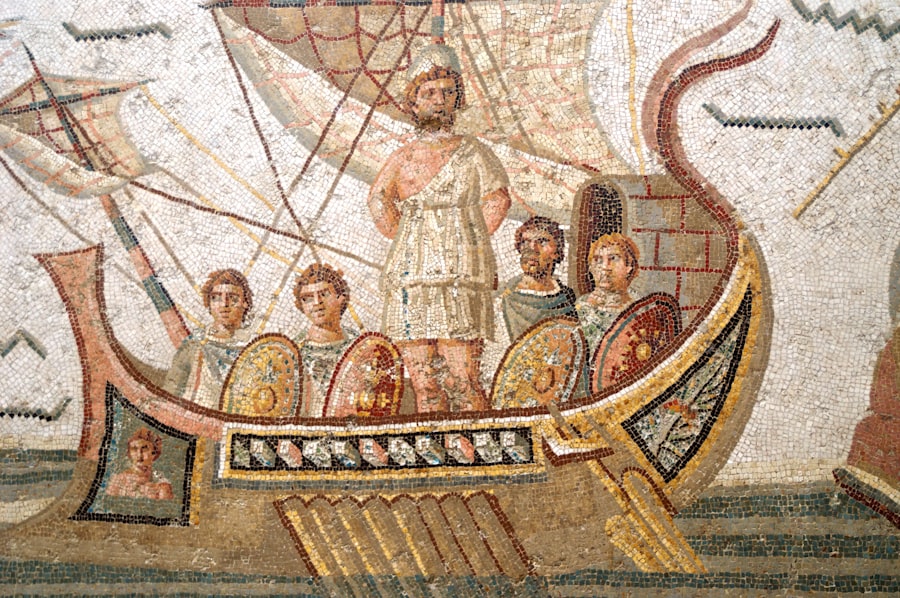
The very ground beneath our feet holds a wealth of information about past human activities and the environments in which ancient civilizations thrived or faltered. Geoarchaeology, the application of geological principles to archaeological investigation, allows us to decipher these environmental narratives, providing crucial context for human behavior.
Soil Stratigraphy and Site Formation Processes
Understanding how an archaeological site was formed is fundamental to interpreting the artifacts and features found within it. Geoarchaeological analysis of soil stratigraphy—the layering of sediments—can reveal the depositional processes that created the site. This includes distinguishing between natural processes (like erosion or flooding) and anthropogenic (human-caused) processes (like deliberate construction, occupation layers, or waste disposal). Geomorphological surveys can identify ancient landforms, river courses, and coastlines, offering insights into the environmental conditions that influenced settlement patterns and resource exploitation.
Micromorphological analysis of soil thin sections, examined under a microscope, can provide incredibly detailed information about soil structure, organic matter content, and the presence of microartifacts like charcoal or bone fragments. This allows for the reconstruction of ancient landscapes at a micro-level, revealing details of agricultural practices, burning events, and even the types of activities that took place in specific areas of a settlement.
Paleoenvironmental Proxies: Reconstructing Past Climates and Ecosystems
The study of past climates and ecosystems is crucial for understanding the constraints and opportunities faced by ancient peoples. Paleobotanical remains (plant fossils like pollen, seeds, and wood) and paleozoological remains (animal fossils) provide direct evidence of past flora and fauna. Pollen analysis (palynology) can reveal shifts in vegetation over time, indicating changes in climate, deforestation, or the introduction of new plant species. Analysis of lipid biomarkers in sediments can also provide information about past vegetation and microbial communities.
Furthermore, ice cores and lake sediments act as natural archives of past climate. Ice cores, for instance, contain trapped air bubbles that reveal past atmospheric composition and isotopic ratios that indicate temperature fluctuations. Lake sediment cores, with their layered deposits, can preserve pollen, charcoal, and diatoms, allowing for the reconstruction of long-term environmental changes, including periods of drought, increased rainfall, and the impact of human land use on vegetation. The study of ancient Roman agricultural practices, for example, has been significantly informed by pollen analysis, which has revealed shifts in crop cultivation and the extent of land clearance.
Water Management and Agricultural Technologies
The ability of ancient societies to manage water resources and develop effective agricultural technologies was often a determinant of their success and longevity. Geoarchaeological investigations can reveal evidence of ancient irrigation systems, canals, reservoirs, and water-lifting devices. Analyzing soil salinity levels can indicate the long-term impact of irrigation practices.
The study of ancient agricultural terraces, for example, not only reveals engineering prowess but also the understanding of soil erosion and water retention. The analysis of ancient seed remains and the study of the morphology of fossilized plant remains can illuminate the specific crops cultivated and the evolutionary trajectory of domesticated plants. The discovery of sophisticated Roman aqueducts, examined through hydrostatic and hydraulic engineering principles, demonstrates a profound understanding of fluid dynamics and the ability to transport vast quantities of water over significant distances.
Beyond the Written Word: Deciphering Ancient Technologies
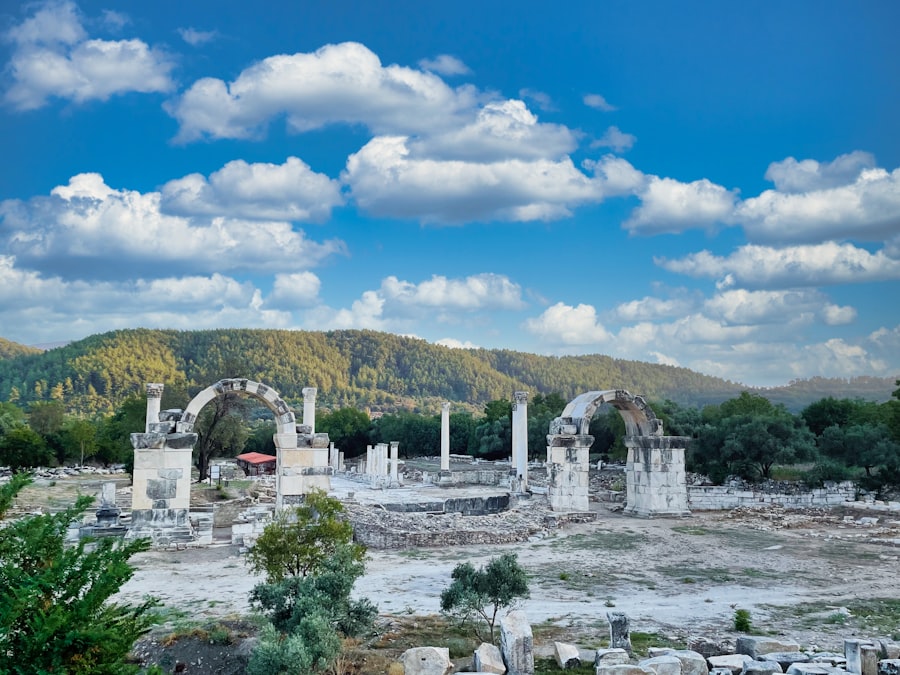
While written records offer invaluable insights, they rarely encompass the full spectrum of technological achievements. Scientific analysis allows us to understand how ancient peoples built, created, and innovated, often revealing a level of sophistication that surpasses prior assumptions.
Engineering Marvels: Architecture and Construction Techniques
The monumental architecture of ancient civilizations, from the pyramids of Egypt to the Roman Colosseum, stands as a testament to their engineering capabilities. Beyond visual inspection, scientific techniques are employed to understand the construction methods. Materials science analysis of stone and mortar can reveal their composition, strength, and durability, offering clues about quarrying, transportation, and construction techniques.
Geophysical surveys, such as ground-penetrating radar (GPR) and magnetometry, can be used to non-destructively investigate subsurface structures, revealing the foundations of buildings, hidden chambers, and underground infrastructure. Laser scanning and photogrammetry are employed to create highly detailed 3D models of ancient structures, allowing for precise measurement and analysis of architectural elements, further aiding in the understanding of construction methods and structural integrity. The study of the precise alignment of ancient structures with astronomical phenomena, deciphered through archaeoastronomy, also points to advanced observational skills and sophisticated calendrical systems.
Lost Knowledge: Understanding Ancient Chemistry and Medicine
Many ancient practices and remedies, once dismissed as superstition, are now being understood through a scientific lens. The analysis of residues in ancient pharmaceutical vessels, for instance, using techniques like GC-MS and liquid chromatography, can identify the components of ancient medicines. This can reveal a surprisingly advanced knowledge of herbalism, basic pharmacology, and the properties of various substances.
The analysis of ancient medical instruments, such as trephination tools from Neolithic sites, reveals interventions performed on living individuals. The study of mummified remains can also provide direct evidence of ancient medical knowledge related to embalming, but also to surgical interventions and the understanding of human anatomy. While often challenging to prove definitively, some research suggests that ancient cultures possessed rudimentary understandings of sanitation and public health principles, particularly in well-planned cities with advanced drainage systems.
The Mechanics of Warfare: Ancient Weaponry and Fortifications
The study of ancient weaponry, from bronze swords to Roman siege engines, provides insights into offensive and defensive strategies. Metallurgical analysis of weapons can reveal the materials used, the techniques of forging, and the intended function. Ballistics analysis, applied to the study of ancient projectile weapons and fortifications, can help reconstruct the trajectory of projectiles and the effectiveness of defensive structures.
The analysis of arrowheads, spearheads, and catapult stones can reveal evidence of mass production and standardization, indicating organized military logistics. The study of fortifications, through detailed surveying and materials analysis, sheds light on defensive strategies, the understanding of tactical advantages of terrain, and the engineering required to construct formidable defenses.
The study of ancient history often reveals fascinating insights into the technological advancements of past civilizations. A compelling article that delves into this topic is available at Lost Ancient High Tech: What Happened?, which explores the possibility of advanced technologies existing long before our modern era. This piece encourages readers to reconsider the capabilities of ancient societies and the potential knowledge that may have been lost over time.
The Future of the Past: Emerging Technologies and Unanswered Questions
| Metrics | Data |
|---|---|
| Age of Ancient History | Around 3000 BCE to 500 CE |
| Key Civilizations | Egypt, Mesopotamia, Indus Valley, Ancient China, Ancient Greece, Ancient Rome |
| Historical Sources | Archaeological artifacts, written records, inscriptions, and oral traditions |
| Scientific Methods | Carbon dating, DNA analysis, and archaeological excavation |
| Notable Discoveries | The Rosetta Stone, Pompeii, the Terracotta Army, and the Dead Sea Scrolls |
The accelerating pace of technological innovation continues to open new frontiers in the study of ancient history. As instruments become more sensitive and analytical techniques more refined, our ability to extract information from the past will only grow.
Miniaturization and Non-Destructive Analysis
The development of portable XRF analyzers and other miniaturized analytical devices allows for in-situ analysis of artifacts, greatly reducing the need for sample removal and minimizing damage to valuable objects. This is particularly important for fragile or unique artifacts, allowing for immediate, on-site assessment of materials and composition. Advanced imaging techniques, such as terahertz imaging, offer potential for non-destructively examining the internal structure of objects without the need for invasive sampling.
Big Data and Artificial Intelligence
The sheer volume of data generated by archaeological excavations and scientific analysis is becoming immense. The application of big data analytics and artificial intelligence (AI) is proving invaluable in identifying patterns, correlations, and anomalies that might be missed by human analysis. AI can be used to classify pottery styles, analyze large datasets of isotopic results, and even assist in the decipherment of ancient scripts. Predictive modeling, powered by AI, can help archaeologists identify potential sites of interest based on environmental and historical data.
Interdisciplinary Collaboration and Global Networks
The most significant advance in uncovering the scientific secrets of ancient history lies in the ever-increasing collaboration between specialists from diverse fields. Archaeologists, physicists, chemists, biologists, geologists, and computer scientists are working together to tackle complex questions and develop innovative solutions. The establishment of international research networks and shared databases facilitates the dissemination of knowledge and the pooling of resources, accelerating the pace of discovery and ensuring that the most advanced scientific tools are brought to bear on the challenges of understanding our shared past. The future of ancient history lies not just in the discovery of new sites, but in the deeper, more profound understanding that science and interdisciplinary collaboration can bring to the stories etched in the very fabric of our world.

How Volcanic Glass Solved a 10,000-Year-Old Mystery
FAQs
What is the science of ancient history?
The science of ancient history is the study of past human societies and cultures through the analysis of artifacts, written records, and other forms of evidence. It aims to understand the development of civilizations and the interactions between different ancient cultures.
What methods are used in the science of ancient history?
Archaeology, anthropology, linguistics, and historical analysis are some of the key methods used in the science of ancient history. These methods help researchers to uncover and interpret information about ancient societies and their practices.
Why is the science of ancient history important?
Studying ancient history is important because it provides insights into the origins of human civilization, the development of technology, the evolution of social structures, and the interactions between different cultures. It also helps us understand the roots of modern societies and the impact of past events on the present.
What are some key discoveries in the science of ancient history?
Key discoveries in the science of ancient history include the decipherment of ancient languages such as Egyptian hieroglyphs and the discovery of ancient cities like Pompeii and Machu Picchu. These discoveries have provided valuable information about ancient societies and their way of life.
How does the science of ancient history contribute to our understanding of the world today?
The science of ancient history contributes to our understanding of the world today by shedding light on the cultural, technological, and social developments that have shaped modern societies. It also helps us appreciate the diversity of human experiences throughout history and the interconnectedness of different civilizations.