
The Australian housing crisis has emerged as a pressing issue, capturing the attention of policymakers, economists, and citizens alike. Over the past decade, the country has witnessed a dramatic surge in property prices and rental costs, leading to widespread concern about housing affordability. This crisis is not merely a statistical anomaly; it reflects deeper socio-economic challenges that affect millions of Australians.
As the gap between income levels and housing costs continues to widen, many families find themselves grappling with the harsh realities of an increasingly unaffordable market. The implications of this crisis extend beyond mere financial strain. The struggle for affordable housing has far-reaching effects on social stability, community cohesion, and overall quality of life.
As more individuals and families are pushed into precarious living situations, the need for comprehensive solutions becomes ever more urgent. Understanding the multifaceted nature of the Australian housing crisis is essential for developing effective strategies to address its root causes and mitigate its impact on society.
Key Takeaways
- The Australian housing crisis is a pressing issue that is affecting families and individuals across the country.
- Factors contributing to rising rent prices include population growth, limited housing supply, and increased demand in urban areas.
- Rising rent prices are putting financial strain on Australian families, leading to housing insecurity and potential homelessness.
- Government policies and initiatives are being implemented to address the housing crisis, including affordable housing programs and rental assistance.
- Property investors and speculators play a role in driving rent prices up, making it difficult for low-income earners to find affordable housing.
Factors Contributing to Rising Rent Prices
Several interrelated factors contribute to the escalating rent prices in Australia. One significant element is the persistent demand for housing in urban centers, particularly in cities like Sydney and Melbourne. As populations grow and more people migrate to these metropolitan areas in search of employment opportunities, the competition for available rental properties intensifies.
This high demand, coupled with a limited supply of affordable housing options, creates a perfect storm for rising rents. Additionally, economic factors play a crucial role in this crisis. Low-interest rates have encouraged property investment, leading to increased competition among investors for rental properties.
This influx of investment capital often drives up property values, which landlords subsequently pass on to tenants in the form of higher rents. Furthermore, inflationary pressures and rising costs of living exacerbate the situation, making it increasingly difficult for renters to keep pace with their housing expenses.
Impact of Rising Rent Prices on Australian Families
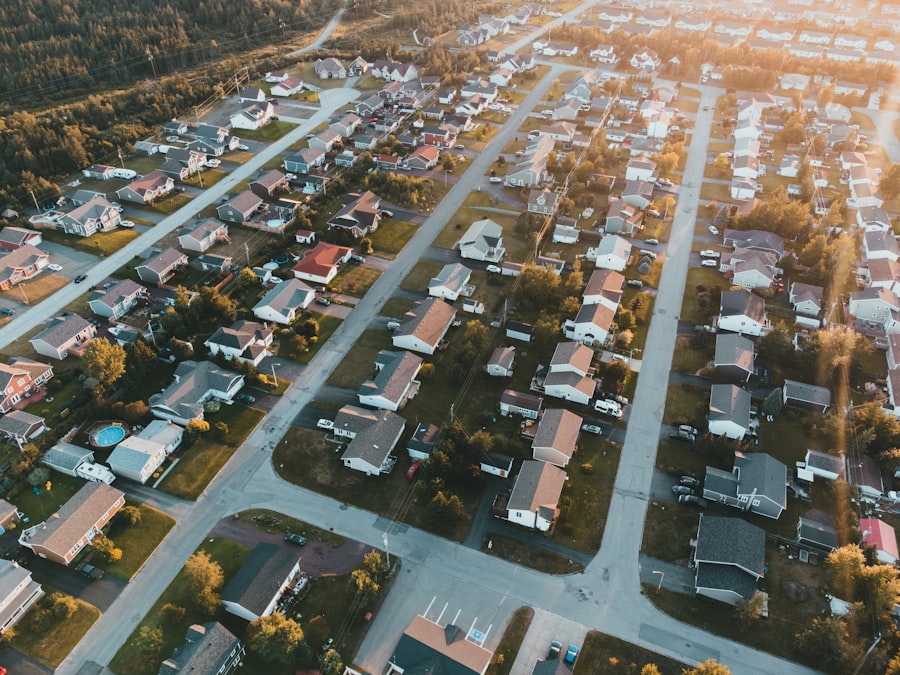
The impact of rising rent prices on Australian families is profound and multifaceted. Many households are forced to allocate a significant portion of their income to housing costs, leaving little room for other essential expenses such as food, healthcare, and education. This financial strain can lead to increased stress and anxiety, affecting not only individual well-being but also family dynamics.
In some cases, families may be compelled to make difficult choices, such as sacrificing quality of life or even relocating to less desirable areas in search of more affordable housing. Moreover, the rising cost of rent can have long-term implications for family stability and community cohesion. Families that are unable to secure stable housing may experience frequent relocations, disrupting their children’s education and social connections.
This instability can hinder their ability to build lasting relationships within their communities and contribute to a sense of isolation. As families grapple with these challenges, the broader social fabric of Australian society may also be at risk.
Government Policies and Initiatives to Address the Housing Crisis
| Government Policies and Initiatives | Description |
|---|---|
| Low-Income Housing Tax Credit | A tax credit for developers to build affordable housing for low-income individuals and families. |
| Section 8 Housing Choice Voucher Program | A program that provides rental assistance to low-income individuals and families, allowing them to choose their own housing. |
| Community Land Trusts | A model where land is owned by a nonprofit organization to ensure long-term affordability of housing. |
| Inclusionary Zoning | A policy requiring developers to include affordable housing units in new residential developments. |
| Homelessness Prevention and Rapid Re-Housing Program | A program that provides financial assistance and services to prevent homelessness or rapidly re-house individuals and families experiencing homelessness. |
In response to the escalating housing crisis, various levels of government have implemented policies and initiatives aimed at alleviating the burden on renters and promoting affordable housing development. These measures include increasing funding for social housing projects, introducing rent control regulations, and providing financial assistance to low-income families struggling with housing costs.
However, the effectiveness of these policies has been met with mixed reviews. Critics argue that many initiatives fall short of addressing the root causes of the crisis or fail to keep pace with the rapid changes in the housing market. Additionally, some policies may inadvertently discourage private investment in rental properties, further constraining supply.
As policymakers continue to grapple with these challenges, it is essential to adopt a holistic approach that considers both immediate relief for renters and long-term solutions for sustainable housing development.
The Role of Property Investors and Speculators in Driving Rent Prices Up
Property investors and speculators play a significant role in shaping the dynamics of the Australian housing market. Their activities can contribute to rising rent prices as they often prioritize profit over affordability. Many investors view residential properties as lucrative assets, leading them to purchase multiple properties with the intention of renting them out at competitive rates.
This trend can create an environment where rental prices are driven up by market speculation rather than genuine demand from tenants. Furthermore, the influence of foreign investment cannot be overlooked. International buyers seeking opportunities in Australia’s real estate market can exacerbate competition for available properties, further inflating prices.
While property investment can stimulate economic growth and development, it also raises concerns about accessibility for local residents. Striking a balance between encouraging investment and ensuring affordable housing options for Australians remains a critical challenge for policymakers.
The Challenges Faced by Low-Income Earners in Finding Affordable Housing
Low-income earners face unique challenges in navigating the Australian housing market, particularly in light of rising rent prices. With limited financial resources, these individuals often find themselves at a disadvantage when competing for rental properties. Many are forced to settle for substandard living conditions or overcrowded accommodations simply because they cannot afford higher-quality options.
Additionally, low-income earners may encounter barriers when seeking assistance from government programs designed to support those in need. Long waiting lists for social housing and stringent eligibility criteria can leave many individuals feeling trapped in a cycle of poverty and instability.
As they struggle to secure safe and affordable housing, their ability to pursue education or employment opportunities may also be hindered, perpetuating a cycle of disadvantage that is difficult to escape.
The Effects of the Housing Crisis on Homelessness in Australia
The Australian housing crisis has had a direct correlation with rising rates of homelessness across the country. As rent prices soar and affordable housing options dwindle, more individuals and families find themselves without stable shelter. The experience of homelessness is not limited to those who are visibly living on the streets; it encompasses a range of situations, including those who are temporarily staying with friends or family or living in inadequate conditions.
The consequences of homelessness extend beyond immediate physical needs; they also encompass mental health challenges and social isolation. Individuals experiencing homelessness often face stigma and discrimination, making it difficult for them to reintegrate into society or access necessary support services. Addressing homelessness requires a multifaceted approach that not only focuses on providing immediate shelter but also addresses the underlying issues contributing to housing instability.
Strategies for Renters to Navigate the Rising Rent Prices
As rent prices continue to rise, renters must adopt proactive strategies to navigate this challenging landscape. One effective approach is to thoroughly research rental markets before committing to a lease agreement. By understanding local trends and average rental prices, renters can make informed decisions about where to live and what they can afford.
Additionally, exploring alternative neighborhoods or considering shared living arrangements can help alleviate some financial burdens. Another strategy involves advocating for tenant rights and engaging with local community organizations that focus on housing issues. By joining forces with others facing similar challenges, renters can amplify their voices and push for policy changes that promote affordable housing solutions.
Building a network of support can empower individuals to take action against unjust practices within the rental market while fostering a sense of community among those affected by rising costs.
The Role of Real Estate Agencies in the Housing Crisis
Real estate agencies play a pivotal role in shaping the dynamics of the housing market in Australia. They serve as intermediaries between landlords and tenants, facilitating transactions and providing valuable insights into market trends. However, their influence can also contribute to rising rent prices as agencies often prioritize maximizing profits for property owners over ensuring affordability for renters.
In some cases, real estate agencies may engage in practices that exacerbate the crisis, such as encouraging bidding wars among prospective tenants or promoting properties at inflated prices. This behavior can create an environment where affordability becomes secondary to profit margins. To address these concerns, it is essential for real estate agencies to adopt ethical practices that prioritize transparency and fairness in rental transactions while also considering the needs of tenants.
The Economic and Social Consequences of the Housing Crisis
The economic and social consequences of the Australian housing crisis are far-reaching and complex. On an economic level, rising rent prices can stifle consumer spending as households allocate more resources toward housing costs. This shift can have ripple effects throughout the economy, impacting local businesses and overall economic growth.
Additionally, increased financial strain on families may lead to higher rates of debt and financial insecurity. Socially, the crisis can exacerbate existing inequalities within society. Vulnerable populations—such as low-income earners, single-parent families, and Indigenous communities—are disproportionately affected by rising rents and limited access to affordable housing options.
This disparity can lead to social fragmentation and increased tensions within communities as individuals struggle to secure basic needs like shelter and stability.
The Future Outlook for Rent Prices in Australia
Looking ahead, the future outlook for rent prices in Australia remains uncertain amid ongoing economic fluctuations and demographic shifts. While some experts predict that rent prices may stabilize or even decline in certain markets due to increased supply from new developments, others caution that persistent demand could continue driving prices upward in high-demand areas. Ultimately, addressing the Australian housing crisis will require concerted efforts from all stakeholders—government agencies, property investors, real estate professionals, and community organizations alike.
By working collaboratively toward sustainable solutions that prioritize affordability and accessibility, there is hope for a future where all Australians can secure safe and stable housing without facing insurmountable financial burdens.
The Australian housing crisis has become a pressing issue for renters, with rising costs and limited availability making it increasingly difficult for many to secure affordable housing. For a deeper understanding of the challenges faced by renters in this environment, you can read a related article on this topic at