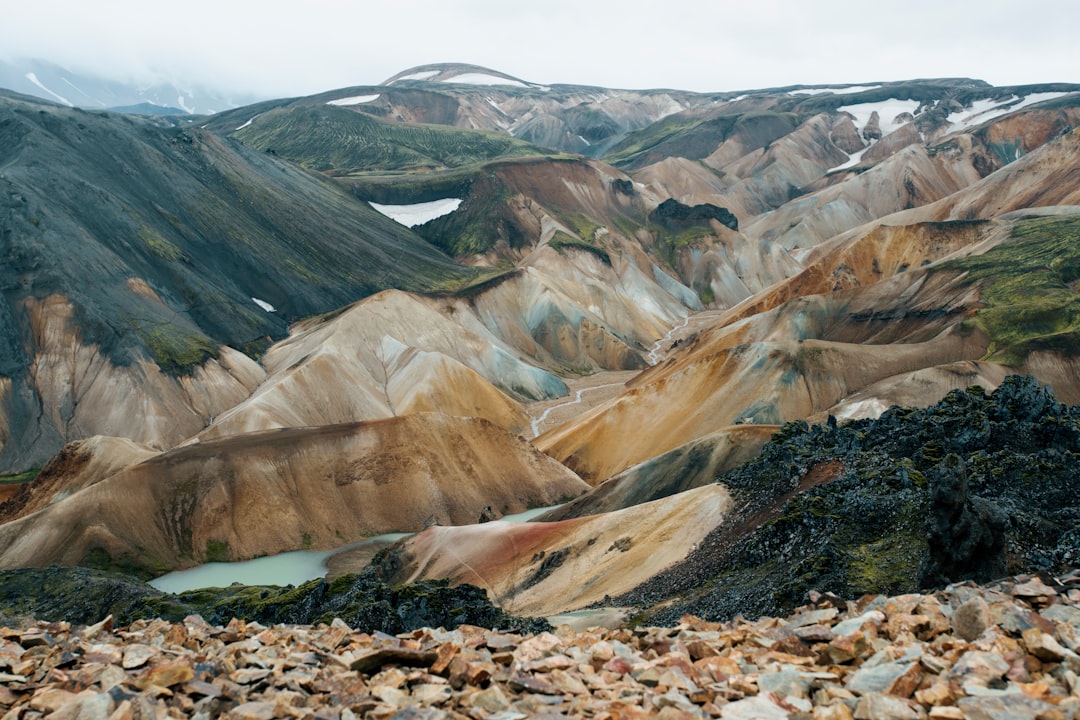
The Earth, a marble of blue and green suspended in the vastness of space, holds within its molten core and ancient crust a silent chronicle of its own evolution. This chronicle is not written in ink or spoken in words, but etched in stone, manifested in towering mountains, sweeping canyons, and the very soil beneath our feet. Unearthing this geological history is a monumental undertaking, a detective story pieced together by scientists employing an array of sophisticated tools and a deep understanding of the processes that have shaped our planet over billions of years. It is a journey that takes us from the fiery birth of the Earth to the dynamic present, revealing a tapestry of transformations, cataclysms, and gradual, relentless change. Geologists, armed with their hammers, microscopes, and seismic sensors, are the interpreters of this ancient language, translating the subtle whispers of rocks into a narrative of planetary development.
The story of Earth’s geological history begins in the crucible of the early solar system. The Hadean Eon, a period shrouded in mystery due to the scarcity of well-preserved rocks from this time, represents the planet’s raw formation. It was a time of intense heat, bombardment by asteroids and comets, and the violent differentiation of Earth’s interior into its core, mantle, and crust. The Archean Eon, beginning roughly 4 billion years ago, marks the emergence of a more stable, though still geologically tumultuous, planet.
The Violent Birth: Accretion and Differentiation
The Hadean Eon, spanning from Earth’s formation around 4.6 billion years ago to about 4 billion years ago, is named after Hades, the Greek underworld, a fitting descriptor for its infernal conditions. The nascent Earth was a hot, molten ball, constantly reshaped by the impacts of planetesimals – the building blocks of planets. These collisions released immense amounts of energy, further heating the young planet. During this period, a crucial process of differentiation occurred: denser materials, primarily iron and nickel, sank to form the Earth’s core, while lighter silicate materials rose to form the mantle and the earliest crust. This internal layering is fundamental to understanding Earth’s magnetic field and its ongoing geological activity. The impact that formed the Moon, a cataclysmic event theorized to have occurred within the first few hundred million years of Earth’s existence, also played a significant role in shaping the planet’s early rotation and axial tilt. The surviving rocks from this era are exceedingly rare, often found as detrital zircon grains within younger sedimentary rocks, providing tantalizing glimpses into the composition of the earliest crust.
The Dawn of Continents: Early Crustal Formation
As the Earth began to cool, the first solid crust began to form. However, this early crust was likely basaltic, similar to the oceanic crust of today, and was continuously recycled through volcanic activity and subduction. The emergence of more stable, felsic continental crust, a key milestone in geological history, began in earnest during the Archean. This process involved the partial melting of the mantle and basaltic crust, producing magmas richer in silica and lighter elements. These magmas cooled and solidified, forming the precursors to the continents we know today. The ancient cratons, the stable inner cores of continents, are composed of Archean rocks. These enigmatic terrains, often characterized by complex metamorphic histories and extensive granite-greenstone belts, represent the first solid ground upon which life would eventually emerge. The geological evidence for this early continental growth is found in the presence of very old igneous and metamorphic rocks, meticulously dated using radiometric techniques.
The First Signs of Life: Stromatolites and Microfossils
The Archean is also remarkable for the emergence of life. While the direct isotopic signatures of early biological activity can be found in rocks as old as 3.8 billion years, the most compelling physical evidence comes in the form of stromatolites and microfossils. Stromatolites are layered sedimentary structures formed by the metabolic activity of cyanobacteria, trapping and binding sediment. These ancient biological reefs are found in formations dating back to over 3.5 billion years ago. Microfossils, fossilized remnants of single-celled organisms, have also been discovered in Archean rocks, providing direct evidence of early microbial life. The presence and diversification of life, even in its simplest forms, had a profound impact on Earth’s geochemistry, particularly the oxygenation of the atmosphere, a process that would accelerate dramatically in later eons.
The intricate relationship between geological events and historical developments is vividly illustrated in the article on the Bronze Age Collapse, which explores the significant role of climate change during this transformative period. By examining how shifts in weather patterns and natural disasters influenced societal structures, the article provides valuable insights into the interplay between the environment and human history. For a deeper understanding of this fascinating topic, you can read the full article here: The Bronze Age Collapse: Climate’s Role.
The Great Oxygenation Event: Transforming the Atmosphere and Biosphere
The Proterozoic Eon, spanning from 2.5 billion to 541 million years ago, witnessed one of the most significant geological and biological transformations in Earth’s history: the Great Oxygenation Event (GOE). This period saw the gradual accumulation of oxygen in the atmosphere, fundamentally altering the planet’s chemistry and paving the way for the evolution of more complex life forms.
The Rise of Photosynthesis: A Biological Revolution
The GOE was not a singular event but a long, drawn-out process driven by the evolution and proliferation of photosynthetic organisms, primarily cyanobacteria. These organisms, through the process of photosynthesis, convert sunlight, water, and carbon dioxide into energy, releasing oxygen as a byproduct. Initially, the oxygen produced was quickly consumed by the abundant dissolved iron in the oceans, forming iron oxides that precipitated to the seafloor, creating the vast Banded Iron Formations (BIFs) that are a hallmark of Archean and early Proterozoic geology.
The Iron Catastrophe and the Oxygen Flood
The deposition of BIFs is direct geological evidence of this oxygen buildup. As the dissolved iron in the oceans was gradually depleted, oxygen began to accumulate in the atmosphere. This transition was a gradual “oxygen catastrophe” for the vast numbers of anaerobic organisms that thrived in the oxygen-poor primitive atmosphere, leading to their extinction. However, for the nascent oxygen-breathing life forms, it was a revolutionary event, enabling the evolution of more energy-efficient metabolic pathways and, ultimately, the development of multicellular organisms. The geological record of this period is characterized by the decline of BIFs and the appearance of red beds – terrestrial sedimentary rocks that have been oxidized, indicating the presence of a free oxygen atmosphere.
The Gowganda Glaciation: A Snowball Earth Episode
The Proterozoic also experienced periods of extreme glaciation, including the infamous “Snowball Earth” episodes. The Gowganda Formation in Canada, dating to about 2.3 billion years ago, is one of the earliest and most extensive geological records of a major glaciation. Evidence includes widespread tillites (consolidated glacial deposits) and dropstones (rocks embedded in glacial ice that are then dropped into finer sediments as the ice melts), suggesting that large portions of the planet may have been covered in ice. These extreme climate shifts had profound implications for ocean chemistry and the evolution of life, pushing organisms to adapt to vastly different environmental conditions.
The Phanerozoic Revolution: Diversification of Life and Geologic Activity

The Phanerozoic Eon, beginning 541 million years ago and continuing to the present, is defined by the explosive diversification of macroscopic life, evident in the fossil record. This era also features dramatic geological events, including the breakup and assembly of supercontinents and periods of intense volcanic activity.
The Cambrian Explosion: A Multitude of Forms
The Cambrian period, the first period of the Phanerozoic, is renowned for the “Cambrian Explosion,” a geologically short span (tens of millions of years) during which most major animal phyla appeared in the fossil record. This rapid diversification is etched in sedimentary rocks worldwide, revealing a bewildering array of new body plans and adaptations. Trilobites, ancient arthropods, are among the most iconic fossils of this period, their hard exoskeletons preserving in exceptional detail. The geological context for this explosion includes changes in ocean chemistry, such as increased oxygen levels and the availability of calcium for shell and skeleton formation, as well as evolutionary arms races between predators and prey.
The Age of Continents: Supercontinents and Their Breakup
The Phanerozoic has been a dynamic dance of continental drift and plate tectonics. Throughout this eon, continents have repeatedly collided to form supercontinents and then rifted apart to form new oceans. Pangea, the most recent supercontinent, formed during the late Paleozoic and Mesozoic eras. Its breakup subsequently led to the formation of the Atlantic Ocean and the reassembly of the continents into their present configuration. The geological evidence for these supercontinental cycles is found in the matching geological formations and fossil assemblages found across continents that are now widely separated, as well as in studies of paleomagnetism, which records the past positions of continents. The processes of continental collision and rifting are responsible for the formation of major mountain ranges, such as the Himalayas and the Alps, and are accompanied by widespread volcanism and earthquakes.
The Mesozoic Revival: Dinosaurs and the Breakup of Pangea
The Mesozoic Era, often called the “Age of Reptiles,” witnessed the dominance of dinosaurs. Geologically, it was a period of significant continental rifting as Pangea began to break apart. The formation of the Atlantic Ocean started during this time, driven by extensive volcanic activity along rift zones. Sedimentary rocks from the Mesozoic are often rich in dinosaur fossils, providing a detailed record of their evolution and extinction. Large igneous provinces, formed by massive volcanic eruptions, also characterize parts of the Mesozoic, potentially contributing to significant environmental changes.
The Cenozoic Era: Mammals, Mountains, and the Modern Landscape
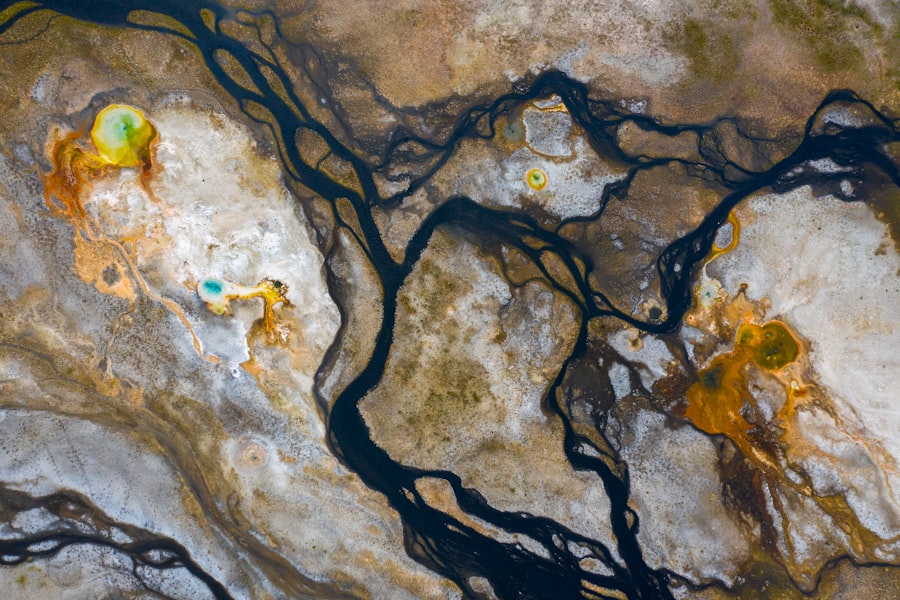
The Cenozoic Era, the current geological era, began approximately 66 million years ago with the extinction of the non-avian dinosaurs. It is characterized by the rise of mammals, the ongoing tectonic activity that continues to shape our planet, and the dramatic influence of climate change, including the recent ice ages.
The Rise of Mammals: Adapting to a Changing World
Following the demise of the dinosaurs, mammals rapidly diversified and occupied ecological niches previously held by reptiles. The fossil record from the Cenozoic is rich with mammalian fossils, illustrating their evolutionary journey from small, shrew-like creatures to the diverse array of species we see today, including humans. The geological record provides the environmental context for this diversification, with changes in climate and vegetation playing crucial roles in shaping mammalian evolution. The uplift of mountains and the formation of new landscapes created diverse habitats, fostering adaptive radiation.
Mountain Building and Tectonic Activity: The Architects of Topography
The Cenozoic is an era of significant mountain building. The collision of the Indian subcontinent with the Eurasian plate, which began tens of millions of years ago, continues to drive the uplift of the Himalayas, the highest mountain range on Earth. Similarly, the formation of the Alps and the Andes are ongoing geological processes shaped by plate tectonics during this era. These tectonic forces not only create dramatic topography but also influence regional climates and drive erosion, which in turn shapes sedimentary basins and the deposition of valuable resources. Seismic monitoring and GPS data provide real-time insights into the ongoing deformation of the Earth’s crust.
The Quaternary Ice Ages: A Frozen Planet
The most recent geological epoch, the Quaternary, is defined by a series of glacial and interglacial periods, commonly known as the ice ages. Geologists study glacial deposits, such as moraines, outwash plains, and glacial lake sediments, to reconstruct the extent and timing of these ice sheets. Ice cores drilled from Greenland and Antarctica provide invaluable archives of past climate and atmospheric composition, revealing dramatic fluctuations in temperature and greenhouse gas concentrations. The advance and retreat of these massive ice sheets have carved out much of the modern landscape, shaping large lakes, river valleys, and coastlines.
The fascinating interplay between geology and history is often revealed through the study of ancient civilizations and their environments. A compelling article that delves into this connection is available at The Day of Two Suns: Ancient History Unveiled, which explores how geological events have shaped historical narratives and influenced the rise and fall of cultures. Understanding these dynamics can provide valuable insights into how ancient peoples adapted to their surroundings, ultimately shaping the course of human history.
The Microscope of Geology: Tools and Techniques for Unearthing History
| Geology and History | Metrics |
|---|---|
| Age of the Earth | 4.5 billion years |
| Oldest Rock | 4.4 billion years old |
| Plate Tectonics | Introduced in 1912 by Alfred Wegener |
| Geological Time Scale | Divided into eons, eras, periods, and epochs |
| Human History | Approximately 6,000 years |
| Stone Age | Lasted from about 2.5 million years ago to about 5,000 years ago |
The ability to unearth Earth’s geological history is a testament to human ingenuity and scientific endeavor. Geologists employ a diverse array of tools and techniques, each providing a unique window into the past. From the macroscopic to the microscopic, these methods allow us to decipher the complex processes that have shaped our planet.
Radiometric Dating: The Clockwork of the Rocks
Perhaps the most powerful tool in a geologist’s arsenal is radiometric dating. This technique relies on the predictable decay of radioactive isotopes within rocks and minerals. By measuring the ratio of parent isotopes to their stable daughter isotopes, scientists can calculate the time elapsed since the mineral crystallized or the rock formed. Techniques like uranium-lead dating of zircons, potassium-argon dating of volcanic rocks, and carbon-14 dating of organic materials are crucial for establishing the absolute ages of geological events and the fossils they contain, providing a chronological framework for Earth’s history.
Paleontology and the Fossil Record: Echoes of Past Life
The study of fossils, paleontology, is fundamental to understanding the history of life on Earth and the environmental conditions under which it evolved. Fossilized remains of plants and animals, preserved in sedimentary rocks, offer direct evidence of past organisms, their diversity, and their evolutionary relationships. The stratigraphic position of fossils, their relative depth within rock layers, also provides crucial information about their age, as younger fossils are typically found above older ones. The identification of index fossils – species that lived for a short period and were geographically widespread – is particularly important for correlating rock layers across different locations.
Paleomagnetism: Tracking Continental Drift
The Earth’s magnetic field has played a crucial role in shaping our planet, and its history is imprinted within the rocks. Paleomagnetism studies the remnant magnetism in rocks, which records the direction and intensity of the Earth’s magnetic field at the time the rocks were formed. By analyzing the paleomagnetic signature of rocks from different continents, geologists can reconstruct the past positions of tectonic plates, providing compelling evidence for continental drift and the assembly and breakup of supercontinents.
Geochemistry and Isotope Analysis: Unraveling Earth’s Composition
Geochemistry involves the study of the chemical composition of rocks, minerals, and fluids. By analyzing the elemental and isotopic composition of Earth materials, geologists can infer the processes responsible for their formation and evolution. Isotope analysis, in particular, can reveal information about temperature, pressure, and fluid interactions during geological events. For example, the isotopic composition of oxygen in carbonate rocks can indicate past ocean temperatures, while sulfur isotopes can shed light on the redox conditions of ancient atmospheres and oceans.
Remote Sensing and Geophysical Surveys: Peering Beneath the Surface
Modern geology also relies heavily on remote sensing technologies and geophysical surveys to study the Earth’s structure and composition without direct excavation. Satellite imagery, aerial photography, and ground-penetrating radar provide detailed information about surface features, geological structures, and subsurface stratigraphy. Seismic surveys, which measure the propagation of seismic waves through the Earth, are essential for mapping subsurface rock layers, faults, and potential resource deposits, offering a glimpse into the deep geological architecture of our planet.
Unearthing the geological history of Earth is an ongoing endeavor. Each discovery, whether it is a meticulously dated zircon grain or a newly identified fossil, adds another piece to the grand puzzle of our planet’s past. This understanding is not merely academic; it informs our knowledge of natural resources, hazards such as earthquakes and volcanic eruptions, and the long-term trajectory of our planet’s climate and environment. The narrative etched in stone is a constant reminder of Earth’s immense power, its ceaseless transformation, and our place within this grand geological saga.

How Volcanic Glass Solved a 10,000-Year-Old Mystery
FAQs
What is geology?
Geology is the study of the Earth’s structure, composition, and processes that have shaped the planet over time. It involves the study of rocks, minerals, fossils, and the forces that have shaped the Earth’s surface.
How does geology relate to history?
Geology is important in understanding the history of the Earth and how it has evolved over millions of years. It helps us understand past climates, the formation of landscapes, and the development of life on Earth.
What role does geology play in archaeology?
Geology is crucial in helping archaeologists understand the context of ancient human settlements and artifacts. It provides information about the geological processes that have affected the sites over time, as well as the availability of resources for ancient civilizations.
How does geology impact human history?
Geological events such as earthquakes, volcanic eruptions, and changes in sea levels have had significant impacts on human history. They have influenced the rise and fall of civilizations, migration patterns, and the development of cultures.
What are some famous geological sites with historical significance?
Some famous geological sites with historical significance include the Grand Canyon in the United States, the Cliffs of Moher in Ireland, and the Great Barrier Reef in Australia. These sites provide valuable insights into the Earth’s history and its impact on human civilization.