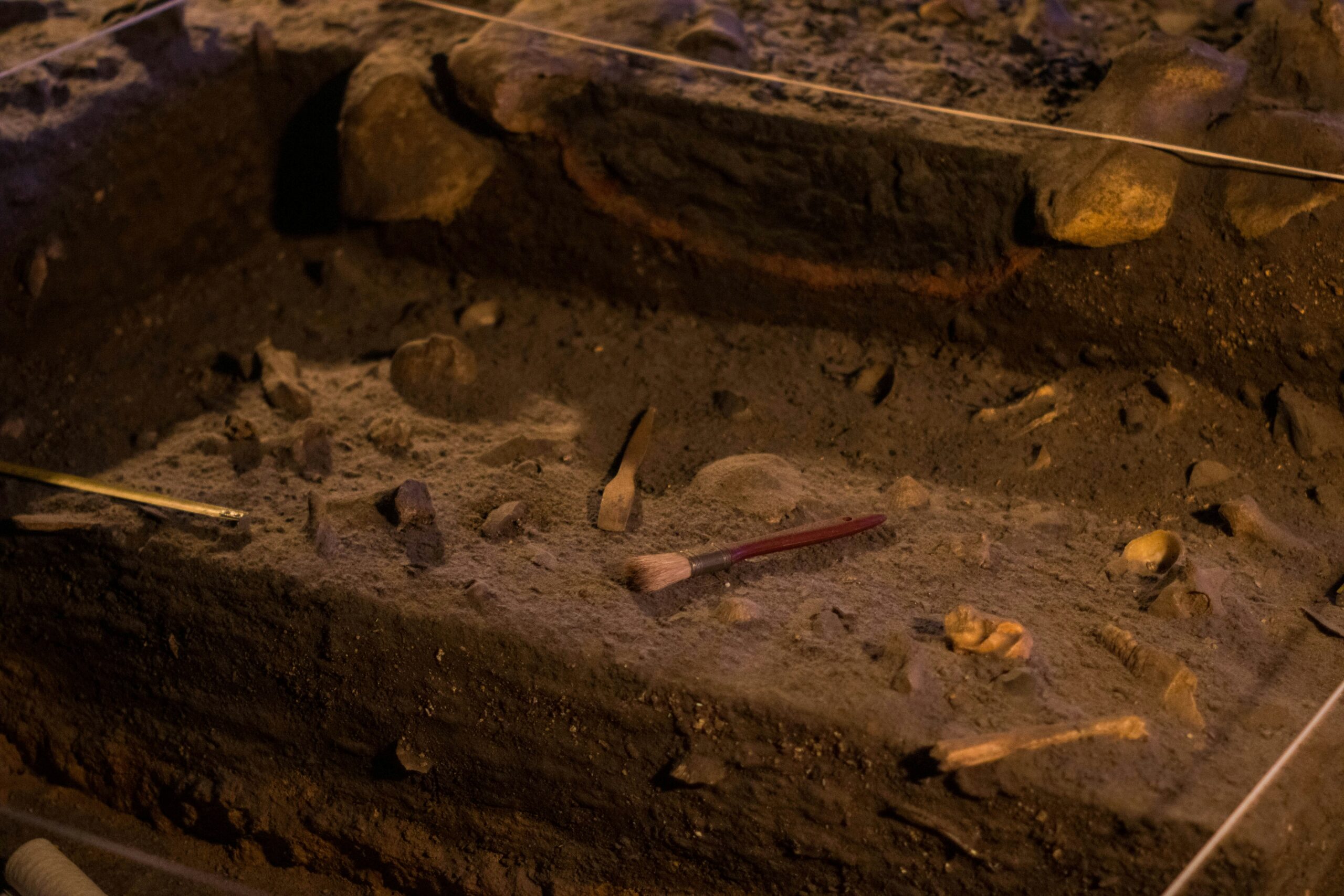
The earth’s fiery heart, volcanoes, has long captured the human imagination. For millennia, these majestic and terrifying geological formations have shaped landscapes, influenced human settlement, and dramatically altered the course of history. While geologists meticulously study their internal mechanisms and predict their eruptions, it is archaeology, often overlooked in the shadow of vulcanology, that has profoundly contributed to our understanding of humanity’s complex and enduring relationship with these powerful forces. Archaeology, through careful excavation and interpretation, has unearthed secrets not just of the earth’s past, but of human lives lived under the constant threat and awe of volcanic activity. This intricate dance between human civilization and geological upheaval reveals a narrative of resilience, adaptation, and even ingenuity.
The impact of volcanic eruptions on ancient human populations is a stark testament to their destructive power. When a volcano erupts, it does not discriminate, engulfing entire communities in ash, pyroclastic flows, and lahars. Yet, it is precisely these catastrophic events that have preserved invaluable snapshots of past human life, freezing them in time for archaeologists to discover. The study of settlements buried by volcanic deposits provides an unparalleled window into the everyday lives of people who were instantaneously removed from existence, offering a unique form of archaeological preservation that is both tragic and illuminating.
Pompeii and Herculaneum: Frozen Moments in Time
The most iconic examples of volcanic preservation are undoubtedly Pompeii and Herculaneum, the Roman cities famously buried by the eruption of Mount Vesuvius in 79 AD. These cities, unlike those that succumbed to slow decay or gradual abandonment, were catastrophically destroyed and consequently, remarkably preserved.
The Eruption’s Legacy: A Masterclass in Preservation
The searing heat of the pyroclastic surges and the subsequent burial under meters of volcanic ash and pumice had an immediate and profound preserving effect. Organic materials, such as wood, food, and even human bodies, were carbonized and encased, preventing decomposition. The sheer speed of the eruption meant that daily life was captured in situ. Tables were set, tools lay where they were dropped, and frescoes remained vibrant on the walls.
Unlocking Roman Life: Daily Routines Revealed
Archaeological excavations in Pompeii and Herculaneum have allowed us to reconstruct the minutiae of Roman life with an extraordinary level of detail. The layout of houses, from grand villas to humble workshops, reveals details about social stratification and urban planning. The contents of shops, bakeries, and taverns offer insights into Roman diet, commerce, and social customs. The famous casts of victims, created by pouring plaster into voids left by their decomposed bodies, provide poignant and powerful glimpses into their final moments, capturing their postures and even their expressions. This direct connection to individuals, frozen in their final actions, offers an emotional resonance that few other archaeological sites can replicate.
Beyond Vesuvius: Other Volcanic Catastrophes and Their Archaeological Footprints
While Pompeii and Herculaneum are unparalleled in their preservation, other volcanic events have also left significant archaeological legacies, albeit often with less intact settlements. These sites, though perhaps more fragmented, still offer crucial information about human adaptation and survival in volcanic landscapes.
The Minoan Eruption of Thera: A Mediterranean Mystery
The Bronze Age eruption of Thera (modern Santorini) around 1600 BC was one of the largest volcanic events in human history, potentially triggering widespread devastation across the Aegean. While the caldera itself was submerged, the civilization that thrived on the island, the Minoans, left behind Akrotiri, a settlement remarkably preserved under volcanic ash.
Akrotiri: The Minoan Pompeii
Similar to Pompeii, Akrotiri offers a glimpse into a sophisticated Bronze Age society. Multi-story buildings, intricate plumbing systems, and vibrant frescoes adorn the walls, showcasing the artistic and technological achievements of the Minoan civilization. The excavation of Akrotiri, though still ongoing, has significantly reshaped our understanding of Minoan culture and its potential connections to the wider Mediterranean world. The cause of its abandonment, whether due to the eruption itself or the subsequent tsunamis, remains a subject of ongoing archaeological debate, highlighting the complex interplay of geological forces and human decision-making.
Lahar-Buried Communities and Ashfall Zones
Throughout history, countless smaller communities have been buried by lahars (volcanic mudflows) and thick layers of ashfall. Archaeological investigations in these areas, though often challenging due to the unconsolidated nature of the deposits, can reveal evidence of settlement patterns, farming practices, and the impact of recurrent volcanic activity on human migration and settlement choices. The study of hearths, tools, and agricultural remains found within ash layers provides crucial data about the resilience and resourcefulness of these communities in the face of ongoing geological threats.
Volcanoes have long been a subject of fascination not only for geologists but also for archaeologists, as their eruptions can preserve ancient sites and artifacts in remarkable ways. For instance, the eruption of Mount Vesuvius in 79 AD famously buried the Roman cities of Pompeii and Herculaneum, providing a unique snapshot of life in the ancient world. To delve deeper into the intersection of natural phenomena and human history, you can explore a related article that discusses the geological aspects of our universe and their implications for understanding Earth’s past at Exploring the Earth-Moon Lagrange Points.
Adapting to the Fiery Frontier: Human Ingenuity in Volcanic Regions
The presence of volcanoes has not always been a narrative of destruction. Over millennia, humans have not only survived volcanic activity but have also learned to thrive in these dynamic environments, harnessing the unique resources and adapting their lifestyles to the inherent challenges. Archaeology plays a vital role in uncovering the strategies of adaptation and the innovations that allowed ancient peoples to prosper in the shadow of fire.
Ingenious Agricultural Practices in Fertile Volcanic Soils
Volcanic soils are renowned for their fertility, rich in minerals and nutrients. Ancient peoples living near volcanoes recognized this advantage and developed sophisticated agricultural techniques to capitalize on it, even while mitigating the risks.
Terracing and Irrigation: Taming the Slopes
In mountainous volcanic regions, the construction of elaborate terracing systems was crucial for creating arable land and preventing soil erosion. Archaeological evidence of these terraces, often integrated with complex irrigation networks, demonstrates an advanced understanding of landscape management and water resource utilization. Sites in the Andes, for example, showcase impressive Inca agricultural engineering that transformed steep volcanic slopes into productive farmland.
Crop Diversification and Resilience: A Strategy for Survival
Communities in volcanic areas often practiced crop diversification, growing a variety of crops to ensure food security in the face of unpredictable environmental conditions, including ashfall. Archaeological findings of different seed types and agricultural tools reveal a strategic approach to farming that prioritized resilience. The cultivation of root vegetables, known for their ability to withstand ashfall, is frequently observed in the archaeological record of volcanic regions.
Harnessing Geothermal Energy: Ancient Precedents
While modern societies are increasingly exploring geothermal energy, evidence from ancient civilizations suggests an early understanding of and utilization of this potent natural resource, albeit in less technologically advanced forms.
Natural Hot Springs: Prehistoric Spas and Healing Centers
The presence of natural hot springs, a direct result of geothermal activity, was often recognized and utilized by ancient populations. Archaeological sites near hot springs have yielded evidence of their use as bathing areas, healing centers, and even as places of ritual significance. The presence of specialized artifacts and structures around these springs suggests a deliberate engagement with these geothermal resources.
Early Forms of Heating and Cooking: Utilizing Earth’s Warmth
There is also emerging archaeological evidence suggesting that some ancient societies may have utilized the earth’s natural warmth for heating dwellings and for rudimentary cooking methods. The careful placement of dwellings in geothermally active areas or the presence of features that could have facilitated heat transfer hints at a deeper understanding of the earth’s thermal properties than previously assumed.
Understanding Volcanic Hazards: Ancient Knowledge and Mitigation Strategies

The constant threat of volcanic eruptions necessitated the development of knowledge and strategies to predict, mitigate, and respond to these events. Archaeology provides the tangible evidence of how ancient communities understood and dealt with volcanic hazards, often demonstrating a remarkable foresight and ingenuity.
Early Warning Systems and Observational Practices
Ancient peoples living in volcanic regions were keen observers of their environment. Archaeological findings can reveal the development of practices aimed at anticipating eruptions, often based on subtle environmental cues.
Animal Behavior and Natural Indicators: The First Alarm Bells
There is anecdotal evidence and some archaeological findings suggesting that ancient communities may have observed changes in animal behavior or subtle environmental shifts as potential indicators of impending volcanic activity. While direct archaeological proof is scarce, the consistent presence of settlements in close proximity to active volcanoes implies a learned understanding of the risks and subtle precursors to eruptions.
Sacred Sites and Ritualistic Practices: Appeasing the Gods of Fire
Many ancient cultures attributed volcanic activity to the wrath or will of deities. Archaeological evidence of religious sites, shrines, and ritualistic practices in close proximity to volcanoes suggests attempts to appease these divine forces, a form of cultural mitigation aimed at ensuring community safety and stability. The dedication of offerings and the construction of temples near active volcanic areas speak to the profound influence these geological phenomena had on their spiritual lives and their efforts to understand and control the uncontrollable.
Evacuation Strategies and Resilient Settlements
When faced with the inevitability of an eruption, ancient communities developed strategies for survival, including planned evacuations and the design of settlements for resilience.
Abandonment Patterns and Migration Routes: Evidence of Escape Plans
Archaeological surveys in volcanic regions often reveal patterns of settlement abandonment and evidence of migration routes, suggesting pre-planned responses to volcanic threats. The discovery of caches of tools or pottery at temporary encampments along likely escape routes can provide clues to these ancient emergency preparedness measures.
Fortifications and Elevated Settlements: Seeking Safety
In some cases, archaeological evidence points to the construction of fortifications or the establishment of settlements on elevated ground, strategically chosen to provide a degree of protection from lahars and pyroclastic flows. The careful placement of defensive structures and the selection of naturally defensible locations demonstrate a pragmatic approach to geological risks.
The Archaeological Detective: Unraveling Unseen Impacts and Long-Term Consequences
Beyond the immediate devastation and direct human adaptation, archaeology also sheds light on the less obvious, long-term consequences of volcanic activity on human societies, including environmental degradation, resource depletion, and shifts in power dynamics.
Environmental Impact and Landscape Transformation
Volcanic eruptions can drastically alter entire ecosystems, impacting the availability of resources and the viability of certain landscapes for human habitation. Archaeological analysis of pollen samples, soil stratigraphy, and faunal remains can reveal these environmental changes.
Soil Fertility and Depletion: The Double-Edged Sword
While volcanic ash can initially enrich soils, prolonged or frequent eruptions can lead to depletion of essential nutrients and the creation of barren landscapes. Archaeological evidence of changes in agricultural practices, shifts in settlement locations, and the adoption of new resource management strategies can highlight the long-term environmental consequences of volcanic activity.
Water Scarcity and Contamination: A Hidden Threat
Volcanic ashfall can contaminate water sources, making them unusable. Lahars can alter river courses and create new water bodies, while also destroying existing ones. Archaeological investigations of ancient water management systems, the discovery of purification techniques, or evidence of migration to new water sources can illuminate how ancient communities coped with these challenges.
Sociopolitical Ramifications: Shifts in Power and Migration
The impact of a major volcanic eruption could extend beyond the immediate affected area, leading to broader societal shifts, including population displacement, resource competition, and changes in political structures.
Collapse and Resurgence: The Cycle of Volcanic Influence
Archaeological records of settlement collapse, followed by later periods of resurgence or migration, can provide evidence of how volcanic events disrupted established societies. The decline of one civilization and the rise of another in a different region, potentially triggered by the devastation of a volcanic eruption, can be traced through archaeological layers.
Resource Conflicts and New Trade Networks: The Aftermath of Disaster
The destruction of agricultural lands or key resources by a volcanic eruption could lead to increased competition for remaining resources, potentially sparking conflicts. Conversely, communities that were less affected might have benefited from new trade opportunities or the influx of displaced populations. Archaeological evidence of changes in material culture, defensive structures, and the emergence of new trade routes can suggest these complex sociopolitical adjustments.
Recent studies have highlighted the intriguing connections between volcanoes and archaeology, revealing how ancient civilizations adapted to their volcanic environments. For instance, researchers have uncovered artifacts buried beneath layers of volcanic ash, providing valuable insights into the lives of people who lived near these powerful natural phenomena. This fascinating intersection of geology and history is explored in greater detail in an article that discusses the broader implications of environmental factors on human development. You can read more about it in this insightful piece on navigating global tensions.
The Future of Volcanic Archaeology: New Technologies and Emerging Questions
| Volcanoes | Archaeology |
|---|---|
| Number of active volcanoes | Impact of volcanic eruptions on ancient civilizations |
| Types of volcanic eruptions | Archaeological evidence of volcanic activity |
| Volcanic hazards and risk assessment | Effects of volcanic ash on archaeological sites |
| Volcanic monitoring and prediction | Excavation of volcanic deposits in archaeological digs |
The field of volcanic archaeology is continuously evolving, with new technologies and methodologies offering unprecedented opportunities to uncover the secrets of human-volcano interactions. As our understanding deepens, so too do the questions we can ask and the insights we can glean.
Advanced Dating Techniques and High-Resolution Imaging
Modern techniques such as radiocarbon dating, thermoluminescence dating, and advances in geographical information systems (GIS) allow for more precise dating of volcanic events and associated human occupation. High-resolution remote sensing technologies and drone imagery are revolutionizing how archaeologists survey and map volcanic landscapes, identifying potential sites that might have previously been hidden.
Paleoenvironmental Reconstruction and Computational Modeling
By analyzing proxies such as ice cores, sediment cores, and tree rings, archaeologists can reconstruct past volcanic activity and its environmental impacts with greater accuracy. Computational modeling, combined with archaeological data, can help simulate eruption scenarios and their potential effects on ancient populations, providing a more nuanced understanding of cause and effect.
Interdisciplinary Collaboration: A Synergistic Approach
The most exciting future developments lie in the increasing interdisciplinary collaboration between archaeologists, geologists, volcanologists, climatologists, and environmental scientists. This synergistic approach allows for a more holistic understanding of the complex interplay between geological forces and human societies.
Addressing Climate Change and Future Preparedness
As the world faces the escalating impacts of climate change, understanding past human resilience in the face of environmental upheaval, including volcanic catastrophic events, becomes increasingly relevant. The lessons learned from archaeology can inform strategies for future preparedness and adaptation to natural disasters, offering valuable insights into how societies have historically navigated crisis and rebuilt in the wake of destruction. The ongoing study of volcanoes and their impact on humanity is a testament to the enduring power of both geological forces and the human spirit, a narrative etched in ash and stone, waiting to be unearth by the keen eye of the archaeologist.

How Volcanic Glass Solved a 10,000-Year-Old Mystery
FAQs
What is the relationship between volcanoes and archaeology?
Volcanoes and archaeology are connected because volcanic eruptions can bury ancient settlements, preserving them for archaeologists to study. Additionally, volcanic ash can provide a chronological marker for dating archaeological sites.
How do volcanoes impact archaeological sites?
Volcanic eruptions can destroy or bury archaeological sites, but they can also preserve them by covering them in ash and other volcanic materials. This preservation can provide valuable insights into ancient cultures and civilizations.
What are some examples of archaeological sites impacted by volcanoes?
Pompeii and Herculaneum in Italy are famous examples of archaeological sites impacted by the eruption of Mount Vesuvius in 79 AD. The volcanic ash preserved these ancient Roman cities, providing a wealth of information about daily life in the Roman Empire.
How do archaeologists study the impact of volcanoes on ancient civilizations?
Archaeologists use a variety of methods to study the impact of volcanoes on ancient civilizations, including excavation of buried sites, analysis of volcanic ash layers, and examination of artifacts and human remains. They also use scientific techniques such as carbon dating and geochemical analysis.
What can the study of volcanoes and archaeology tell us about ancient societies?
Studying the impact of volcanoes on ancient societies can provide insights into their daily life, cultural practices, and responses to natural disasters. It can also help us understand how these societies adapted to and coped with volcanic activity, as well as the long-term effects on their civilizations.