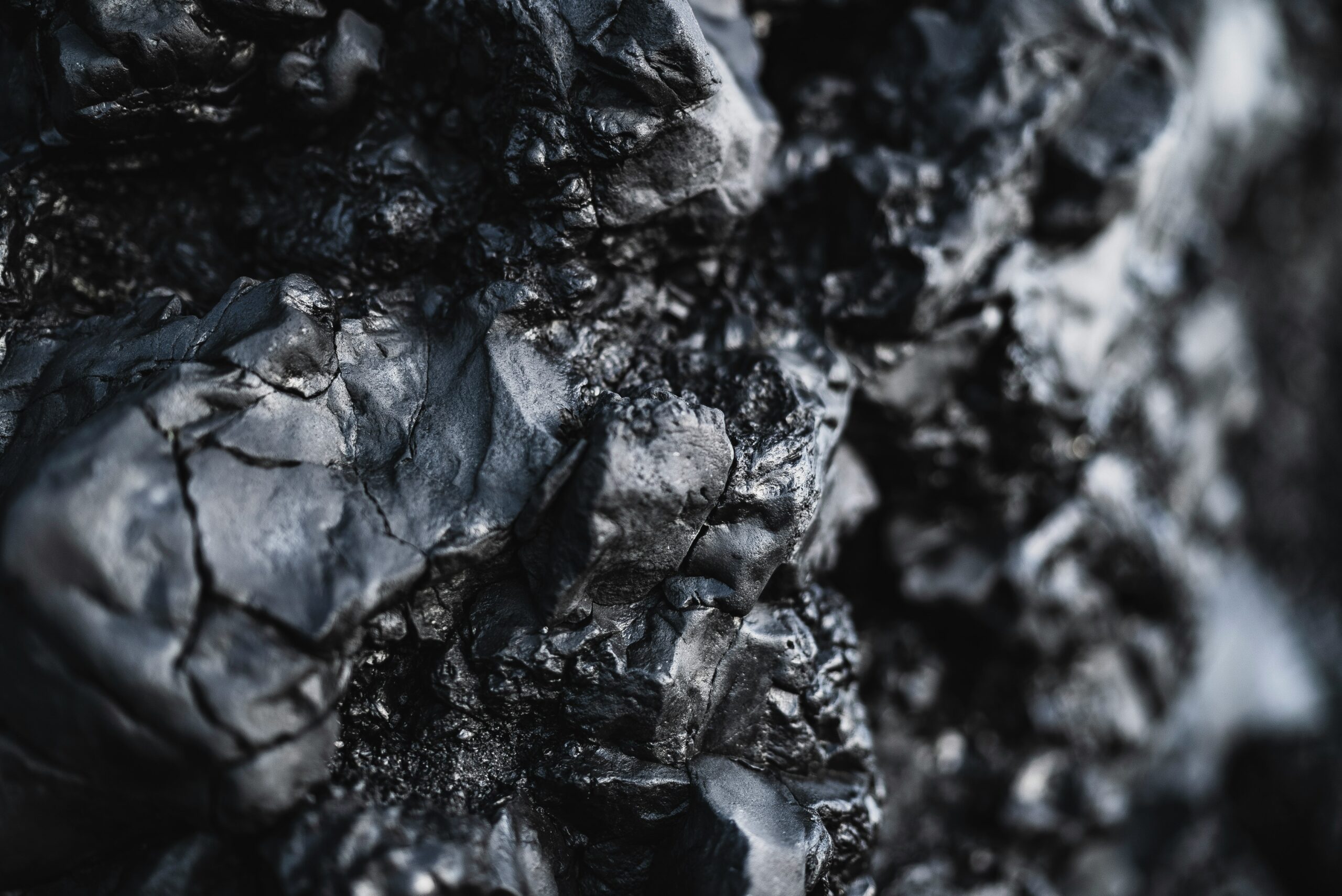
Obsidian, the volcanic glass born from rapidly cooled lava, has captivated humanity for millennia. Its sharp edges were invaluable for early tools and weapons, its glassy sheen for adornments, and its very formation a testament to the Earth’s fiery heart. Beyond its utilitarian and aesthetic appeal, however, obsidian serves as a crucial historical and geological archive. The ability to trace obsidian back to its specific volcanic source, or source region, is a powerful scientific pursuit that can illuminate ancient trade networks, migration patterns, resource management, and even prehistoric volcanic activity. This endeavor, known as obsidian sourcing or provenance studies, relies on a sophisticated suite of scientific methods, each offering a unique lens through which to decipher the chemical and physical fingerprints embedded within this glassy rock.
The Fundamental Principles of Obsidian Sourcing
The bedrock of obsidian sourcing lies in the inherent variability of geological materials. No two volcanic eruptions are precisely alike, and the chemical composition of the magma, influenced by the underlying mantle, crustal interactions, and the specific eruption dynamics, results in uniquely “fingerprinted” obsidian flows. These fingerprints are not merely superficial; they are chemically encoded within the very atomic structure of the glass.
Chemical Proxies: The Unshakeable Signatures
The most potent scientific methods for obsidian sourcing revolve around identifying and quantifying the elemental and isotopic composition of the obsidian. These analyses reveal the precise chemical cocktail that defines a particular source.
X-ray Fluorescence (XRF): A Non-Destructive Elemental Fingerprint
X-ray Fluorescence (XRF) is a workhorse in obsidian sourcing, lauded for its ability to provide detailed elemental analyses without damaging the sample. When an X-ray beam strikes an obsidian sample, it excites the atoms within, causing them to emit fluorescent X-rays at specific energies, unique to each element. By analyzing the wavelengths and intensities of these emitted X-rays, scientists can determine the concentration of various trace and major elements present in the obsidian.
XRF is particularly effective at identifying elements like rubidium (Rb), strontium (Sr), zirconium (Zr), niobium (Nb), yttrium (Y), and the rare earth elements (REEs). These elements, often present in parts per million (ppm) or even parts per billion (ppb) concentrations, act as powerful discriminators between different obsidian sources. Extensive databases, built over decades of research, compile the XRF elemental profiles of known obsidian sources worldwide. Once an archaeological obsidian artifact is analyzed, its elemental profile can be compared against these reference databases to identify potential source matches. The precise statistical comparison of these elemental suites, often employing multivariate statistical techniques like Principal Component Analysis (PCA) or discriminant function analysis, allows for robust source assignments.
Neutron Activation Analysis (NAA): The Gold Standard for Trace Elements
Neutron Activation Analysis (NAA) is another highly sensitive and precise analytical technique that has played a pivotal role in obsidian sourcing. In NAA, the obsidian sample is bombarded with neutrons, usually from a nuclear reactor. This process makes certain atoms within the sample radioactive, causing them to emit gamma rays. The energy and intensity of these emitted gamma rays are characteristic of the specific radioactive isotopes and their concentrations.
NAA excels at detecting extremely low concentrations of trace elements, often reaching detection limits in the parts per billion range. This makes it invaluable for identifying subtle chemical variations that might be missed by other techniques. Elements commonly analyzed by NAA include the REEs, tantalum (Ta), cesium (Cs), and hafnium (Hf). Similar to XRF, NAA data is compared against established source reference libraries to determine provenance. The high precision of NAA contributes to its reputation as a gold standard for trace element analysis in obsidian sourcing, particularly for resolving complex or geographically proximate source issues.
Inductively Coupled Plasma Mass Spectrometry (ICP-MS): A Versatile and Sensitive Approach
Inductively Coupled Plasma Mass Spectrometry (ICP-MS) has emerged as a powerful and increasingly popular technique for obsidian sourcing. In ICP-MS, the obsidian sample is dissolved, and the resulting solution is introduced into a high-temperature plasma. This plasma atomizes and ionizes the elements, which are then separated and detected by a mass spectrometer based on their mass-to-charge ratio.
ICP-MS offers excellent sensitivity and can analyze a broad spectrum of elements, including trace elements and even isotopes. Its versatility allows for the analysis of both major and minor elemental compositions, as well as the quantification of isotopic ratios. The ability to handle a wide range of sample types and its relatively rapid analysis times have made ICP-MS a valuable tool for large-scale sourcing projects. Its precision in determining the concentrations of elements like Rb, Sr, Zr, Nb, and REEs makes it highly effective for matching archaeological artifacts to their geological origins.
Energy Dispersive X-ray Spectroscopy (EDX/EDS): On-Site Screening and Preliminary Analysis
Energy Dispersive X-ray Spectroscopy (EDX), often coupled with Scanning Electron Microscopy (SEM-EDX), offers a more localized and often portable approach to elemental analysis. While generally less sensitive than XRF or NAA for trace elements, SEM-EDX is incredibly useful for initial screening, identifying major and minor element compositions, and for analyzing small inclusions or micro-domains within the obsidian.
The beauty of SEM-EDX lies in its ability to examine the surface of the obsidian at high magnification while simultaneously obtaining elemental information. This is particularly useful for identifying variations within a single artifact or for quickly assessing the potential of a sample for more detailed analysis using other techniques. It can also be valuable for detecting alterations or contamination that might affect the results of other methods. While not typically the primary method for definitive source assignment, SEM-EDX serves as an excellent preliminary tool, guiding further research and providing rapid insights into the material’s composition.
Isotopic Signatures: Deeper Geological Histories
Beyond elemental composition, isotopic analysis provides an even deeper glimpse into the geological history of obsidian. Isotopes are atoms of the same element that have different numbers of neutrons. Their relative abundance in a sample is a consequence of the long-term geological processes that shaped the source rock.
Strontium Isotope Ratios (⁸⁷Sr/⁸⁶Sr): Tracing Crustal and Mantle Interactions
Strontium isotope ratios, particularly the ⁸⁷Sr/⁸⁶Sr ratio, are incredibly useful for tracing the geological history of obsidian. Strontium-87 is a radiogenic isotope, meaning it is produced by the radioactive decay of Rubidium-87 over geological timescales. Therefore, older rocks with higher initial Rb concentrations will have higher ⁸⁷Sr/⁸⁶Sr ratios.
The ⁸⁷Sr/⁸⁶Sr ratio in obsidian reflects the composition of the magma source and the degree of interaction with the Earth’s crust. Different geological provinces, with varying crustal compositions, will imbue their magmas with distinct strontium isotope signatures. By measuring this ratio in obsidian artifacts and comparing it to known source values, scientists can infer the general geographic origin of the obsidian. This method is particularly effective for distinguishing between sources that might have similar trace element profiles but different crustal histories.
Neodymium Isotope Ratios (¹⁴³Nd/¹⁴⁴Nd): Unraveling Mantle Sources
Neodymium isotope ratios, specifically ¹⁴³Nd/¹⁴⁴Nd, are valuable for understanding the mantle source of the magma. Neodymium-143 is also a radiogenic isotope, derived from the decay of Samarium-147. The ¹⁴³Nd/¹⁴⁴Nd ratio provides information about the age and evolutionary history of the mantle source from which the magma originated.
Different mantle reservoirs, such as the depleted mantle (often associated with mid-ocean ridge basalts) or enriched mantle (more prevalent in continental settings), will have distinct ¹⁴³Nd/¹⁴Nd ratios. By analyzing these ratios in obsidian, scientists can gain insights into whether the magma was derived from a more primitive, less evolved mantle source or from a more recycled and enriched component. This can help distinguish between obsidian sources located in different tectonic settings or with differing geological origins, offering a complementary perspective to strontium isotope analysis.
Oxygen Isotope Ratios (¹⁸O/¹⁶O): Indicating Hydrothermal Alteration and Surface Processes
Oxygen isotope ratios, specifically ¹⁸O/¹⁶O, can provide information about the conditions under which the obsidian formed and any subsequent alteration it may have undergone. Water plays a significant role in the isotopic exchange between minerals and their environment.
The ¹⁸O/¹⁶O ratio in obsidian can be influenced by factors such as the initial oxygen isotopic composition of the magma, the degree of interaction with meteoric water (rain and groundwater), and the temperature of alteration. Significant hydrothermal alteration, where hot fluids circulate through the volcanic rock, can significantly alter the oxygen isotopic signature. Analyzing ¹⁸O/¹⁶O ratios can help identify obsidian that has undergone substantial alteration, potentially indicating its environment of formation or post-depositional history. While often used in conjunction with other methods, oxygen isotopes can offer unique insights into the geological processes that affected the obsidian source.
Scientists have developed innovative techniques to trace the origins of obsidian, a volcanic glass used by ancient cultures for tools and weapons. By analyzing the chemical composition of obsidian samples, researchers can identify the specific source of the material, which provides valuable insights into trade routes and cultural exchanges among prehistoric communities. For a deeper understanding of how trade agreements can influence resource distribution, you can read more in this related article on the USMCA trade agreement at Understanding the USMCA Trade Agreement.
Physical and Structural Characteristics: Complementary Clues
While chemical and isotopic analyses form the core of obsidian sourcing, physical and structural characteristics can provide valuable supplementary information, especially in cases where chemical data is ambiguous or when dealing with macroscopic observations.
Macroscopic and Microscopic Examination: Initial Assessment and Visual Identification
The visual appearance of obsidian itself can offer initial clues to its origin. Variations in color, texture, luster, and the presence of inclusions can be indicative of a particular source.
Color and Luster: The First Impressions of Volcanic Glass
Obsidian typically presents as black, vitreous material due to its high silica content and the presence of tiny mineral crystals or undissolved mineral grains. However, variations in color, ranging from deep black to brown, red, green, and even banded or iridescent forms (known as rainbow obsidian), can be significant. These color variations are often linked to the presence of specific trace elements or the degree of oxidation. For instance, the presence of hematite can impart reddish hues, while iron impurities can contribute to brown or green coloration. The luster, the way light reflects off the surface, can also vary, though it is generally a strong, glassy sheen. Observing these macroscopic features can provide a preliminary basis for hypothesis generation about a potential source.
Inclusions: Windows into the Magmatic Environment
The presence, type, and distribution of mineral inclusions within obsidian can be powerful indicators of its origin. Tiny crystals of minerals like plagioclase, pyroxene, amphibole, or even fragments of older volcanic rocks can be trapped within the molten magma as it cools.
Microscopic examination, often using polarized light microscopy or SEM, allows for the detailed identification and characterization of these inclusions. The types of minerals present, their relative abundance, and their morphology can all point to specific magmatic conditions and source rocks. For example, certain rare mineral species might be characteristic of a particular volcanic province. The presence of vesicles (gas bubbles) and their size distribution can also offer insights into the eruption dynamics.
Refractive Index and Density: Physical Properties of the Glass
The physical properties of obsidian, such as its refractive index and density, are also determined by its chemical composition and structural arrangement. These parameters, while less commonly used as primary sourcing indicators than chemical data, can still provide corroborative evidence.
Refractive Index Measurements: Optical Signature of the Glass
The refractive index (RI) measures how much light bends as it passes through a material. For obsidian, the refractive index is primarily influenced by its silica content and the presence of other oxides. Since different obsidian sources have subtly different chemical compositions, their refractive indices can also vary slightly. Precise measurements of the refractive index, often performed using a refractometer, can therefore serve as an additional data point for distinguishing between sources, especially when combined with other analytical techniques.
Density Determinations: Mass and Volume Relationships
Density, the ratio of mass to volume, is another physical property that can vary subtly between different obsidian sources due to compositional differences. While density measurements are generally less discriminating than chemical analyses, they can be useful for bulk characterization and for identifying potential anomalies. When conducted with high precision, density measurements can contribute to the overall body of evidence used to support or refute a particular source attribution.
Artifact Context and Archaeological Interpretation: Integrating Science and History
While the scientific methods provide the raw data, the interpretation of that data is inextricably linked to the archaeological context in which the obsidian artifact was found. Understanding where and how an artifact was discovered is crucial for a meaningful interpretation of its provenance.
Scientists have developed innovative methods to trace the origins of obsidian, a volcanic glass that has been used for tool-making for thousands of years. By analyzing the chemical composition of obsidian artifacts, researchers can determine their source, which can provide insights into ancient trade routes and human migration patterns. For a deeper understanding of how such tracing techniques can impact our knowledge of historical conflicts and cultural exchanges, you can read a related article on the ongoing struggles in Sudan, which highlights the importance of resource management in conflict zones. This article can be found here.
Spatial Distribution Analysis: Mapping Ancient Movements
The geographic distribution of obsidian artifacts unearthed at archaeological sites provides the fundamental evidence for ancient procurement and trade. When scientific sourcing reveals that artifacts at a particular site originate from a specific known volcanic source, it allows archaeologists to map the extent of past human movement and interaction.
By analyzing the spatial distribution of artifacts from a single source across multiple sites, researchers can identify likely trade routes, the reach of social networks, and the areas of influence of different communities. Conversely, if artifacts from a particular site show a preponderance of material from a single source, it suggests established access and likely direct procurement or well-developed trade mechanisms. Conversely, finding artifacts from multiple, geographically disparate sources at a single site points to more complex exchange networks and potentially broader economic or social integration.
Temporal Trends in Obsidian Use: Uncovering Shifting Resource Landscapes
The temporal dimension is equally critical in obsidian sourcing. Analyzing the provenance of obsidian artifacts within stratigraphic layers of an archaeological site allows for the reconstruction of how resource procurement strategies may have changed over time.
Early in human history, obsidian use might have been confined to proximal sources. As societies developed, technologies advanced, and social networks expanded, there might have been a shift towards acquiring obsidian from more distant, and perhaps more specialized, sources. Tracking these temporal shifts can reveal information about population movements, the development of new technologies that facilitated long-distance transport, and even the impact of geological events on resource availability. For example, the discovery of obsidian from a previously unknown source at a later period in the archaeological record might indicate the discovery and exploitation of a new resource or the development of new social dynamics that enabled access to it.
Site Catchment Analysis: Resource Management and Territorial Boundaries
Site catchment analysis, a method used in archaeology to study the resources available within a defined radius of an archaeological site, can be significantly enhanced by obsidian sourcing. Knowing the specific source of obsidian found at a site allows for a more precise understanding of the site’s resource procurement sphere.
If obsidian from a distant source is consistently found at a site, it suggests that the inhabitants had mechanisms for obtaining it, whether through direct expeditions, established trade relationships, or political alliances. This information can help define territorial boundaries, understand settlement patterns, and infer the economic strategies of past populations. The presence of obsidian from multiple distant sources at a single site could indicate that the occupants were positioned at a confluence of trade routes or acted as intermediaries in exchange networks.
Challenges and Future Directions in Obsidian Sourcing
Despite the impressive array of scientific methods available, obsidian sourcing is not without its challenges. The inherent variability within individual obsidian flows, the potential for alteration over geological or archaeological timescales, and the ongoing discovery of new sources mean that research is a continuous process.
The Challenge of Source Characterization and Variability
One of the primary challenges in obsidian sourcing is the comprehensive characterization of all potential sources. Volcanic landscapes are dynamic, and new obsidian flows can emerge or become accessible over time. Ensuring that reference databases are complete and up-to-date is crucial for accurate sourcing. Furthermore, even within a single obsidian flow, there can be internal variations in chemical composition due to the complex process of magma mixing and eruption. Understanding and accounting for this intra-source variability is essential to avoid misinterpretations.
The Problem of Alteration and Contamination
Obsidian, like any geological material, can be susceptible to alteration over long periods. Hydrothermal activity, weathering, or even post-depositional interactions with the soil can subtly change the chemistry of the obsidian, potentially affecting the accuracy of analytical results. Similarly, contamination from handling, storage, or the archaeological environment can introduce extraneous elements. Rigorous sample preparation protocols and careful interpretation of analytical data are necessary to mitigate these issues.
Emerging Technologies and Future Prospects
The field of obsidian sourcing is constantly evolving with the development of new analytical technologies and an increased understanding of geological processes. Advancements in analytical instrumentation, such as higher-resolution mass spectrometry and portable XRF devices, are making it possible to obtain more precise data more rapidly and in more diverse field settings. Furthermore, the integration of geochemical modeling and machine learning approaches is likely to enhance our ability to interpret complex datasets and identify subtle distinctions between sources. Continued collaboration between geologists, archaeologists, and chemists will undoubtedly lead to even more refined and insightful applications of scientific methods in tracing the ancient journeys of obsidian.

How Volcanic Glass Solved a 10,000-Year-Old Mystery
FAQs
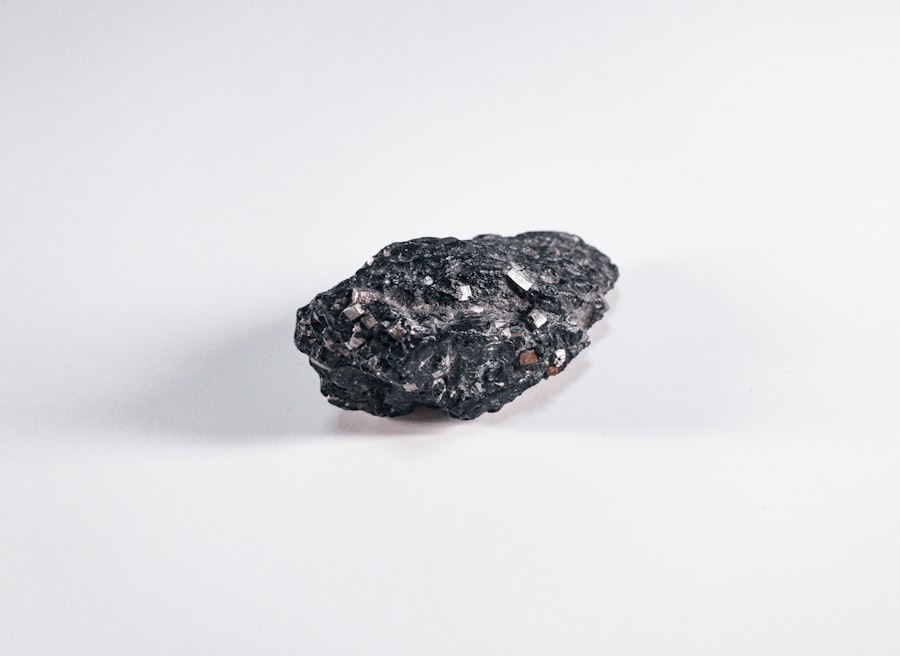
What is obsidian?
Obsidian is a naturally occurring volcanic glass formed as an extrusive igneous rock. It is usually black in color and has a smooth, glassy texture.
How do scientists trace obsidian?
Scientists trace obsidian by analyzing its chemical composition using a technique called X-ray fluorescence (XRF). This method allows them to identify the unique elemental signature of different obsidian sources.
Why do scientists trace obsidian?
Scientists trace obsidian to understand ancient trade routes, migration patterns, and social interactions of past human societies. By identifying the geological origin of obsidian artifacts, they can reconstruct ancient trade networks and cultural connections.
What can the tracing of obsidian tell us about ancient societies?
Tracing obsidian can provide insights into the movement of people and goods in ancient societies. It can reveal trade relationships, economic systems, and social interactions between different groups of people.
How accurate is the tracing of obsidian?
The tracing of obsidian using XRF is a highly accurate method, as it can detect even trace elements in the obsidian samples. This allows scientists to distinguish between different obsidian sources with a high degree of precision.