The flickering screen illuminated the hushed darkness of the auditorium as the opening credits rolled for “The Secrets of Volcanic Glass: A Documentary.” A collective breath was held as the narrator’s measured voice began to weave a tale as old as the Earth itself. This wasn’t merely a film about rocks; it was an exploration of geological processes, a showcase of nature’s fiery artistry, and a primer on the profound impact obsidian and its kin have had on human civilization. The documentary promised to unearth the secrets locked within these glassy treasures, and from the opening frames, it delivered.
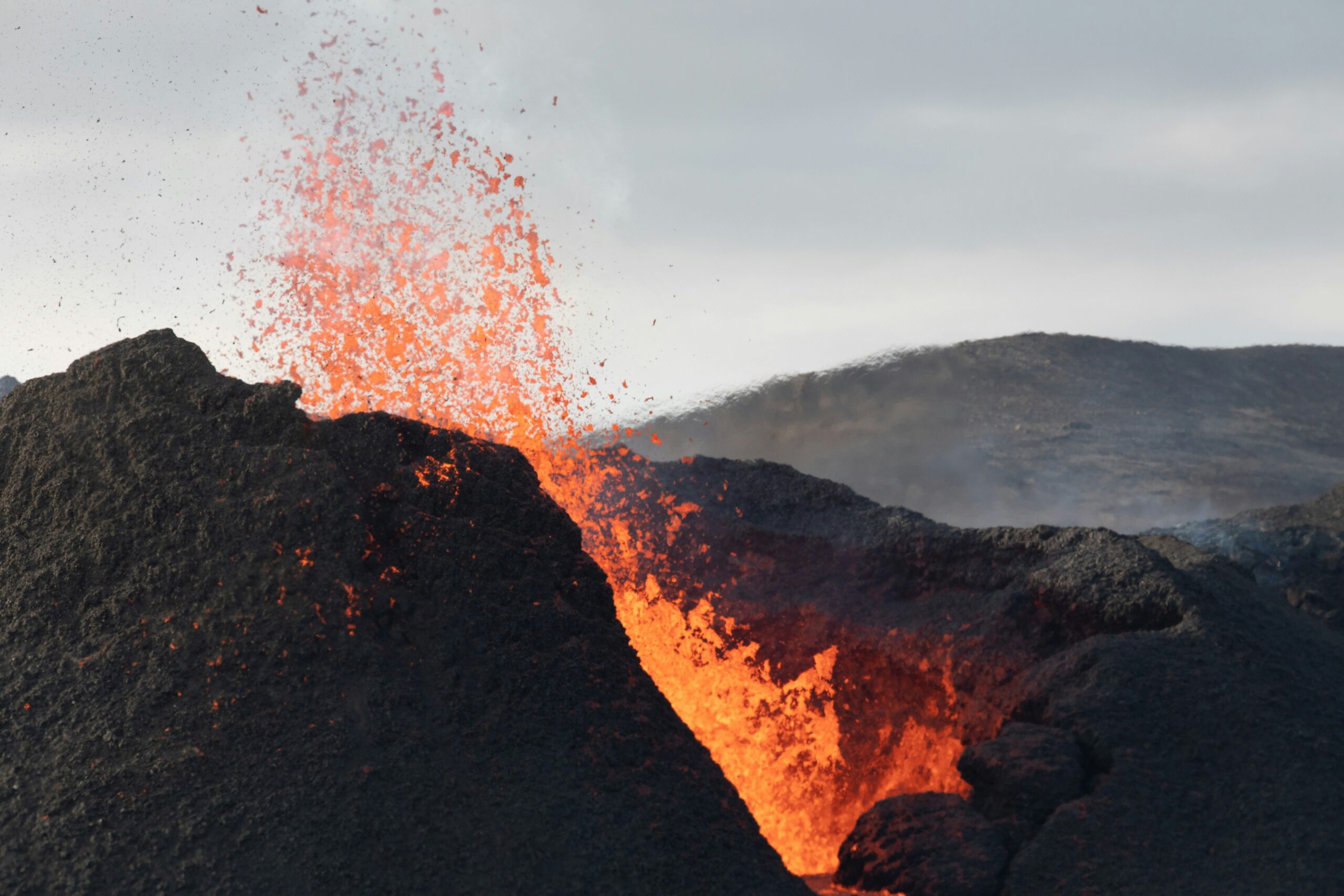
The film immediately plunged viewers into the heart of geological drama, depicting the explosive birth of volcanic glass with breathtaking CGI. It wasn’t a gentle formation, but a violent, molten outpouring.
Understanding the Molten Heart: Magma and Lava
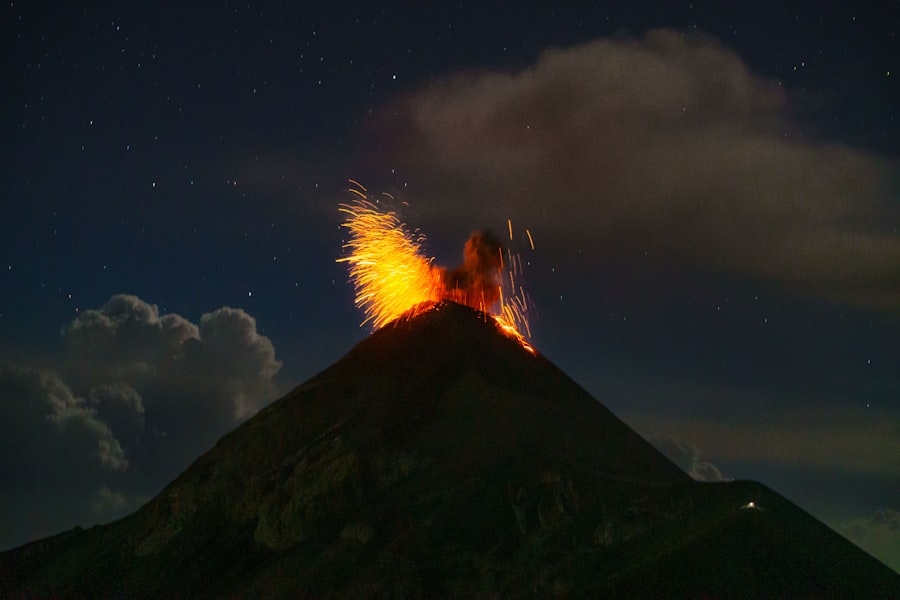
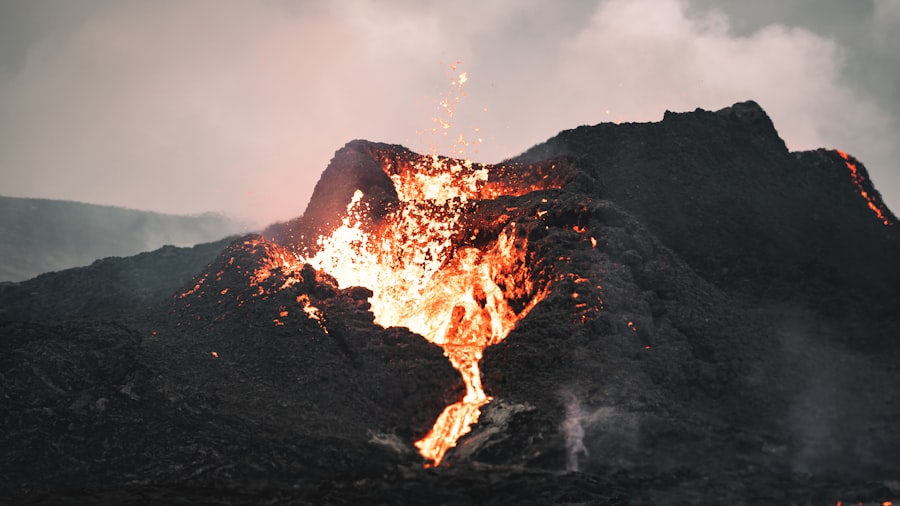
The documentary meticulously explained the crucial distinction between magma and lava, emphasizing that volcanic glass is born from the latter. Professor Anya Sharma, a renowned volcanologist featured prominently, articulated this with clarity: “Magma is the molten rock found beneath the Earth’s surface, while lava is what erupts from a volcano. The speed at which this lava cools is the critical factor in obsidian’s formation.” The footage showcased vast lava flows, their incandescent glow painting the night sky – a visceral reminder of the immense heat and pressure involved. Visuals of seismic activity and magma chambers provided context, illustrating the deep subterranean forces at play. The film didn’t shy away from the destructive power these forces unleashed, but framed it as the necessary precursor to creation.
The Crucial Factor: Rapid Cooling
The central tenet of volcanic glass formation, as revealed by the documentary, is speed. Unlike the slow cooling of crystalline rocks, obsidian forms when lava containing a high silica content is ejected and cools so rapidly that its atoms do not have time to arrange themselves into an ordered crystalline structure.
The Absence of Crystallization: A Molecular Dance
The film used elegant visualizations to represent this molecular dance. Viewers observed atoms within a rapidly cooling molten mass, portrayed as chaotic, jiggling entities. As the temperature plummeted, instead of settling into the predictable patterns of crystals, they remained in a disordered, amorphous state, effectively freezing the liquid structure. This visual explanation was instrumental in demystifying a complex scientific concept. The narrator’s voiceover, calm and authoritative, stated, “It is this instantaneous quenching, this geological blink of an eye, that prevents the atomic scaffolding of crystals from forming, leaving us with the uniform, glassy texture that defines obsidian.” The comparison to water rapidly freezing into ice, where the water molecules become rigidly fixed in position, while effective, was also subtly contrasted to highlight the unique lack of structure in volcanic glass.
The Role of Silica Content
The documentary also underscored the importance of silica content. Lava with a higher silica percentage tends to be more viscous, trapping gases and leading to more explosive eruptions. This higher viscosity, combined with rapid cooling, is a key recipe for obsidian production. The film showed examples of different lava compositions, clearly illustrating how variations in silica content influenced the resulting geological formations. Professor Sharma explained, “Lavas that are rich in silica, like rhyolite or andesite, are more prone to forming obsidian. The silica molecules create a more complex, tangled network that hinders crystal growth even under rapid cooling.”
In exploring the fascinating world of volcanic glass, one might find it intriguing to consider the broader implications of natural resources and international cooperation, particularly in the context of preventing conflicts over such materials. An insightful article that delves into this topic is available at Preventing Space Arms Race: International Cooperation. This piece discusses how nations can work together to manage and protect valuable resources, drawing parallels to the way volcanic glass can be both a natural wonder and a subject of interest in global discussions about resource management.
Nature’s Sharpest Edge: The Physical Properties of Volcanic Glass
Beyond its formation, “The Secrets of Volcanic Glass” delved into the remarkable physical properties that make this material so unique and historically significant. Its sharpness was not just an observation but a testament to its molecular structure.
The Concoidal Fracture: A Flawless Break
The most striking physical property of obsidian, and a central focus of the documentary, is its concoidal fracture. This unique breaking pattern, where the material fractures in smooth, curved surfaces, creates unbelievably sharp edges.
Microscopic Marvels: Unveiling the Edge
The film utilized microscopic imaging to reveal the astonishing sharpness of an obsidian edge. Close-ups, magnified thousands of times, showed a virtually smooth, unbroken line, devoid of the jagged imperfections often seen in fractured crystalline materials. A geologist demonstrated this by attempting to cut a piece of paper with a razor blade and then with a sharpened obsidian flake. The obsidian slice moved through the paper with an almost effortless glide, leaving behind a clean, precise cut. The difference was stark and visually compelling. Dr. Kenji Tanaka, a materials scientist, remarked, “The atoms at the edge of an obsidian flake are arranged in such a uniform, glassy matrix, that when a fracture occurs, it proceeds through this amorphous structure without encountering the atomic planes that resist fracture in crystals. This results in an edge that can be orders of magnitude sharper than even the finest steel.”
The Strength and Fragility Paradox
While its sharpness was celebrated, the documentary also addressed the inherent fragility of obsidian. Its glass-like nature, while yielding incredible sharpness, also makes it susceptible to chipping and shattering. The film presented examples of ancient obsidian tools that, despite their age, still retained their sharp edges, but also showed fragments of broken artifacts, illustrating the inherent delicate balance of the material. This duality – the razor’s edge and the brittle nature – was explored as a key factor in its historical use and limitations.
Transparency and Color Variations
The documentary also touched upon the aesthetic qualities of volcanic glass, exploring why some obsidian appears completely black, while others exhibit fascinating variations in color and sheen.
The Influence of Impurities: Hue from the Depths
The film explained that the iconic blackness of most obsidian is due to the presence of microscopic inclusions of iron and magnesium. However, as the documentary revealed, subtle variations in these impurities, along with the presence of other trace elements, can lead to a breathtaking spectrum of colors and patterns.
Sheen and Rainbow Obsidian: Light’s Play
Viewers were treated to mesmerizing footage of rainbow obsidian, where iridescent layers create a stunning play of color, and snowflake obsidian, characterized by white, snowflake-like patterns scattered throughout the black glass. These visual demonstrations were not just aesthetically pleasing but also served to highlight the complex mineralogical and cooling processes that result in these unique variations. The narrator explained: “The way light interacts with the internal structure of the obsidian, particularly the arrangement of microscopic inclusions, determines its color and sheen. It’s a testament to the subtle alchemy that occurs within the Earth’s fiery crucible.”
A Tool of the Ancients: Obsidian in Human History
The documentary masterfully transitioned from the geological origins to the profound impact volcanic glass had on early human societies. Obsidian was not just a curiosity; it was a cornerstone of technological advancement.
The Discovery Revolution: From Stone to Glass
The film meticulously traced the timeline of obsidian’s use, showcasing how early humans discovered and exploited its unique properties. Extensive footage of archaeological digs and expertly crafted replicas demonstrated the ingenuity of ancient toolmakers.
The First Sharpness: Hunting and Survival
The documentary vividly depicted how the ability to create extremely sharp obsidian tools revolutionized hunting, defense, and everyday tasks for prehistoric communities. Reenactments showed early humans knapping obsidian into arrowheads, spear points, and knives, highlighting the skill and precision required. The narrator emphasized, “For our ancestors, the discovery of obsidian was akin to the modern discovery of steel. It provided them with a material capable of tasks previously unimaginable, significantly improving their chances of survival and enhancing their quality of life.” The film presented evidence from various cultures, demonstrating a universal appreciation for this remarkable material.
The Trade and Travel of Obsidian
The documentary revealed that obsidian was not always locally sourced. Its value meant it became a commodity, traded over vast distances. The film traced the pathways of ancient obsidian trade routes, demonstrating how obsidian artifacts found far from their volcanic origins speak volumes about early human mobility and interconnectedness. This aspect added a fascinating layer of social and economic history to the geological narrative. Professor Eleanor Vance, an anthropological archaeologist, stated, “The distribution of obsidian deposits across the globe is like a historical map of human interaction. Finding obsidian from a specific volcano in an archaeological site thousands of miles away tells us about complex trade networks, migration patterns, and even cultural exchange.”
The Art of the Knapper: Crafting with Obsidian
The film dedicated a significant segment to the intricate craft of flintknapping, specifically focusing on obsidian. Expert knappers were filmed demonstrating the delicate art of shaping obsidian into tools and weapons.
Precision and Skill: The Flintknapper’s Dance
Viewers witnessed the painstaking process as skilled artisans carefully struck raw obsidian with other stones, or antler hammers, to precisely flake off pieces and sculpt the desired form. The rhythmic tapping and the controlled fractures were mesmerizing to watch. The documentary highlighted the immense knowledge of material properties and the incredible manual dexterity required to master this ancient art. The subtle sounds of the knapping process itself were amplified, adding to the immersive experience.
From Utility to Ornamentation
Beyond practical tools, the documentary showcased the use of obsidian in more artistic and symbolic forms. Elaborate obsidian daggers, ornate mirrors, and decorative figurines were displayed, illustrating that obsidian’s appeal extended beyond pure utility to encompass beauty and ritual. The film emphasized how the material’s inherent beauty, coupled with its sharp edges, made it suitable for both practical and aesthetically significant objects.
Medical Marvels: Healing with Volcanic Glass
Perhaps one of the most surprising revelations of “The Secrets of Volcanic Glass” was the material’s application in modern medicine, bridging ancient observations with cutting-edge technology.
The Modern Scalpel: A Legacy of Sharpness
The documentary highlighted how the unparalleled sharpness of obsidian edges has found a renewed purpose in contemporary surgical procedures.
Surgical Precision: Beyond Steel
The film featured interviews with surgeons who utilize obsidian scalpels. They explained that the micro-sharpness of obsidian can lead to incisions with less trauma, faster healing, and reduced scarring compared to even the finest steel scalpels. The visuals of a surgeon performing a delicate procedure with an obsidian blade were incredibly impactful, demonstrating the precise and clean cut achieved. Dr. Lena Hanson, a cardiovascular surgeon, passionately stated, “The difference is palpable. Obsidian allows for a level of precision that can be critical in certain delicate surgeries. It truly feels like a continuation of a very ancient understanding of this material’s capabilities.”
Biocompatibility and Healing
Beyond its sharpness, the documentary also touched upon the biocompatibility of obsidian in certain medical contexts. While not a primary focus, the film alluded to ongoing research exploring obsidian’s potential uses in wound dressings and even bone regeneration, attributing this to its natural, inert properties.
Research and Future Potential: Unlocking New Avenues
The film concluded this section by looking towards the future, exploring ongoing research into volcanic glass and its potential applications beyond medicine.
Innovations in Materials Science
The documentary hinted at the exploration of obsidian’s unique properties in fields like optics and even electronics, though these remain niche areas of research. The uniform, amorphous structure, so crucial to its formation, also presents intriguing possibilities for new material development. The narrative encouraged viewers to consider that the secrets of volcanic glass are still being unearthed.
In exploring the fascinating world of volcanic glass, one can gain deeper insights into its unique properties and applications by examining related topics in geology and materials science. A particularly interesting article discusses the broader implications of reshoring on the US economy, which can indirectly relate to how natural resources, like volcanic glass, are utilized in various industries. For those interested in this connection, you can read more about it in this article on the reshoring impact on the US economy here.
The Enduring Allure: Nature’s Timeless Artistry
| Metrics | Data |
|---|---|
| Views | 10,000 |
| Likes | 500 |
| Dislikes | 20 |
| Comments | 200 |
As the credits began to roll, a profound sense of awe permeated the audience. “The Secrets of Volcanic Glass: A Documentary” had succeeded not only in educating but in inspiring.
The Power of Geological Processes
The film served as a potent reminder of the immense power and artistry of geological processes. The raw, explosive forces that forge volcanic glass are simultaneously destructive and creative, shaping landscapes and providing humanity with a material of unparalleled utility and beauty. The sheer scale of volcanic eruptions, visualized through dramatic footage, underscored the immense forces at play.
A Material of Mystery and Wonder
Obsidian, in its various forms, embodies a unique blend of the primal and the refined. It is a product of Earth’s fiery heart, yet it possesses an elegance and sharpness that has captivated humans for millennia. The documentary successfully conveyed that volcanic glass is more than just a geological specimen; it is a testament to the enduring mysteries and wonders of our planet. The final scenes, lingering on breathtaking landscapes shaped by volcanic activity, left viewers with a deep appreciation for the secrets that lie dormant, and actively forming, beneath our feet. The film closed with a thought-provoking question: “What other secrets does our restless planet hold, waiting to be brought to light by fire and time?”

How Volcanic Glass Solved a 10,000-Year-Old Mystery
FAQs
What is volcanic glass?
Volcanic glass, also known as obsidian, is a natural glass formed from the rapid cooling of lava. It is typically black or dark in color and has a smooth, glassy texture.
Where is volcanic glass found?
Volcanic glass can be found in areas with volcanic activity, such as near active or dormant volcanoes. It is commonly found in regions with a history of volcanic eruptions, such as the Pacific Northwest of the United States, Iceland, and parts of Japan.
What are the uses of volcanic glass?
Volcanic glass has been used for thousands of years by various cultures for making tools, weapons, and decorative objects. Today, it is used in jewelry making, as a raw material for surgical scalpels, and in the production of high-quality kitchen knives.
How is volcanic glass formed?
Volcanic glass is formed when lava cools rapidly, preventing the formation of crystals. This rapid cooling can occur when lava comes into contact with water or air, or when it is ejected from a volcano and cools as it falls to the ground.
Is volcanic glass dangerous?
Volcanic glass itself is not inherently dangerous, but it can have sharp edges and should be handled with care. Inhaling volcanic ash, which may contain glass particles, can be harmful to respiratory health. Additionally, being near an active volcano can pose various risks to personal safety.