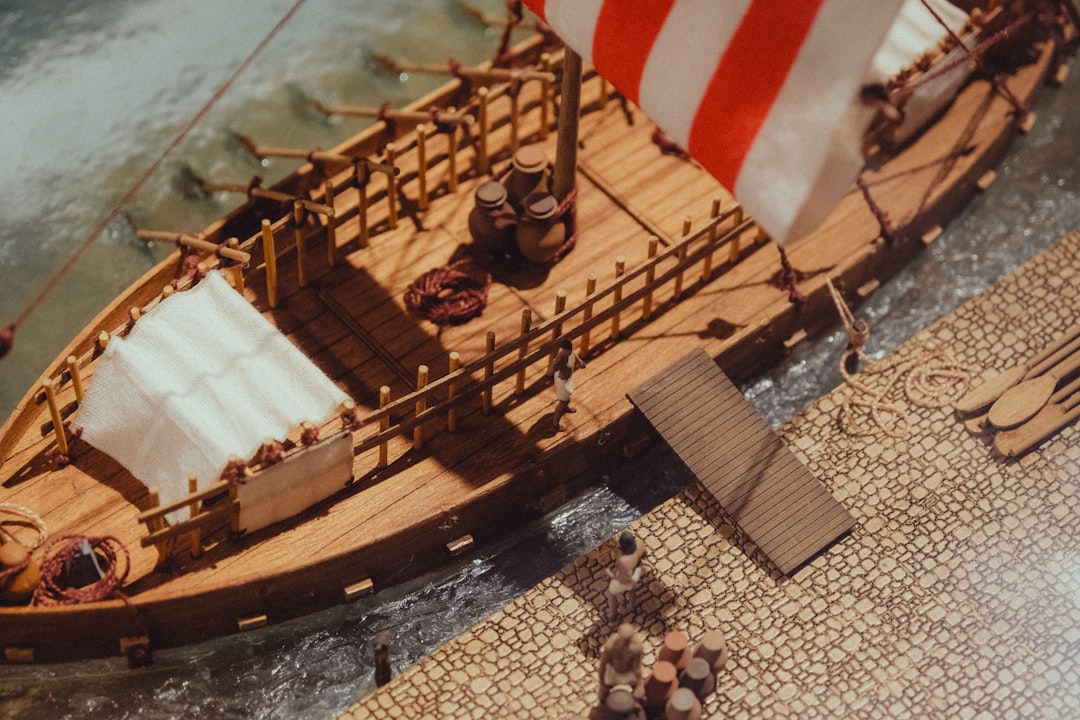
Bartering and trade were the lifeblood of ancient civilizations, forming the fundamental bedrock upon which their economies, social structures, and even their very expansion and survival rested. Long before the advent of standardized currency, humans engaged in the direct exchange of goods and services, a practice that spurred innovation, fostered interconnectedness, and shaped the course of history. From the fertile crescent to the fertile plains of the Indus Valley, and across the vast expanse of Mesoamerica, the intricate dance of bartering and trade allowed communities to overcome limitations, acquire essential resources, and build the foundations of complex societies. This article will delve into the multifaceted world of ancient bartering and trade, exploring its origins, evolution, and enduring impact.
The very beginnings of human civilization were inextricably linked to the practice of bartering. As small, nomadic groups coalesced into more settled communities, the need to share and exchange resources became apparent. This was not merely a matter of convenience; it was a survival imperative. Different environments offered different resources, and no single community possessed everything it needed. The earliest forms of bartering were likely opportunistic and direct, borne out of immediate necessity. A hunter who had an excess of game might trade with a gatherer who had a surplus of seeds or roots. This rudimentary exchange system, driven by the principle of reciprocity, laid the groundwork for more sophisticated trading networks.
The Origins of Specialization and the Need for Exchange
As communities grew and settled, specialization began to emerge. Certain individuals or groups within a society would develop particular skills or access to specific resources. A village situated near a flint deposit might become adept at crafting tools, while another near a river might excel in fishing or pottery. This natural divergence in skills and resources created an inherent need for exchange. The flint tool maker, no matter how skilled, could not subsist solely on stone. They needed food, clothing, and other necessities that others could provide, and in return, they offered their specialized products. This early specialization was a direct consequence of the benefits derived from bartering, fostering a more efficient use of labor and resources within a community.
The Concept of “Fair Value” in Early Bartering
While not governed by abstract monetary principles, early bartering systems invariably contained an implicit understanding of “fair value.” This was not a fixed, scientifically determined metric, but rather a dynamic equilibrium based on perceived utility, scarcity, and the effort involved in acquiring or producing an item. A stone axe, for instance, would likely be valued more highly than a handful of berries due to the labor and skill required for its creation. This concept of relative value allowed for a degree of predictability in exchanges, even if the exact ratio varied from transaction to transaction and from community to community. The longer-term sustainability of bartering relied on a general agreement regarding the worth of various commodities.
Beyond Immediate Needs: The Emergence of Surplus and Storage
The transition from hunter-gatherer societies to settled agriculture was a pivotal moment in the development of trade. Agriculture allowed for the production of surplus goods, a fundamental prerequisite for sustained trade. Once basic needs were met, communities began to accumulate excess food, raw materials, and crafted items. This surplus could then be used in more organized bartering systems, not just for immediate consumption but also for the acquisition of items that were not locally available or for the accumulation of wealth, in its earliest, non-monetary form. The ability to store surplus also meant that trade could extend beyond immediate harvests and seasons, allowing for longer-term planning and investment in trade relationships.
Ancient trade practices played a crucial role in the development of early civilizations, facilitating the exchange of goods, ideas, and cultures across vast distances. For a deeper understanding of how these trading systems contributed to societal growth and eventual decline, you can explore the article on the impact of technology on civilization’s downfall. This insightful piece discusses how advancements and shifts in trade dynamics influenced the rise and fall of ancient societies. To read more, visit this article.
The Rise of Organized Trade Networks: Connecting Communities
As populations grew and civilizations began to flourish, bartering evolved from simple, localized exchanges into complex and organized trade networks. These networks spanned vast distances, connecting disparate communities and even entire empires. The motivation for engaging in these long-distance exchanges was multifaceted, ranging from the acquisition of luxury goods to the procurement of essential raw materials not found in local environments. The development of these networks was a testament to human ingenuity and the drive to expand horizons, both literally and figuratively.
The Role of Essential Commodities: Salt, Grain, and Precious Metals
Certain commodities played a particularly vital role in ancient trade networks due to their inherent utility and widespread demand. Salt, for instance, was essential for food preservation and was highly sought after in regions where it was scarce. Grain, the staple food of many civilizations, was also a major trade commodity, allowing for the redistribution of food resources from surplus-producing areas to those facing shortages. While not always used as a medium of exchange in the earliest stages, the intrinsic value of precious metals like gold and silver, due to their rarity, durability, and malleability, gradually led to their adoption as a form of proto-currency, facilitating more complex bartering and eventually paving the way for minted coinage.
The Importance of Transportation and Infrastructure
The expansion of trade networks was heavily reliant on the development of transportation and infrastructure. Rivers served as natural highways for early trade, with boats and rafts carrying goods over long distances. The construction of roads, even rudimentary ones, opened up new avenues for land-based commerce. These infrastructure projects, often undertaken by powerful rulers or city-states, were crucial for facilitating the movement of goods, protecting merchants, and fostering economic growth. The upkeep and security of these routes were paramount to the success of any large-scale trading endeavor.
The Emergence of Merchant Classes and Trading Hubs
The rise of organized trade led to the emergence of specialized merchant classes. These individuals dedicated themselves to the procurement, transport, and exchange of goods, often accumulating considerable wealth and influence. Trading hubs, or emporiums, developed in strategic locations, becoming centers of economic activity and cultural exchange. Cities like Uruk in Mesopotamia, Mohenjo-Daro in the Indus Valley, and later, Alexandria in Egypt, thrived as major trading centers, attracting merchants from far and wide and fostering a vibrant atmosphere of commerce and innovation.
The Influence of Geography and Resources: Driving Trade Routes
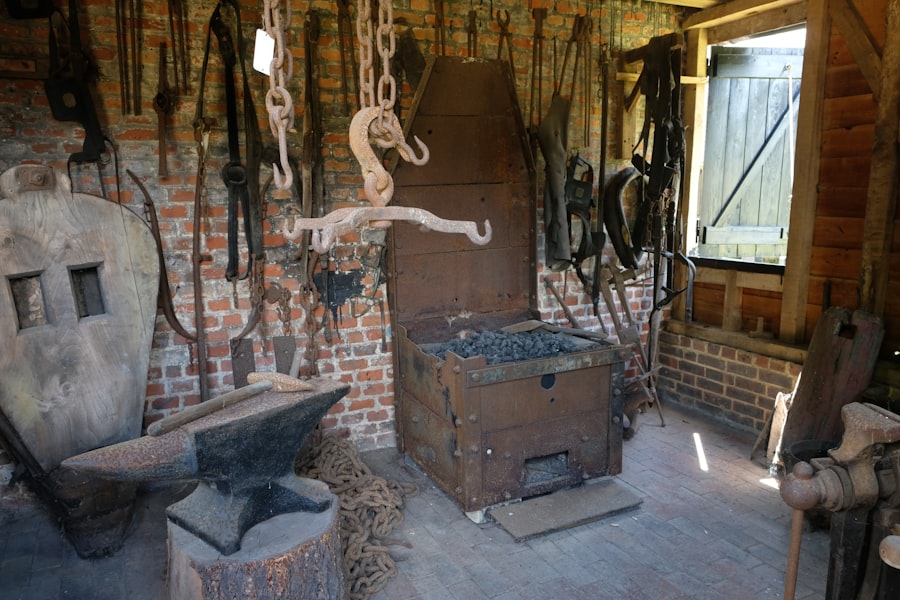
The physical landscape and the availability of natural resources were fundamental drivers of ancient trade routes. Different regions possessed unique endowments, creating imbalances that could only be rectified through exchange. Mountains might yield precious metals or stones, while fertile river valleys would produce abundant grains. Coastal areas would have access to marine resources and fishing, while inland regions might have forests for lumber and game. Understanding these geographical dictates was key to establishing successful trade relationships.
Access to Raw Materials: Metals, Timber, and Textiles
The quest for essential raw materials was a primary catalyst for ancient trade. Nations rich in copper needed tin to create bronze, leading to extensive trade networks that connected mining regions with manufacturing centers. Access to timber was crucial for shipbuilding, construction, and fuel. Regions with favorable climates and agricultural conditions would specialize in growing certain crops, while others might focus on animal husbandry, producing wool and hides for textiles. The search for exotic materials, such as spices, dyes, and perfumes, also fueled long-distance trade, bringing the world closer together through the exchange of rare and desirable commodities.
The Role of Strategic Locations and Natural Ports
Geography played a critical role in determining the profitability and feasibility of trade routes. Natural harbors and navigable rivers often became the focal points of trade, facilitating the loading and unloading of goods. Cities located at crossroads, where land and sea routes intersected, or at the confluence of major rivers, often flourished as major trading hubs. The control of these strategic locations could grant significant economic and political power, leading to competition and sometimes conflict between different states vying for dominance over lucrative trade pathways.
Environmental Factors and their Impact on Trade Patterns
Environmental factors, such as climate, rainfall, and geological formations, profoundly influenced trade patterns. Periods of drought or floods could devastate agricultural production in one region, creating a demand for imported food supplies. Conversely, abundant harvests in another area would lead to a surplus that could be traded. The presence of natural barriers like deserts or mountain ranges would dictate the feasibility of overland trade and encourage the development of sea routes. Understanding and adapting to these environmental fluctuations was crucial for the sustained success of any trading enterprise.
Bartering Beyond the Marketplace: Social and Political Implications

The impact of bartering and trade extended far beyond the mere exchange of goods. It played a significant role in shaping social hierarchies, fostering political alliances, and even influencing cultural diffusion. The accumulation of wealth through trade could elevate individuals and families, while the control of trade routes could grant rulers considerable power and influence. Furthermore, as goods and ideas traveled across vast distances, so too did cultures, technologies, and belief systems, leading to a rich tapestry of interconnected ancient societies.
The Rise of Wealth and Social Stratification
The accumulation of wealth through successful bartering and trade was a primary driver of social stratification in ancient societies. Merchants and traders who could leverage their skills and networks often amassed considerable fortunes, allowing them to acquire land, invest in businesses, and exert influence within their communities. This economic power often translated into social prestige and the ability to secure privileges, creating distinct social classes with varying degrees of influence and opportunity. The disparities in wealth generated by trade could also be a source of social tension and upheaval.
The Formation of Alliances and Diplomatic Relations
Trade was often intertwined with diplomacy and political alliances. Rulers would establish trade agreements to secure essential resources, foster economic interdependence, and build relationships with neighboring states. Control over vital trade routes could be used as a bargaining chip in diplomatic negotiations, and the disruption of trade could be a powerful weapon in times of conflict. The exchange of gifts, often valuable commodities, served as a means of cementing alliances and fostering goodwill between rulers and their representatives.
Cultural Exchange and the Diffusion of Ideas
As goods traveled across continents, so too did ideas, technologies, and cultural practices. The Silk Road, arguably the most famous ancient trade route, facilitated the exchange of silk, spices, and other commodities between the East and the West, but it also served as a conduit for the transmission of Buddhism, papermaking technology, and artistic styles. This cultural diffusion was a powerful force in shaping the development of diverse civilizations, leading to innovation, the adoption of new customs, and a broader understanding of the world.
Ancient trade practices were complex and varied, often involving the exchange of goods and services across vast distances. For a deeper understanding of how these early trading systems functioned, you might find it interesting to explore the dynamics of authority and governance in trade, as discussed in this article on the role of government in declared disasters. This connection highlights how the principles of trade and authority have evolved over time, shaping the way societies interact and respond to crises. You can read more about it here.
The Transition to Monetized Economies: The Legacy of Barter
| Trade Route | Goods Traded | Distance Traveled | Transportation Used |
|---|---|---|---|
| Silk Road | Silk, spices, precious metals | 4,000 miles | Camels, horses, and ships |
| Amber Road | Amber, salt, glassware | 1,600 miles | Caravans and boats |
| Incense Route | Incense, spices, perfumes | 3,000 miles | Camels and ships |
The evolution of bartering was a crucial precursor to the development of monetized economies. As the complexity of trade grew, the inefficiencies of direct barter became increasingly apparent. The need for a standardized medium of exchange—something that was universally accepted, divisible, durable, and portable—became paramount. This led to the gradual adoption of precious metals, and eventually, to the minting of coinage, which revolutionized commerce and laid the foundation for the economic systems that govern the world today.
The Inefficiencies of Direct Barter
While effective in its early stages, direct bartering presented several inherent inefficiencies. The “double coincidence of wants” was a perpetual challenge – a trader had to find someone who not only desired what they offered but also possessed something the trader wanted in return. This could be time-consuming and often resulted in missed opportunities. Furthermore, the divisibility of certain goods proved problematic, making it difficult to exchange fractional amounts. The storage and transport of perishable goods also posed significant challenges.
The Rise of “Commodity Money”
As a solution to these inefficiencies, certain universally desirable commodities began to serve as proto-money. Shells, cattle, salt, and eventually, precious metals like gold, silver, and copper, all served this purpose in various societies. These commodities possessed intrinsic value and were more readily accepted in exchange for a wider range of goods and services than, for example, a surplus of dried fish. This marked a significant step towards a more fluid and efficient system of exchange.
The Advent of Coinage and its Transformative Impact
The invention of coinage, likely originating in Lydia around the 7th century BCE, represented a truly transformative leap. Standardized pieces of metal, stamped with an official mark guaranteeing their weight and purity, eliminated the need for haggling over the intrinsic value of materials. Coinage facilitated taxation, enabled the payment of wages and soldiers, and greatly simplified accounting and record-keeping. This innovation spurred further economic growth, facilitated the expansion of empires, and ultimately shaped the modern financial world. The legacy of bartering, however, continues to resonate, reminding us of the fundamental human desire to exchange and connect.

How Volcanic Glass Solved a 10,000-Year-Old Mystery
FAQs
What were the main items traded by ancient people?
Ancient people traded a variety of goods including spices, precious metals, textiles, pottery, and agricultural products such as grains and livestock.
How did ancient people transport goods for trade?
Ancient people used various methods to transport goods for trade including caravans of pack animals, boats and ships for maritime trade, and even early forms of wheeled vehicles for overland trade.
What were some of the major trade routes used by ancient people?
Some of the major trade routes used by ancient people include the Silk Road, which connected China to the Mediterranean, the Amber Road in Europe, and the Trans-Saharan trade routes in Africa.
How did ancient people conduct trade negotiations and agreements?
Ancient people conducted trade negotiations and agreements through the use of intermediaries, such as merchants and traders, who would facilitate the exchange of goods and negotiate terms on behalf of their respective communities.
What impact did ancient trade have on the development of civilizations?
Ancient trade played a significant role in the development of civilizations by facilitating the exchange of ideas, technologies, and cultural practices, as well as contributing to the economic prosperity and growth of ancient societies.