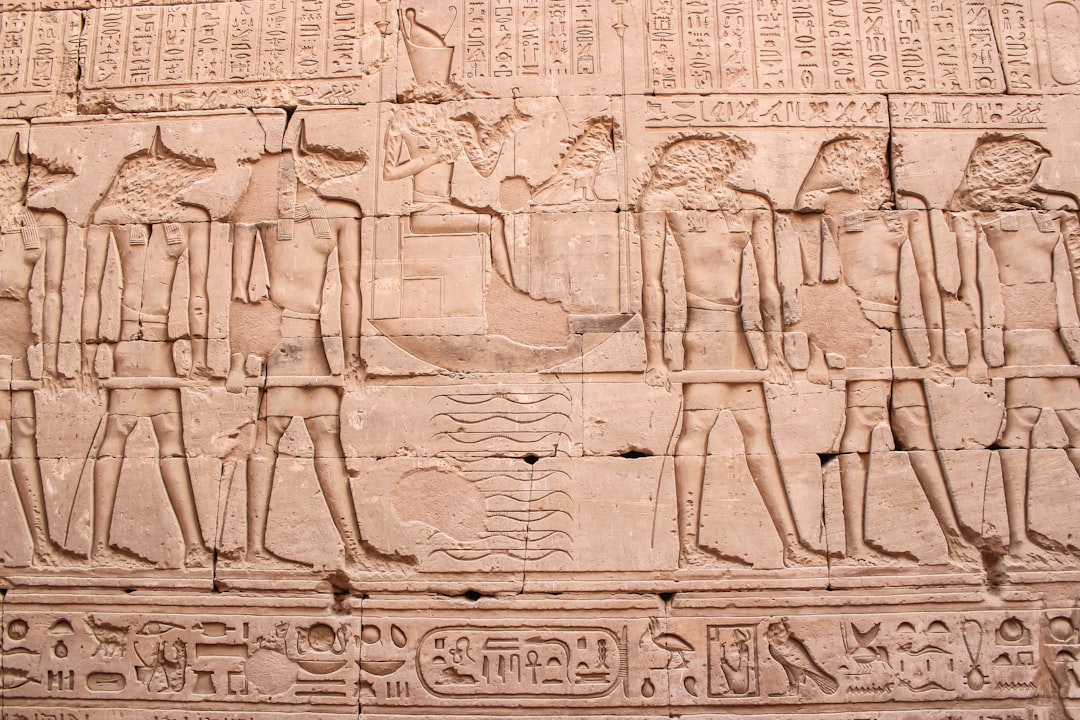
The dust of millennia, disturbed by the careful brush stroke, reveals stories etched in stone, clay, and bone. Archaeology, once the realm of treasure hunters and romantic adventurers, has blossomed into a sophisticated scientific discipline, driven by empirical evidence and cutting-edge technology. It is the meticulous excavation and analysis of human history, piecing together the fragments of lost civilizations to understand who we were, how we lived, and the enduring legacy we have left behind. This journey into the past is not a passive observation; it is an active quest, an act of intellectual detective work where every artifact, every stratum of soil, holds a piece of a grander puzzle.
Archaeological excavation is far more than simply digging holes. It is a highly controlled and systematic process designed to preserve the context of artifacts, recognizing that their precise location provides as much information as the object itself. The fundamental principle guiding this process is stratigraphy, the study of layered deposits.
Understanding the Earth’s Archives
The Law of Superposition
At the heart of stratigraphy lies the Law of Superposition, a principle borrowed from geology. This law dictates that in any undisturbed sequence of rock or soil layers (strata), the oldest layers will be at the bottom, and the youngest layers will be at the top. Archaeologists apply this law to understand the chronological order of human occupation and activity at a particular site. Each excavation unit, be it a trench, a grid square, or an area excavation, is meticulously documented layer by layer.
Recording Every Detail: From Grid to GPS
The archaeological site is meticulously mapped and divided into a precise grid system. This ensures that the exact location of every artifact, feature (like postholes, hearths, or walls), and soil change is recorded with extreme accuracy. Modern archaeology utilizes advanced surveying techniques, including Total Stations and Global Positioning Systems (GPS), to create detailed three-dimensional maps of the excavation. This spatial data is crucial for reconstructing the layout of ancient settlements and understanding the relationships between different finds.
The Art of the Brush and Trowel
While heavy machinery might be used for initial surveying or stripping large overburden, the delicate work of excavation is typically done with hand tools – trowels, brushes, dental picks, and even small spoons. The archaeologist’s touch must be gentle, coaxing out fragile objects and minute details without causing damage. Every shovelful of soil is sieved, often through screens of varying mesh sizes, to catch even the smallest artifacts, such as beads, seeds, or tiny bone fragments, which can provide invaluable insights.
Documenting the Unearthing: Notes, Photos, and Drawings
Comprehensive documentation is paramount. Archaeologists maintain detailed written field notes, describing the soil color and texture, the presence of features, and the context of artifacts. They take extensive photographs from various angles, documenting the progression of the excavation and the appearance of finds in situ. Hand-drawn plans and sections of the excavation units provide a visual record of the stratigraphic layers and features. This meticulous record-keeping ensures that the information gathered during the excavation can be analyzed and reinterpreted long after the digging has ceased.
In the realm of scientific archaeology, the intersection of technology and historical research continues to unveil fascinating insights into ancient civilizations. A related article that delves into innovative archaeological methods is titled “The River: Engine Powering the Two Crowns.” This piece explores how modern techniques are being applied to understand the significance of waterways in shaping historical power dynamics. For more information, you can read the article here: The River: Engine Powering the Two Crowns.
Beyond the Shovel: The Science Behind the Artifact
Once artifacts are removed from the ground, their scientific journey is far from over. Laboratory analysis transforms these seemingly inert objects into articulate witnesses to the past. A vast array of scientific techniques, borrowed from disciplines as diverse as chemistry, physics, and biology, are employed to unlock their secrets.
Material Culture, Material Science
Chemical Analysis: Unraveling Composition
The chemical composition of artifacts can reveal a wealth of information. Techniques like X-ray fluorescence (XRF) can determine the elemental composition of metals, ceramics, and glass, helping to identify the origin of raw materials and trade networks. Mass spectrometry can be used to analyze the isotopic ratios within materials like bone or pottery, offering clues about diet, migration patterns, and the origin of traded goods. For example, the analysis of lead isotopes in Roman glassware can help pinpoint the quarries from which the sand was sourced.
Dating the Past: Chronological Frameworks
Radiocarbon Dating: The Decay of Carbon-14
One of the most revolutionary scientific tools in archaeology is radiocarbon dating. This method relies on the radioactive decay of carbon-14, a naturally occurring isotope of carbon that is present in all living organisms. When an organism dies, it stops taking in carbon-14, and the existing carbon-14 begins to decay at a known rate. By measuring the remaining amount of carbon-14 in an organic sample (such as bone, wood, or charcoal), scientists can determine how long ago the organism died, providing a date for the associated archaeological context. This technique is invaluable for dating materials between 50,000 and 10,000 years old.
Thermoluminescence and Optically Stimulated Luminescence (OSL)
For dating inorganic materials like pottery or stone, thermoluminescence (TL) and optically stimulated luminescence (OSL) dating are employed. These methods measure the amount of energy that has been trapped within the crystal structure of minerals due to background radiation. When a pottery vessel is fired or a stone is exposed to sunlight, the luminescence clock is reset. Over time, as the object is buried, it accumulates radiation energy. By heating the sample (TL) or exposing it to light (OSL), this stored energy is released as light, and the amount of light emitted can be used to calculate the time elapsed since the last firing or exposure to sunlight. OSL is particularly useful for dating sediments and is often used to date the layers above or below archaeological features.
Dendrochronology: The Rings of Time
Dendrochronology, or tree-ring dating, is a highly precise method of dating based on the annual growth rings of trees. Each year, trees produce a new ring, and the width of this ring varies depending on the climatic conditions of that year. By matching the patterns of wide and narrow rings in archaeological wood samples to established master chronologies (which are built from the continuous record of tree rings from living trees, historical timbers, and even fossilized wood), archaeologists can sometimes achieve very precise year-to-year dating. This method is particularly effective in regions with distinct seasons.
Microscopic Examination: The Unseen World
Under the microscope, many artifacts reveal hidden details. Residue analysis on pottery shards can identify the types of food and drink that were consumed. Pollen analysis (palynology) from soil samples can reconstruct past environments and vegetation, indicating agricultural practices or the presence of natural resources. The examination of wear patterns on stone tools can reveal their function and the materials they were used to process. Even the microscopic structure of bone can reveal evidence of disease, diet, or trauma.
Reconstructing Lives: The Study of Human Remains
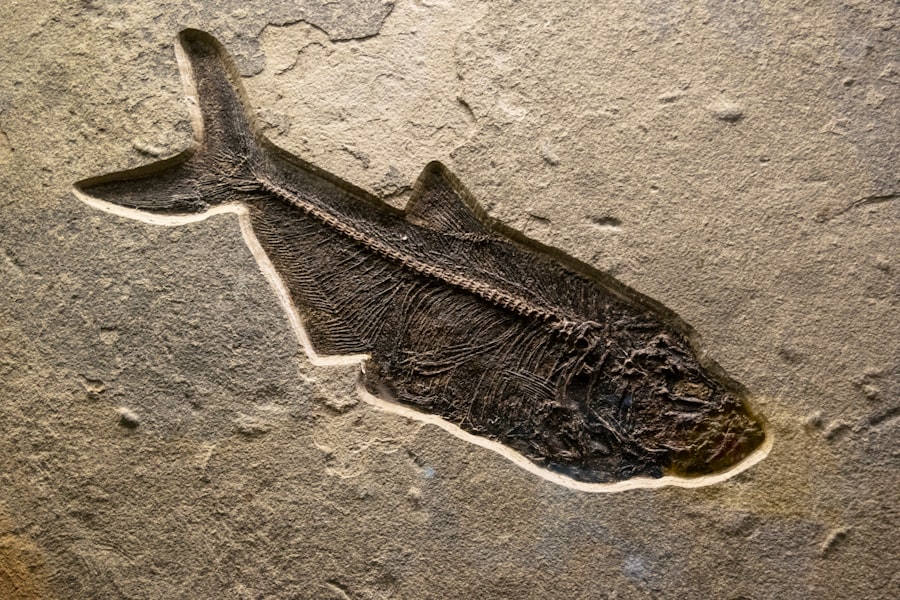
The study of human skeletal remains, known as bioarchaeology, offers a direct window into the lives and deaths of past populations. It complements the study of artifacts by providing information about individual health, diet, disease, violence, and even social status.
Bones as Biographies
Osteology: The Science of Bones
Osteology, the study of bones, focuses on identifying skeletal elements, determining age and sex, and assessing skeletal development. Archaeologists can often determine whether a skeleton belongs to a male or female based on pelvic structure and skull morphology. Age at death can be estimated by examining the fusion of bones and the wear on teeth.
Paleopathology: Decoding Disease and Injury
Paleopathology is the study of ancient diseases and injuries. By examining bones and teeth, bioarchaeлоrs can identify evidence of conditions such as arthritis, tuberculosis, leprosy, syphilis, and nutritional deficiencies like rickets and scurvy. Signs of trauma, such as fractures from falls or blows, and healed wounds, can reveal aspects of daily life, conflict, and medical practices. Analysis of tooth wear can indicate the grit content of the diet and whether individuals were grinding grains or using their teeth as tools.
DNA Analysis: The Blueprint of Ancestry
The analysis of ancient DNA (aDNA) has revolutionized bioarchaeology. By extracting DNA from skeletal remains, scientists can determine genetic relationships between individuals and populations, trace migration patterns, and even shed light on the origins of diseases. This technology allows archaeologists to answer questions about who was related to whom within a burial site, and how different ancient populations interacted and interbred. In some cases, aDNA can even reveal the sex of an individual, especially in cases where morphological sex indicators are ambiguous.
Isotopic Analysis: Tracking Diet and Mobility
Stable isotope analysis of bone and tooth enamel provides insights into diet and geographic mobility. For example, the ratio of carbon and nitrogen isotopes can indicate the proportions of plant-based versus animal-based foods in an individual’s diet, and specifically whether marine or terrestrial resources were a primary source of protein. The analysis of oxygen and strontium isotopes can reveal geographic origins, as these isotopes vary in different geological regions. If an individual’s isotopic signature differs significantly from the local bedrock and water sources at their burial site, it suggests they migrated from elsewhere.
The Digital Dig: How Technology is Reshaping Archaeology

The traditional image of the archaeologist with a trowel and brush is being supplemented, and in some cases, transformed, by an influx of advanced technologies. These tools are not only making excavations more efficient and less destructive but are also allowing for the analysis of sites and artifacts in ways previously unimaginable.
Virtual Excavations and Digital Archives
Remote Sensing: Seeing Beneath the Surface
Remote sensing technologies allow archaeologists to survey vast areas and identify potential sites without disturbing the ground. Aerial photography and satellite imagery, particularly when analyzed using multispectral sensors, can reveal subtle patterns in the landscape indicative of buried structures or past human activity, such as crop marks or soil discolorations. Ground-penetrating radar (GPR) uses radio waves to create a subsurface profile, detecting buried walls, ditches, and other anomalies. Magnetometry measures variations in the Earth’s magnetic field, which can be caused by buried burnt structures, kilns, or even large concentrations of iron objects. Lidar (Light Detection and Ranging) uses lasers to map the terrain, stripping away vegetation to reveal subtle changes in topography that might indicate ancient mounds, earthworks, or roads.
3D Modeling and Virtual Reality: Recreating the Past
The ability to create highly detailed 3D models of sites and individual artifacts is revolutionizing documentation and interpretation. Photogrammetry, the process of taking multiple overlapping photographs and stitching them together to create a 3D representation, is widely used. This allows for the creation of virtual reconstructions of ancient buildings, entire settlements, and even individual artifacts, providing immersive experiences for both researchers and the public. Virtual reality (VR) and augmented reality (AR) technologies are further enhancing these experiences, allowing users to “walk through” ancient cities or “pick up” and examine virtual artifacts.
Geographic Information Systems (GIS): Mapping and Analyzing Spatial Data
Geographic Information Systems (GIS) are essential tools for managing, analyzing, and visualizing the vast amounts of spatial data collected during archaeological fieldwork. GIS allows archaeologists to layer different types of information – such as artifact distribution, feature locations, soil types, and topographic data – to identify patterns and relationships that might otherwise go unnoticed. This helps in understanding settlement patterns, territorial boundaries, and landscape use.
Digital Databases and Open Access
The creation of comprehensive digital databases for artifact collections and excavation records is crucial for long-term preservation and wider accessibility. Open-access platforms are increasingly making archaeological data available to researchers worldwide, fostering collaboration and accelerating the pace of discovery and understanding. This democratizes access to knowledge and allows for global participation in the interpretation of the past.
Scientific archaeology often intersects with climate studies, revealing how ancient civilizations adapted to their environments. A fascinating example of this is found in the article about Greenland’s climate history, which discusses how ice cores can provide invaluable insights into past climates and their impact on human societies. For more information, you can read the article here: uncovering Greenland’s climate history through ice cores. This research not only enhances our understanding of archaeological sites but also informs current discussions on climate change and its long-term effects on human populations.
Ethical Considerations and the Future of Archaeology
| Metrics | Data |
|---|---|
| Number of archaeological sites | 10,000 |
| Excavated artifacts | 50,000 |
| Carbon dating analysis | 100 samples |
| Publications in scientific journals | 200 |
As archaeology advances, so too does the awareness of its ethical responsibilities. The scientific pursuit of knowledge must be balanced with respect for the past, for the descendants of the people whose lives are being studied, and for the protection of cultural heritage.
Preservation, Public Engagement, and Respect
The Preservation Imperative
The primary ethical imperative for any archaeologist is the preservation of archaeological sites and the artifacts within them. Excavation should only be undertaken when necessary for research or when a site is under threat from development or looting. Whenever possible, techniques that minimize disturbance, such as non-intrusive survey methods, are preferred. The long-term conservation of excavated artifacts is also crucial, requiring specialized storage and environmental controls.
Collaboration and Community Engagement
Modern archaeology increasingly emphasizes collaboration with local communities and descendant populations. This involves engaging them in the research process, respecting their cultural heritage and ancestral lands, and ensuring that the knowledge gained benefits them as well. Repatriation of cultural artifacts to their rightful owners is a growing area of ethical consideration, reflecting a shift in perspective from ownership to stewardship.
The Digital Divide and Responsible Innovation
While technology offers tremendous advantages, it also presents new ethical challenges. The “digital divide” can exclude communities or researchers with limited access to advanced technology. The ethical implications of data ownership, privacy, and the potential for misuse of digital archaeological records are ongoing discussions. Responsible innovation requires careful consideration of these issues.
The Enduring Quest
Archaeology, armed with its scientific rigor and technological innovation, continues to push the boundaries of our understanding of human history. From the earliest hominids to the complexities of modern civilization, the stories waiting to be uncovered are as vast and varied as humanity itself. The science of archaeology is not merely about finding old things; it is about connecting with our shared past, understanding the forces that have shaped us, and learning lessons that can guide our future. Each unearthed artifact, each analyzed bone, each digital reconstruction, is a testament to the enduring human drive to know where we come from. The dust will continue to be disturbed, and the mysteries will continue to be unveiled, one meticulous discovery at a time.

How Volcanic Glass Solved a 10,000-Year-Old Mystery
FAQs
What is scientific archaeology?
Scientific archaeology is the study of past human cultures and societies through the analysis of material remains such as artifacts, structures, and environmental data. It involves the use of scientific methods and techniques to uncover and interpret the past.
What are the main goals of scientific archaeology?
The main goals of scientific archaeology are to understand and reconstruct past human behavior, social organization, and cultural practices. It also aims to contribute to our knowledge of human history and evolution, and to preserve and protect archaeological sites and artifacts.
What scientific methods are used in archaeological research?
Archaeologists use a variety of scientific methods in their research, including remote sensing techniques such as ground-penetrating radar and LiDAR, as well as laboratory analysis of artifacts, ecofacts, and human remains using techniques such as radiocarbon dating, DNA analysis, and isotopic analysis.
How does scientific archaeology contribute to our understanding of the past?
Scientific archaeology contributes to our understanding of the past by providing insights into ancient technologies, trade networks, social structures, and environmental adaptations. It also helps to reconstruct past landscapes and ecosystems, and to trace the origins and movements of human populations.
What are some ethical considerations in scientific archaeology?
Ethical considerations in scientific archaeology include the respectful treatment of human remains and cultural artifacts, the involvement of local communities in research and site management, and the responsible dissemination of research findings to the public. Archaeologists also strive to minimize the impact of their work on archaeological sites and to adhere to legal and professional standards for the practice of archaeology.