Obsidian, a glass born of fire and fury, has captivated humanity for millennia. Its gleaming, dark surface, often described as volcanic glass, holds within it a history as ancient as the Earth’s fiery origins. From its creation deep within the planet’s molten heart to its profound impact on early human civilizations, obsidian’s story is one of geological wonder and enduring cultural significance. This article delves into the ancient origins of obsidian, exploring its formation, its discovery and utilization by early peoples, and its role in shaping the course of human history.
Obsidian’s genesis is a dramatic tale of rapid cooling and a cosmic dance of elements. Unlike crystalline rocks that form over extended geological periods, obsidian is an extrusive igneous rock, born from the very forces that sculpt our planet. Its creation is intimately linked to volcanic activity, specifically to the expulsion of felsic lava.
Volcanic Eruptions: The Crucible of Creation
The fundamental ingredient for obsidian is lava with a high silica content. During volcanic eruptions, this silica-rich magma, often carrying dissolved gases, is expelled onto the Earth’s surface. The key to obsidian’s glassy nature lies in the speed at which this erupted material cools.
- Rapid Quenching: When lava erupts and comes into contact with the cooler ambient air or water, it cools with astonishing speed. This rapid quenching prevents the formation of the organized, repeating atomic structures that characterize crystalline minerals. Instead, the atoms are essentially frozen in a disordered, amorphous state, creating the characteristic glassy texture.
- Silica Content: The viscosity of lava is directly related to its silica content. Felsic lavas, rich in silica (typically over 65%), are highly viscous. This viscosity traps gases within the molten rock. As the lava erupts and the pressure decreases, these dissolved gases expand, creating bubbles. If the cooling is rapid enough, these gas bubbles can be preserved within the obsidian structure, leading to the formation of scoria-like obsidian or pumice, though true obsidian is generally dense and glassy.
- Mineral Composition: While obsidian is classified as a rock, it is essentially an amorphous solid. However, it does contain trace amounts of various minerals, primarily feldspar and quartz, which are components of the original magma. The presence and distribution of these minerals can influence the color and appearance of the obsidian.
Geographical Distribution and Types of Obsidian
Obsidian is not found everywhere; its formation is tied to specific volcanic environments. These regions are often found along tectonic plate boundaries where volcanic activity is prevalent.
- Ring of Fire: The most significant locations for obsidian deposits are along the Pacific Ring of Fire, a vast horseshoe-shaped zone of seismic and volcanic activity. Countries like the United States (particularly in the West), Mexico, Japan, Indonesia, and Chile are rich in obsidian sources.
- Other Volcanic Regions: Beyond the Ring of Fire, obsidian can also be found in other volcanic regions such as Turkey, Italy (especially on the island of Pantelleria), and parts of Africa.
- Varieties of Obsidian: Obsidian exhibits a range of appearances, influenced by its mineral composition and the presence of impurities or micro-crystals.
- Black Obsidian: The most common type, it is a deep, opaque black glass.
- Rainbow Obsidian: Displays iridescent bands of color when a light source is moved across its surface, caused by thin layers of micro-crystals.
- Snowflake Obsidian: Characterized by white or greyish-white inclusions, typically cristobalite, embedded in the black glass, resembling snowflakes.
- Mahogany Obsidian: Features reddish-brown streaks or blotches, often appearing like swirling patterns.
- Sheen Obsidian: Exhibits a golden or silver sheen, attributed to the presence of microscopic gas bubbles aligned in parallel planes.
The history of obsidian, a volcanic glass prized for its sharp edges and beauty, is intricately linked to the development of ancient civilizations, particularly in Mesoamerica. This fascinating material not only served as a crucial tool for early humans but also played a significant role in trade and cultural exchange. For a deeper understanding of how modern infrastructure developments in Mexico, such as those enhancing nearshoring opportunities, are influenced by historical resources like obsidian, you can explore this related article: Mexico’s Infrastructure Boosts Nearshoring Opportunities.
Humanity’s Discovery: The Allure of Sharpness
The inherent properties of obsidian, particularly its razor-sharp fracture, would have been immediately apparent to early humans. While the exact moment of its discovery is lost to the mists of time, its utilization marks a significant step in the development of human technology and survival.
The Nature of Obsidian’s Fracture
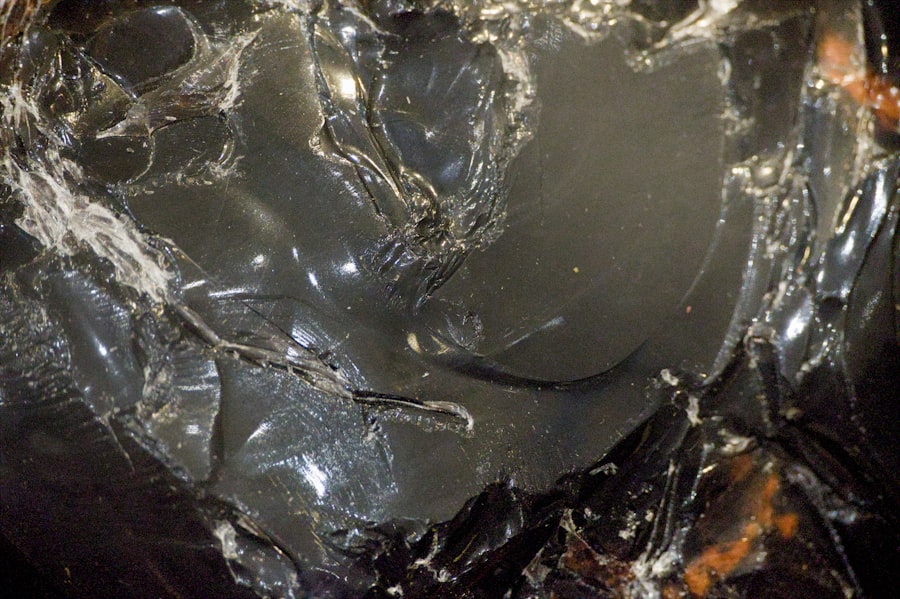
Obsidian’s glassy nature dictates its remarkable conchoidal fracture. This type of fracture produces curved, shell-like surfaces when the material breaks.
- Conchoidal Fracture Explained: When obsidian is struck or fractured, it breaks with smooth, curved surfaces, similar to how glass breaks. This occurs because the disordered atomic structure of glass lacks the planes of weakness found in crystalline materials. The stress propagates through the glass in a smooth, arc-like manner, resulting in these characteristic shell-like fractures.
- Unmatched Sharpness: The conchoidal fracture of obsidian produces incredibly sharp edges. In fact, obsidian blades can be many times sharper than the finest steel surgical scalpels. This sharpness is a direct consequence of the amorphous structure and the way it breaks.
- Brittleness: While remarkably sharp, obsidian is also brittle and can chip or break if subjected to significant force or impact. This brittleness limited its use for tools requiring extreme durability or heavy-duty tasks.
Early Toolmaking: The Dawn of Lithic Technology
The discovery of obsidian’s sharp edges likely led to experimentation by early hominins, marking a crucial turning point in lithic technology. Its workability and the superior quality of its cutting edges made it a highly desirable material for a range of tools.
- Paleolithic Innovations: Archaeological evidence suggests that obsidian was being quarried and worked as early as the Lower Paleolithic period. Early humans would have recognized the natural fractures in obsidian and learned to intentionally break it to create sharp tools.
- Flake Tools and Blades: The most common obsidian tools from this era were simple flake tools, created by striking a nodule of obsidian with another stone. Expert knappers could also produce more refined blades and points by carefully retouching these flakes.
- Prestige and Trade: The prevalence of obsidian tools at certain archaeological sites, even those geographically distant from obsidian sources, indicates that it was not merely a utilitarian material but also a highly valued commodity, leading to early forms of trade and exchange.
The Obsidian Trade Network: Connecting Ancient Worlds
The desirability of obsidian as a raw material for toolmaking fostered extensive trade networks that spanned vast distances in the ancient world. Controlling access to obsidian sources and facilitating its transport became crucial for the economic and social development of many communities.
Mapping the Ancient Routes
Archaeological research has played a vital role in reconstructing these ancient trade routes, revealing sophisticated logistical networks and long-distance exchange systems.
- Geochemical Sourcing: Scientists can now use geochemical analysis techniques, such as X-ray fluorescence (XRF) and neutron activation analysis (NAA), to determine the precise geological origin of obsidian artifacts. By comparing the chemical signature of artifact obsidian with that of known geological sources, researchers can trace the flow of this material across ancient landscapes.
- Evidence of Long-Distance Exchange: Studies have revealed obsidian moving hundreds, and even thousands, of kilometers from its source. For example, obsidian from sources in Anatolia (modern-day Turkey) has been found at sites as far away as Cyprus and Egypt, while obsidian from Eastern Oregon in the United States has been found at sites in California and Idaho.
- The Role of Human Migration and Interaction: The movement of obsidian also mirrors the movement and interaction of human populations. Trade routes often followed established pathways used for migration, warfare, or pilgrimage, further integrating different communities.
Social and Economic Implications
The obsidian trade had profound implications for the societies involved, influencing their social structures, economic practices, and even their political relationships.
- Emergence of Trade Centers and Elites: Communities that controlled access to obsidian sources or acted as intermediaries in the trade often grew in wealth and influence. This could lead to the emergence of specialized craftspeople, traders, and even a ruling elite who managed and profited from the flow of obsidian.
- The Spread of Technology and Ideas: Along with the physical movement of obsidian, the trade also facilitated the exchange of knowledge and technology related to its knapping and tool use. This contributed to the standardization and innovation of lithic technologies across different regions.
- Symbolic and Ritualistic Value: Beyond its practical applications, obsidian also acquired symbolic and ritualistic importance in many cultures. Its dark, lustrous appearance and its association with volcanic power likely contributed to its use in religious ceremonies, as grave goods, or as objects of prestige.
Obsidian in Ritual and Art: More Than Just a Tool
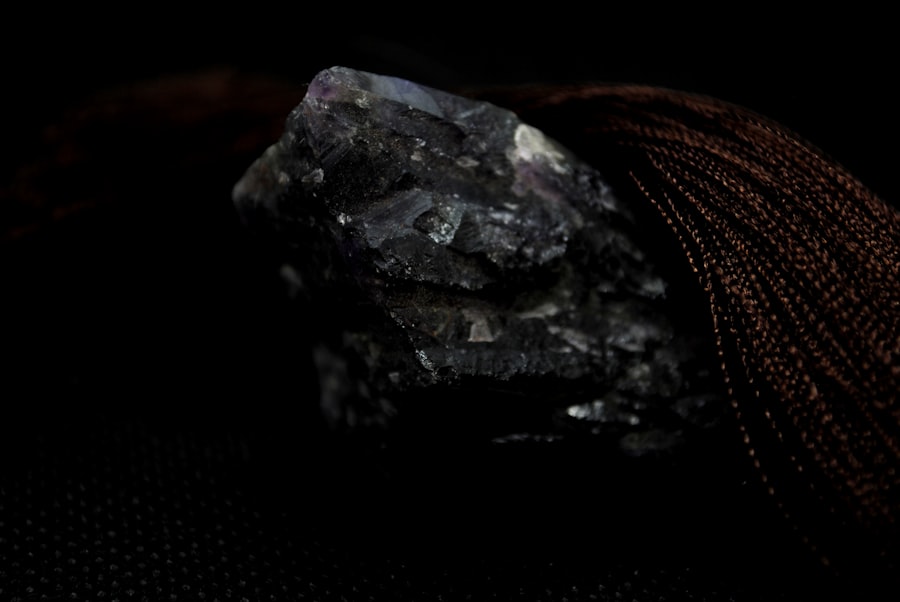
The allure of obsidian extended far beyond its utilitarian function as a cutting edge. Its striking visual properties and its connection to the powerful forces of nature imbued it with significant spiritual and artistic meaning for ancient peoples.
Mystical Associations and Beliefs
Obsidian’s ability to reflect and its often-ominous dark hue led to its incorporation into belief systems and rituals across diverse cultures.
- Scrying and Divination: The polished surface of obsidian, particularly larger pieces, was used for scrying or divination. By gazing into its reflective depths, individuals believed they could perceive visions, foretell the future, or communicate with the spiritual realm. Mirrors made from polished obsidian have been found in ancient Mesoamerican sites, suggesting their use in these practices.
- Protection and Warding: In some cultures, obsidian was believed to possess protective qualities, acting as a talisman against evil spirits or negative energies. Its dark color was sometimes associated with the underworld or the night, but this was often interpreted as a power to absorb or ward off malevolent forces.
- Ceremonial Offerings: Obsidian artifacts were frequently offered to deities or placed in sacred contexts as part of religious ceremonies. This could include finely crafted blades, statues, or even entire offerings of obsidian nodules.
Artistic Expressions and Masterpieces
Ancient artisans demonstrated remarkable skill in working obsidian, transforming this natural glass into objects of both profound beauty and intricate design.
- Mesoamerican Masterpieces: The civilizations of Mesoamerica, including the Maya, Aztec, and Teotihuacanos, are renowned for their exquisite obsidian artistry. They crafted not only sharp weapons and tools but also elaborate masks, figurines, jewelry, and ceremonial objects with stunning detail.
- Figurative Carving and Inlay: Skilled knappers and carvers could achieve incredible levels of detail in obsidian, creating realistic representations of animals, deities, and human figures. Obsidian was also frequently used for inlay work, set into other materials to create decorative patterns or to highlight features of a larger artwork.
- The Challenge of Working Obsidian: The extreme sharpness and brittleness of obsidian presented significant challenges for artists. It required immense patience, precision, and a deep understanding of the material’s properties to avoid breakage and to achieve intricate designs. The resulting artifacts are a testament to the skill and dedication of these ancient craftspeople.
The history of obsidian is fascinating, as this volcanic glass has been used for thousands of years for tools and decorative items. Its sharp edges made it a preferred material for early human societies, particularly in regions where it was readily available. For those interested in the ingenuity of ancient civilizations, a related article explores the remarkable engineering behind the ancient Persian qanat system, which showcases another aspect of human innovation in resource management. You can read more about it in this insightful piece on the ancient Persian qanat system.
The Enduring Legacy of Obsidian
| Time Period | Significance |
|---|---|
| 7000 BCE | Earliest evidence of obsidian use in Anatolia |
| 4000 BCE | Obsidian tools used in ancient Egypt |
| 3000 BCE | Obsidian trade networks established in the Mediterranean |
| 1500 BCE | Obsidian used in Mesoamerican cultures for tools and weapons |
| 20th century | Obsidian hydration dating technique developed for archaeological dating |
Though the age of widespread lithic tool use has long passed, obsidian continues to fascinate and inform our understanding of the past. Its enduring presence in archaeological records provides invaluable insights into the lives, ingenuity, and interconnectedness of ancient human societies.
A Window into Prehistory
Obsidian artifacts serve as vital chronological markers and indicators of ancient human behavior, offering a tangible link to our distant ancestors.
- Dating Archaeological Sites: The presence of obsidian at a site, when its origin can be identified, can help archaeologists date the site and understand the chronological phases of occupation.
- Reconstructing Social Structures: The distribution patterns of obsidian and the types of artifacts found can reveal information about social hierarchies, resource management, and settlement patterns. If certain high-status individuals or settlements exclusively possess finely crafted obsidian items, it suggests a degree of social stratification.
- Understanding Technological Advancement: The evolution of obsidian knapping techniques over time reflects the developing technological capabilities of early humans, showcasing their learning, adaptation, and innovation.
Modern Relevance and Continued Study
Obsidian’s story is far from over. It continues to be a subject of scientific inquiry and holds relevance in contemporary fields.
- Geological Research: Geologists continue to study obsidian to understand volcanic processes, the Earth’s mantle composition, and the formation of igneous rocks.
- Materials Science: The unique properties of obsidian, particularly its sharpness and glassy nature, are of interest in materials science and have even inspired research into advanced cutting tools and biomaterials.
- Archaeological Investigations: Ongoing archaeological excavations and advanced analytical techniques continue to uncover new obsidian artifacts and shed further light on ancient trade routes, cultural practices, and the global reach of human interaction in the past.
Obsidian, the glass born of the Earth’s fiery heart, has traveled a long and fascinating journey through time. From the cataclysmic forces that forged it to the skilled hands that shaped it, its story is inextricably woven into the narrative of human civilization. Its legacy endures, not just as a relic of the past, but as a silent testament to the enduring power of nature and the remarkable ingenuity of humanity.

How Volcanic Glass Solved a 10,000-Year-Old Mystery
FAQs
What is obsidian?
Obsidian is a naturally occurring volcanic glass formed as an extrusive igneous rock. It is produced when felsic lava extruded from a volcano cools rapidly with minimal crystal growth.
Where is obsidian found?
Obsidian is found in locations with past or present volcanic activity, such as in areas around the Pacific Ocean known as the “Ring of Fire.” It can also be found in regions with historical volcanic activity, such as parts of the Mediterranean, the western United States, and parts of Central and South America.
How was obsidian used in history?
Obsidian has been used by humans for thousands of years for making tools, weapons, and decorative objects. It was highly valued by ancient cultures for its sharp edges, which made it ideal for crafting cutting tools and weapons.
What are some historical uses of obsidian?
Historically, obsidian was used by various ancient cultures for making arrowheads, spear points, knives, and other cutting tools. It was also used for creating mirrors, jewelry, and ritual objects.
How does obsidian relate to archaeological discoveries?
Obsidian has been a valuable material for archaeologists in studying ancient trade routes and cultural interactions. By analyzing the chemical composition of obsidian artifacts, researchers can trace the origins of the obsidian and gain insights into ancient trade networks and cultural connections.