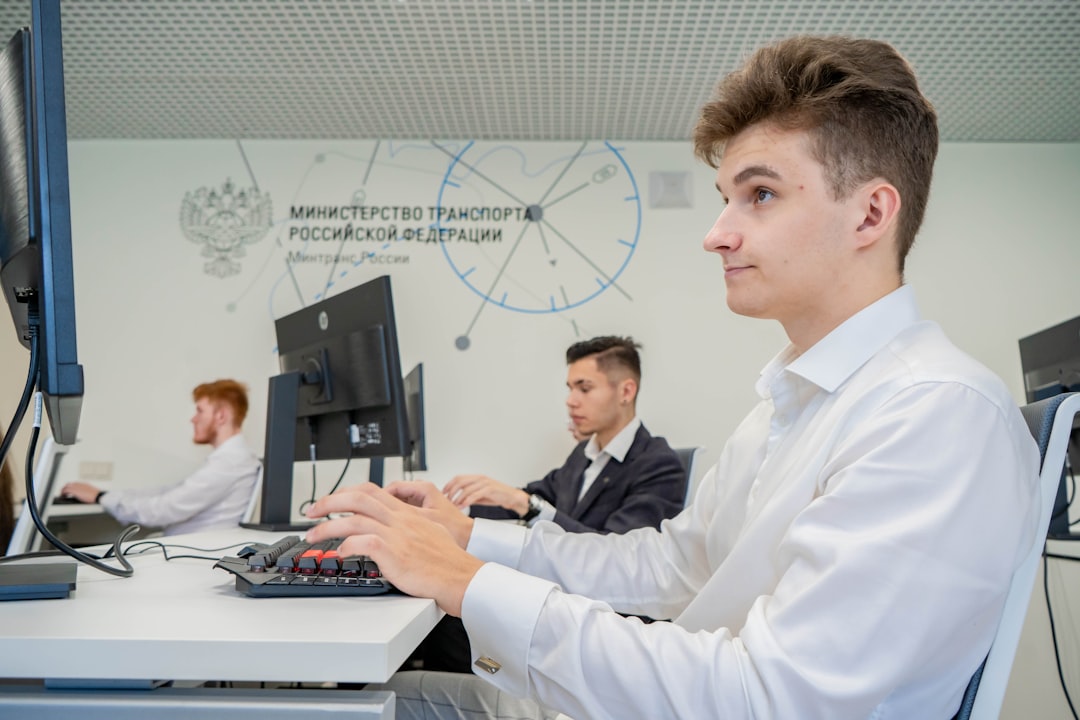
The skills recognition process is a critical pathway for individuals seeking to validate their qualifications and competencies in a new country or industry. This process typically involves assessing an individual’s skills, knowledge, and experience against established standards or criteria. It serves as a bridge for many professionals who wish to transition into new roles or sectors, ensuring that their previous experiences are acknowledged and valued.
Understanding this process is essential for anyone looking to navigate the complexities of employment in a foreign environment or a different field. At its core, the skills recognition process aims to provide a fair and transparent evaluation of an individual’s capabilities. This often includes a combination of formal assessments, interviews, and the submission of evidence that demonstrates proficiency in specific areas.
The criteria for recognition can vary significantly depending on the industry, regulatory body, or country involved. Therefore, it is crucial for applicants to familiarize themselves with the specific requirements and procedures relevant to their situation, as this knowledge can significantly enhance their chances of a successful outcome.
Key Takeaways
- Understanding the Skills Recognition Process:
- Research and understand the skills recognition process in your industry or profession.
- Familiarize yourself with the requirements and criteria for skills recognition.
- Identifying Common Delays in Skills Recognition:
- Be aware of common delays in the skills recognition process, such as incomplete documentation or communication issues.
- Take proactive steps to address potential delays and minimize their impact on your application.
- Gathering Necessary Documentation and Evidence:
- Organize and gather all necessary documentation and evidence to support your skills recognition application.
- Ensure that your documentation meets the specific requirements of the skills recognition authorities.
- Communicating Effectively with Skills Recognition Authorities:
- Maintain clear and professional communication with skills recognition authorities throughout the application process.
- Seek clarification on any requirements or feedback to ensure a smooth application process.
- Seeking Assistance from Support Services:
- Utilize support services, such as industry associations or migrant resource centers, to navigate the skills recognition process.
- Seek guidance and assistance from professionals who have experience with skills recognition applications.
- Following Up on the Progress of Your Application:
- Regularly follow up on the progress of your skills recognition application to stay informed and address any potential issues.
- Keep detailed records of all communication and interactions related to your application.
- Exploring Alternative Skills Recognition Pathways:
- Explore alternative pathways for skills recognition if you encounter challenges or barriers in the traditional process.
- Consider options such as recognition of prior learning (RPL) or alternative assessment methods.
- Addressing Issues with Language or Cultural Barriers:
- Seek support and resources to address language or cultural barriers that may impact your skills recognition application.
- Advocate for inclusive practices and accommodations to ensure fair assessment of your skills.
- Seeking Legal Advice for Complex Cases:
- Seek legal advice if you encounter complex legal or regulatory issues during the skills recognition process.
- Consult with a qualified attorney or legal professional with experience in skills recognition matters.
- Advocating for Policy Changes in Skills Recognition:
- Advocate for policy changes and improvements in the skills recognition process based on your experience.
- Share your insights and recommendations with relevant authorities and organizations to drive positive change.
- Celebrating Successes and Sharing Your Experience:
- Celebrate your successful skills recognition and share your experience with others in your industry or community.
- Offer support and guidance to others navigating the skills recognition process based on your own journey.
Identifying Common Delays in Skills Recognition
Delays in the skills recognition process can be frustrating and disheartening for applicants. One common source of delay is the incomplete submission of required documentation. Many individuals underestimate the importance of providing comprehensive evidence of their skills and qualifications, leading to requests for additional information from the assessing authority.
This back-and-forth can prolong the process significantly, causing anxiety and uncertainty for those awaiting a decision. Another frequent cause of delays is the varying processing times among different skills recognition authorities. Some organizations may be overwhelmed with applications, leading to longer wait times for assessments.
Additionally, changes in policies or procedures can also contribute to delays, as authorities may need time to adapt to new regulations or guidelines. Understanding these potential pitfalls can help applicants prepare more effectively and manage their expectations throughout the process.
Gathering Necessary Documentation and Evidence
Collecting the necessary documentation and evidence is a pivotal step in the skills recognition process. Applicants must compile a comprehensive portfolio that showcases their qualifications, work experience, and any relevant training or certifications. This may include academic transcripts, letters of reference from previous employers, and proof of professional development activities.
The more thorough and organized the documentation, the smoother the assessment process is likely to be. Moreover, it is essential for applicants to ensure that all documents are up-to-date and accurately reflect their skills and experiences. In some cases, individuals may need to have their documents translated into the official language of the assessing authority or certified by a recognized body.
Taking these steps not only demonstrates professionalism but also helps to avoid unnecessary delays that could arise from incomplete or improperly formatted submissions.
Communicating Effectively with Skills Recognition Authorities
| Skills Recognition Authorities | Communication Metrics |
|---|---|
| Number of applications submitted | 85 |
| Number of successful applications | 60 |
| Number of rejected applications | 25 |
| Average response time for inquiries | 2 business days |
Effective communication with skills recognition authorities is vital for a successful application process. Applicants should approach these interactions with clarity and professionalism, ensuring that they articulate their needs and concerns clearly. Whether through email, phone calls, or in-person meetings, maintaining a respectful tone can foster positive relationships with assessors and staff members who play a crucial role in the evaluation process.
Additionally, being proactive in communication can help applicants stay informed about their application status and any potential issues that may arise. Regularly checking in with the relevant authorities can demonstrate commitment and diligence while also providing opportunities to clarify any uncertainties regarding documentation or requirements. This proactive approach can ultimately lead to a more efficient assessment process.
Seeking Assistance from Support Services
Navigating the skills recognition process can be daunting, especially for individuals unfamiliar with the system or those facing language barriers. Seeking assistance from support services can provide invaluable guidance and resources. Many organizations offer specialized programs designed to help applicants understand the requirements and navigate the complexities of skills recognition.
These services often include workshops, one-on-one counseling sessions, and access to online resources that can simplify the process. Support services can also connect applicants with mentors or peers who have successfully gone through the skills recognition process. Learning from others’ experiences can provide insights into best practices and common pitfalls to avoid.
By leveraging these resources, individuals can enhance their understanding of the process and increase their chances of achieving a successful outcome.
Following Up on the Progress of Your Application
Once an application for skills recognition has been submitted, it is essential for individuals to follow up on its progress regularly. This not only demonstrates commitment but also allows applicants to address any potential issues promptly. Many assessing authorities provide online portals where applicants can check the status of their applications; utilizing these tools can help individuals stay informed without overwhelming staff with inquiries.
In addition to checking online resources, applicants should not hesitate to reach out directly to the relevant authorities if they have concerns or questions about their application status. A polite inquiry can often yield helpful information regarding timelines or any additional documentation that may be required. By maintaining open lines of communication, individuals can ensure that they remain engaged in the process and are prepared for any next steps.
Exploring Alternative Skills Recognition Pathways
For some individuals, traditional skills recognition pathways may not yield the desired results due to various factors such as stringent requirements or lengthy processing times. In such cases, exploring alternative pathways can be beneficial. Many countries offer different routes for skills recognition that may be more suitable for specific professions or circumstances.
These alternatives might include competency-based assessments, bridging programs, or even informal recognition through work experience. Engaging with local professional associations or industry groups can provide insights into these alternative pathways. These organizations often have resources and networks that can assist individuals in finding less conventional routes to skills recognition.
By being open to exploring various options, applicants may discover opportunities that align better with their unique qualifications and experiences.
Addressing Issues with Language or Cultural Barriers
Language and cultural barriers can pose significant challenges in the skills recognition process. For non-native speakers, understanding complex terminology and requirements can be daunting. It is essential for applicants to seek language support services if needed, such as translation assistance or language courses tailored to professional contexts.
These resources can help individuals communicate more effectively with assessing authorities and present their qualifications clearly. Cultural differences may also impact how applicants perceive and navigate the skills recognition process. Understanding local customs and expectations regarding professional communication can enhance interactions with authorities and improve overall outcomes.
Engaging with community organizations that focus on cultural integration can provide valuable insights into these nuances, helping individuals feel more confident as they pursue skills recognition.
Seeking Legal Advice for Complex Cases
In some instances, individuals may encounter complex issues during the skills recognition process that require legal expertise. Situations such as disputes over qualifications, challenges related to immigration status, or concerns about discrimination may necessitate seeking legal advice. Consulting with an attorney who specializes in immigration or employment law can provide clarity on rights and options available to applicants.
Legal professionals can assist individuals in navigating complicated regulations and advocating on their behalf when necessary. They can also help prepare appeals if an application is denied or if there are concerns about procedural fairness during the assessment process. By seeking legal advice when faced with complex issues, individuals can ensure that they are adequately protected and informed throughout their journey.
Advocating for Policy Changes in Skills Recognition
As more individuals navigate the skills recognition process, it becomes increasingly important to advocate for policy changes that enhance fairness and accessibility within the system. Many professionals face systemic barriers that hinder their ability to gain recognition for their skills and qualifications. By raising awareness about these challenges through community engagement, advocacy groups, or public forums, individuals can contribute to meaningful change.
Advocacy efforts may involve collaborating with policymakers to propose reforms that streamline processes, reduce unnecessary barriers, or improve transparency within skills recognition systems. Engaging in discussions about best practices from other countries or industries can also provide valuable insights into potential improvements. By working collectively towards policy changes, individuals can help create a more equitable environment for future applicants seeking skills recognition.
Celebrating Successes and Sharing Your Experience
Finally, celebrating successes in the skills recognition journey is essential not only for personal fulfillment but also for inspiring others facing similar challenges. Sharing experiences through community forums, social media platforms, or local events can provide encouragement and guidance to those still navigating the process. By highlighting personal stories of perseverance and achievement, individuals can foster a sense of community among those pursuing skills recognition.
Moreover, sharing successes can also contribute to broader awareness about the importance of recognizing diverse skill sets within various industries. As more people come forward with their stories, it becomes easier to advocate for systemic changes that benefit all applicants. Celebrating achievements not only empowers individuals but also strengthens collective efforts towards creating a more inclusive environment for skills recognition across different sectors and communities.
A helpful resource on this topic can be found in our article on how to fix skills recognition delays.
WATCH THIS! Why Australia’s Middle Class Is Disappearing
FAQs
What are skills recognition delays?
Skills recognition delays refer to the extended period of time it takes for an individual to have their skills and qualifications officially recognized by a relevant authority or organization.
What causes skills recognition delays?
Skills recognition delays can be caused by a variety of factors, including administrative backlog, lack of resources, complex application processes, and changes in regulations or policies.
How can skills recognition delays be fixed?
Skills recognition delays can be addressed by streamlining application processes, providing adequate resources for assessment and review, improving communication with applicants, and implementing clear and consistent policies and procedures.
What are the consequences of skills recognition delays?
Skills recognition delays can have significant consequences for individuals, including barriers to employment, limitations on career advancement, and financial hardship. Additionally, delays can also impact industries and economies by creating shortages of skilled workers in key sectors.
Where can individuals seek assistance for skills recognition delays?
Individuals experiencing skills recognition delays can seek assistance from relevant government agencies, professional associations, and advocacy organizations that specialize in skills recognition and accreditation. Additionally, legal counsel or ombudsman services may also be available to provide support and guidance.