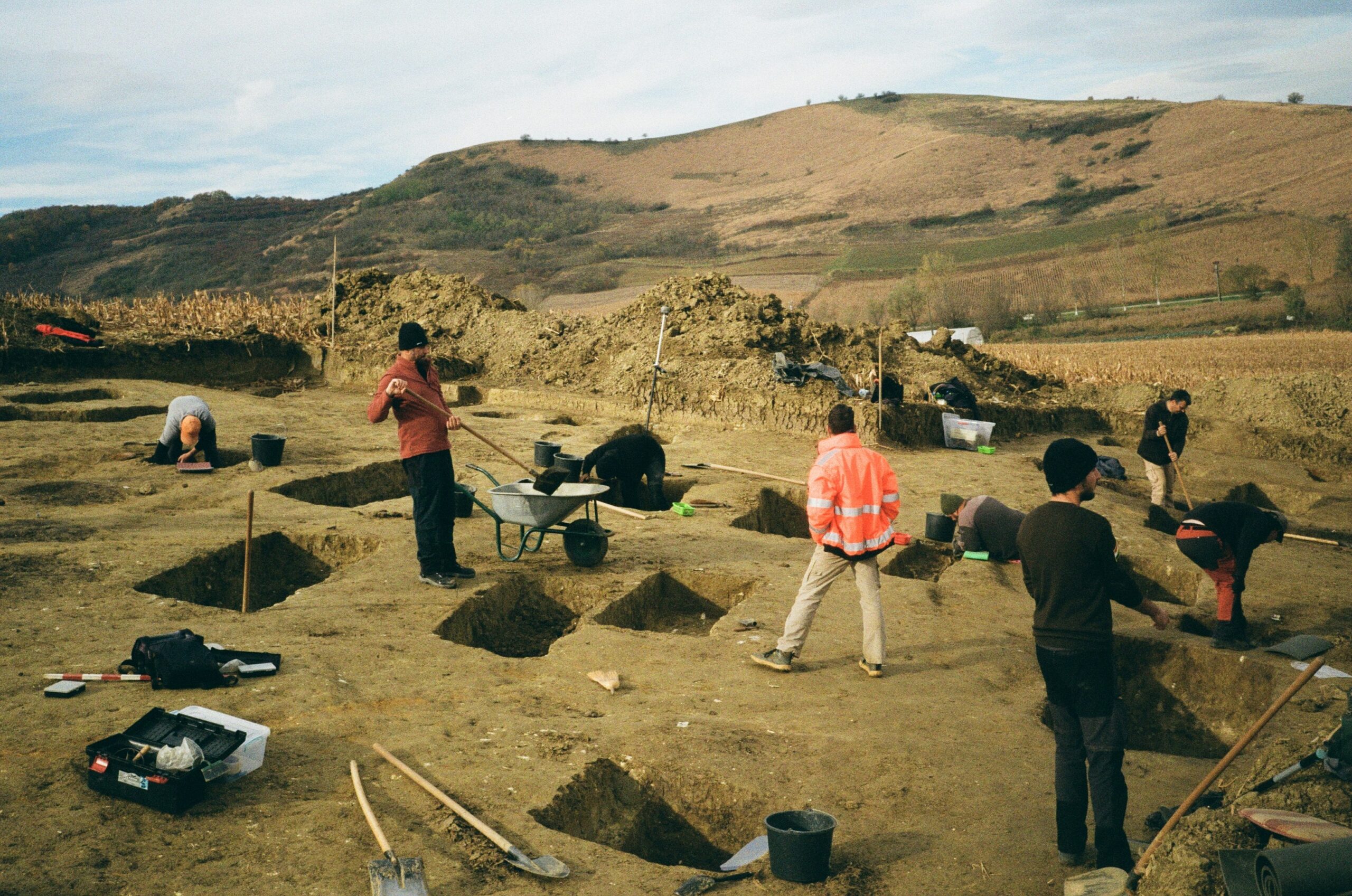
The verdant embrace of the Mesoamerican jungle has long whispered tales of forgotten civilizations, of empires that rose and fell, leaving behind enigmatic relics and tantalizing mysteries. Among these, the Maya stand as towering figures, their advanced understanding of astronomy, mathematics, and architecture baffling modern scholars. Yet, even within the well-studied Maya civilization, pockets of the unknown persist, their secrets locked away in the dense foliage and crumbling stone. One such enigma, the subject of fascination and persistent exploration, is the rumored “Lost City of the Maya,” a phantom metropolis whispered about in ancient texts and debated by archaeologists for generations. This article delves into the quest to uncover this legendary lost city, examining the evidence, the challenges, and the profound implications of its potential discovery.
The concept of a “Lost City” of the Maya is not a singular, well-defined entity but rather a composite of legends, interpretations, and the natural human desire to find the ultimate undiscovered treasure. It speaks to a place of unparalleled grandeur, a central hub of Maya power and culture that has eluded definitive identification.
Centuries of Speculation and Folklore
The idea of a lost Maya metropolis has roots stretching back to the early days of European exploration. Spanish chroniclers, encountering the impressive ruins of cities like Chichen Itza and Palenque, often described oral traditions and local legends about even grander, more magnificent settlements that had vanished from the face of the earth. These tales, embellished through time and translation, fueled the imagination, painting a picture of a city of unimaginable wealth and sophistication, surpassing even the known wonders. Travelers and adventurers in the 19th and early 20th centuries, inspired by these accounts, embarked on numerous expeditions into the uncharted jungles, seeking to bring these mythical places into tangible reality. Many returned with fragments of pottery, scattered carvings, or tales of glimpses of stone structures swallowed by the jungle, but the overarching vision of a singular, monumental lost city remained elusive.
The Historical Context of Maya Urbanism
To understand the potential existence of a truly “lost” city, it’s crucial to grasp the nature of Maya urbanism. The Maya were not a unified empire in the way of the Romans or Incas but rather a network of independent city-states, each with its own ruler and sphere of influence. These city-states, however, were interconnected through complex trade routes, political alliances, and shared cultural and religious practices. Major centers like Tikal, Calakmul, and Copan were not mere villages but vast metropolitan areas, boasting enormous pyramids, intricate plazas, extensive residential complexes, and sophisticated water management systems. The collapse of many of these Classic Maya cities, particularly between the 8th and 10th centuries CE, was a complex phenomenon, involving factors such as drought, warfare, environmental degradation, and social unrest. This widespread abandonment of major centers naturally lends itself to the idea that other significant, perhaps even larger, cities might also have met a similar fate, leaving their remnants hidden and forgotten.
Defining “Lost”: A Spectrum of Possibility
The term “lost city” can be interpreted in several ways. It might refer to a city that was simply abandoned and has been gradually overgrown and hidden by the jungle, making it difficult to locate with contemporary technology and survey methods. It could also signify a city that was known to exist historically but whose precise location has been lost to modern knowledge. Furthermore, some interpretations lean towards a city that was never fully documented or widely known, a peripheral center that achieved significant prominence before diminishing. The search, therefore, is not for a single, mythical Atlantis, but for a potentially vast and hitherto unknown Maya urban center that has been concealed by the passage of time and the relentless growth of the jungle.
For those interested in the fascinating intersections of archaeology and contemporary issues, a related article that delves into the complexities of Belgium’s potential partition can be found at this link. This piece explores how historical narratives and archaeological findings can influence modern political landscapes, shedding light on the rich tapestry of Belgium’s past and its implications for the future.
Echoes in the Jungle: Early Explorations and Clues
The pursuit of the Lost City has been a driving force for explorers and archaeologists for centuries, leaving behind a trail of tantalizing clues and contested findings. These early ventures, though often lacking modern scientific rigor, laid the groundwork for future investigations.
The Romantic Era of Exploration
The 19th century was a golden age for explorers venturing into the unknown corners of the world, and the Mesoamerican jungles were no exception. Figures like John Lloyd Stephens and Frederick Catherwood, with their meticulously documented expeditions and stunning illustrations, brought the grandeur of Maya ruins to the attention of a wider public. While they explored and documented many known sites, their writings also hinted at the possibility of undiscovered ones, fueling the romantic notion of a grand, forgotten civilization waiting to be unearthed. Later explorers, such as the controversial Percy Fawcett, a British adventurer who disappeared in search of a lost city in the Amazon basin (though his focus was not exclusively Maya), embodied the enduring allure of the unknown and the quest for legendary settlements. These early expeditions, driven by a mix of scientific curiosity and romantic adventure, provided the first tangible evidence of the Maya’s architectural prowess and the potential for vast, undiscovered urban centers.
Whispers in Indigenous Lore
For generations, indigenous communities living within the Maya heartland have held oral traditions and ancestral knowledge passed down through stories and legends. These narratives often speak of ancient places, hidden settlements, and the cyclical nature of prosperity and decline in their history. While these tales are often metaphorical and rich in symbolism, they can also contain kernels of historical truth. Archaeologists and ethnographers have, at times, worked with local communities, gaining insights and direction from elders and storytellers. These interactions have sometimes led to the rediscovery of previously known sites or the identification of areas with a higher probability of containing undiscovered Maya settlements, including possible candidate locations for a significant, yet unmapped, urban center.
Early Archaeological Investigations
As archaeology began to emerge as a formal discipline, early excavations and surveys in regions like the Petén Basin of Guatemala and the Yucatán Peninsula of Mexico started to reveal the extent of Maya civilization. While these efforts were often focused on documenting and preserving known sites, they also encountered evidence that suggested larger, more complex settlements than previously understood. The sheer scale of some of the pyramids and public buildings at sites like Tikal already hinted at a level of societal organization capable of constructing even larger, more monumental urban centers that might have existed but remained hidden. The discovery of stelae (carved stone monuments) bearing inscriptions referencing rulers and events in distant, unknown locations also provided crucial clues, pointing to a wider network of Maya polities that were not yet fully mapped.
The Age of Technology: Modern Search Strategies
The romantic quest for a lost city has been significantly augmented by the advent of modern technology, transforming the search from a grueling jungle trek to a systematic, data-driven endeavor. These advancements have opened up new avenues for discovery and re-evaluation of existing evidence.
Remote Sensing Technologies: Seeing Through the Canopy
One of the most revolutionary tools in the search for hidden Maya cities has been the application of remote sensing technologies, particularly Light Detection and Ranging (LiDAR). LiDAR uses laser pulses to map the terrain with incredible detail, penetrating the dense jungle canopy that has historically obscured ground surveys. By bouncing lasers off the ground and measuring the time it takes for them to return, LiDAR can create precise 3D topographic maps, revealing the subtle contours of ancient earthworks, plazas, and even the outlines of entire buildings that are invisible from the ground. Multiple LiDAR surveys conducted over vast tracts of previously inaccessible jungle have revealed extensive networks of causeways, agricultural terraces, reservoirs, and residential compounds that were previously unknown, suggesting a much higher population density and a more complex urban landscape than previously imagined in certain regions.
Satellite Imagery and Aerial Photography
Beyond LiDAR, advanced satellite imagery and historical aerial photography also play crucial roles. High-resolution satellite images can sometimes reveal patterns in vegetation that suggest underlying man-made structures, such as the characteristic rectilinear shapes of ancient agricultural systems or the faint impressions of walls or plazas. Examining decades of historical aerial photographs can also provide valuable insights, revealing changes in the landscape over time and highlighting areas where human activity, either ancient or modern, might have altered the natural environment in ways that reveal hidden features. These aerial and space-based tools are invaluable for initial reconnaissance, identifying potential areas of interest that can then be investigated with more targeted ground surveys or LiDAR.
Geophysical Survey Methods
On the ground, geophysical survey methods offer non-invasive ways to investigate subsurface anomalies. Techniques such as ground-penetrating radar (GPR), magnetometry, and electrical resistivity can detect variations in the earth’s magnetic field or its electrical conductivity, which can indicate the presence of buried structures, hearths, or even ancient roadways. These methods are particularly useful for exploring areas that have been identified as promising through remote sensing or historical accounts, allowing archaeologists to gather detailed information about potential buried features without the need for extensive excavation. This has proven invaluable in identifying the extent and layout of buried Maya structures beneath the jungle floor, often revealing the sophisticated urban planning of these ancient societies.
Candidate Sites and Compelling Evidence
While the ultimate “Lost City” remains an elusive prize, several regions and specific archaeological discoveries have emerged as strong contenders, fueled by growing evidence and ongoing research. These sites, even if not the single legendary metropolis, represent significant discoveries that reshape our understanding of Maya civilization.
The Petén Basin: A Cradle of Giants
The Petén Basin in northern Guatemala is arguably the most significant region in the search for lost Maya cities. It is home to some of the most impressive Classic Maya centers, such as Tikal, Calakmul, and El Mirador. However, recent LiDAR surveys in this region have revealed an astonishingly dense network of smaller settlements, causeways, and agricultural infrastructure connecting these major centers, suggesting a much more integrated and populous landscape than previously understood. The sheer scale of these newly discovered interconnected settlements, some of which are substantial in size, raises the question of what other, perhaps even larger, urban centers might still lie hidden within this vast expanse of jungle. The Maya’s ability to construct such extensive urban networks and impressive monumental architecture in this challenging environment points to a highly organized and powerful civilization with the capacity for truly grand urban planning.
The Discovery of “San Bartolo” and “Xultun”
While not necessarily the mythical “Lost City” on the scale of legend, discoveries like San Bartolo and Xultun have provided crucial pieces of the puzzle. San Bartolo, for instance, revealed an incredibly early and sophisticated mural tradition, pushing back the timeline for complex Maya art and political organization. Xultun, another significant site, yielded remarkably preserved murals and evidence of complex calendrical and astronomical observations. These finds, often made through dedicated fieldwork and archaeological investigation, highlight the fact that even in areas thought to be well-explored, significant Maya sites with extraordinary discoveries are still being made, underscoring the potential for larger, undiscovered urban centers to exist in overlooked or remote areas.
The Subterranean Phenomenon: Caves and Cenotes
The Maya had a profound spiritual connection to caves and cenotes (natural sinkholes), often using them for rituals and as conduits to the underworld. Many of these natural formations have yielded a wealth of artifacts, including pottery, incense burners, and even human remains, offering insights into Maya religious practices and cosmology. While these are not cities in the traditional sense, they represent vital centers of Maya spiritual and potentially political life that are often hidden from surface view. Furthermore, the discovery of submerged Maya structures within cenotes in the Yucatán Peninsula suggests that entire areas might have been inundated, or that specific ceremonial sites were strategically placed within these water features. The exploration of these subterranean and aquatic environments continues to reveal previously unknown aspects of Maya civilization.
In the realm of real archaeology documentaries, one fascinating topic is the study of ancient droughts and their impact on past civilizations. A compelling article that delves into this subject is available at Unearthing Ancient Droughts: Archaeological Evidence, which explores how researchers uncover evidence of climate change through archaeological findings. This intersection of environmental science and archaeology provides valuable insights into how ancient societies adapted to their changing surroundings.
Challenges and the Future of Discovery
| Documentary Title | Release Year | Duration | Main Archaeological Sites |
|---|---|---|---|
| Lost Worlds: The Story of Archaeology | 2000 | 120 minutes | Egypt, Mesopotamia, Greece, Rome |
| Secrets of the Dead: The Lost Gardens of Babylon | 2014 | 60 minutes | Babylon, Iraq |
| Time Team: The Big Roman Dig | 2001 | 45 minutes | Various Roman sites in the UK |
The pursuit of the Lost City is fraught with challenges, both logistical and scientific. However, the ongoing advancements in technology and the dedication of researchers promise a future where more of the Maya’s hidden past will be brought to light.
The Enduring Obstacles of the Jungle
The primary obstacle remains the formidable natural environment. The dense vegetation, challenging terrain, high humidity, and presence of diverse wildlife make exploration and archaeological work incredibly demanding and expensive. Protecting these fragile sites from looting and environmental degradation once they are discovered is another significant challenge. Furthermore, the vastness of the Maya territories means that even with advanced technology, identifying specific targets for detailed investigation requires careful analysis of enormous amounts of data. The conservation of discovered sites is paramount; once a site is revealed, it becomes vulnerable to exploitation and damage, necessitating careful planning for its protection and sustainable management.
The Ethical Considerations of Discovery
As more ancient sites are uncovered, ethical considerations become increasingly important. The issue of who “owns” or has stewardship over these sites and the artifacts found within them is a complex one, involving the rights of indigenous communities, national heritage laws, and international archaeological standards. The repatriation of artifacts and the respectful engagement with descendant communities are crucial aspects of responsible archaeological practice. The potential discovery of a lost city also carries the weight of responsibility in terms of its preservation and the ethical interpretation of its history for future generations. Balancing the desire for knowledge with the respect for the past and the present is paramount.
The Ongoing Quest for Knowledge
The search for the Lost City is not just about finding a single, legendary metropolis; it is an ongoing quest to understand the full complexity and achievements of Maya civilization. Each new discovery, whether it is a small settlement revealed by LiDAR or a significant artifact unearthed by archaeologists, adds another layer to our understanding. The future of discovery lies in the continued application of cutting-edge technologies, the collaborative efforts of international research teams, and the invaluable knowledge held by indigenous communities. The legend of the Lost City of the Maya, while still shrouded in mystery, serves as a powerful motivator, pushing the boundaries of our exploration and promising to unveil even more wonders from this extraordinary ancient civilization. The very act of searching keeps the memory of the Maya alive, ensuring that their stories, etched in stone and whispered through the jungle, will continue to captivate and inspire for generations to come.

How Volcanic Glass Solved a 10,000-Year-Old Mystery
FAQs
What is a real archaeology documentary?
A real archaeology documentary is a film or television program that presents factual information about archaeological discoveries, research, and methods. These documentaries often feature interviews with archaeologists, footage of excavations, and explanations of historical and cultural significance.
What are the benefits of watching real archaeology documentaries?
Watching real archaeology documentaries can provide viewers with a deeper understanding of ancient civilizations, historical events, and the methods used by archaeologists to uncover the past. These documentaries can also inspire an interest in history and archaeology, and promote critical thinking and curiosity about the world.
Where can I find real archaeology documentaries to watch?
Real archaeology documentaries can be found on streaming platforms such as Netflix, Amazon Prime, and Hulu, as well as on television channels dedicated to history and science programming. Many documentaries are also available for purchase or rental on DVD or digital platforms.
What are some popular real archaeology documentaries?
Some popular real archaeology documentaries include “The Lost Tomb of Jesus,” “Secrets of the Dead,” “Time Team,” “The Mummy Who Would Be King,” and “The Pyramid Code.” These documentaries cover a wide range of archaeological topics and time periods.
How can I distinguish between real archaeology documentaries and fictionalized versions?
Real archaeology documentaries are based on factual research and evidence, and often feature interviews with experts in the field. They strive to present accurate information about archaeological discoveries and methods. In contrast, fictionalized versions may include dramatized or exaggerated elements for entertainment purposes. Viewers can look for reputable sources and reviews to ensure they are watching a real archaeology documentary.