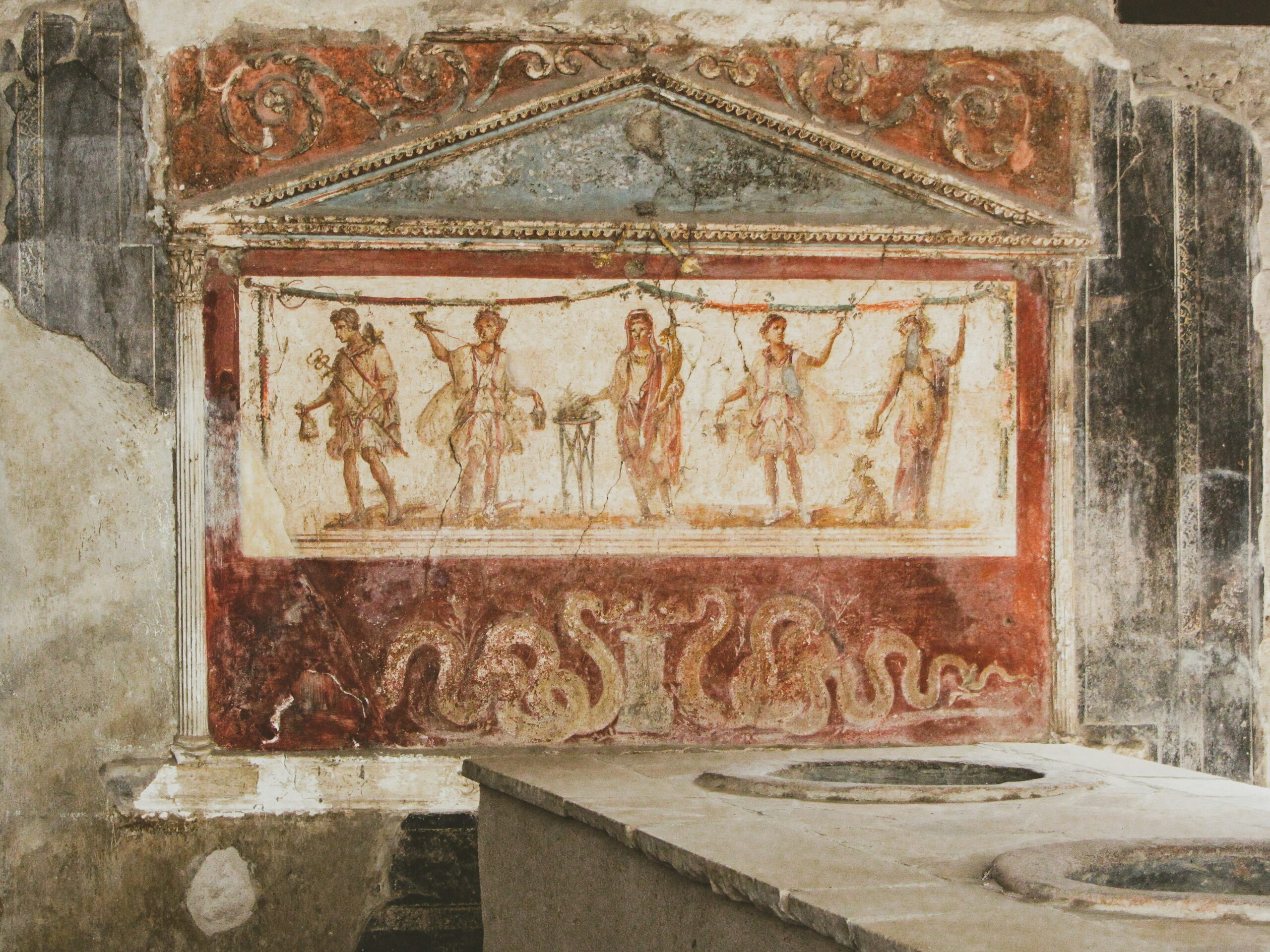
The wind, a whisper across centuries, carried the faint scent of dust and forgotten things. Below, earth lay disturbed, not by time’s gentle erosion, but by the deliberate hand of careful excavation. This is the world of archaeology, a realm where the past is not merely remembered, but actively unearthed, pieced together like a colossal, fragmented puzzle. Archaeologists, with their trowels and brushes, their patient observation and meticulous documentation, are the detectives of prehistory, tracing the faint footprints of humanity across millennia. They delve into the soil, not for buried treasure in the glittering sense, but for the immeasurable riches of knowledge, seeking to understand how our ancestors lived, loved, struggled, and ultimately shaped the world we inhabit today.
Archaeology, at its core, is the scientific study of human history and prehistory through the excavation of sites and the analysis of artifacts and other physical remains. It is a discipline that bridges the gap between the written word and the tangible evidence of human existence. While history often focuses on periods with documented records, archaeology extends its reach far beyond, venturing into the deep past, into epochs where only stone tools, skeletal remains, and the faint outlines of ancient settlements whisper their stories. The artifacts recovered – shards of pottery, carved bone, worn tools, even microscopic pollen grains – are the Rosetta Stones of ancient cultures, providing crucial insights into their diet, technology, social structures, and belief systems.
Defining the Scope: From Hominids to Civilizations
The scope of archaeology is breathtakingly vast. It begins with the earliest hominids, tracing the evolutionary journey of our species in Africa, reconstructing the environments they inhabited, and understanding their initial steps towards tool use and social organization. From this primal beginning, archaeology charts the rise of agriculture, the development of settled communities, the burgeoning of complex societies, and the eventual emergence of grand civilizations across the globe. Whether uncovering the remnants of a Neolithic village or the grandeur of a Roman city, the archaeologist’s goal remains the same: to reconstruct the human narrative.
The Imperative of Understanding: Why Do We Dig?
The fundamental question driving archaeological endeavors is “Why?” Why do we dedicate so much time, effort, and intellectual rigor to excavating the past? The answer is multifaceted. Firstly, archaeology provides an invaluable counterpoint to historical records. Written accounts, however detailed, can be biased, incomplete, or even deliberately misleading. Archaeological evidence, when interpreted correctly, offers a more objective, albeit silent, testimony to the realities of past lives. Secondly, it allows us to understand the trajectory of human development. By studying how past societies adapted to their environments, overcame challenges, and innovated, we can gain crucial perspectives on our own present predicaments and potential futures. Environmental degradation, resource management, social inequality – these are not new problems, and the study of past civilizations offers cautionary tales and inspiring examples of resilience. Finally, archaeology fosters a profound sense of human connection across time. It reminds us that we are part of a continuous lineage, inheriting a legacy of ingenuity, struggle, and creativity that stretches back to the dawn of humanity.
Prehistoric archaeology often uncovers fascinating insights into ancient civilizations and their environments. A related article that explores intriguing theories about lost civilizations is available at The Lost Continent of Antarctica: Theory. This piece delves into the possibility of ancient landmasses and their potential impact on human history, making it a compelling read for anyone interested in the mysteries of our planet’s past.
The Archaeologist’s Toolkit: Methods and Techniques of Unearthing the Past
The work of an archaeologist is far from simply digging holes. It is a sophisticated scientific process that requires a diverse array of specialized skills and technologies. From the initial survey of a potential site to the final analysis of recovered artifacts, every step is guided by rigorous methodology and a commitment to preserving the integrity of the past.
The Art of Reconnaissance: Locating the Lost Worlds
Before a single trowel touches the soil, the archaeologist embarks on a period of intense reconnaissance. This involves a combination of historical research, aerial photography, satellite imagery, and geophysical surveys.
Ground-Truthing and Surface Finds
One of the most traditional methods involves walking the landscape, meticulously scanning for surface signs of human activity. This could include pottery sherds, stone tools, or concentrations of unusual soil types, all of which can indicate the presence of buried structures or occupation sites. Such “ground-truthing” is essential for verifying interpretations derived from remote sensing.
Geophysical Prospection: Seeing Beneath the Surface
Advanced non-invasive techniques allow archaeologists to peer into the earth without disturbing it. Magnetometry can detect variations in the Earth’s magnetic field caused by buried features like hearths or kilns. Ground-penetrating radar (GPR) uses radio waves to create a subsurface profile, revealing the outlines of walls, ditches, or even graves. Electrical resistivity surveys measure how easily electric current passes through the soil, which can vary depending on the presence of different materials.
The Excavation Process: A Symphony of Careful Hands
Once a site is deemed worthy of excavation, the meticulous process of uncovering begins. This is a slow, methodical, and highly controlled endeavor.
Stratigraphy: Reading the Layers of Time
The bedrock of archaeological excavation is the principle of stratigraphy, derived from geology. This principle states that in undisturbed layers of soil, the oldest layers are at the bottom, and the youngest are at the top. Archaeologists meticulously excavate in distinct layers, or “strata,” carefully documenting the position and context of every find. This layering allows them to establish a relative chronological sequence of events at the site.
The Trowel and the Brush: Gentle Uncovering
Despite the advent of advanced technology, the trowel and the brush remain the archaeologist’s most trusted tools. These allow for delicate removal of soil, layer by layer, ensuring that fragile artifacts are not damaged. The archaeologist’s touch is trained to discern the subtle textural and color changes that differentiate human-made features from natural soil.
Documentation: The Archaeologist’s Memory
Every artifact, every soil change, every feature encountered is meticulously documented. This involves detailed field notes, precise measurements, photographic records, and the creation of stratigraphic profiles and site maps. This documentation is crucial for reconstructing the site after excavation and for ensuring that the information is accessible to future researchers.
Beyond the Dig: Analyzing the Spoils of the Past
The work of an archaeologist does not end when the excavation is complete. The unearthed artifacts are then subjected to rigorous analysis in laboratories, where their secrets are further unlocked.
Artifact Typology and Chronology
Pottery shards, lithic tools, and other artifact classes are categorized based on their form, material, and decorative elements. This “typology” allows archaeologists to compare finds from different sites and to establish relative chronologies, understanding which types of artifacts were in use during specific periods.
Scientific Dating Techniques: Pinpointing the Past
While stratigraphy provides relative dating, scientific methods offer absolute dates. Radiocarbon dating, for instance, is invaluable for dating organic materials up to around 50,000 years old by measuring the decay of radioactive carbon-14. Thermoluminescence dating can be used for pottery and burnt flint, while dendrochronology (tree-ring dating) provides highly accurate dates for wooden artifacts or structures.
From Bone to Belief: Reconstructing Ancient Lifestyles

The unearthed objects, silent witnesses to bygone eras, become the raw material for reconstructing the vibrant tapestry of ancient human lives. Archaeologists don’t just find pots and tools; they find clues to how people lived, what they ate, how they structured their societies, and what meaning they ascribed to their existence.
Daily Sustenance: The Archaeology of Food
The study of food remains provides a fundamental insight into ancient diets and subsistence strategies.
Osteological Analysis: The Secrets of Bones
The analysis of animal and human skeletal remains, known as osteology, reveals much about diet and health. Identifying species of consumed animals, examining wear patterns on teeth, and looking for signs of malnutrition or disease can paint a vivid picture of an ancient population’s nutritional intake and its impact on their well-being.
Paleoethnobotany: The Edible Landscape
The study of plant remains, including seeds, pollen, and charcoal, offers another crucial dimension to understanding ancient subsistence. Paleoethnobotanists can identify cultivated crops, wild plants that were gathered, and evidence of food processing techniques. This knowledge sheds light on agricultural practices, the exploitation of local flora, and the development of culinary traditions.
The Tools of the Trade: Technology and Innovation
The artifacts recovered are a testament to the ingenuity and adaptability of our ancestors, showcasing their technological prowess and their drive for innovation.
Lithic Technology: The Dawn of Human Craftsmanship
The study of stone tools, or lithic technology, is foundational to understanding early human development. Analyzing the knapping techniques used to create tools, the types of stone utilized, and the resulting forms reveals the cognitive abilities and technological skills of our ancient forebears. From the earliest handaxes to the finely crafted blades of later periods, these objects tell a story of continuous refinement.
Ceramic Traditions: Vessels of Culture
The development of pottery marks a significant advancement in human technology, providing durable containers for food and drink, and a medium for artistic expression. The form, decoration, and firing techniques of ancient pottery are invaluable for dating sites, understanding trade networks, and identifying cultural affiliations.
Social Structures and Power Dynamics: Unraveling the Community
Archaeology offers a unique lens through which to examine the social organization and power structures of past societies, particularly those that predate written records.
Settlement Patterns: The Layout of Life
The spatial distribution and organization of ancient settlements reveal much about social hierarchy and community living. The size and complexity of dwellings, the presence of public spaces, and the proximity of certain buildings to each other can indicate varying levels of status and the existence of specialized roles within a community.
Burials and Rituals: Glimpses into Belief Systems
The way in which ancient peoples treated their dead offers profound insights into their beliefs about life, death, and the afterlife. The location of burials, the grave goods included, and the preparation of the deceased can reveal social status, kinship structures, and the presence of rituals and ceremonies.
Prehistoric Mysteries Unlocked: Global Case Studies in Archaeological Revelation

The practice of archaeology has yielded breathtaking discoveries across the globe, each a testament to the enduring human story and the power of scientific inquiry to unravel its deepest mysteries. These sites offer tangible connections to our past, allowing us to step, metaphorically, into worlds long gone.
The Pyramids of Giza: Engineering Marvels of the Ancient World
The iconic pyramids of Egypt stand as enduring monuments to the power and organizational capacity of the ancient Egyptian civilization.
The Pharaohs’ Final Resting Places
These colossal structures, built as tombs for pharaohs, represent an extraordinary feat of engineering and labor. The precise alignment of the pyramids with celestial bodies, the sheer scale of the stones used, and the intricate internal passages continue to inspire awe and debate.
The Archaeology of Construction
Archaeological investigations have helped to decipher aspects of their construction, revealing evidence of organized labor forces, ingenious ramp systems, and the quarrying and transportation of massive stone blocks. The surrounding complex of temples, causeways, and smaller tombs further illuminates the religious and social context of their creation.
Machu Picchu: The Lost City in the Clouds
Perched high in the Andes Mountains of Peru, Machu Picchu is a testament to the sophisticated engineering and urban planning of the Inca Empire.
Inca Ingenuity in a Harsh Landscape
The precise stone masonry, the elaborate terracing for agriculture, and the intricate water management systems demonstrate the Inca’s mastery of their challenging environment. The purpose of Machu Picchu remains a subject of scholarly debate, with theories ranging from a royal estate to a sacred religious site.
Unveiling Inca Life
Archaeological excavations at Machu Picchu and surrounding areas have revealed details about Inca daily life, their agricultural practices, their social organization, and their religious beliefs, providing a glimpse into one of the most remarkable civilizations of the Americas.
Stonehenge: The Enigmatic Stone Circle
The megalithic monument of Stonehenge in Wiltshire, England, remains one of the most famous and mysterious prehistoric sites in the world.
The Astronomical Alignment
The precise placement of its massive sarsen stones and bluestones, aligned with the solstices, suggests a sophisticated understanding of astronomy and a deep connection to celestial cycles.
Debates on Purpose and Builders
The purpose of Stonehenge – be it a ceremonial site, an astronomical observatory, or a marker of territorial claims – continues to be a subject of intense speculation and research. The identities of its builders and the specific rituals performed there remain largely shrouded in mystery, a testament to the enduring power of the past to captivate our imagination.
Prehistoric archaeology offers fascinating insights into the lives of our ancient ancestors, revealing their cultures and environments through artifacts and structures. A related article that delves into the wonders of ancient civilizations is available at Discovering the Seven Wonders of the Ancient World, which explores remarkable achievements that shaped human history. By examining these monumental sites, we can better understand the advancements and societal structures that emerged long before recorded history.
The Future of the Past: Emerging Trends and Ethical Considerations in Archaeology
| Time Period | Key Developments | Notable Sites |
|---|---|---|
| Paleolithic | Use of stone tools, development of fire, cave art | Lascaux (France), Altamira (Spain), Chauvet (France) |
| Neolithic | Domestication of plants and animals, development of agriculture | Catalhoyuk (Turkey), Skara Brae (Scotland), Jericho (West Bank) |
| Bronze Age | Use of bronze for tools and weapons, rise of complex societies | Mycenae (Greece), Mohenjo-daro (Pakistan), Stonehenge (England) |
Archaeology is a dynamic field, constantly evolving with new technologies and a growing awareness of its ethical responsibilities. The way we approach the past is as important as the discoveries themselves.
Technological Advancements: The Digital Frontier
The digital revolution is profoundly transforming archaeological practice, offering unprecedented tools for data collection, analysis, and dissemination.
3D Modeling and Virtual Reconstruction
The creation of detailed 3D models of sites and artifacts allows for virtual exploration and analysis, enabling researchers to study sites remotely and to recreate past environments with remarkable fidelity. This technology also offers new avenues for public engagement and education.
Big Data and AI in Archaeology
The increasing volume of archaeological data is being harnessed through “big data” analysis, and artificial intelligence (AI) is beginning to assist in tasks such as artifact identification, pattern recognition, and the interpretation of complex datasets.
Ethical Archaeology: Guardians of Heritage
As our understanding of the past grows, so too does our responsibility to protect and preserve it, and to engage with descendant communities in a respectful and collaborative manner.
Repatriation and Cultural Heritage
The ethical imperative of returning human remains and sacred objects to their rightful descendant communities is a growing area of focus, acknowledging the deep historical and cultural connections that these materials hold.
Public Archaeology and Engagement
Making archaeological discoveries accessible and understandable to the public is crucial for fostering an appreciation of our shared heritage and for ensuring continued support for archaeological research. This includes museum exhibits, educational programs, and citizen science initiatives.
The Ongoing Quest: New Discoveries Await
The story of archaeology is far from over. Every trowel turned, every artifact analyzed, contributes another piece to the grand mosaic of human history. The earth holds countless secrets, waiting to be coaxed forth by those who possess the patience, the curiosity, and the scientific rigor to listen to its silent pronouncements. The world of archaeology is a testament to the enduring human drive to understand where we come from, and in doing so, to better understand who we are.

How Volcanic Glass Solved a 10,000-Year-Old Mystery
FAQs
What is prehistoric archaeology?
Prehistoric archaeology is the study of human history before the invention of writing systems. It focuses on the material culture and artifacts left behind by ancient societies to understand their way of life, technology, and social organization.
What are the main goals of prehistoric archaeology?
The main goals of prehistoric archaeology are to reconstruct and understand the lifeways of ancient societies, including their subsistence strategies, settlement patterns, social structures, and belief systems. It also aims to trace the development of human culture and technology over time.
How do prehistoric archaeologists conduct their research?
Prehistoric archaeologists use a variety of methods to conduct their research, including excavation, surveying, dating techniques, and analysis of artifacts and ecofacts. They also utilize interdisciplinary approaches, such as anthropology, geology, and biology, to gain a comprehensive understanding of prehistoric societies.
What are some key findings in prehistoric archaeology?
Some key findings in prehistoric archaeology include the discovery of early human fossils, ancient tools and artwork, evidence of early agriculture and domestication of animals, and the development of complex societies and urban centers.
Why is prehistoric archaeology important?
Prehistoric archaeology is important because it provides valuable insights into the origins and development of human societies, as well as the cultural and technological achievements of ancient peoples. It also helps us understand the long-term impact of human activities on the environment and the natural world.