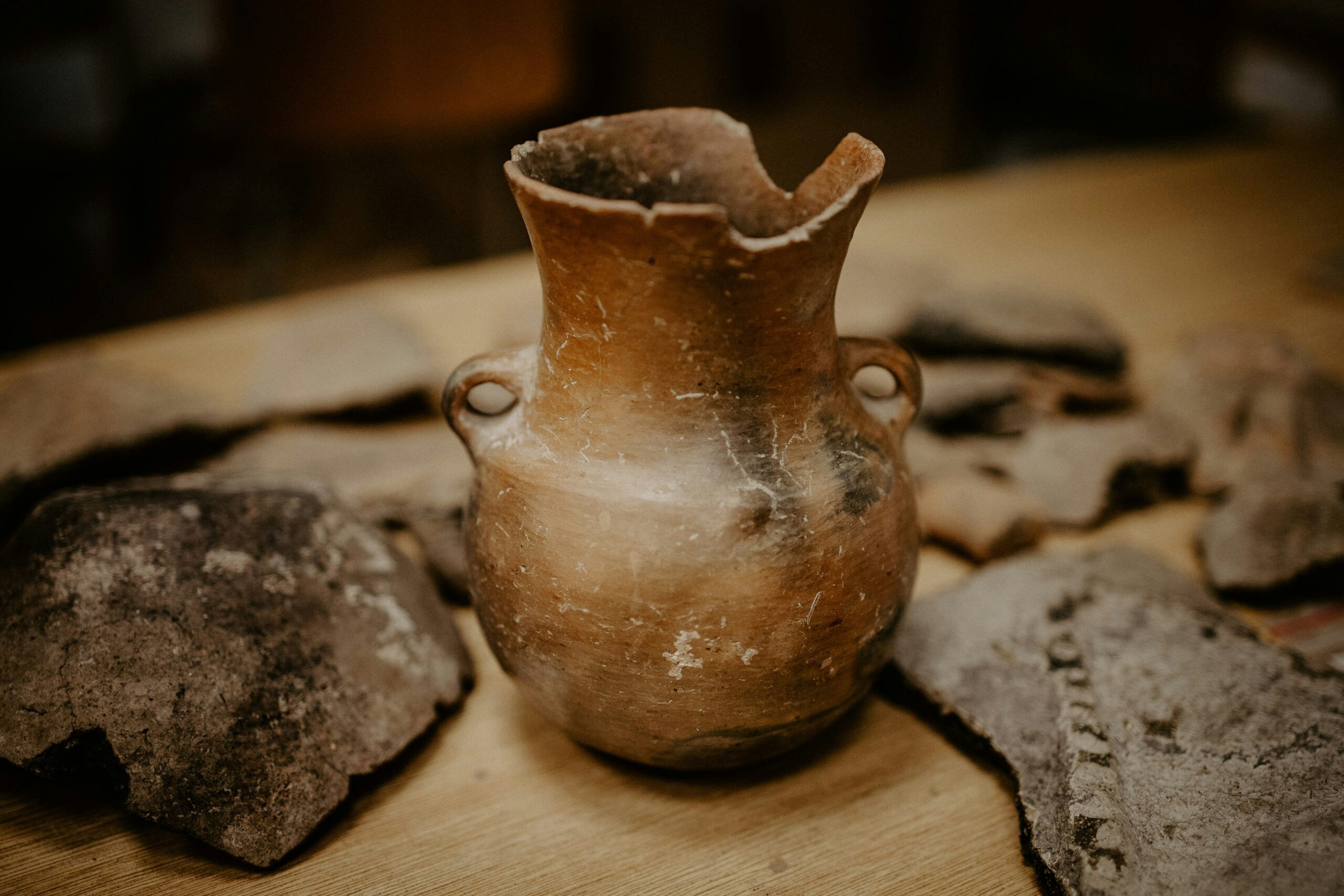
The flickering screen transported viewers back to a time before written records, a nascent era of human ingenuity and societal transformation. “Unearthing the Past: Neolithic Archaeology Documentary” offered a compelling and immersive exploration of the Neolithic period, a pivotal epoch that witnessed humanity’s fundamental shift from hunter-gatherer lifestyles to settled agrarian communities. Through captivating visuals, expert interviews, and the meticulous reconstruction of ancient sites, the documentary painted a vivid picture of the challenges, innovations, and burgeoning cultural complexities of our distant ancestors.
The film didn’t simply present dusty artifacts; it breathed life into them. It guided the audience through the painstaking process of archaeological discovery, highlighting the dedication and intellectual rigor required to extract meaning from millennia-old remnants. From the initial geophysical surveys that hint at buried settlements to the careful trowel work that uncovers fragile bone fragments and pottery shards, the documentary emphasized that understanding the past is a dynamic, ongoing investigation. It reminded viewers that each discovery, no matter how small, is a piece of a much larger, intricate puzzle, slowly revealing the tapestry of human history. The narrative thread wove together different regions and cultures within the Neolithic world, demonstrating both shared advancements and unique regional developments. The result was a rich and multifaceted portrait of a period that laid the groundwork for much of what we consider modern civilization.
The Dawn of Agriculture: A Revolution in Human Existence
The documentary dedicated significant attention to the Neolithic Revolution, arguably the most profound transformation in human history. The shift from nomadic hunting and gathering to the cultivation of crops and the domestication of animals was not a sudden event, but a gradual, complex process that unfolded over millennia. The film explored the key geographical areas where this revolution took root, focusing on regions like the Fertile Crescent, where early experiments with cereal domestication began. Through animated maps and CGI reconstructions, viewers were shown the likely progression from opportunistic foraging to deliberate sowing and harvesting, a conscious engagement with the natural world that fundamentally altered human diets and settlement patterns.
Seeds of Change: The Cultivation of Crops
The “Unearthing the Past” documentary meticulously detailed the archeobotanical evidence that underpins our understanding of early agriculture. Experts discussed the identification of ancient seeds and pollen, revealing the types of plants that were gradually brought under cultivation. The film highlighted the significance of early crops such as wheat, barley, and pulses, explaining how their nutritional value and storage potential facilitated the development of settled life. Viewers learned about the careful selection of wild grasses with desirable characteristics, a process that eventually led to the development of distinct domesticated varieties. The documentary didn’t shy away from the sheer arduousness of this endeavor, showcasing potential tools and techniques that might have been employed, emphasizing the back-breaking labor involved in clearing land, planting, and tending to crops in the absence of modern machinery. The risks associated with early farming – unpredictable weather, pests, and crop failure – were also acknowledged, offering a more nuanced perspective on the perceived simplicity of these early agrarian societies.
From Wild Grasses to Staple Foods
The journey from wild ancestors to reliable food sources was not just about cultivation; it was about understanding plant biology at a fundamental level, even if that understanding was intuitive rather than scientific in the modern sense. Archaeologists discussed the painstaking work of identifying microscopic plant remains in ancient hearths and storage pits. These tiny fragments, often overlooked by the untrained eye, provided crucial clues about which plants were being consumed and, by extension, which were being cultivated. The documentary went a step further, employing digital reconstructions to visualize the likely appearance of these early domesticated grains, contrasting them with their wild progenitors. This visual comparison underscored the dramatic changes wrought by selective breeding over generations. The impact of these new food sources was also explored, demonstrating how a stable and predictable food supply allowed for population growth and the development of specialized labor.
The Animal Kingdom: Domestication and its Ramifications
Complementing the discussion on crop cultivation, the documentary dedicated a section to the equally revolutionary process of animal domestication. The film presented evidence for the taming of animals like sheep, goats, cattle, and pigs, explaining how these new relationships with the animal kingdom provided crucial sources of protein, wool, leather, and even motive power. Archaeological sites yielded skeletal remains that indicated changes in animal anatomy due to selective breeding, as well as evidence of animal pens and enclosures. The documentary explored the mutualistic nature of this relationship; humans provided shelter and protection, while animals supplied valuable resources.
Fencing in the Future: Evidence of Animal Husbandry
The archeozoological evidence presented was fascinating. Specialists analyzed bone fragments, teeth, and even stable isotopes to determine the diet and life cycles of domesticated animals. The documentary showcased how the age and sex profiles of animal skeletons found at sites could indicate culling practices and herd management strategies. The presence of specialized tools, such as those potentially used for milking or shearing, further supported the narrative of developing animal husbandry. Viewers witnessed how the careful observation and manipulation of animal behavior by Neolithic peoples laid the foundation for the agricultural economies that would shape human civilization for millennia. The documentary also touched upon the ethical considerations of domestication, prompting reflection on the evolving human-animal relationship.
In exploring the fascinating world of Neolithic archaeology, one can gain deeper insights into the ancient societies that shaped human history. A related article that delves into the mysteries of our past is titled “Guardians of Ancient Knowledge: Who Holds the Keys?” This piece examines the role of various cultures in preserving and interpreting ancient knowledge, shedding light on how these insights can enhance our understanding of Neolithic communities. For more information, you can read the article here: Guardians of Ancient Knowledge.
Village Life and the Rise of Settlements
The transition to agriculture necessitated and facilitated a more sedentary lifestyle, leading to the establishment of permanent or semi-permanent settlements. “Unearthing the Past” offered a captivating glimpse into these early villages, showcasing the remarkable architectural innovations and social structures that emerged. The documentary emphasized that these were not simply collections of huts, but complex organic entities that reflected a growing sense of community and shared identity. The film explored how the need for communal food storage, defense, and ritualistic practices shaped the layout and organization of these settlements.
Homes Built with Hands: Early Architectural Marvels
The film showcased stunning reconstructions of Neolithic houses, based on extensive archaeological excavation. Viewers saw dwellings constructed from a variety of materials – mudbrick, timber, and stone – depending on local resources and ingenuity. The documentary highlighted the evolution of domestic architecture, from simple single-room structures to more complex multi-room dwellings that could accommodate growing families and store surplus goods. The strategic placement of hearths, sleeping areas, and storage spaces within these homes offered insights into the daily lives and domestic routines of Neolithic people.
From Huts to Hamlets: The Evolution of Dwelling
The documentary presented a fascinating chronological progression of settlement types, from small, scattered homesteads to larger, more organized villages. The discovery of shared features within settlements, such as communal ovens or processing areas, suggested a developing sense of shared responsibility and collective effort. The film also explored the defensive aspects of some settlements, with evidence of palisades, ditches, or elevated positions, indicating that conflict and the need for protection were realities of Neolithic life. The scale of these early communities, while modest by modern standards, represented a significant step towards the complex urban centers that would develop in later eras.
Communal Spaces and Social Cohesion
Beyond individual dwellings, the documentary investigated the importance of communal spaces in Neolithic settlements. These areas often served as focal points for social interaction, ritual, and economic activity. The film showcased evidence of communal gathering areas, communal storage facilities, and perhaps even early forms of public ritual spaces, suggesting a growing need for social organization and cooperation. These shared spaces fostered a sense of belonging and contributed to the development of more complex social structures.
Gatherings for Growth: Ritual and Reciprocity
The documentary’s exploration of communal spaces extended to the fascinating realm of Neolithic ritual and belief systems. While direct evidence of religious practices can be elusive, archaeologists pointed to recurring patterns in artifact deposition and the presence of specialized structures that hinted at spiritual activities. Offerings of food, tools, and personal adornments in burials or at designated sites provided clues about their worldview and their relationship with the supernatural. The film emphasized how these communal rituals likely played a crucial role in maintaining social cohesion, resolving disputes, and reinforcing shared values within these budding communities.
Craftsmanship and Innovation: Tools and Technology of the Stone Age
The Neolithic period is synonymous with the widespread adoption of polished stone tools, a significant advancement over the cruder, flaked tools of the preceding Paleolithic era. “Unearthing the Past” dedicated a considerable portion of its narrative to showcasing the ingenuity and skill of Neolithic craftspeople. The documentary demonstrated the sophisticated techniques employed to shape stone into effective tools for agriculture, construction, and daily life. The film also explored other technological innovations that emerged during this transformative period.
Shaping Stone: The Art of Polishing
The documentary meticulously illustrated the process of crafting polished stone tools. Experts explained the careful selection of stone types, such as flint and obsidian, and the techniques of grinding, pecking, and polishing that were used to create sharp edges and smooth surfaces. Viewers were shown demonstrations of how these tools were used for tasks such as felling trees, woodworking, and preparing animal hides. The emphasis was not just on the function of these tools, but also on the skill and artistry involved in their creation, highlighting a developing aesthetic sense alongside practical utility.
From Rough to Refined: The Evolution of Lithic Technology
The documentary demonstrated a clear progression in stone tool technology throughout the Neolithic. Early polished tools might have been relatively simple, but over time, more specialized and efficient implements emerged. The film showcased examples of axes, adzes, chisels, and knives, each designed for specific purposes. The discovery of workshops, complete with unfinished tools and polishing stones, provided compelling evidence of dedicated craft production. The impact of these more refined tools on Neolithic societies was profound, enabling greater efficiency in resource extraction and construction.
Beyond Stone: Early Pottery and Textile Production
While stone tools were a defining feature, the Neolithic period also witnessed significant advancements in other areas of material culture. The documentary explored the emergence of pottery, a revolutionary innovation that provided efficient means for cooking, storage, and transport. Viewers saw how clay was sourced, prepared, and shaped into various forms, often adorned with intricate designs. The film also delved into the development of textile production, showcasing evidence of bone needles and loom weights, suggesting the weaving of fabrics from plant fibers and animal wool.
Firing the Future: The Revolution of Ceramics
The archaeological evidence for early pottery was a focal point of this section. Experts discussed the discovery of kilns and fired ceramic fragments, dating back to thousands of years BCE. The documentary highlighted the transformation of soft clay into durable and waterproof vessels through the application of heat. The variety of shapes and decorative styles found across different Neolithic cultures provided insights into regional artistic traditions and cultural exchange. The ability to store liquids and cook food more effectively had a significant impact on diet and health, further contributing to the viability of settled life.
Threads of Progress: The Dawn of Weaving
The documentary illuminated the often-overlooked yet crucial development of textile production. The discovery of bone spatulas, loom weights, and impressions of woven fabric on pottery shards provided the key evidence. Experts explained how Neolithic people learned to spin fibers from plants like flax and from the wool of domesticated sheep, creating threads that could then be woven into cloth. The film suggested that textiles would have been used for clothing, bedding, and potentially for more specialized purposes, impacting comfort, protection from the elements, and even social status. This marked a significant step towards the complex textile industries of later historical periods.
Social Structures and Belief Systems: The Foundations of Civilization
As settlements grew and populations increased, Neolithic societies began to develop more complex social structures and organized belief systems. “Unearthing the Past” explored the hints and inferences that archaeologists have made about leadership, social hierarchy, and the spiritual lives of these early peoples. The documentary acknowledged the inherent challenges in interpreting such abstract aspects of past societies but presented compelling evidence from burials, monumental constructions, and symbolic artifacts.
The Unwritten Laws: Evidence of Social Organization
The documentary examined how the layout of villages, the nature of burials, and the distribution of resources could offer clues about social organization. The presence of larger, more elaborate burials, for instance, might suggest social stratification and the existence of individuals with higher status. The film also explored the potential for early forms of leadership, perhaps vested in elders, skilled craftspeople, or charismatic individuals who played key roles in communal decision-making and ritualistic practices. The careful management of communal resources, as hinted at by organized storage facilities, also pointed towards a degree of social regulation.
From Clans to Communities: The Emergence of Hierarchy
The documentary discussed how the increasing size and complexity of Neolithic settlements likely led to the development of more formal social structures. While the concept of kingship or large-scale states was still far off, evidence suggested the emergence of kin-based groupings, village councils, or leadership roles that were essential for coordinating labor, resolving disputes, and organizing defense. The documentary emphasized that these were likely fluid and evolving structures, shaped by local needs and circumstances.
Whispers from the Beyond: Neolithic Beliefs and Practices
The study of Neolithic burials provided some of the most poignant insights into their belief systems. The documentary showcased how the manner of interment, the presence of grave goods, and the location of burial sites could reveal attitudes towards death and the afterlife. Offerings of tools, weapons, personal adornments, and even food were found in some graves, suggesting a belief in a continued existence or a need to provide for the deceased in the next world. The film also highlighted the significance of communal burial sites or megalithic structures like Stonehenge, suggesting a shared spiritual landscape and collective rituals.
Sacred Stones and Ceremonial Sites: Monumental Legacies
The documentary’s examination of monumental constructions was particularly awe-inspiring. Sites like Stonehenge, Newgrange, and other megalithic structures were presented not just as architectural feats but as testaments to the organizing power, shared vision, and complex belief systems of Neolithic peoples. Experts discussed the astronomical alignments of these structures and the potential ceremonial purposes they served, suggesting a profound connection to the celestial cycles and the natural world. The effort and coordination required for their construction pointed towards sophisticated social organization and a shared commitment to spiritual or cosmological endeavors, laying the groundwork for future grand constructions and societal cohesion.
In exploring the fascinating world of Neolithic archaeology, one can gain deeper insights into the social structures of ancient societies. A related article discusses the complexities of early economic systems, shedding light on how debt and peonage influenced social hierarchies. For those interested in this intersection of archaeology and history, the article can be found here. Understanding these dynamics can enrich our appreciation of the Neolithic era and its lasting impact on human civilization.
A Legacy Enduring: The Impact of the Neolithic on Modern Civilization
The documentary concluded by emphasizing the profound and lasting legacy of the Neolithic period. The innovations and societal shifts that occurred during this era laid the fundamental groundwork for much of what we recognize as modern civilization. The documentary reminded viewers that our diets, our settled lifestyles, our complex social organizations, and even our technological trajectories all have roots in this transformative age. The film served as a powerful reminder that understanding our Neolithic ancestors is not merely an academic exercise but a vital part of understanding ourselves.
Architects of Our World: From Dawn Farmers to Modern Societies
The concluding segments of “Unearthing the Past” powerfully synthesized the earlier discussions, drawing clear lines between Neolithic achievements and their reverberations through history. The documentary illustrated how the domestication of plants and animals led to surplus food production, which in turn supported population growth, urbanization, and the specialization of labor – all cornerstones of advanced societies. The development of settled life established territories and economies that fueled trade and cultural exchange, setting the stage for the rise of complex civilizations. Viewers were left with a deep appreciation for the ingenuity and resilience of these early pioneers.
The Seeds We Sow Today: Continuing Echoes of the Past
The documentary’s final reflections encouraged viewers to consider how the fundamental principles established during the Neolithic continue to shape our world. From the industrialized agriculture that feeds billions to the urban landscapes we inhabit, the echoes of this ancient revolution are undeniable. The film implicitly posed questions about our own relationship with the environment, our social structures, and our technological advancements, prompting contemplation on whether we are truly as far removed from our Neolithic ancestors as we might believe. The enduring human drive for innovation, community, and understanding, so evident in this ancient period, continues to be a defining characteristic of our species.

How Volcanic Glass Solved a 10,000-Year-Old Mystery
FAQs

What is neolithic archaeology?
Neolithic archaeology is the study of the period in human history known as the Neolithic, which began around 12,000 years ago and is characterized by the development of agriculture, pottery, and the domestication of animals.
What can we learn from neolithic archaeology?
Neolithic archaeology provides insights into the transition from hunter-gatherer societies to settled agricultural communities, the development of early technologies, social organization, and the impact of humans on the environment.
What is a neolithic archaeology documentary?
A neolithic archaeology documentary is a film or video production that explores the findings, theories, and discoveries related to the Neolithic period, often featuring interviews with archaeologists, footage of excavations, and reconstructions of ancient life.
Where can I watch a neolithic archaeology documentary?
Neolithic archaeology documentaries can be found on streaming platforms, such as Netflix, Amazon Prime, and YouTube, as well as on television channels dedicated to history and archaeology.
Why is neolithic archaeology important?
Neolithic archaeology is important because it helps us understand the origins of agriculture, the development of human societies, and the ways in which ancient peoples interacted with their environment, laying the foundation for modern civilization.