
Zero interest loans represent a unique financial instrument designed to alleviate the burden of debt while promoting specific social or environmental goals. Unlike traditional loans that accrue interest over time, these loans allow borrowers to repay only the principal amount borrowed, making them an attractive option for individuals and organizations seeking to fund projects without the added pressure of interest payments. This financial model is particularly beneficial for low-income communities or those facing economic hardships, as it provides access to necessary funds without the fear of escalating debt.
The concept of zero interest loans has gained traction in various sectors, particularly in initiatives aimed at fostering sustainability and resilience against climate change. By removing the financial barrier of interest, these loans empower communities to invest in projects that enhance their infrastructure, promote renewable energy, or improve disaster preparedness. Understanding the mechanics and implications of zero interest loans is crucial for stakeholders looking to leverage this financial tool for community development and climate resilience.
Key Takeaways
- Zero interest loans are loans that do not require the borrower to pay any interest on the principal amount.
- Climate change has a significant impact on communities, leading to increased frequency and severity of natural disasters.
- Financial support through zero interest loans can help build climate resilience in communities by funding projects for disaster preparedness and infrastructure improvement.
- Zero interest loans for climate resilience projects offer benefits such as reduced financial burden on communities and increased accessibility to funding for vulnerable populations.
- Zero interest loans can help communities prepare for climate-related disasters by providing the necessary financial resources for proactive measures and emergency response.
The Impact of Climate Change on Communities
Climate change poses significant challenges to communities worldwide, manifesting in extreme weather events, rising sea levels, and shifting agricultural patterns. These changes disproportionately affect vulnerable populations, often exacerbating existing inequalities and threatening livelihoods. For instance, coastal communities face increased flooding and erosion, while rural areas may experience droughts that jeopardize food security.
The consequences of climate change are not merely environmental; they ripple through social, economic, and health dimensions, creating a complex web of challenges that require urgent attention. As communities grapple with these impacts, the need for adaptive strategies becomes increasingly apparent. Local governments and organizations are tasked with developing solutions that not only address immediate threats but also build long-term resilience.
This involves understanding the specific vulnerabilities of each community and tailoring responses accordingly.
Building Climate Resilience through Financial Support

Financial support plays a pivotal role in enabling communities to build climate resilience. Access to funding allows for the implementation of projects that can mitigate the effects of climate change, such as infrastructure improvements, renewable energy installations, and community education programs. However, traditional funding sources often come with stringent requirements and high-interest rates that can deter communities from pursuing necessary initiatives.
This is where innovative financing options like zero interest loans become invaluable. By providing financial resources without the burden of interest, zero interest loans empower communities to take charge of their climate resilience efforts. These loans can be used to fund a variety of projects, from retrofitting buildings to withstand extreme weather to investing in green technologies that reduce carbon footprints.
The flexibility offered by zero interest loans allows communities to prioritize their needs and allocate resources effectively, ultimately leading to more sustainable outcomes.
The Benefits of Zero Interest Loans for Climate Resilience Projects
| Benefits of Zero Interest Loans for Climate Resilience Projects |
|---|
| 1. Cost Savings |
| 2. Increased Affordability |
| 3. Accelerated Project Implementation |
| 4. Enhanced Climate Resilience |
| 5. Positive Environmental Impact |
The advantages of zero interest loans extend beyond mere financial relief; they foster a culture of innovation and sustainability within communities. By eliminating interest payments, these loans free up capital that can be reinvested into additional projects or used for community development initiatives. This creates a positive feedback loop where successful projects can lead to further investments in resilience-building efforts.
Moreover, zero interest loans can enhance community engagement by involving residents in decision-making processes related to project funding and implementation. When communities have a stake in the financial aspects of their resilience strategies, they are more likely to support and participate in these initiatives. This sense of ownership not only strengthens community bonds but also ensures that projects are tailored to meet the specific needs and preferences of local populations.
How Zero Interest Loans Can Help Communities Prepare for Climate-Related Disasters
Preparation for climate-related disasters is critical in minimizing their impact on communities. Zero interest loans provide a vital resource for funding preparedness initiatives, such as emergency response training, infrastructure upgrades, and early warning systems. By investing in these areas, communities can significantly reduce their vulnerability to disasters and enhance their capacity to respond effectively when crises occur.
For example, a community prone to flooding might use zero interest loans to elevate homes or construct levees that protect against rising waters. Similarly, funds could be allocated for developing comprehensive emergency plans that include evacuation routes and communication strategies. By prioritizing disaster preparedness through zero interest loans, communities not only safeguard their residents but also create a more resilient environment capable of withstanding future challenges.
Case Studies: Successful Climate Resilience Projects Funded by Zero Interest Loans
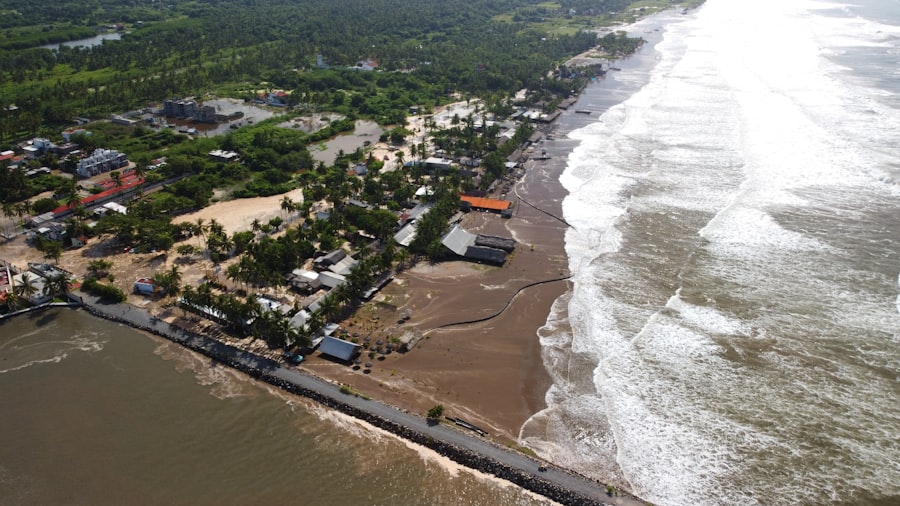
Numerous case studies illustrate the transformative potential of zero interest loans in funding climate resilience projects. One notable example is a coastal town that utilized zero interest loans to implement a comprehensive flood mitigation strategy. By elevating critical infrastructure and enhancing natural barriers such as wetlands, the community significantly reduced its flood risk while also improving local ecosystems.
The success of this project not only protected residents but also attracted new businesses interested in investing in a safer environment. Another compelling case involves a rural community that faced severe drought conditions impacting agriculture. Through zero interest loans, local farmers were able to invest in water-efficient irrigation systems and drought-resistant crops.
This initiative not only improved food security but also fostered collaboration among farmers who shared best practices and resources. The positive outcomes from these projects demonstrate how zero interest loans can catalyze meaningful change and inspire other communities to pursue similar resilience-building efforts.
The Role of Government and Non-Profit Organizations in Providing Zero Interest Loans
Government agencies and non-profit organizations play a crucial role in facilitating access to zero interest loans for climate resilience projects. These entities often serve as intermediaries, providing the necessary infrastructure and support systems to connect borrowers with funding sources. By establishing programs specifically designed for climate resilience initiatives, they can streamline the application process and ensure that funds are allocated efficiently.
Additionally, these organizations often provide technical assistance and capacity-building resources to help communities develop viable project proposals. This support is essential for ensuring that local stakeholders understand how to leverage zero interest loans effectively and align their projects with broader climate goals. By fostering partnerships between government entities, non-profits, and communities, a collaborative approach emerges that enhances the overall impact of climate resilience efforts.
Overcoming Barriers to Accessing Zero Interest Loans for Climate Resilience
Despite the benefits of zero interest loans, several barriers can hinder access for communities seeking funding for climate resilience projects. One significant challenge is the lack of awareness or understanding of available financial options among community members. Many individuals may not be familiar with the concept of zero interest loans or how they can be utilized effectively for climate-related initiatives.
Furthermore, bureaucratic hurdles can complicate the application process, deterring potential borrowers from pursuing these opportunities. Streamlining application procedures and providing clear guidance on eligibility criteria can help mitigate these challenges. Additionally, outreach efforts aimed at educating communities about the benefits of zero interest loans are essential for increasing participation and ensuring that those most in need can access this valuable resource.
The Importance of Collaboration and Community Engagement in Climate Resilience Projects
Collaboration and community engagement are fundamental components of successful climate resilience projects funded by zero interest loans. When stakeholders come together—be it local governments, non-profits, businesses, or residents—they can pool resources, share knowledge, and develop comprehensive strategies that address specific vulnerabilities within their communities. This collaborative approach fosters a sense of shared responsibility and encourages diverse perspectives in decision-making processes.
Engaging community members throughout the project lifecycle is equally important. By involving residents in planning discussions and implementation efforts, projects are more likely to reflect local needs and priorities. This engagement not only enhances project outcomes but also builds trust among stakeholders, creating a supportive environment for future initiatives aimed at enhancing climate resilience.
Ensuring Long-Term Sustainability of Climate Resilience Efforts with Zero Interest Loans
To maximize the impact of zero interest loans on climate resilience efforts, it is essential to focus on long-term sustainability. This involves not only successfully implementing funded projects but also establishing mechanisms for ongoing maintenance and support. Communities must develop plans that outline how they will sustain the benefits achieved through these initiatives over time.
One approach is to create dedicated funds or reserve accounts that can be used for future repairs or upgrades related to funded projects. Additionally, fostering partnerships with local organizations can provide ongoing technical assistance and resources necessary for maintaining project effectiveness. By prioritizing sustainability from the outset, communities can ensure that their investments in climate resilience continue to yield positive results well into the future.
The Future of Zero Interest Loans in Building Climate Resilience
As awareness of climate change continues to grow, so too does the recognition of innovative financing solutions like zero interest loans as vital tools for building resilience in communities worldwide. The future of these loans lies in expanding access and increasing collaboration among stakeholders at all levels—government agencies, non-profits, businesses, and community members alike. Looking ahead, there is potential for scaling up zero interest loan programs through policy changes that incentivize investment in climate resilience initiatives.
By creating supportive regulatory environments and fostering public-private partnerships, governments can amplify the impact of these financial tools while encouraging broader participation from diverse sectors. Ultimately, as communities embrace zero interest loans as a means to enhance their resilience against climate change, they pave the way for a more sustainable future where both people and ecosystems thrive together.
Zero interest loans can play a crucial role in enhancing climate resilience by providing communities with the financial means to invest in sustainable infrastructure and adaptive technologies. For further insights on how innovative financing solutions can support climate initiatives, you can read more in this related article on Real Lore and Order: Real Lore and Order.
WATCH THIS! Why Australia’s Middle Class Is Disappearing
FAQs
What are zero interest loans for climate resilience?
Zero interest loans for climate resilience are financial instruments that provide funding to individuals, businesses, or communities to invest in projects and initiatives that enhance their ability to withstand and adapt to the impacts of climate change. These loans do not accrue any interest, making them more accessible and affordable for borrowers.
How do zero interest loans for climate resilience work?
Zero interest loans for climate resilience are typically offered by government agencies, non-profit organizations, or financial institutions with a focus on environmental and social impact. Borrowers can use the funds to implement measures such as building climate-resilient infrastructure, adopting sustainable agricultural practices, or investing in renewable energy technologies.
What are the benefits of zero interest loans for climate resilience?
Zero interest loans for climate resilience provide several benefits, including increased access to funding for climate adaptation and mitigation projects, lower financial burden on borrowers due to the absence of interest payments, and the potential to accelerate the transition to a more sustainable and resilient economy.
Who is eligible for zero interest loans for climate resilience?
Eligibility for zero interest loans for climate resilience varies depending on the specific program or organization offering the loans. In general, individuals, businesses, and communities that can demonstrate a commitment to implementing climate resilience projects and have a viable plan for utilizing the funds may be eligible to apply for these loans.
What are some examples of projects funded by zero interest loans for climate resilience?
Projects funded by zero interest loans for climate resilience can include but are not limited to:
– Retrofitting buildings for energy efficiency and climate resilience
– Implementing sustainable water management practices
– Establishing community-based renewable energy initiatives
– Investing in climate-resilient agriculture and food systems
– Constructing infrastructure to protect against extreme weather events