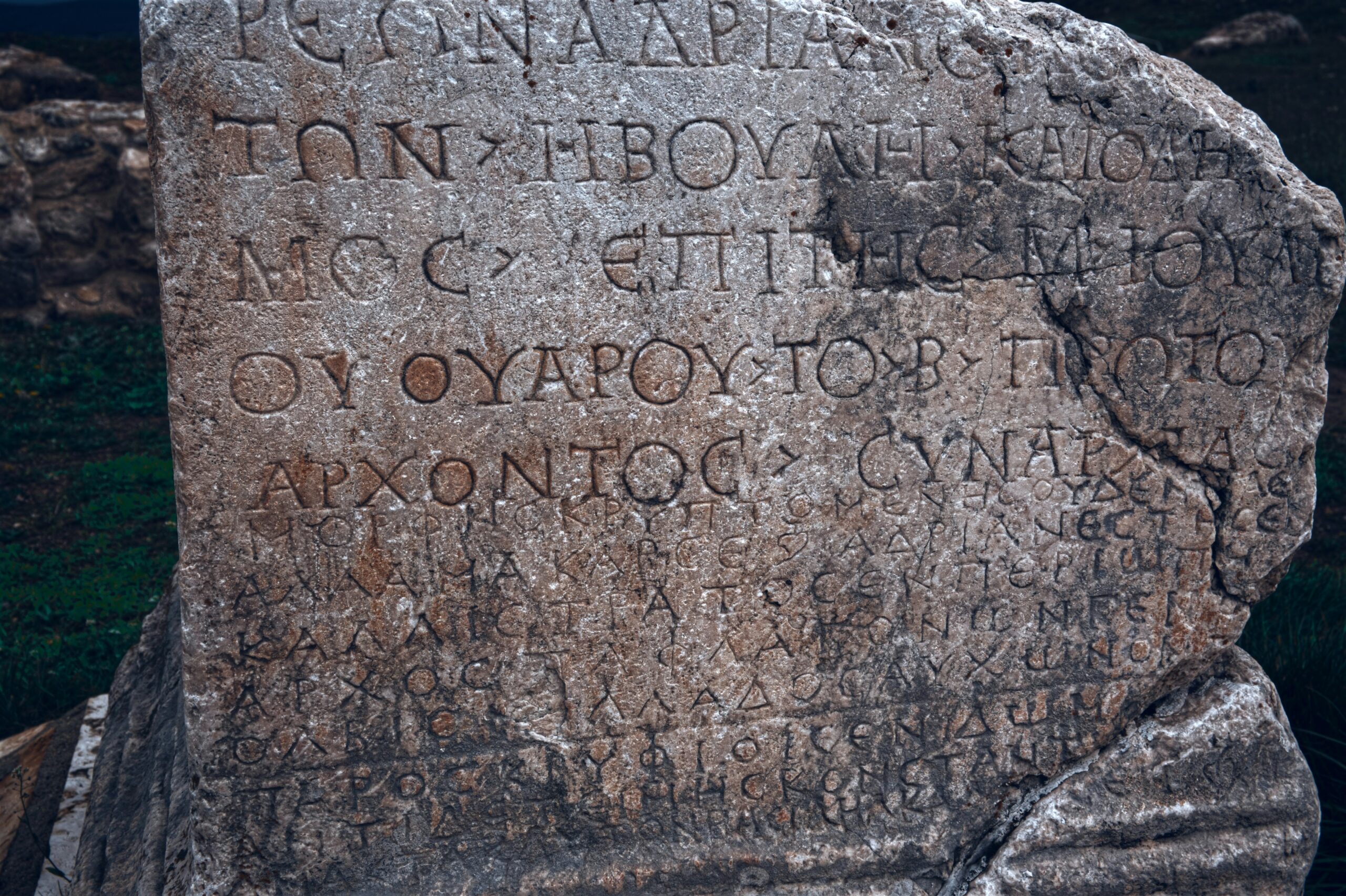
The pursuit of understanding humanity’s journey is an ongoing endeavor, one that relies heavily on meticulous investigation and the careful excavation of our shared past. Archaeologists and historians, equipped with scientific tools and a deep curiosity, dedicate their lives to uncovering the tangible remnants of ancient civilizations, piecing together narratives that would otherwise remain lost to time. These unearthed artifacts are not mere objects; they are windows into the lives, beliefs, technologies, and social structures of those who came before us, offering profound insights into the evolution of human society.
The initial stage of investigating the past involves the crucial task of identifying and safeguarding the very ground upon which ancient lives were lived. This is a delicate and complex process, requiring a blend of scientific methodology, historical knowledge, and an unwavering commitment to preservation. Modern archaeology has moved far beyond the image of a lone explorer unearthing treasures; it is now a multi-disciplinary science demanding precision, ethical considerations, and a deep respect for both the past and the present communities connected to these sites.
From Legend to Landscape: The Art of Site Discovery
The discovery of an archaeological site is often a convergence of serendipity, diligent research, and advanced technology. For centuries, site discovery relied on chance encounters – farmers plowing fields and unearthing pottery shards, or the erosion of a hillside revealing ancient structures. While such fortunate discoveries still occur, the modern approach is far more systematic. Researchers pore over historical texts, ancient maps, and oral traditions, searching for clues that might point to the location of forgotten settlements, battlegrounds, or burial grounds. These historical records, though valuable, are often fragmented and require expert interpretation.
Beyond textual analysis, landscape archaeology plays a pivotal role. This field examines the relationship between human activity and the natural environment. By studying patterns in the landscape – subtle changes in vegetation, aerial reconnaissance that reveals crop marks or soil discolorations, and the presence of man-made features like ancient roads or irrigation systems – archaeologists can infer the likelihood of human occupation.
The advent of remote sensing technologies has revolutionized site discovery. Aerial surveys, employing multispectral cameras and LiDAR (Light Detection and Ranging) technology, can penetrate dense forest canopies and reveal subtle anomalies on the ground that would be invisible to the naked eye. LiDAR, in particular, can map the topography with incredible accuracy, unveiling ancient earthworks, settlements, and agricultural terracing hidden beneath layers of vegetation. Satellite imagery provides an even broader perspective, allowing for the identification of large-scale features and potential patterns of human settlement across vast regions. Even ground-penetrating radar (GPR) can be used to non-invasively detect subsurface anomalies, hinting at buried structures or features before any excavation begins.
The Guardian’s Role: Site Protection and Preservation
Once a site is identified, its protection becomes paramount. Many archaeological sites are vulnerable to looting, treasure hunting, intentional destruction, and the slow degradation caused by environmental factors. Looting is a persistent threat, as illicit excavations strip away valuable context, destroying the scientific integrity of a site for the sake of illicit profit. This not only deprives future generations of knowledge but also eradicates irreplaceable historical evidence.
Archaeologists and heritage organizations work tirelessly to advocate for legal protections, implement surveillance measures, and engage local communities in the stewardship of their heritage. This often involves working with government agencies to declare sites as protected zones, establish management plans, and educate the public about the importance of preserving these fragile links to the past. In many cases, collaboration with local indigenous communities is vital, as they often possess generations of knowledge about the land and its history, and their cultural heritage is intrinsically linked to these sites. This collaborative approach ensures that preservation efforts are culturally sensitive and sustainable.
In the realm of ancient artifact investigation, the ethical considerations surrounding the ownership and preservation of historical items are paramount. A thought-provoking article that delves into the complexities of property rights and government intervention can be found at this link: Is Real Estate Safe from Government Seizure?. This piece explores how similar principles of ownership and protection apply not only to real estate but also to invaluable cultural artifacts, highlighting the ongoing debates about who has the right to claim and safeguard our shared heritage.
Principles of Excavation: Digging Deeper into the Truth
Excavation is the heart of archaeological investigation, the physical act of carefully uncovering and documenting the material remains of past human activity. It is a process that requires a rigorous adherence to established methodologies to ensure that the information gleaned is accurate, meaningful, and maximally preserved. Unlike treasure hunting, which prioritizes the acquisition of valuable objects, archaeological excavation prioritizes the context in which artifacts are found, as this context is crucial for understanding their significance.
The Trench and the Grid: Mapping the Stratigraphy
The most fundamental principle of archaeological excavation is the careful understanding and recording of stratigraphy. Stratigraphy refers to the study of the layers of soil and sediment that accumulate over time. Each layer represents a distinct period of deposition, and by meticulously excavating these layers in reverse order of their deposition (that is, digging from the most recent layer to the oldest), archaeologists can reconstruct a chronological sequence of events at a site.
Excavations are typically laid out in a grid system. This grid divides the site into manageable squares or rectangles, allowing for precise recording of the location of every artifact and feature. Each grid square is given a unique designation, and all findings within that square are meticulously documented in relation to its position within the grid and the specific stratigraphic layer being excavated. This systematic approach ensures that data can be accurately mapped and analyzed later, creating a three-dimensional picture of the site.
Documenting the Unseen: Recording and Analysis
The act of excavation is inextricably linked with documentation. Every step of the process must be recorded with scrupulous attention to detail. This includes detailed field notes, which describe the soil types, the presence of organic material, the relationships between different features, and any observations about the excavation process itself. Photographs are essential, capturing the site at various stages of excavation, the stratigraphic profiles, and the context of artifact discoveries.
Artifacts are photographed in situ (in their original location) before they are removed. Detailed plans and sections of the excavation are drawn, illustrating the layout of features and the stratigraphy. Increasingly, 3D scanning and photogrammetry are employed to create detailed digital models of the site and individual artifacts, providing a rich and comprehensive record that can be accessed and analyzed long after the physical excavation has concluded.
Once artifacts are excavated, they are carefully cataloged, cleaned, and prepared for further analysis. This analysis can involve a wide range of scientific techniques, from radiocarbon dating to determine the age of organic materials, to X-ray fluorescence to identify the elemental composition of metals and ceramics, allowing for the tracing of trade routes and manufacturing techniques.
Artifacts as Voices: Interpretation and Reconstruction

The unearthed artifacts are the primary evidence that archaeologists use to reconstruct the past. However, their meaning is not always immediately apparent. Interpretation is a critical and often challenging phase, requiring a deep understanding of historical context, comparative analysis, and the application of various scientific techniques. Each artifact, from a humble pottery shard to an elaborate piece of jewelry, has a story to tell.
The Material Record: Understanding Function and Form
The physical characteristics of an artifact provide initial clues to its function and the skills of its creators. The material used – stone, bone, metal, clay, or organic substances – speaks to the available resources and technological capabilities of the society. The form and design of an object reveal its purpose, whether it was a tool for farming, a vessel for cooking, an item of adornment, or a ritualistic object. For instance, the shape of a tool can indicate its specific use, while the decoration on pottery can reflect cultural aesthetics and symbolic meanings.
Studying the wear patterns on tools can reveal how they were used. The analysis of residues left on pottery vessels can indicate the types of food or liquids they contained. The presence of distinctive manufacturing techniques, such as specific methods of firing pottery or casting metal, can help identify the origin of an artifact and its place within a broader cultural tradition.
Beyond the Object: Contextualizing Meaning
The true power of an artifact lies not just in its form but in its context. An artifact found in a tomb, for example, carries a different significance than the same artifact discovered in a refuse pit or a domestic dwelling. Archaeologists meticulously record the stratigraphic layer, the associated features (such as hearths, walls, or burials), and any other artifacts found in close proximity. This contextual information is vital for understanding the artifact’s role in the lives of the people who created and used it.
Comparative analysis is another crucial interpretive tool. By comparing unearthed artifacts with similar objects found at other sites or described in historical records, archaeologists can identify patterns, establish cultural connections, and infer information about trade, migration, and cultural exchange. For example, the discovery of a specific type of pottery at a site suggests cultural links to the region where that pottery is typically found.
Illuminating Lost Worlds: Technologies and Techniques

The field of archaeology has been transformed by the continuous development and application of new technologies. These tools and techniques allow for a more precise, less invasive, and more comprehensive understanding of the past. They expand the scope of what can be discovered and the depth of information that can be extracted from the material record.
Non-Invasive Exploration: Seeing Below the Surface
The development of non-invasive techniques has been a game-changer for archaeology. These methods allow for the investigation of potential sites and the identification of buried features without the need for extensive excavation, thus preserving fragile archaeological deposits for future study. Ground-penetrating radar (GPR) uses radio waves to detect anomalies beneath the ground, revealing buried walls, ditches, or foundations. Magnetometry measures variations in the Earth’s magnetic field, which can be caused by buried features like kilns, hearths, or ancient ditches.
Electrical resistivity surveys measure the electrical resistance of the soil, which varies depending on moisture content and the presence of buried structures. Aerial photography and remote sensing, as mentioned earlier, provide broad overviews of landscapes, revealing subtle signs of past human activity that might otherwise go unnoticed. These technologies are invaluable for initial surveys of large areas and for planning more targeted excavations.
Dating the Past: Establishing Chronologies
Establishing an accurate timeline is fundamental to historical understanding. Archaeology employs a variety of dating techniques, both relative and absolute, to place artifacts and sites within a chronological framework. Relative dating methods, such as stratigraphy and typological seriation (arranging artifacts in chronological order based on their style), establish the sequence of events.
Absolute dating methods provide a more precise age. Radiocarbon dating, for example, is widely used to date organic materials such as wood, bone, and charcoal by measuring the decay rate of the radioactive isotope carbon-14. Dendrochronology, or tree-ring dating, offers precise dates by matching patterns of tree growth rings to known climatic sequences. Thermoluminescence dating can be used to date pottery and burnt stone, providing ages for when these materials were last heated.
Recent studies in ancient artifact investigation have shed light on intriguing discoveries, such as the enigmatic Baghdad Battery. This artifact has sparked debates among historians and archaeologists regarding its potential uses in ancient technology. For a deeper understanding of this fascinating subject, you can explore the article that delves into the mysteries surrounding the Baghdad Battery and its implications for our knowledge of ancient civilizations. To read more, visit this insightful article.
The Ethics of Discovery: Responsibility and Preservation
| Artifact Name | Origin | Age | Material | Discovery Location |
|---|---|---|---|---|
| Stone Tablet | Mesopotamia | 3000 BCE | Stone | Ur, Iraq |
| Golden Mask | Mycenae | 1600 BCE | Gold | Grave Circle A, Greece |
| Mayan Codex | Mesoamerica | 600 CE | Paper | Yucatan, Mexico |
The uncovering of ancient artifacts is not just a scientific pursuit; it is a profoundly ethical undertaking. Archaeologists bear a significant responsibility to ensure that their work benefits humanity, respects cultural heritage, and does not harm the sites they investigate or the communities connected to them. The ethical landscape of archaeology has evolved considerably, moving from a colonial-era focus on collection to a more collaborative and preservation-oriented approach.
Stewardship and Collaboration: Working with Communities
Modern archaeological practice emphasizes collaboration and partnership with descendant communities and local populations. This often involves indigenous groups who have a direct ancestral connection to the sites and artifacts being studied. Rather than simply extracting information and artifacts, archaeologists now strive to work with these communities, respecting their cultural values, involving them in the research process, and ensuring that the knowledge gained is shared and beneficial to them. This collaborative approach transforms the relationship from one of discovery to one of shared stewardship.
This partnership can extend to co-curating exhibitions, developing educational programs, and participating in the repatriation of ancestral remains and cultural objects. It acknowledges that heritage is not solely the domain of academics but is a living and evolving part of people’s identities.
The Debate of Display and Repatriation
The question of where artifacts should be housed and displayed is a complex and often contentious issue. While museums play a crucial role in preserving, studying, and exhibiting artifacts to a wide audience, there is an ongoing debate about the repatriation of cultural property to its country or community of origin. Many argue that certain artifacts, particularly those of significant cultural or religious importance, should be returned to their rightful stakeholders.
This debate highlights the tension between global access to cultural heritage and the rights of source communities to control and safeguard their own history. Ethical archaeologists are actively engaged in these discussions, advocating for responsible collection policies, transparent ownership, and respectful engagement with the provenance and significance of the objects they study. The goal is to ensure that the investigation of the past serves to illuminate, educate, and respect all humanity, now and for generations to come.

How Volcanic Glass Solved a 10,000-Year-Old Mystery
FAQs
What is an ancient artifact investigation?
An ancient artifact investigation is the process of studying and analyzing artifacts from ancient civilizations to gain insight into their culture, technology, and way of life.
What are the methods used in ancient artifact investigation?
Methods used in ancient artifact investigation include archaeological excavation, carbon dating, chemical analysis, and technological examination to determine the age, origin, and purpose of the artifacts.
Why is ancient artifact investigation important?
Ancient artifact investigation is important because it helps us understand the history and development of human civilization, as well as providing valuable insights into the cultural, social, and technological achievements of ancient societies.
What are some examples of ancient artifacts that have been investigated?
Examples of ancient artifacts that have been investigated include pottery, tools, weapons, jewelry, artwork, and architectural remains from civilizations such as the Egyptians, Greeks, Romans, Mayans, and many others.
Who conducts ancient artifact investigations?
Ancient artifact investigations are conducted by archaeologists, historians, anthropologists, and other experts in the field of ancient civilizations and material culture.