Unearthing Ancient Treasures: Recent Archaeological Finds
The sands of time, vast and enigmatic, continue to yield their secrets, revealing glimpses into civilizations long past. In recent years, archaeological endeavors across the globe have achieved remarkable breakthroughs, unearthing artifacts and sites that reshape our understanding of human history, culture, and ingenuity. These discoveries are not merely dusty relics; they are tangible links to our ancestors, offering profound insights into their daily lives, their beliefs, and their triumphs. This article delves into some of the most significant recent archaeological finds, exploring the stories they tell and the questions they inspire, reminding us that the past is never truly buried, but merely waiting to be revealed.
Mesopotamia, the fertile land between the Tigris and Euphrates rivers, has long been recognized as a seminal cradle of civilization. Its ancient cities, once thriving metropolises, continue to offer a rich tapestry of human achievement, and recent excavations are adding vibrant new threads to this narrative. The ongoing work in regions like Iraq and Syria, despite persistent political challenges, has yielded discoveries that illuminate the social structures, religious practices, and economic networks of these early states.
Illuminating the Lives of Everyday Mesopotamians
Until relatively recently, archaeological focus in Mesopotamia often centered on monumental architecture and royal inscriptions. However, a growing emphasis on microarchaeology and the study of domestic spaces is now bringing the lives of ordinary people to the forefront. Excavations in areas previously overlooked are unearthing detailed evidence of domestic activities, from the tools used for farming and craft production to the remnants of their meals and the toys of their children.
The Humble Dwelling as a Historical Archive
Consider the recent findings from a Sumerian settlement in southern Iraq. Archaeologists have meticulously documented the layout of several residential houses, revealing intricate details about family structures and social organization. The presence of multiple hearths in some dwellings suggests extended family units living together, while the varying sizes and complexity of these homes hint at emerging social stratification. Furthermore, the discovery of specialized workshops within some compounds, dedicated to pottery, metalworking, or textile production, provides concrete evidence of craft specialization and the burgeoning of early economies. The careful analysis of discarded pottery shards, for instance, not only helps in dating the sites but also offers clues about the types of food consumed and the culinary techniques employed. Intact ceramic vessels, sometimes containing residual food traces, can provide direct evidence of agricultural output and dietary habits. Inscriptions found on small clay tablets, often overlooked by earlier expeditions, are also proving invaluable. These cuneiform texts, deciphered by epigraphists, are revealing details not found in grand royal pronouncements, such as tenancy agreements, debt records, and personal letters, offering an intimate window into the daily concerns and interactions of individuals.
Religious and Ritualistic Practices Beyond the Temple Walls
While temples and ziggurats remain iconic symbols of Mesopotamian civilization, recent discoveries are expanding our understanding of religious expression. Excavations within and around domestic areas are uncovering smaller shrines, votive offerings, and ritualistic objects, suggesting that religious observance was an integral part of everyday life, not confined to grand public ceremonies.
Evidence of Household Deities and Personal Piety
In a suburb of the ancient city of Ur, archaeologists unearthed a series of small, well-preserved clay figurines. These figurines, depicting various deities and perhaps even household spirits, were found in domestic settings, often arranged in intentional patterns. Their presence suggests a personal form of devotion, where families sought the favor and protection of specific divine entities within their own homes. The careful placement and orientation of these idols, coupled with accompanying offerings of food and drink, point to established rituals and a deep-seated belief system that permeated daily existence. The study of these artifacts, combined with textual evidence from the same context, is allowing scholars to reconstruct a more nuanced picture of Mesopotamian religious life, moving beyond the state-controlled pantheon to acknowledge the individual and familial dimensions of faith. The discovery of amulets and charms, often inscribed with protective spells or divine names, further reinforces this idea of personal piety and the desire for spiritual security in a world often perceived as unpredictable.
Recent archaeological discoveries have shed light on ancient civilizations and their practices, revealing fascinating insights into human history. For those interested in understanding how past societies adapted to challenges, a related article can be found at Preparing Your Home for National Emergencies: Essential Tips, which discusses the importance of preparedness in the face of adversity, a theme that resonates throughout history.
The Enigmatic Sands of Egypt: Untangling Pharaohs and Commoners
Egypt, a land synonymous with colossal pyramids and enigmatic pharaohs, continues to captivate the imagination and fuel archaeological exploration. Recent discoveries are not only adding to our knowledge of royal tombs and monumental construction but are also illuminating the lives of the vast majority of Egyptians who toiled to build and sustain this ancient empire. The ability to deploy advanced technologies like ground-penetrating radar and satellite imagery is opening up new avenues of investigation, revealing hidden structures and previously unknown settlements.
Unveiling the Secrets of Royal Necropolises
The search for undisturbed royal and noble tombs remains a central pursuit in Egyptology. While the Valley of the Kings has yielded many of its most famous treasures, ongoing excavations in less explored areas and re-examinations of known sites continue to surprise.
The Thrill of the Undiscovered Tomb
One of the most exhilarating recent finds was the discovery of a previously unknown tomb in the Saqqara necropolis. This tomb, belonging to a high-ranking official from the Old Kingdom, was remarkably intact. Inside, sarcophagi, offering chambers filled with funerary goods, and beautifully preserved wall paintings provided an unprecedented glimpse into the burial rituals and beliefs of the elite. The hieroglyphic inscriptions within the tomb detailed the deceased’s life, his administrative duties, and his aspirations for the afterlife, offering invaluable historical context. The quality of the artwork, with its vibrant colors and intricate details, showcases the artistic mastery of the period and provides a visual narrative of the deceased’s journey to the underworld. The careful excavation of the associated burial shafts and surrounding areas also yielded evidence of servants and household members who were presumably interred nearby, hinting at the social networks that surrounded the elite. The discovery of intact funerary masks, often made of gilded cartonnage, further emphasizes the wealth and sophistication of the burial.
The Engineering Marvels Behind the Pyramids
Beyond the tombs themselves, recent investigations are also shedding new light on the engineering and logistical feats required to construct these monumental structures. Advanced digital modeling and the analysis of construction tools have helped to unravel the techniques employed by ancient Egyptians.
Rethinking Labor and Construction Methods
New evidence suggests that the workforce responsible for constructing the pyramids was not solely comprised of enslaved laborers, as was once widely believed. Discoveries of workers’ villages, complete with bakeries, breweries, and medical facilities, indicate a more organized and well-provided-for labor force. Analysis of skeletal remains from these sites reveals evidence of hard physical labor and injuries, but also of adequate nutrition and medical care, suggesting a complex system of labor management and support. The detailed examination of quarry marks on the massive stone blocks provides insights into the tools used for extraction and shaping the stone, as well as the organization of the quarrying teams. Furthermore, studies of ancient papyri, such as the diary of Merer, an overseer of stone-carrying expeditions, offer firsthand accounts of the logistics involved in transporting materials to the construction sites, including the use of canals and ramps. These findings paint a more human picture of the pyramid builders, emphasizing their skill, organization, and the societal structures that supported such ambitious undertakings.
The Nile Delta: A Hub of Trade and Cultural Exchange
The Nile Delta, a fertile region shaped by the river’s many branches, served as a vital conduit for trade and cultural exchange throughout ancient Egyptian history. Recent archaeological work in this area is revealing the significance of these deltaic settlements.
Ports and Trade Routes of Antiquity
Excavations at ancient port cities along the Mediterranean coast of the Delta have unearthed a wealth of artifacts that attest to Egypt’s extensive trade networks. The discovery of amphorae from Greece, Cyprus, and the Levant, alongside indigenous Egyptian pottery and goods, highlights the vibrant exchange that took place.
Echoes of Global Commerce in Local Settlements
At a site known as Tell el-Dab’a, for example, archaeologists have uncovered evidence of a substantial Hyksos settlement, a dynasty of foreign rulers who controlled parts of Egypt during the Second Intermediate Period. The architecture and artifacts found here, including weapons, chariots, and pottery styles, clearly show strong connections with the Levant and the Aegean world. These discoveries challenge an exclusively Egyptian-centric view of history, demonstrating the complex interplay of cultures and peoples in this strategic region. The presence of distinct foreign architectural styles and settlement patterns within the Egyptian landscape is a testament to the significant influx of people and ideas. Analysis of imported goods, such as types of wine, olive oil, and precious metals, provides quantifiable data on the volumes and directions of trade. The study of ancient harbor structures, some of which have been preserved remarkably well, allows for reconstructions of shipbuilding techniques and the capacity of ancient vessels, offering a tangible understanding of the maritime infrastructure that facilitated this commerce. The discovery of administrative seals and inscriptions related to trade regulations further underscores the organized nature of these commercial activities.
Civilizations of the Americas: Rediscovering Empires and Indigenous Traditions

The vast and diverse landscape of the Americas, from the dense rainforests to the arid plateaus, holds an incredible wealth of archaeological sites, revealing the ingenuity and complexity of its indigenous civilizations. Recent discoveries continue to challenge long-held assumptions and offer profound insights into their social structures, scientific achievements, and spiritual beliefs. The application of remote sensing technologies, such as LiDAR (Light Detection and Ranging), has been particularly transformative in uncovering previously hidden urban centers and agricultural systems.
The Maya: Unveiling the Secrets of the Jungle Cities
The Maya civilization, renowned for its sophisticated writing system, advanced calendar, and monumental architecture, continues to be a focus of intense archaeological research. Recent breakthroughs, particularly in deciphering glyphs and uncovering new sites, are dramatically expanding our understanding of this enigmatic culture.
LiDAR and the Revelation of Maya Urbanism
The advent of LiDAR technology has revolutionized Maya archaeology. By penetrating the dense jungle canopy, LiDAR surveys have revealed intricate networks of causeways, plazas, agricultural terraces, and even entire previously unknown cities that were hidden beneath the vegetation.
Mapping the Maya Heartland in Unprecedented Detail
One of the most significant applications of LiDAR has been in mapping vast swathes of the Maya heartland in Guatemala and Mexico. These surveys have unveiled an astonishing density of urbanism and interconnectedness that was previously unimagined. The sheer scale of these discovered settlements, some rivaling the size of modern cities, suggests that the Maya population was far larger and their civilization more complex and integrated than previously understood. The identification of extensive agricultural systems, including raised fields and water management systems, further illuminates their ability to sustain large populations in a challenging environment. The detailed mapping of these settlements allows for the study of settlement patterns, the organization of public spaces, and the hierarchy of urban centers. The identification of ritualistic spaces within these urban landscapes, often marked by distinct architectural features, also provides clues about their religious practices and cosmological beliefs. The ability to see the earth’s surface beneath the trees has also facilitated the discovery of numerous previously unrecorded Maya sites, each with its own unique characteristics and contributions to the broader Maya cultural landscape. This technology has transformed the way archaeologists approach the Maya region, enabling a more holistic and comprehensive understanding of their civilization.
Deciphering the Stories Told in Stone
The Maya hieroglyphic script, a complex system of glyphs that recorded history, astronomy, and ritual, is the key to unlocking their worldview. Recent advances in epigraphy, combined with new inscriptional finds, are continually adding to our knowledge.
New Interpretations of Maya History and Dynasty
Recent decipherments of Maya inscriptions have provided new insights into dynastic successions, warfare, and the reigns of individual rulers. For example, reinterpretations of inscriptions on stelae and ceramic vessels have shed light on the political machinations and alliances between different Maya city-states. Discoveries of new inscriptions in previously unsurveyed areas are also adding to the corpus of known Maya texts, allowing for a more complete reconstruction of their history. The painstaking work of epigraphers is crucial, as they unravel the nuances of Maya grammar and vocabulary, revealing the complexities of their language and thought. The ongoing effort to connect textual information with archaeological evidence from specific sites is leading to a more integrated and robust understanding of Maya history, moving beyond simple chronologies to explore the social, political, and economic realities of their civilization. This includes understanding the roles of women in Maya society, the nature of tribute systems, and the impact of environmental factors on Maya political structures.
The Andean World: Unraveling the Mysteries of Inca and Pre-Inca Cultures
The Andes Mountains, a dramatic and challenging terrain, were home to a succession of sophisticated civilizations, most notably the Inca Empire. Recent archaeological work in Peru, Ecuador, and Bolivia continues to illuminate these cultures, revealing their technological prowess, social organization, and unique cultural expressions.
Uncovering Inca Infrastructure and Administration
The Inca, masters of engineering and empire building, left behind an extensive network of roads, fortresses, and administrative centers. Recent excavations are continuing to reveal the sophistication of their infrastructure and governance.
Beyond Machu Picchu: The Extent of Inca Control
While Machu Picchu remains the most famous Inca site, recent discoveries of smaller, but equally significant, administrative centers and agricultural estates throughout the Andes are revealing the true extent and complexity of Inca control. Excavations at sites like Tipón, with its remarkable water management system, showcase the Inca’s advanced engineering capabilities beyond just monumental construction. The detailed study of Inca road networks, often referred to as the “Qhapaq Ñan,” is revealing interconnectedness across vast distances, facilitating the movement of goods, people, and information throughout the empire. Analysis of stored goods found in Inca storehouses (“qullqas”) provides insights into the agricultural production, resource management, and economic policies of the empire. The discovery of royal estates and administrative outposts helps to map the decentralized yet highly organized structure of the Inca administration. Furthermore, careful examination of Inca textile production, agricultural techniques, and metalwork further showcases their mastery of craft and adaptation to challenging environments.
The Legacy of Pre-Inca Cultures
The Inca Empire was the culmination of a long history of cultural development in the Andes. Recent discoveries are increasingly highlighting the sophistication and innovation of the pre-Inca cultures that laid the groundwork for Inca achievements.
Innovations in Agriculture and Art from Earlier Civilizations
Archaeological work at sites associated with cultures like the Moche, Wari, and Chimu has revealed remarkable advancements in their time. The Moche, for example, are renowned for their sophisticated pottery, which often depicts scenes from daily life, mythology, and warfare, offering a rich visual narrative. Recent excavations have uncovered new examples of these masterpieces, along with evidence of their complex social and religious practices. The Wari, known for their vast empire that predated the Inca, are being studied for their urban planning and administrative structures. Discoveries of Wari administrative centers and textile production sites are revealing the sophistication of their governance and artistic traditions. The study of ancient irrigation systems developed by these pre-Inca cultures, some of which are still in use today, highlights their understanding of hydrology and their ability to adapt to arid environments. The analysis of skeletal remains from these earlier periods provides valuable information on their diet, health, and the impact of their environment on their lives.
Crossroads of Empires: Recent Discoveries in the Mediterranean World
The Mediterranean Sea, a cradle of ancient civilizations and a vital nexus of trade and cultural exchange, continues to be a fertile ground for archaeological exploration. Recent discoveries across Europe, North Africa, and the Middle East are providing new pieces to the complex puzzle of ancient empires and their interactions.
The Roman World: Expanding the Boundaries of an Empire
The Roman Empire, known for its vast territorial reach, sophisticated infrastructure, and lasting cultural influence, continues to reveal new facets with ongoing excavations.
Uncovering Roman Life Beyond the Grand Cities
While iconic sites like Rome and Pompeii continue to yield treasures, recent excavations in more peripheral regions of the Roman Empire are offering crucial insights into the lives of Romans living far from the imperial heartland.
Provincial Towns and Their Unique Identities
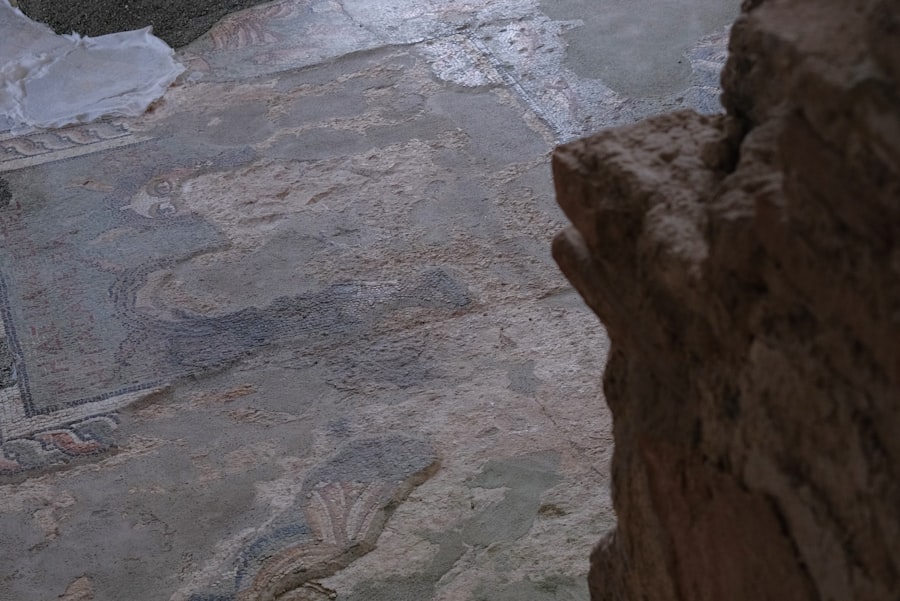
Discoveries in Roman Britain, for instance, are revealing well-preserved towns with public baths, temples, and residential areas that showcase the Romanization of the local population. The presence of Roman artifacts alongside indigenous British elements highlights the process of cultural assimilation and adaptation. Similarly, excavations in North Africa are uncovering Roman cities that were vital centers of trade and culture, demonstrating the empire’s reach and influence across the Mediterranean. The analysis of Roman mosaics, inscriptions, and everyday objects found in these provincial sites provides a more nuanced understanding of Roman social structures, economic activities, and religious practices outside of the major urban centers. The discovery of military outposts and their associated settlements, such as forts along Hadrian’s Wall, offers insights into the daily lives of soldiers and the defensive strategies employed by the Romans. The study of Roman villas, often found in rural areas, reveals the economic base of the empire and the lifestyle of the Roman elite in the provinces.
The Hellenistic and Phoenician Worlds: Echoes of Trade and Influence
The influence of the Hellenistic world and the maritime prowess of the Phoenicians continue to be illuminated by recent maritime archaeology and terrestrial excavations.
Maritime Archaeology: Revealing the Secrets of Ancient Shipwrecks
The underwater world of the Mediterranean holds an immense wealth of archaeological information, and recent advancements in subaquatic exploration are bringing these lost treasures to light.
Treasures Beneath the Waves: Ancient Trade Routes Revealed
The discovery of ancient shipwrecks, laden with amphorae, pottery, and other cargo, provides invaluable data about ancient trade routes, shipbuilding techniques, and the types of goods exchanged across the Mediterranean. A recent significant find was a Hellenistic shipwreck off the coast of Turkey, which yielded a trove of intact pottery and other artifacts, offering a snapshot of maritime trade in the 3rd century BCE. Analysis of the ship’s construction and the cargo’s origin helps to reconstruct its journey and the economic networks it served. Such discoveries are not only crucial for understanding maritime commerce but also for studying shipbuilding technology and the skills of ancient mariners. The recovery and conservation of these fragile artifacts require specialized expertise and are often the result of extensive multidisciplinary collaboration between archaeologists, conservators, and marine biologists.
Recent archaeological discoveries continue to shed light on our understanding of ancient civilizations, revealing insights that challenge previously held beliefs. One fascinating area of exploration is Antarctica, where researchers are uncovering remnants that suggest a complex history beneath the ice. For a deeper dive into this intriguing topic, you can read more about these findings in the article Uncovering the Unknown Past, which discusses the implications of these discoveries and what they might mean for our understanding of human history.
Unearthing the Foundations of Modern Society: Africa and Asia’s Enduring Contributions
| Discovery | Location | Date |
|---|---|---|
| Tutankhamun’s tomb | Valley of the Kings, Egypt | 1922 |
| Terracotta Army | Xian, China | 1974 |
| Rosetta Stone | Rosetta, Egypt | 1799 |
| Stonehenge | Wiltshire, England | 3000 BC |
While often overshadowed by Western narratives, Africa and Asia possess ancient histories of remarkable complexity and innovation, with recent archaeological discoveries continually challenging and expanding our understanding of their global impact.
Africa: Tracing the Roots of Human Ingenuity
The African continent, considered the birthplace of humanity, continues to yield profound insights into early human development and the emergence of complex societies.
Early Human Ancestors and Their Environments
Ongoing paleontological and archaeological research in East and Southern Africa continues to shed light on the evolution of hominins, the development of tool use, and the early patterns of human migration.
Evidence of Sophisticated Stone Tool Industries
Discoveries of ancient stone tool assemblages, some dating back millions of years, provide irrefutable evidence of early human cognitive abilities and technological innovation. The detailed analysis of these tools, their manufacturing techniques, and their contexts of discovery allows researchers to reconstruct the behavior and environmental adaptations of our earliest ancestors. New finds of hominin fossils, often found in conjunction with these tools, help to refine our understanding of human evolutionary lineages and the timing of key developmental milestones. The application of advanced dating techniques and isotopic analysis to these fossils and their surrounding geological layers further enhances the accuracy of these reconstructions. The study of ancient landscapes, derived from geological and paleoenvironmental data, provides crucial context for understanding the challenges and opportunities faced by early hominins.
Asia: Monuments to Innovation and Cultural Exchange
Asia, with its vast geographic and cultural diversity, harbors an immense archaeological legacy, from the earliest urban centers to sophisticated trade networks.
Discovering the Wonders of Ancient China
China’s long and rich history is continually being revealed through ongoing archaeological excavations, which are uncovering evidence of early civilizations, technological advancements, and complex social structures.
The Terracotta Army and Beyond: A Glimpse into Imperial Power
While the Terracotta Army near Xi’an remains one of the most iconic archaeological discoveries in China, recent excavations in other regions are unearthing equally significant sites that speak to China’s ancient past. Discoveries of advanced bronze-casting techniques, sophisticated agricultural systems, and early writing systems continue to push back the timeline of Chinese civilization and highlight its early innovations. The meticulous excavation of tomb complexes, some belonging to imperial families, is revealing not only opulent grave goods but also detailed information about ancient beliefs, social hierarchies, and funeral rituals.
The ongoing exploration of ancient settlements, such as those related to the Erlitou culture, is providing crucial evidence for the emergence of early states and the beginnings of Chinese dynastic traditions. The study of ancient Chinese metallurgy, particularly the development of bronze casting, has been significantly advanced by recent discoveries, revealing the sophisticated techniques and artistry employed by ancient Chinese craftspeople. The ongoing decipherment of ancient Chinese scripts, found on bone, bronze, and bamboo, continues to unlock new historical narratives and provide deeper insights into the intellectual and cultural life of ancient China. The analysis of agricultural remains, including evidence of early rice cultivation and animal domestication, helps to understand the foundations of Chinese civilization and its early economic development.
These recent archaeological finds, spanning continents and millennia, serve as powerful reminders of the enduring human spirit of exploration, innovation, and resilience. Each unearthed artifact, each newly mapped settlement, adds a vital piece to the grand mosaic of our collective human story. As technology advances and archaeological methods become more sophisticated, we can anticipate even more astonishing revelations, further enriching our understanding of where we came from and who we are. The earth, in its silent wisdom, continues to offer its treasures, inviting us to listen to the whispers of the past and to learn from the wisdom of those who came before.

How Volcanic Glass Solved a 10,000-Year-Old Mystery
FAQs
What are archaeological discoveries?
Archaeological discoveries are objects, structures, or artifacts that have been found through the process of archaeological excavation and research. These discoveries provide valuable insights into the history, culture, and daily life of past civilizations.
What are some famous archaeological discoveries?
Some famous archaeological discoveries include the tomb of King Tutankhamun in Egypt, the Terracotta Army in China, the city of Pompeii in Italy, and the Rosetta Stone in Egypt. These discoveries have significantly contributed to our understanding of ancient civilizations.
How are archaeological discoveries made?
Archaeological discoveries are made through systematic excavation and surveying of historical sites. Archaeologists use a variety of tools and techniques, such as ground-penetrating radar, aerial photography, and careful manual excavation, to uncover and study artifacts and structures.
Why are archaeological discoveries important?
Archaeological discoveries are important because they provide tangible evidence of past human activities and cultures. They help us understand how societies evolved, how people lived, and how they interacted with their environment. These discoveries also contribute to our knowledge of art, technology, and social organization in ancient times.
What can we learn from archaeological discoveries?
Archaeological discoveries can teach us about the daily lives, customs, and beliefs of ancient people. They can also shed light on historical events, trade networks, and technological advancements. By studying these discoveries, we can gain a deeper understanding of human history and the development of civilizations.