The allure of ancient history lies in its ability to unlock the secrets of our past, offering glimpses into civilizations that shaped the very foundations of our modern world. For many, however, the sheer volume of information, the often-disconnected threads of evidence, and the specialized jargon can make unraveling these ancient narratives a daunting task. “Unraveling Ancient History: Explained” aims to demystify this captivating field, making its profound insights accessible to a wider audience and fostering a deeper appreciation for the human journey through time.
This exploration delves into the core methodologies, significant periods, and enduring mysteries that define the study of ancient history, promising a clearer understanding of how we piece together the stories of those who came before us.
Archaeology serves as the bedrock upon which our understanding of ancient history is built. Without the tangible remnants left behind by past societies, the narratives we construct would be speculative at best, shrouded in myth and conjecture. The meticulous excavation and analysis of these artifacts provide invaluable insights into the daily lives, social structures, belief systems, and technological advancements of long-lost peoples.
Digging Deeper: Methods of Archaeological Excavation
The process of unearthing the past is a complex and highly organized undertaking. Archaeologists employ a variety of techniques to ensure that the evidence they recover is preserved and interpreted accurately. This rigorous approach is crucial for avoiding contamination, preserving stratigraphic layers, and maximizing the information gleaned from each site.
Stratigraphy: Reading the Layers of Time
Perhaps the most fundamental principle in archaeological excavation is stratigraphy. This refers to the study of the superimposed layers of earth and material that accumulate over time, much like the rings of a tree. Each layer represents a distinct period of deposition, and by understanding their order, archaeologists can ascertain the chronological sequence of events at a site. Deeper layers are generally older than those above them. This principle allows for the relative dating of artifacts – an object found in a lower stratum is presumed to be older than one found in a higher stratum. Careful troweling, brushing, and the use of specialized tools are essential to preserve these delicate layers, which are vital for reconstructing how a site was used and lived in over centuries, even millennia.
Excavation Techniques: From the Grid to the Digital
Modern archaeology utilizes precise excavation techniques. Sites are typically divided into grids, allowing for systematic removal of soil and meticulous recording of artifact locations within three-dimensional space. Tools range from the traditional trowel and brush for delicate work to heavy machinery for removal of overburden in larger projects. Increasingly, digital technologies play a pivotal role. Ground-penetrating radar (GPR) and magnetometry allow archaeologists to identify subsurface features without extensive digging, minimizing disturbance to the site. Drone photography and advanced surveying equipment, such as LiDAR (Light Detection and Ranging), create detailed topographical maps and 3D models, offering a comprehensive overview of the landscape and any buried structures. Every artifact, feature, and soil sample is meticulously documented with photographs, drawings, and detailed written descriptions, all geo-referenced for precise location.
The Language of Materials: Artifact Analysis
Once unearthed, artifacts become the primary source of interpretation. The materials from which they are made, their form, their decoration, and their context all speak volumes about the people who created and used them. This analysis requires expertise across a range of disciplines, each contributing a unique perspective to the puzzle.
Pottery and Ceramics: Vessels of Daily Life and Cultural Exchange
Pottery is an archaeologist’s best friend. Its ubiquity across virtually all ancient cultures, its durability, and the variations in its manufacture make it an invaluable indicator of chronology, technology, and cultural interaction. Different clay sources, firing temperatures, and decorative techniques can pinpoint the origin of wares and suggest trade networks. The shapes of pots – whether for cooking, storage, or ritual – reveal aspects of diet, domestic practices, and ceremony. Analyzing the residue inside ancient pottery can even offer direct evidence of what people ate and drank. The study of ceramic typologies allows archaeologists to establish relative chronologies, and through radiometric dating of associated organic materials, absolute dates can be assigned, providing crucial temporal anchors for historical reconstructions.
Lithics and Metallurgy: Tools of Innovation and Power
The study of stone tools, or lithics, provides a window into the technological capabilities of early humans. The types of stone used, the techniques of flaking and polishing, and the styles of tools reveal the evolving intelligence and adaptability of our ancestors. From the earliest handaxes of the Paleolithic to the finely crafted arrowheads of later periods, lithics chart the progression of human ingenuity in harnessing the environment for survival. Metals, on the other hand, often signify significant technological leaps and social complexity. The discovery of smelting and casting techniques, for instance, marked the transition to the Bronze Age and later the Iron Age, fundamentally altering warfare, agriculture, and craftsmanship. The composition of metal artifacts can reveal the sources of raw materials and the extent of long-distance trade. Precious metals like gold and silver often indicate social stratification and the development of elite classes.
Organic Remains: Whispers from the Past
While stone and pottery endure, organic materials like bone, wood, textiles, and seeds offer more ephemeral but incredibly rich insights. These materials provide direct evidence of diet, health, agricultural practices, and even the types of clothing worn. Analyzing human and animal skeletal remains can reveal information about diet, disease, physical trauma, and even kinship relations through DNA analysis. The study of ancient seeds and pollen provides crucial data on past environments, climate change, and the development of agriculture. Preservation of such delicate materials depends heavily on environmental conditions, but where they survive, they offer an unparalleled connection to the lived experiences of ancient peoples.
For those interested in exploring the fascinating techniques used by ancient civilizations to enhance memory and learning, a related article titled “Unlocking Ancient Memory Grids: Mnemonic Devices” provides insightful information on this topic. This article delves into the various mnemonic devices employed by ancient cultures to aid in the retention and recall of information, showcasing the ingenuity of early scholars. To read more about these intriguing methods, visit the article here: Unlocking Ancient Memory Grids: Mnemonic Devices.
Navigating the Chronological Currents: Key Eras in Ancient History
Ancient history is not a monolithic entity but a vast tapestry woven from distinct periods, each characterized by unique cultural developments, political landscapes, and technological achievements. Understanding these eras is crucial for grasping the evolution of human civilization.
The Dawn of Civilization: Prehistory and the Neolithic Revolution
Before written records, humanity existed in a pre-literate state, a period often referred to as prehistory. This era, spanning hundreds of thousands of years, is pieced together almost entirely through archaeological evidence. The most transformative event within prehistory was the Neolithic Revolution, a gradual but radical shift from nomadic hunter-gatherer lifestyles to settled agricultural communities.
From Foraging to Farming: The Impact of the Neolithic Revolution
The advent of agriculture, beginning around 10,000 BCE in various parts of the world, fundamentally altered the trajectory of human history. The domestication of plants and animals allowed for surplus food production, leading to sedentary lifestyles and the development of permanent settlements. This surplus also freed up a portion of the population from food production, enabling specialization in crafts, governance, and religious practices. The consequences were profound: population growth, the rise of villages and eventually cities, the accumulation of property, and the emergence of more complex social hierarchies. The Neolithic Revolution laid the groundwork for nearly every subsequent development in human civilization, from the invention of writing to the formation of empires.
Early Human Migrations and Technological Advancements
Before the widespread adoption of agriculture, early humans undertook remarkable migratory journeys, populating every habitable continent. The archaeological record, particularly through the study of stone tools and skeletal remains, traces these dispersions, revealing the incredible adaptability and resilience of our species. Innovations during this long period, though seemingly simple by modern standards, were revolutionary. The controlled use of fire, the development of sophisticated hunting tools, the creation of early ornamentation, and the gradual understanding of seasonal cycles all represent significant intellectual and technological milestones that contributed to human survival and expansion.
The Rise of Empires: The Ancient Near East and Egypt
The fertile crescent of the Ancient Near East and the Nile River valley of Egypt are often considered the cradles of civilization. It was here, in these riverine environments, that the first complex societies, city-states, and eventually large empires emerged, complete with developing systems of writing, law, and monumental architecture.
Mesopotamia: The Land Between the Rivers
Mesopotamia, situated between the Tigris and Euphrates rivers, witnessed the rise and fall of numerous influential civilizations, including the Sumerians, Akkadians, Babylonians, and Assyrians. It was here that the first cities, such as Uruk, emerged, showcasing advanced urban planning and social organization. The Sumerians are credited with inventing cuneiform, one of the earliest known forms of writing, used for administrative records, literature, and religious texts. Mesopotamian societies developed sophisticated legal codes, like the Code of Hammurabi, and made significant contributions to mathematics and astronomy. Their religious beliefs, often polytheistic, influenced later Near Eastern traditions.
The Gift of the Nile: Ancient Egypt’s Enduring Legacy
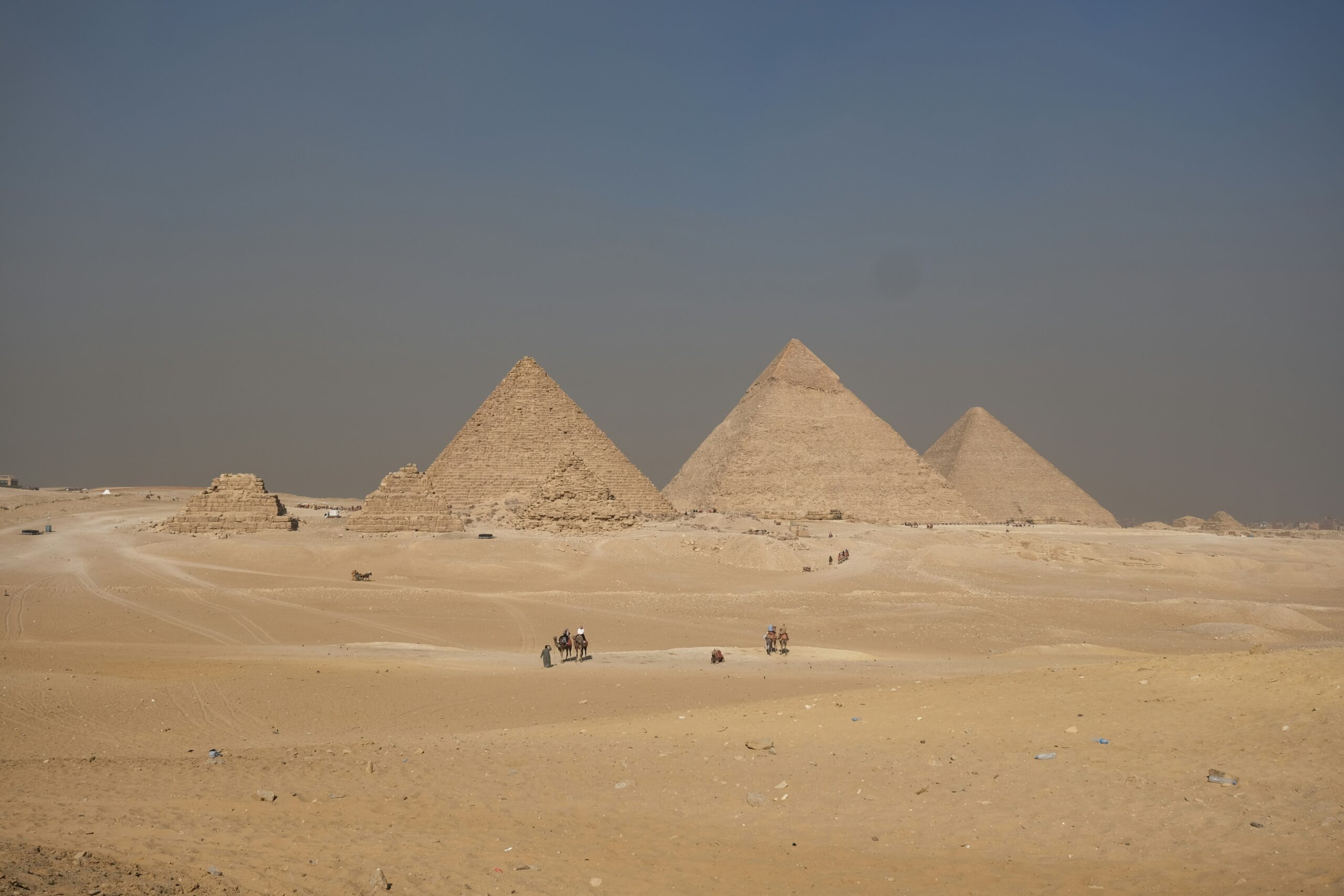
Ancient Egypt, sustained by the life-giving Nile River, developed a distinct and enduring civilization characterized by its pharaohs, pyramids, hieroglyphic writing, and intricate religious beliefs. The unification of Upper and Lower Egypt under the first dynasties marked the beginning of a remarkably stable and long-lasting civilization. The Egyptians’ monumental architecture, exemplified by the pyramids and temples, speaks to their advanced engineering skills and their profound belief in the afterlife. Their understanding of medicine, mathematics, and astronomy was considerable, and their intricate mythology and funerary practices offer a unique glimpse into their worldview.
Classical Antiquity: The Worlds of Greece and Rome
The Classical period, encompassing ancient Greece and Rome, represents a pivotal era in Western civilization, laying the foundations for much of our philosophy, art, literature, politics, and law. These societies, though distinct, engaged in significant cultural exchange and profoundly influenced subsequent developments.
Hellenic Brilliance: The Golden Age of Greece
Ancient Greece, a collection of independent city-states, produced a remarkable flowering of intellectual and artistic achievement. Philosophers like Socrates, Plato, and Aristotle revolutionized thought, while playwrights like Sophocles and Euripides explored the depths of human drama. Greek architecture, with its emphasis on symmetry and proportion, and Greek sculpture, celebrated for its idealized human forms, remain iconic. The development of democracy in Athens, though limited in its scope, provided a foundational concept for later political systems. The Persian Wars and the Peloponnesian War shaped the political landscape, and the conquests of Alexander the Great spread Greek culture throughout the Hellenistic world.
The Roman Colossus: Republic to Empire
The Roman Republic, and later the Roman Empire, dominated the Mediterranean world for centuries, leaving an indelible mark on Western civilization. Roman engineering prowess is evident in their aqueducts, roads, and public buildings. Their legal system, with its emphasis on justice and order, has influenced legal traditions worldwide. Latin, the language of the Romans, became the basis for many modern European languages. Roman literature, epitomized by Virgil and Ovid, and Roman philosophy, influenced by Greek Stoicism and Epicureanism, continue to be studied. The vastness and longevity of the Roman Empire are testaments to its organizational capacity and its ability to adapt and assimilate diverse cultures.
Deciphering the Shadows: Challenges and Mysteries in Ancient History

Despite the wealth of evidence and ongoing research, ancient history remains replete with challenges and unresolved mysteries. The incompleteness of the record, the biases inherent in surviving texts, and the sheer passage of time create gaps that continue to intrigue and confound scholars.
The Silence of the Majority: Bridging Textual Gaps and Bias
Much of what we know about the ancient world comes from surviving written records. However, these records are inherently biased. They were often produced by elites – rulers, priests, and scribes – and tend to focus on political events, warfare, and religious dogma, often neglecting the experiences of ordinary people, women, and marginalized groups.
Lost Narratives: The voices of the Unrecorded
The vast majority of ancient populations left no written records of their own. Their stories are largely silent in the historical narrative. While archaeology can offer glimpses into their lives, the nuances of their thoughts, beliefs, and personal experiences are often lost. Reconstructing these lost narratives requires careful interpretation of material culture and an awareness of the limitations of the available evidence. Emerging interdisciplinary approaches, such as the study of historical linguistics and the analysis of oral traditions where they exist, offer potential avenues for recovering some of these silenced voices.
Interpreting the Elites: Understanding Authorial Intent and Perspective
Even when texts survive, understanding the author’s perspective, purpose, and potential biases is crucial. A historical account written by a victor in a war will likely present a very different narrative than one written by a defeated party. Similarly, religious texts may present a stylized or idealized version of events. Critical analysis of the source, considering its historical context, audience, and authorial intent, is essential to avoid a superficial or misleading understanding of the past. Recognizing that every surviving text is a deliberate construction with a specific purpose is key to unlocking its true historical value.
The Enigmas of the Past: Unsolved Questions and Enduring Debates
Certain aspects of ancient history continue to puzzle scholars, sparking ongoing debate and research. These enigmas represent the frontiers of our knowledge, pushing us to refine our methodologies and seek new avenues of inquiry.
The Collapse of Civilizations: What Led to the End of Great Powers?
The study of societal collapse is a recurring theme in ancient history. The decline and fall of seemingly powerful civilizations, from the Bronze Age collapse to the eventual Western Roman Empire, remain subjects of intense debate. Was it environmental degradation, internal strife, external invasions, economic instability, or a combination of factors? Understanding these transitions is not merely an academic exercise; it offers valuable lessons about the fragility of complex societies and the potential consequences of unchecked societal pressures. Archeological evidence of sudden abandonment, defensive fortifications, and changes in material culture often provides clues, but the precise causal chains remain a compelling area of research.
Lost Technologies and Unexplained Artifacts: Puzzles in the Material Record
Occasionally, ancient artifacts defy easy explanation, hinting at technologies or practices for which we have no clear parallel in later historical periods. The Antikythera mechanism, an ancient Greek analog computer, is a prime example of a sophisticated device that was largely unparalleled for centuries. Similarly, the remarkable precision and scale of certain megalithic constructions across the globe continue to inspire awe and speculation. While often prone to sensationalism, the rigorous scientific investigation of these anomalies can lead to significant revisions in our understanding of ancient capabilities and ingenuity.
The Enduring Relevance of Ancient History: Lessons for the Present and Future

The study of ancient history is far from a dusty academic pursuit; it offers profound insights into the human condition that remain remarkably relevant to our present and future. By understanding the triumphs and failures of past civilizations, we gain a deeper appreciation of our own societal dynamics and potential trajectories.
Echoes in Our World: The Foundations of Modern Society
Many of the institutions, ideas, and technologies that define our modern world have their roots in antiquity. Concepts of democracy, law, philosophy, art, and even writing systems have evolved over millennia, with ancient Greece and Rome playing a particularly pivotal role in their development. Recognizing these antecedents helps us understand the complex inheritance that shapes our present and informs our aspirations for the future.
Political and Legal Systems
The influence of ancient Greek political thought, particularly Athenian democracy, can be seen in modern democratic ideals, despite significant differences in practice and scope. Roman legal principles, such as the concept of natural law and the structured approach to jurisprudence, form the bedrock of many contemporary legal systems. Understanding the evolution of these systems provides context for contemporary debates about governance, justice, and citizenship.
Philosophical and Artistic Legacies
The philosophical inquiries of Plato and Aristotle continue to be debated and reinterpreted, shaping ethical, metaphysical, and political discourse. The artistic achievements of the Greeks and Romans, in sculpture, architecture, and literature, established canons of beauty and expression that have resonated through the ages, influencing countless artists and thinkers. Studying these legacies helps us understand the enduring questions about human existence and the pursuit of aesthetic excellence.
Learning from the Past: Avoiding Repetition of Historical Mistakes
Perhaps the most crucial lesson from ancient history is the repeated pattern of rise and fall, of innovation and stagnation, of progress and decline. By examining the factors that led to the downfall of civilizations – be it environmental mismanagement, social inequality, political corruption, or unchecked ambition – we can gain valuable insights that might help us avoid similar pitfalls in our own time.
The Perils of Hubris and the Importance of Adaptability
Ancient history is replete with examples of powerful empires that underestimated threats, succumbed to internal decay, or failed to adapt to changing circumstances. The stories of their decline serve as cautionary tales, highlighting the dangers of hubris, the necessity of sustainable practices, and the importance of societal resilience.
The Continuity and Change in Human Nature
While societies and technologies transform, certain fundamental aspects of human nature appear to remain constant. The drives for power, the capacity for both great kindness and cruelty, the search for meaning, and the desire for connection are all evident in the ancient past. By understanding these enduring human traits, we can better comprehend the motivations behind historical events and the complexities of human behavior across time.
Ancient history is a fascinating subject that reveals the complexities of early civilizations and their impact on modern society. For those interested in exploring how historical developments continue to shape contemporary issues, a related article discusses the role of private companies in military space infrastructure, highlighting the evolution of technology and governance. You can read more about this intriguing connection in the article found here.
Conclusion: The Ongoing Quest for Understanding
| Topic | Metrics |
|---|---|
| Egyptian Civilization | Pyramids, Pharaohs, Hieroglyphics |
| Greek Civilization | Olympic Games, Philosophy, Democracy |
| Roman Empire | Gladiators, Colosseum, Julius Caesar |
| Chinese Dynasties | Great Wall, Confucianism, Silk Road |
“Unraveling Ancient History: Explained” embarks on a journey to demystify the study of the distant past. Through meticulous archaeological investigation, careful analysis of surviving evidence, and a critical engagement with the inherent challenges, we continue to reconstruct the narratives of those who shaped our world. The enduring relevance of ancient history lies not just in its ability to explain our origins but in its capacity to teach us about ourselves, offering timeless lessons that can guide us toward a more informed and promising future. The quest to unravel these ancient mysteries is an ongoing adventure, inviting each new generation to delve deeper into the rich tapestry of human experience.

How Volcanic Glass Solved a 10,000-Year-Old Mystery
FAQs
What is ancient history?
Ancient history refers to the time period from the development of writing (around 3000 BCE) to the fall of the Western Roman Empire in 476 CE. It encompasses the early civilizations of Mesopotamia, Egypt, Greece, Rome, and other ancient cultures.
What are some key events in ancient history?
Some key events in ancient history include the construction of the pyramids in Egypt, the rise and fall of the Roman Empire, the invention of writing in Mesopotamia, the development of democracy in ancient Greece, and the spread of Buddhism and Christianity.
What were some important ancient civilizations?
Some important ancient civilizations include the Mesopotamian civilizations of Sumer, Babylon, and Assyria; the ancient Egyptian civilization along the Nile River; the ancient Greek city-states; the Roman Empire; and the ancient Chinese dynasties.
What were the major contributions of ancient civilizations to the world?
Ancient civilizations made significant contributions to the world in areas such as architecture, art, literature, philosophy, mathematics, science, and governance. For example, the ancient Greeks made important contributions to philosophy and mathematics, while the Romans developed advanced engineering and governance systems.
How do we study ancient history today?
Today, ancient history is studied through archaeological excavations, the analysis of ancient texts and artifacts, and the use of modern technologies such as carbon dating and satellite imaging. Historians and archaeologists work together to piece together the story of ancient civilizations and understand their impact on the modern world.