The dust of millennia, disturbed by the meticulous hands of archaeologists, has begun to yield its secrets. The journey to uncover prehistoric civilizations is a captivating odyssey, a testament to human curiosity and our unyielding desire to understand our origins. It is a process fraught with challenges, yet incredibly rewarding, revealing glimpses into societies that predated written history, their stories etched into stone, bone, and the very fabric of the earth. This undertaking transcends mere academic pursuit; it is an exploration of the foundational chapters of human existence, a chance to connect with ancestors whose lives, though vastly different, laid the groundwork for everything we are today.
The allure of lost worlds, of civilizations that flourished and faded long before recorded chronicles, is a primal fascination. These are not the empires of Rome or Greece, whose histories are meticulously documented, but societies that left no monumental libraries or detailed accounts of their daily lives. Instead, their narratives are pieced together from fragments – pottery shards, discarded tools, ceremonial objects, and the enduring structures they left behind. The very act of unearthing these remnants ignites the imagination, forcing us to ponder the ingenuity, the belief systems, and the struggles of our distant predecessors. It is a silent dialogue across vast gulfs of time, where every artifact speaks volumes about a vanished way of life.
The Spark of Discovery: Initial Encounters with the Past
The journey often begins with a spark of discovery – an accidental find of an unusual stone tool, a peculiar burial mound, or an odd arrangement of stones in a field. These initial encounters, often made by chance or by individuals with a keen eye for anomaly, are the genesis of many significant archaeological expeditions. Farmers tilling their land, hikers exploring remote landscapes, or even children playing in the dirt can stumble upon clues that hint at a deeper history. These seemingly insignificant finds can lead to extensive investigations, transforming a quiet corner of the world into a focal point of scientific inquiry into our prehistoric past.
The Unseen Architects: Reimagining Ancient Lives
Perhaps the most profound aspect of uncovering prehistoric civilizations is the challenge of reimagining ancient lives. Without written records, archaeologists must become detectives, piecing together lifestyles, social structures, and belief systems from material evidence. They analyze the wear patterns on tools to understand their function, the distribution of settlements to infer population density and social organization, and the stylistic variations in art to gauge cultural exchange and identity. This process requires a deep understanding of human behavior, comparative analysis with known societies, and a healthy dose of reasoned inference. The goal is not just to catalogue objects, but to reconstruct the vibrant tapestry of human existence that once thrived in these forgotten places.
Prehistoric civilizations have long fascinated researchers and historians alike, as they provide crucial insights into the development of human societies. One particularly intriguing article that delves into this topic is titled “Uncovering Evidence of Ancient Advanced Civilizations.” This piece explores various archaeological findings that suggest the existence of sophisticated cultures long before recorded history. To read more about these fascinating discoveries, you can visit the article here: Uncovering Evidence of Ancient Advanced Civilizations.
The Archaeologist’s Toolkit: Tools of Revelation
Unearthing prehistoric civilizations is a task that demands a sophisticated array of tools and methodologies. From the initial site identification to the meticulous excavation and subsequent analysis, each stage relies on specialized techniques designed to extract the maximum information from the archaeological record while preserving its integrity. These tools have evolved significantly over time, from simple shovels and brushes to cutting-edge technologies that allow for non-invasive surveying and precise dating.
Ground Penetrating Radar and Magnetometry: Peering Beneath the Surface
Before a single shovel breaks the earth, modern archaeologists employ non-invasive survey techniques. Ground Penetrating Radar (GPR) uses electromagnetic waves to create a subsurface map of the ground, revealing anomalies that could indicate buried structures, walls, or artifacts. Similarly, magnetometry measures variations in the Earth’s magnetic field, which can pinpoint areas with higher concentrations of iron or fired clay, often associated with ancient hearths, kilns, or metalworking sites. These technologies are crucial for identifying promising locations and planning excavation strategies efficiently, minimizing disturbance to potentially fragile archaeological contexts.
Stratigraphy and Context: The Language of Layers
The very ground beneath our feet tells a story. Stratigraphy, the study of rock layers and soil deposits, is a fundamental principle in archaeology. Each layer represents a distinct period of time, with older deposits generally found beneath younger ones. Archaeologists meticulously document these layers, understanding that the context in which an artifact is found is as important as the artifact itself. An object found in a burial layer, for instance, speaks to rituals and beliefs surrounding death, while a tool found in a food preparation area offers insights into daily subsistence practices. This careful documentation of context ensures that the narrative of the past is preserved and correctly interpreted.
Radiocarbon Dating and Other Chronometric Techniques: Framing the Timeline
Establishing a timeline for prehistoric civilizations is a monumental undertaking. Radiocarbon dating, which measures the decay of the radioactive isotope Carbon-14 in organic materials like bone, charcoal, and wood, has revolutionized our understanding of ancient timelines. For older materials, other chronometric techniques such as thermoluminescence dating (for pottery and burnt stone) and optically stimulated luminescence dating (for sediments) are employed. These scientific methods provide crucial chronological frameworks, allowing archaeologists to place discovered societies within a broader historical continuum, understand their relative ages, and track patterns of development and change over millennia.
From Hunter-Gatherers to Early Farmers: The Dawn of Sedentary Life

The transition from nomadic hunter-gatherer lifestyles to settled agricultural communities marked a profound turning point in human history. This shift, which unfolded independently in various parts of the world, fundamentally altered human societies, leading to population growth, the development of specialized labor, and the emergence of more complex social structures. The archaeological evidence for this transformation is a testament to human adaptability and innovation.
The Neolithic Revolution: Cultivating the Land and Domesticating Animals
The Neolithic Revolution, beginning around 10,000 BCE, witnessed the domestication of plants and animals. Evidence of early farming practices, such as the presence of cultivated seeds, grinding stones, and sickle fragments, points to a conscious effort to control food production. Similarly, the discovery of animal bones that show signs of domestication – for example, changes in bone structure or age profiles – indicates the taming of wild species for use as food, labor, and other resources. This shift towards a more reliable food source allowed for larger, more stable populations and led to the establishment of permanent settlements.
The Rise of Villages and Early Towns: The Foundations of Civilization
As agricultural societies became more established, permanent settlements began to emerge. These early villages and towns are characterized by the construction of more substantial dwellings, often made from mudbrick or stone, and the development of communal spaces for storage, religious ceremonies, and social gatherings. The excavation of these sites reveals patterns of village layout, the types of structures present, and the organization of labor, providing insights into how communities were structured and how daily life was conducted. The emergence of these settled communities laid the groundwork for the development of more complex social hierarchies and the eventual rise of cities.
The Emergence of Pottery and Advanced Toolmaking: Reflections of Innovation
The development of pottery and more sophisticated toolmaking techniques are key indicators of the advancements made during the Neolithic period. The creation of durable ceramic vessels allowed for better food storage, cooking, and transport, facilitating the transition to a settled lifestyle. The refinement of stone tools, including the development of polished axes and arrowheads, demonstrates increased efficiency and specialization in craftsmanship. These innovations reflect a growing understanding of materials and a desire to improve the quality of life, marking a significant leap in human technological capability.
Civilizations of Stone and Myth: Enigmatic Megaliths and Belief Systems
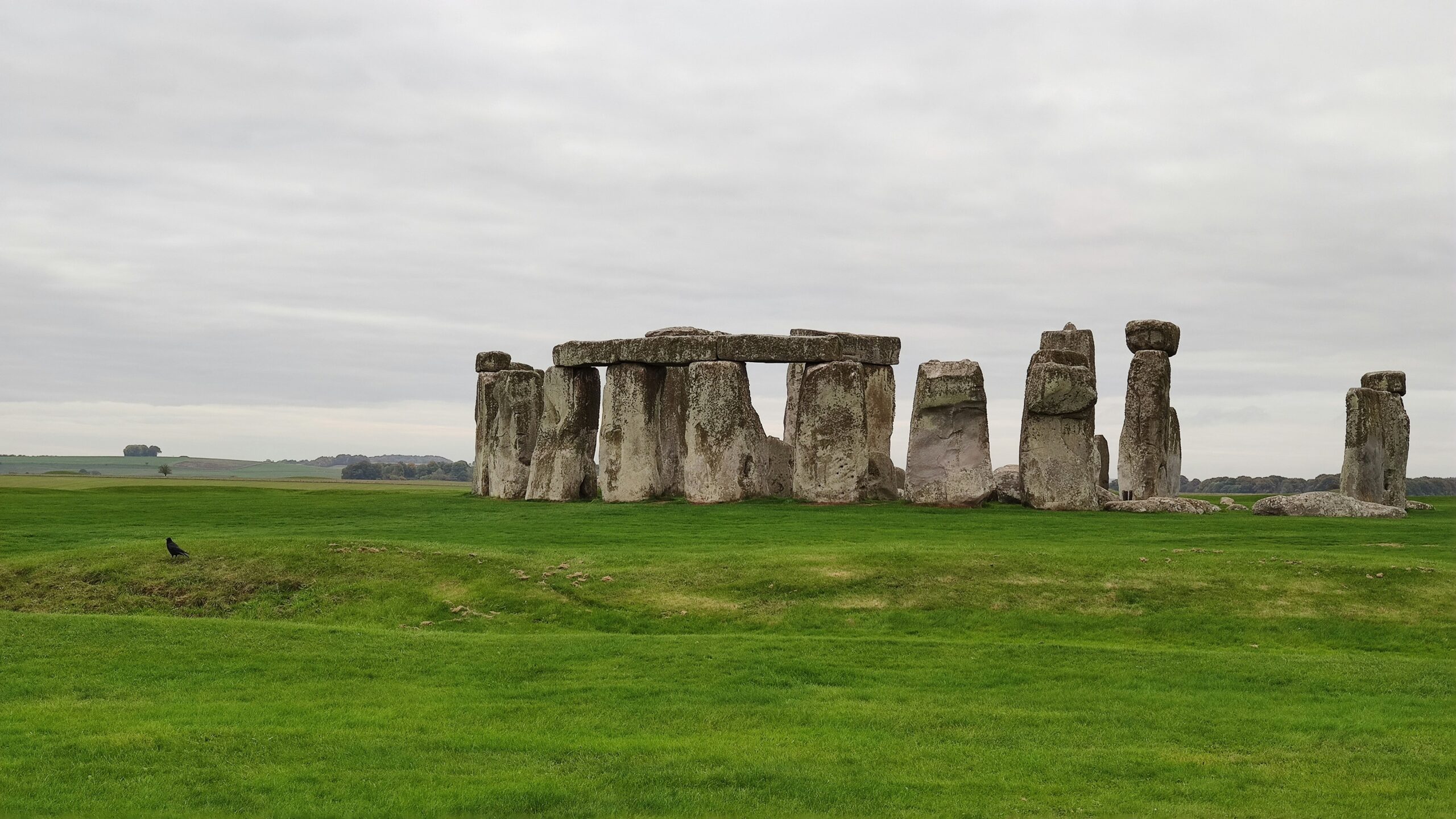
Prehistoric civilizations often left behind enduring monuments of stone, giants in the landscape that continue to inspire awe and speculation. These megalithic structures, from the towering stones of Stonehenge to the intricate passage tombs of Ireland, speak volumes about the organizational capacity, the astronomical knowledge, and the profound spiritual beliefs of the people who erected them.
Stonehenge and Avebury: Astronomical Observatories and Sacred Sites
The iconic stone circles of Stonehenge and Avebury in England are among the most enigmatic prehistoric monuments. Their precise alignment with celestial events, such as the summer solstice sunrise, suggests a sophisticated understanding of astronomy and a desire to harness cosmic cycles. Archaeologists believe these sites served not only as astronomical observatories but also as important ceremonial and religious centers, places where rituals and gatherings were held to mark the changing seasons and connect with the divine. The immense effort required to transport and erect these massive stones points to a highly organized society with considerable manpower and skilled leadership.
Passage Tombs and Burial Cairns: Honoring the Ancestors
Across Europe, particularly in Ireland and Scotland, passage tombs and burial cairns stand as silent testaments to prehistoric funerary practices. These elaborate burial monuments, often constructed with carefully fitted stones and containing chambers accessed by long passages, housed the remains of the deceased, often accompanied by grave goods. The orientation of these passages towards specific astronomical events, such as the winter solstice, further underscores the connection between life, death, and the cosmos. These structures offer invaluable insights into the social status of the buried individuals, their belief systems regarding the afterlife, and the importance of ancestor veneration.
Interpreting Symbolic Art: Cave Paintings and Portable Art
The human drive for artistic expression is evident even in the earliest periods of history. Cave paintings, such as those found in Lascaux, France, and Altamira, Spain, depict scenes of hunting, animals, and abstract symbols, offering glimpses into the lives and imaginations of Paleolithic peoples. Portable art, including carved figurines like the Venus of Willendorf and intricately decorated bone or ivory objects, further reveals the aesthetic sensibilities and symbolic language of these ancient societies. While the precise meaning of this art remains a subject of debate, it undoubtedly played a crucial role in their rituals, storytelling, and cultural transmission.
Prehistoric civilizations have long fascinated researchers, particularly in understanding how environmental factors influenced their development. One intriguing aspect is the role of climate change in shaping human history, as explored in a recent article that delves into the seismic profiles beneath the Antarctic ice cap. This research sheds light on how ancient climates may have impacted the rise and fall of various civilizations. For more insights on this topic, you can read the article here.
Unveiling Daily Life: The Mundane and the Remarkable
| Civilization | Time Period | Location | Notable Achievements |
|---|---|---|---|
| Ancient Egypt | 3100 BC – 332 BC | Nile River Valley | Pyramids, hieroglyphics, mummification |
| Indus Valley Civilization | 3300 BC – 1300 BC | Modern-day Pakistan and northwest India | Advanced urban planning, sewage systems, trade networks |
| Mesopotamia | 3500 BC – 500 BC | Tigris-Euphrates River Valley | Cuneiform writing, wheel, early law codes |
| Ancient China | 2100 BC – 221 BC | Yellow River Valley | Great Wall, silk production, bronze casting |
While monumental structures often capture the imagination, the true essence of prehistoric civilizations is often found in the details of their everyday lives. The discovery and analysis of domestic artifacts, settlement patterns, and subsistence strategies allow us to construct a more nuanced picture of how these ancient peoples lived, worked, and interacted with their environments.
Tools for Survival: From Flint Knives to Bronze Axes
The evolution of tools is a direct reflection of a civilization’s technological progress and its adaptation to its environment. Early prehistoric societies relied on flaked stone tools, such as hand axes and scrapers, for tasks ranging from butchering animals to preparing hides. The advent of the Neolithic period saw the development of polished stone axes, enabling more efficient woodworking for construction and toolmaking. The subsequent Bronze Age introduced metalworking, leading to the creation of more durable and versatile tools and weapons, which further transformed their ability to shape their surroundings and engage in warfare or hunting.
The Hearth and the Home: Domestic Spaces and Social Structures
The excavation of domestic structures, even simple dwellings, provides vital information about family life, social organization, and daily routines. Archaeologists analyze the layout of houses, the presence of hearths, storage pits, and sleeping areas to infer how families lived together. The discovery of evidence for communal living, such as shared hearths or larger structures that could have housed multiple families, sheds light on varying social structures and community dynamics. The careful study of these domestic spaces helps bridge the gap between the grand narratives of civilizations and the intimate realities of individual lives.
Diet and Subsistence: Sustaining Prehistoric Communities
Understanding what prehistoric peoples ate and how they acquired their food is fundamental to comprehending their existence. Analysis of faunal remains (animal bones) and floral remains (seeds, pollen, and plant fragments) provides direct evidence of their diet. The presence of domesticated animal bones alongside wild game, or the remains of cultivated grains alongside wild plants, illustrates the transition from hunting and gathering to agriculture. This dietary information offers insights into their knowledge of the local flora and fauna, their hunting strategies, and the development of their agricultural practices.
Prehistoric civilizations laid the groundwork for modern societal structures, showcasing early forms of governance and resource management. Understanding how these ancient societies operated can provide valuable insights into contemporary issues, such as the implications of government actions during crises. For a deeper exploration of this topic, you might find it interesting to read about the government’s seizure of private property in times of crisis, which can be related to the control and allocation of resources in prehistoric times. You can find the article here: government’s seizure of private property in crisis.
The Ongoing Quest: Challenges and Future Frontiers
The journey to uncover prehistoric civilizations is far from over. Despite significant advancements, countless questions remain unanswered, and new discoveries continue to reshape our understanding of the past. The challenges are significant, ranging from the preservation of fragile sites to the ethical considerations of excavating and displaying human remains. Yet, the allure of the unknown, the promise of deeper insights into our shared human heritage, continues to drive this fascinating and vital pursuit.
Preservation and Conservation: Safeguarding the Past for the Future
The ephemeral nature of archaeological sites presents a constant challenge. Exposure to the elements, human development, and looting all threaten to destroy invaluable historical evidence. Modern archaeological practice places a strong emphasis on preservation and conservation, employing techniques to protect excavated sites, stabilize artifacts, and ensure that future generations can continue to learn from them. This includes meticulous documentation, careful backfilling of excavated areas, and the development of robust protective measures for sensitive materials.
Ethical Considerations: Respecting the Dead and Their Legacies
The excavation and study of human remains raise profound ethical questions. Archaeologists today adhere to strict ethical guidelines that prioritize the respect and dignity of the deceased and their descendants. This often involves collaboration with descendant communities, obtaining informed consent, and ensuring that any display or study of human remains is conducted with sensitivity and a clear scientific or educational purpose. The goal is to learn from the past without exploiting or desecrating it.
Technological Frontiers: DNA Analysis and Digital Reconstruction
The future of prehistoric archaeology is inextricably linked to technological innovation. advances in ancient DNA analysis are allowing scientists to reconstruct migration patterns, understand kinship structures, and even identify diseases that affected past populations. Furthermore, digital reconstruction techniques, including 3D scanning and virtual reality, are enabling immersive experiences of ancient sites and artifacts, making the past more accessible and engaging for a wider audience. These cutting-edge tools promise to unlock even deeper layers of understanding about the humans who came before us, continuing this fascinating journey of discovery into the dawn of civilization.

How Volcanic Glass Solved a 10,000-Year-Old Mystery
FAQs
What is a prehistoric civilization?
A prehistoric civilization refers to a society that existed before written records were kept. These civilizations are typically studied through archaeological evidence, such as tools, pottery, and other artifacts.
What are some examples of prehistoric civilizations?
Some examples of prehistoric civilizations include the Sumerians in Mesopotamia, the Indus Valley civilization in South Asia, and the ancient Egyptians in North Africa. These civilizations developed complex societies, agriculture, and trade networks.
How did prehistoric civilizations communicate?
Prehistoric civilizations communicated through various means, including spoken language, cave paintings, and early forms of writing such as cuneiform and hieroglyphics. These forms of communication allowed for the sharing of knowledge, stories, and cultural practices.
What were the main achievements of prehistoric civilizations?
Prehistoric civilizations made significant achievements in agriculture, architecture, and the development of early forms of government and social organization. They also made advancements in art, technology, and trade, laying the foundation for future civilizations.
What led to the decline of prehistoric civilizations?
The decline of prehistoric civilizations can be attributed to various factors, including environmental changes, natural disasters, warfare, and the depletion of resources. These factors often led to the collapse of these early societies, paving the way for new civilizations to emerge.