
In Australia, the issue of vacant land has become increasingly prominent, particularly in urban areas where housing demand continues to rise. Vast tracts of land sit unused, often in prime locations, while many Australians struggle to find affordable housing. This paradox highlights a significant disconnect between land ownership and its productive use.
The phenomenon of vacant land is not merely a matter of aesthetics; it represents a missed opportunity for urban development and community growth. As cities expand and populations increase, the presence of vacant land raises questions about land management, urban planning, and the responsibilities of landowners. The reasons behind the prevalence of vacant land are multifaceted.
Some landowners may be holding onto properties as speculative investments, anticipating future price increases. Others may face financial constraints or bureaucratic hurdles that prevent them from developing their land. Additionally, zoning laws and regulatory frameworks can complicate the development process, leading to stagnation.
This situation not only exacerbates housing shortages but also contributes to urban sprawl, as cities extend outward rather than utilizing available inner-city spaces. Addressing the issue of vacant land is crucial for fostering sustainable urban environments and ensuring that cities can accommodate their growing populations.
Key Takeaways
- Vacant land in Australia is a significant issue, with large amounts of unused land in urban areas.
- The impact of vacant land on urban development is substantial, leading to underutilization of valuable space and hindering the growth of cities.
- The current taxation system for vacant land in Australia is inadequate and does not effectively incentivize landowners to develop or sell their unused land.
- Taxing vacant land can benefit urban development by encouraging landowners to put their land to productive use and stimulating economic growth.
- Successful implementation of vacant land taxation can be seen in cities like Vancouver and Hong Kong, where it has helped to address housing affordability and urban sprawl.
The Impact of Vacant Land on Urban Development
The impact of vacant land on urban development is profound and multifaceted. When parcels of land remain undeveloped, they can hinder the overall growth and vibrancy of a city. Vacant lots often become eyesores, attracting crime and vandalism, which can diminish the quality of life for nearby residents.
Furthermore, these neglected spaces can lead to a decline in property values in surrounding areas, creating a ripple effect that affects local economies. The presence of vacant land can also stifle innovation and entrepreneurship, as potential businesses may be deterred from setting up shop in areas that appear neglected or underutilized. Moreover, the underutilization of land can exacerbate existing social inequalities.
Communities with high levels of vacant land often struggle with inadequate infrastructure and services, leading to disparities in access to education, healthcare, and employment opportunities. This situation can perpetuate cycles of poverty and marginalization, making it even more challenging for residents to improve their circumstances. By contrast, effective urban development that utilizes vacant land can foster inclusive communities, promote economic growth, and enhance the overall livability of cities.
Therefore, addressing the issue of vacant land is not just an urban planning concern; it is a critical social justice issue that requires urgent attention.
The Current Taxation System for Vacant Land in Australia
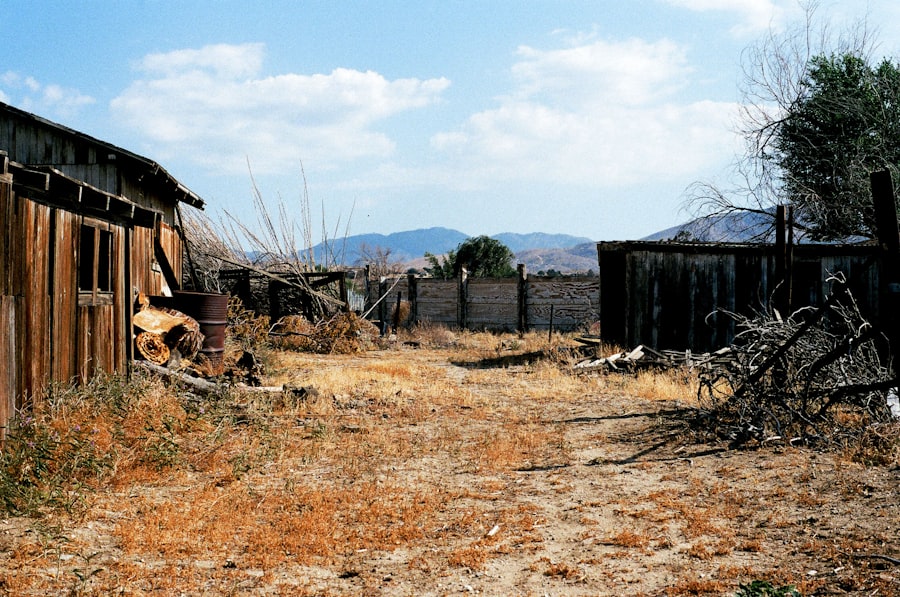
Australia’s current taxation system for vacant land varies significantly across different states and territories, reflecting diverse approaches to land management and urban development. In some regions, there are minimal taxes imposed on vacant properties, which can inadvertently encourage landowners to hold onto their assets without developing them. This lack of financial incentive to utilize vacant land effectively contributes to the ongoing housing crisis and urban decay in many areas.
In contrast, other jurisdictions have implemented more robust taxation measures aimed at discouraging land speculation and promoting development. For instance, some local governments have introduced rates or levies specifically targeting vacant land to encourage owners to either develop their properties or sell them to someone who will. However, these measures are not uniformly applied across the country, leading to inconsistencies in how vacant land is treated from one region to another.
The absence of a cohesive national strategy for taxing vacant land means that many opportunities for urban renewal and housing development remain untapped. As cities grapple with increasing populations and housing shortages, there is a growing recognition that reforming the taxation system could play a pivotal role in addressing these challenges.
The Benefits of Taxing Vacant Land for Urban Development
| Benefits of Taxing Vacant Land for Urban Development |
|---|
| 1. Encourages efficient land use |
| 2. Reduces urban sprawl |
| 3. Generates revenue for local government |
| 4. Increases housing affordability |
| 5. Encourages property owners to develop or sell vacant land |
Implementing a taxation system specifically targeting vacant land can yield numerous benefits for urban development. One of the most significant advantages is that it creates a financial incentive for landowners to either develop their properties or sell them to developers who will. By imposing taxes on unused land, governments can encourage more efficient use of available resources, ultimately leading to increased housing supply and improved urban infrastructure.
This approach not only addresses the immediate housing crisis but also promotes sustainable urban growth by revitalizing neglected areas. Additionally, taxing vacant land can generate much-needed revenue for local governments. These funds can be reinvested into community services and infrastructure projects that benefit residents directly.
For example, revenue from vacant land taxes could be allocated to public transportation improvements, parks, or affordable housing initiatives. This reinvestment creates a positive feedback loop: as communities become more attractive and livable due to enhanced services and amenities, property values may rise, further benefiting local economies. Ultimately, a well-structured taxation system for vacant land can serve as a catalyst for comprehensive urban development that meets the needs of growing populations.
Examples of Successful Implementation of Vacant Land Taxation
Several cities around the world have successfully implemented vacant land taxation systems that have led to positive outcomes in urban development. For instance, Vancouver’s Empty Homes Tax was introduced to address the issue of unoccupied residential properties in a city facing severe housing shortages. The tax incentivizes homeowners to either rent out their properties or sell them, resulting in an increase in available housing units for residents.
Since its implementation, Vancouver has seen a notable rise in rental availability and a decrease in the number of empty homes. Similarly, in Ireland, the Vacant Site Levy was introduced as part of the Planning and Development (Amendment) Act 2015.
Local authorities are empowered to identify vacant sites and impose levies on owners who fail to develop them within a specified timeframe. The initiative has led to increased engagement from developers and has contributed to addressing housing shortages in several regions across Ireland. These examples illustrate that when implemented thoughtfully, vacant land taxation can serve as an effective tool for promoting urban development and addressing housing crises.
By learning from these successful models, Australian policymakers can explore similar strategies tailored to their unique contexts.
The Potential Challenges of Implementing Vacant Land Taxation

While the benefits of taxing vacant land are clear, there are also potential challenges associated with its implementation that must be carefully considered. One significant concern is the potential backlash from property owners who may view such taxes as punitive measures rather than incentives for development. Landowners may argue that they should have the right to hold onto their properties without incurring additional financial burdens.
This resistance could lead to political pushback against proposed taxation reforms and complicate efforts to enact meaningful change. Another challenge lies in determining fair and effective tax rates that balance encouraging development with not overburdening property owners. Setting rates too high could discourage investment or lead to unintended consequences such as increased speculation or property flipping.
Conversely, rates that are too low may fail to incentivize action from landowners. Striking the right balance requires careful consideration of local market conditions and stakeholder input to ensure that taxation policies are equitable and effective.
The Role of Local and State Governments in Vacant Land Taxation
Local and state governments play a crucial role in shaping policies related to vacant land taxation. Their authority allows them to implement regulations tailored to their specific contexts while addressing unique challenges within their communities. Local governments are often on the front lines when it comes to managing urban development issues; therefore, they are well-positioned to identify areas with high levels of vacant land and assess potential taxation strategies.
State governments also have an essential role in providing overarching frameworks that guide local taxation efforts. They can establish guidelines for how taxes should be assessed and collected while ensuring consistency across jurisdictions. Collaboration between local and state governments is vital for creating effective policies that promote responsible land use while addressing community needs.
By working together, these levels of government can develop comprehensive strategies that leverage vacant land taxation as a tool for sustainable urban development.
The Relationship Between Vacant Land Taxation and Affordable Housing
The relationship between vacant land taxation and affordable housing is particularly significant in Australia’s current context. As cities grapple with rising housing costs and increasing demand for affordable options, taxing vacant land presents an opportunity to alleviate some of these pressures. By incentivizing the development of underutilized properties, governments can help increase the supply of affordable housing units available to residents.
Moreover, when vacant land is developed into affordable housing projects, it can contribute positively to community cohesion by providing diverse living options for various income levels. This inclusivity fosters vibrant neighborhoods where residents from different backgrounds can coexist and thrive together. Additionally, increased affordable housing availability can reduce homelessness rates and improve overall quality of life for many individuals and families struggling with housing insecurity.
The Economic and Social Implications of Vacant Land Taxation
The economic implications of implementing a vacant land taxation system are far-reaching. By encouraging the development of underutilized properties, such policies can stimulate local economies through job creation and increased investment in infrastructure projects. As new developments arise from previously vacant lots, they can attract businesses and services that further enhance community vitality.
Socially, the implications are equally significant. Addressing the issue of vacant land through taxation can lead to improved living conditions for residents by revitalizing neglected neighborhoods and reducing crime rates associated with abandoned properties. Furthermore, fostering inclusive communities through affordable housing initiatives can promote social equity by providing opportunities for individuals from diverse backgrounds to access stable housing options.
The Importance of Community Engagement in Vacant Land Taxation
Community engagement is paramount when considering the implementation of vacant land taxation policies. Involving residents in discussions about potential tax measures ensures that their voices are heard and their concerns addressed. Engaging with community members fosters transparency and builds trust between local governments and constituents, which is essential for successful policy implementation.
Moreover, community input can provide valuable insights into local needs and priorities regarding urban development. By understanding what residents envision for their neighborhoods—whether it be parks, affordable housing units, or commercial spaces—policymakers can tailor taxation strategies accordingly. This collaborative approach not only enhances the effectiveness of vacant land taxation but also empowers communities to take an active role in shaping their environments.
The Future of Vacant Land Taxation in Australia
As Australia continues to grapple with pressing housing challenges and urban development issues, the future of vacant land taxation appears promising yet complex.
As discussions around reforming taxation systems gain momentum, there is potential for significant progress toward more sustainable urban environments.
However, successful implementation will require careful consideration of local contexts, stakeholder engagement, and collaboration between various levels of government. By learning from successful examples both domestically and internationally while remaining attuned to community needs, Australia can pave the way for effective vacant land taxation policies that promote responsible development and enhance overall quality of life for its residents. In conclusion, addressing the issue of vacant land through thoughtful taxation strategies holds immense potential for transforming urban landscapes across Australia.
By fostering collaboration among stakeholders at all levels—government officials, community members, developers—policymakers can create inclusive environments where everyone has access to safe and affordable housing options while revitalizing neglected spaces within cities.
In Australia, the issue of taxing vacant land has gained significant attention as a potential solution to housing shortages and urban sprawl. A related article that delves into the implications and potential benefits of such a tax can be found at this link. This article explores various perspectives on the topic, highlighting how taxing vacant land could encourage development and optimize land use in urban areas.
WATCH THIS! Why Australia’s Middle Class Is Disappearing
FAQs
What is the proposal for taxing vacant land in Australia?
The proposal for taxing vacant land in Australia involves implementing a tax on land that is left vacant or underutilized. The aim is to encourage landowners to develop or make better use of their land, thereby increasing the supply of housing and reducing urban sprawl.
How would the tax on vacant land work?
The tax on vacant land would be based on the value of the land and would be levied annually. Landowners would be required to declare whether their land is vacant or not, and those who fail to do so accurately could face penalties.
What are the potential benefits of taxing vacant land in Australia?
The potential benefits of taxing vacant land in Australia include incentivizing landowners to develop their properties, increasing the supply of housing, reducing urban sprawl, and generating revenue for local governments.
What are the potential drawbacks of taxing vacant land in Australia?
Potential drawbacks of taxing vacant land in Australia include the possibility of landowners passing on the cost of the tax to tenants or consumers, potential administrative burdens for local governments, and the need for clear definitions and enforcement mechanisms to identify vacant land accurately.
Has any Australian city or state already implemented a tax on vacant land?
Yes, some Australian cities and states have already implemented or are considering implementing a tax on vacant land. For example, Melbourne and Sydney have both introduced vacant residential property taxes aimed at reducing the number of empty investment properties.
How does taxing vacant land fit into the broader housing affordability and urban planning discussion in Australia?
Taxing vacant land is seen as one potential tool to address housing affordability and urban planning challenges in Australia. By encouraging landowners to develop or make better use of their land, the tax aims to increase the supply of housing and reduce urban sprawl, which are key issues in the housing affordability and urban planning discussion.