You stand at the edge of the ancient forest, the crisp air hinting at the wildness that lies beyond. For millennia, your species and the wolf’s have shared this planet, their howls echoing across moonlit plains, their amber eyes reflecting your own ancestral curiosity. The stories you tell, the legends you weave, are often intertwined with the wolf – a creature so often painted as a villain, a harbinger of danger. Yet, as you delve deeper into understanding these magnificent predators, you begin to see a different narrative unfold: one of possibility, of coexistence, of living in harmony.
You’ve grown up with the tales. Red Riding Hood, the Big Bad Wolf, the fear ingrained in your very upbringing. It’s a powerful narrative, one that effectively demonized a species and justified their eradication. But these are stories, not scientific truths. To truly live in harmony with wolves, you must first dismantle the edifice of myth and embrace the reality of their existence.
The Wolf as a Predator, Not a Monster
You need to recognize that the wolf is, first and foremost, a predator. Their role in the ecosystem is crucial, a cornerstone of a healthy and balanced environment. They hunt prey – typically ungulates like deer and elk – and in doing so, they regulate populations, prevent overgrazing, and maintain the delicate balance of plant and animal life. When wolves are removed, you often witness a cascade of negative effects: elk populations boom, stripping vegetation bare, leading to soil erosion and the decline of other species that depend on those plants. Your perception of the wolf as a monstrous threat is often a misinterpretation of their natural behaviors, driven by your own anxieties rather than their actual intent.
The Social Structure of the Pack
You might imagine wolves as solitary, lurking figures. But the truth is far more complex and fascinating. Wolves live in highly structured social groups called packs. This isn’t just about survival; it’s a testament to their intelligence and complex emotional lives. You’ll find that within a pack, there are established hierarchies, cooperative hunting strategies, and even behaviors that resemble empathy and mourning. Understanding this intricate social fabric allows you to see wolves not as mindless killers, but as creatures deeply connected to their kin, much like you are to your own family and community.
The Nuances of Wolf Behavior Towards Humans
The vast majority of documented wolf-human interactions involve avoidance. Wolves are naturally wary of humans, a learned behavior that has kept them alive for centuries. When you hear stories of aggressive wolf encounters, you must critically examine the circumstances. Were the wolves habituated to humans due to intentional feeding? Were they cornered or provoked? Was their den disturbed? Your understanding of their behavior is key. They are not inherently aggressive towards you, but they will defend themselves and their territory if they perceive a threat. It’s about respecting their space and understanding their triggers.
Wolves have long been a subject of fascination and study, particularly in their interactions with humans. An insightful article that explores the complexities of human-wolf coexistence can be found at this link. It discusses the challenges and benefits of living alongside these majestic creatures, highlighting the importance of understanding their behavior and ecology in order to foster a harmonious relationship.
The Ecological Imperative: Why Wolves Matter to You
The idea of wolves living in harmony with humans isn’t just a romantic ideal; it’s an ecological necessity. Their reintroduction and continued presence benefit the very landscapes you inhabit and depend upon. When you choose to foster an environment where wolves can thrive, you are, in turn, investing in the health of your own world.
The Keystone Predator: Restoring Balance to Ecosystems
You see the wolf as a keystone species, meaning their influence on the ecosystem is disproportionately large relative to their abundance. Their predation on large herbivores like deer has a profound cascading effect. You’ll notice that where wolves have returned, forests are healthier. Young trees, once perpetually browsed down by large numbers of deer, are now able to grow tall, creating new habitats for birds, insects, and other small mammals. This revitalization of plant life, in turn, supports a greater diversity of animal life. You are witnessing the restoration of ecological balance, a direct result of the wolf’s presence.
The Role of Scavengers and Nutrient Cycling
Beyond their direct predation, wolves also play a vital role in nutrient cycling. The carcasses they leave behind provide sustenance for a wide array of scavengers, from ravens and coyotes to bears and insects. This efficient decomposition and redistribution of nutrients enriches the soil, further contributing to the health of the ecosystem. You are seeing a complex web of life, where the wolf’s actions ripple outwards, supporting countless other organisms and the very land beneath your feet.
Disease Regulation
You might not think of it this way, but wolves also act as natural regulators of disease within prey populations. By culling weaker or sick animals, they help to prevent the spread of pathogens, leading to healthier overall populations of deer, elk, and other herbivores. This, in turn, reduces the likelihood of diseases spilling over into livestock or even human populations. Their presence is a natural form of wildland health management that benefits you indirectly.
Coexistence in Practice: Navigating Shared Spaces

The idea of living alongside wolves can conjure images of constant conflict. However, successful coexistence is not about eliminating wolves, but about intelligent management and a shift in your own behavior and attitudes when you share their territory. It’s about learning to live with them, not against them.
Livestock Protection: Innovative Solutions for a Shared Challenge
You recognize that livestock are a significant point of contention. Historically, the primary response to wolves preying on livestock was to kill the wolves. However, you’re seeing a paradigm shift. Numerous non-lethal deterrents are proving effective. These include the use of guard animals like llamas and livestock guardian dogs, which are specifically bred and trained to protect sheep and cattle. You’ll also find that proper fencing and herding techniques can significantly reduce vulnerability. The use of scare devices, like flashing lights and noise makers, can also deter wolves. These methods focus on coexistence rather than eradication, acknowledging that humans and wolves can share landscapes without constant conflict.
Human Recreation and Wolf Encounters: Staying Safe and Respectful
When you venture into wolf territory for hiking, camping, or hunting, you need to be aware and prepared. The most important principle is to never feed wolves. This is the quickest way to habituate them to humans and create dangerous situations. You should also make noise when hiking, especially in areas with dense vegetation, to avoid surprising a wolf. Keep dogs on a leash, as they can sometimes provoke or be perceived as a threat by wolves. If you do encounter a wolf, maintain a safe distance, do not approach it, and slowly back away. You are not a threat, and they are unlikely to be aggressive if you show respect for their space.
Understanding Human-Caused Wolf Mortality and Mitigation
You must acknowledge that human activities often contribute to wolf mortality. Vehicle collisions, illegal hunting (poaching), and habitat fragmentation are significant threats. Your role in this is crucial. Supporting conservation efforts, obeying hunting regulations, and driving cautiously in areas known to have wolf populations can make a difference. When you report suspected poaching or provide information about wolf sightings to wildlife agencies, you are actively contributing to their protection and ensuring their long-term survival.
The Future of Wolf-Human Harmony: Education and Shifting Perspectives
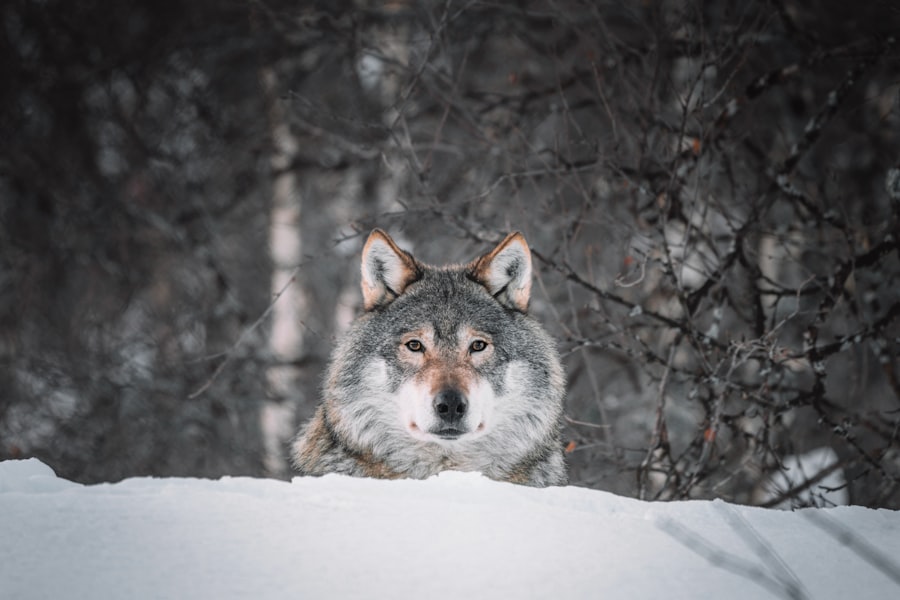
The path to living in harmony with wolves is paved with understanding, empathy, and a willingness to change your own ingrained narratives. It requires a commitment to education and a fundamental shift in how you perceive these magnificent creatures.
The Power of Education and Outreach
You realize that fear is often born of ignorance. Educational programs that highlight the ecological importance of wolves, their complex social behaviors, and the realities of coexistence are vital. When you engage children in learning about wolves through school programs, nature centers, and wildlife documentaries, you are planting the seeds for a more compassionate future. Adults also benefit from accurate information, dispelling myths and fostering a greater appreciation for these animals. You can become an advocate by sharing reliable information and challenging misinformation.
The Economic Benefits of a Healthy Wolf Population
Contrary to the belief that wolves only pose economic threats, you are discovering that they can also bring economic benefits. Wildlife tourism, particularly the opportunity to see wolves in their natural habitat, can be a significant draw for local economies. People come from around the world to witness the beauty and power of these animals, supporting local businesses and contributing to the economic viability of conservation efforts. Your support for these initiatives creates a tangible incentive for communities to protect wolf populations.
Embracing Your Role as a Steward of the Wild
Ultimately, living in harmony with wolves is about recognizing your responsibility as a steward of the wild. You are not separate from nature; you are an integral part of it. When you choose to see wolves not as adversaries, but as fellow inhabitants of this planet with their own right to exist, you are embracing a more profound and sustainable relationship with the natural world. Your empathy, your knowledge, and your actions all contribute to a future where the howl of the wolf continues to echo through the landscapes, a testament to your capacity for understanding and peaceful coexistence.
Wolves have long been a subject of fascination, especially in their interactions with humans. A recent article explores how these majestic creatures can coexist with us in various environments, shedding light on the importance of understanding their behavior and habitat needs. For those interested in this topic, you can read more about it in the article on revolutionizing the North American supply chain, which discusses how embracing the future can also apply to wildlife management and conservation efforts. Check it out here.
Taking Action: How You Can Contribute to Wolf Conservation
| Metrics | Data |
|---|---|
| Number of wolves living with humans | Varies by region |
| Incidents of conflict | Depends on human-wolf interaction |
| Methods of coexistence | Enclosures, deterrents, and education |
| Impact on wolf behavior | Varies based on human interaction |
The vision of wolves and humans living in harmony is not a passive dream; it requires active participation from you. Your choices, your voice, and your commitment can make a tangible difference in the ongoing story of wolf conservation.
Supporting Conservation Organizations
You have the power to directly support organizations dedicated to wolf research, habitat preservation, and conflict mitigation. These groups often rely on public donations to fund crucial work. By donating your time, money, or even just your voice to these organizations, you are contributing to practical solutions and advocating for policies that protect wolves. Research reputable organizations in your region and explore how you can get involved.
Advocating for Wolf-Friendly Policies
Your voice matters in shaping the policies that govern wolf populations. You can advocate for legislation that protects wolf habitats, promotes non-lethal conflict resolution strategies, and supports scientific research. Engaging with your elected officials, signing petitions, and participating in public comment periods for wildlife management plans are all effective ways to make your stance known. Educating yourself on current issues and then speaking out is a powerful act of stewardship.
Making Responsible Choices in Your Daily Life
Even in your everyday life, you can make choices that benefit wolves and their habitats. Reducing your consumption of resources, minimizing your environmental footprint, and supporting sustainable practices contribute to the overall health of the ecosystems that wolves inhabit. When you choose to buy products from companies committed to environmental responsibility, or when you participate in local cleanup efforts, you are indirectly contributing to a healthier world for all species, including wolves. Your personal choices have a ripple effect.
You stand at the edge of the forest, the wolf’s howl a distant song. It’s a sound that once filled you with fear, but now, you hear it with a newfound respect. You understand that their presence is a sign of a healthy ecosystem, a reminder of the wild heart of the planet. The journey towards living in harmony with wolves is ongoing, a testament to your evolving understanding and your capacity for compassion. You are learning to coexist, to share, and to recognize that the wildness you often seek outside yourself is also a vital part of your own human spirit. The future of the wolf, and for that matter, the future of your own relationship with the natural world, rests on your willingness to embrace this understanding and to act with intention and respect.

Before Civilization, There Were Dogs
FAQs
What is the history of wolves living with humans?
Wolves have a long history of living in close proximity to humans, dating back thousands of years. In some cultures, wolves were revered and even domesticated, while in others they were seen as a threat and were heavily persecuted.
How do wolves interact with humans in modern times?
In modern times, wolves can be found living in close proximity to humans in certain areas, particularly in regions where their natural habitat overlaps with human settlements. This can lead to conflicts over livestock predation and human safety.
What are the benefits of wolves living with humans?
Some argue that having wolves living in close proximity to humans can have ecological benefits, such as helping to control prey populations and maintaining a healthy ecosystem. Additionally, wolves can be a draw for ecotourism, bringing economic benefits to local communities.
What are the challenges of wolves living with humans?
One of the main challenges of wolves living with humans is the potential for conflicts, particularly over livestock predation. Additionally, there can be concerns about human safety, as well as the potential for disease transmission between wolves and domestic animals.
How can humans and wolves coexist peacefully?
Efforts to promote peaceful coexistence between humans and wolves often involve implementing non-lethal methods of managing conflicts, such as using deterrents to protect livestock and educating the public about how to safely interact with wolves. Additionally, creating protected areas for wolves and their prey can help to minimize conflicts with humans.