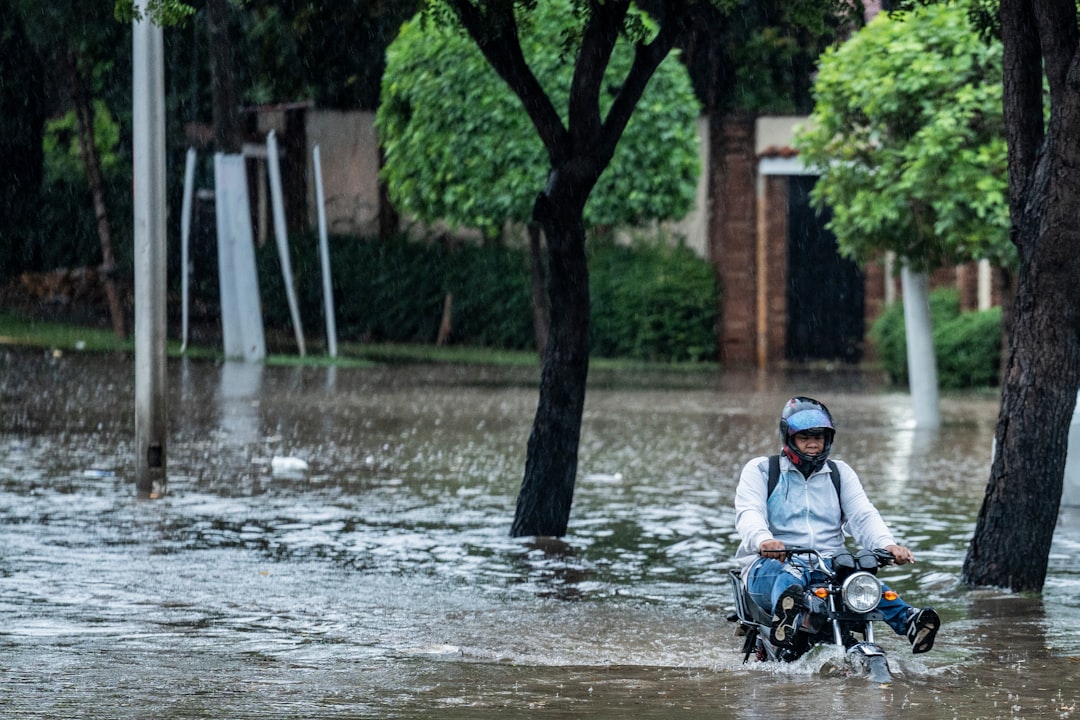
Climate change has emerged as one of the most pressing global challenges of the 21st century, influencing various sectors, including the insurance industry. As the planet warms, the frequency and severity of extreme weather events are increasing, leading to heightened risks for insurers. This evolving landscape has prompted a reevaluation of risk assessment models and pricing strategies within the insurance sector.
Consequently, policyholders are witnessing a significant rise in insurance premiums, reflecting the growing uncertainties associated with climate-related risks. The interplay between climate change and insurance premiums is complex and multifaceted. Insurers are tasked with balancing their financial stability while providing coverage to individuals and businesses facing unprecedented environmental challenges.
As climate-related disasters become more common, the need for insurers to adapt their policies and pricing structures becomes increasingly urgent. This article delves into the intricate relationship between climate change and insurance premiums, exploring how rising risks are reshaping the industry and what measures can be taken to mitigate these impacts.
Key Takeaways
- Climate change is leading to increased insurance premiums due to higher risk and more frequent extreme weather events.
- Insurance companies are experiencing higher claims due to climate change, leading to financial implications for both the companies and policyholders.
- Insurance companies play a crucial role in addressing climate change by promoting resilience and adaptation in their policies and practices.
- Strategies for mitigating climate change impact on insurance premiums include investing in resilient infrastructure and promoting sustainable practices.
- Public awareness and education on climate change and insurance are essential for individuals and communities to understand and prepare for the impact on insurance premiums.
The Relationship Between Climate Change and Increased Risk
The relationship between climate change and increased risk is evident in the rising incidence of natural disasters such as hurricanes, floods, wildfires, and droughts. These events not only threaten lives and property but also place immense pressure on insurance companies to cover escalating claims. As climate change continues to alter weather patterns, insurers are forced to reassess their risk models, which traditionally relied on historical data that may no longer be relevant.
This shift necessitates a more dynamic approach to risk assessment, incorporating projections of future climate scenarios. Moreover, the geographical distribution of risk is changing as certain areas become more susceptible to climate-related events. Coastal regions, for instance, face heightened risks from rising sea levels and increased storm surges, while inland areas may experience more frequent flooding due to intense rainfall.
Insurers must navigate these shifting landscapes, which can lead to increased premiums in high-risk areas or even the withdrawal of coverage altogether. This evolving risk landscape underscores the urgent need for insurers to innovate and adapt their strategies in response to climate change.
How Climate Change is Affecting Insurance Claims
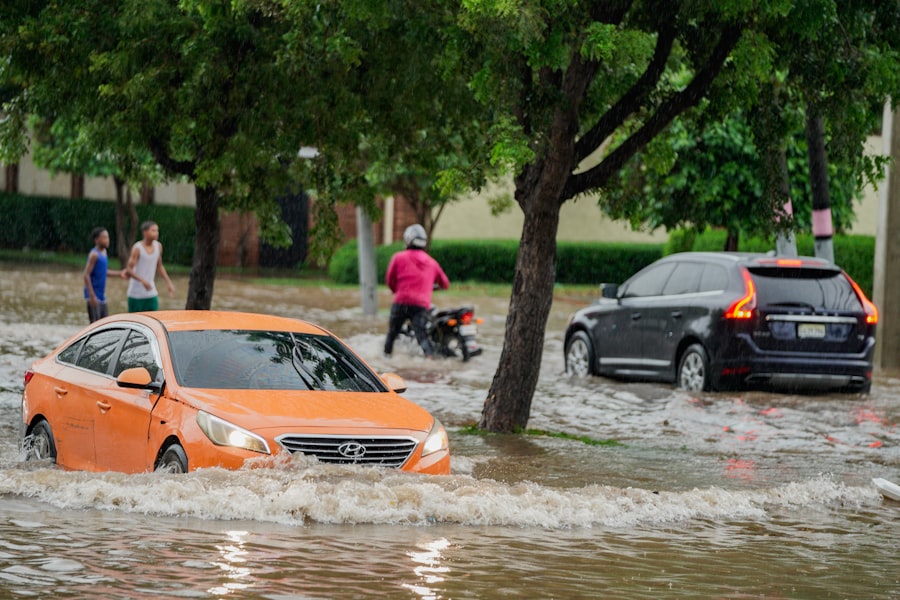
The impact of climate change on insurance claims is profound and far-reaching. As extreme weather events become more frequent and severe, the volume of claims submitted to insurers has surged. For instance, catastrophic events such as hurricanes can result in billions of dollars in damages, overwhelming insurers’ capacity to pay out claims.
This influx of claims not only strains insurers’ financial resources but also complicates their ability to accurately price policies based on risk. Additionally, the nature of claims is evolving as well. Insurers are increasingly faced with complex claims related to business interruption, property damage, and liability arising from climate-related incidents.
The intricacies involved in assessing damages from such events can lead to disputes between policyholders and insurers, further complicating the claims process. As a result, insurers must invest in advanced technologies and data analytics to improve their claims handling processes and ensure timely and fair settlements for policyholders.
The Role of Insurance Companies in Addressing Climate Change
| Insurance Companies | Role in Addressing Climate Change |
|---|---|
| Risk Assessment | Assessing the impact of climate change on insurable assets and liabilities |
| Product Innovation | Developing new insurance products to cover climate-related risks |
| Advocacy | Advocating for climate-friendly policies and regulations |
| Investment | Investing in sustainable and low-carbon projects |
| Resilience Building | Supporting initiatives to build resilience in communities and businesses |
Insurance companies play a pivotal role in addressing climate change by not only managing risk but also promoting resilience within communities. By providing coverage for climate-related risks, insurers can incentivize policyholders to adopt mitigation measures that reduce vulnerability to future disasters. For example, insurers may offer premium discounts for homeowners who invest in flood-resistant construction or businesses that implement sustainable practices.
This proactive approach not only benefits policyholders but also contributes to broader efforts aimed at combating climate change. Furthermore, insurers have the opportunity to influence public policy by advocating for sustainable practices and supporting initiatives that address climate change at a systemic level. By collaborating with governments, non-profit organizations, and other stakeholders, insurance companies can help shape policies that promote environmental sustainability and resilience.
Strategies for Mitigating Climate Change Impact on Insurance Premiums
To mitigate the impact of climate change on insurance premiums, several strategies can be employed by both insurers and policyholders.
By leveraging big data and predictive modeling, insurers can gain deeper insights into emerging risks associated with climate change.
This enhanced understanding allows for more accurate pricing of policies, potentially stabilizing premiums even in high-risk areas. Additionally, promoting community-level resilience through investment in infrastructure improvements can significantly reduce the financial burden on insurers. For instance, governments and local authorities can implement flood control measures or enhance building codes to minimize damage from extreme weather events.
By fostering a culture of preparedness and resilience, both insurers and communities can work together to mitigate the financial impacts of climate change on insurance premiums.
The Importance of Adaptation and Resilience in Insurance Policies
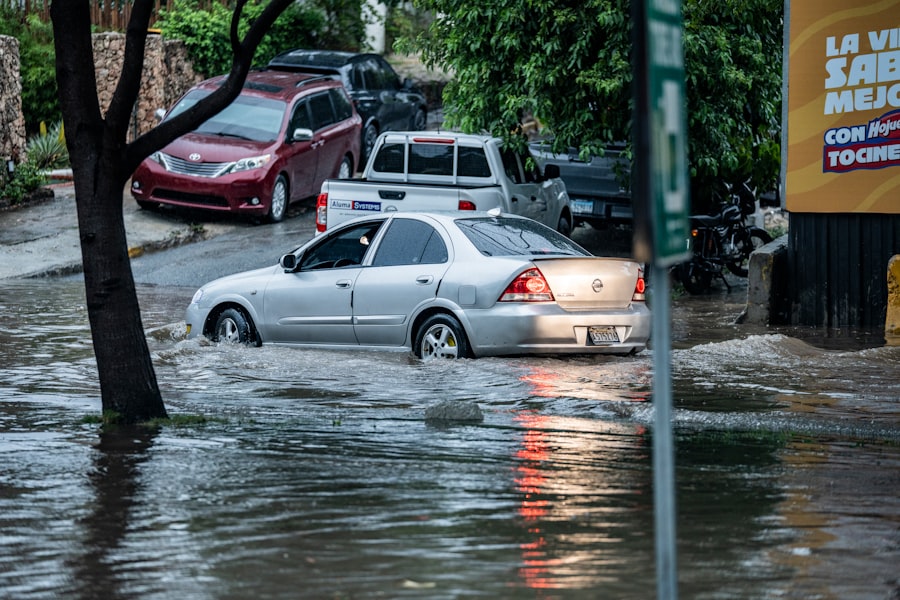
Adaptation and resilience are critical components of modern insurance policies in the face of climate change. Insurers are increasingly recognizing the need to incorporate adaptive measures into their coverage offerings. This may include providing incentives for policyholders to invest in resilient infrastructure or offering specialized coverage for emerging risks associated with climate change.
By prioritizing adaptation in their policies, insurers can help clients better prepare for future challenges while also safeguarding their own financial stability. Moreover, fostering resilience within communities is essential for reducing overall risk exposure. Insurers can play a vital role in promoting educational initiatives that raise awareness about climate risks and encourage proactive measures among policyholders.
By empowering individuals and businesses to take action against climate change, insurers not only enhance their own risk management strategies but also contribute to building more resilient communities capable of withstanding future environmental challenges.
The Financial Implications of Rising Insurance Premiums
The financial implications of rising insurance premiums due to climate change are significant for both consumers and businesses. As premiums increase, individuals may find it increasingly difficult to afford necessary coverage, leading to potential gaps in protection during times of crisis. This situation can create a cycle of underinsurance, where policyholders are left vulnerable to financial losses resulting from climate-related events.
For businesses, rising insurance costs can impact profitability and operational viability. Companies may be forced to allocate more resources toward insurance expenses rather than investing in growth or innovation. Additionally, small businesses may struggle to secure affordable coverage altogether, jeopardizing their ability to operate effectively in an increasingly unpredictable environment.
The broader economic implications of rising insurance premiums underscore the urgent need for collaborative efforts among stakeholders to address the root causes of climate change.
Government Policies and Regulations to Address Climate Change Impact on Insurance
Government policies and regulations play a crucial role in shaping the insurance landscape in response to climate change. Policymakers have the opportunity to implement measures that promote sustainable practices within the insurance industry while also protecting consumers from excessive premium increases. For instance, governments can incentivize insurers to invest in green technologies or support initiatives aimed at enhancing community resilience against climate-related risks.
Furthermore, regulatory frameworks can encourage transparency in how insurers assess risk related to climate change. By requiring insurers to disclose their methodologies for pricing policies based on environmental factors, consumers can make more informed decisions about their coverage options. Collaborative efforts between governments and insurers can lead to innovative solutions that address both climate change mitigation and adaptation while ensuring the long-term sustainability of the insurance industry.
The Need for Public Awareness and Education on Climate Change and Insurance
Public awareness and education regarding the intersection of climate change and insurance are essential for fostering informed decision-making among consumers. Many individuals remain unaware of how climate-related risks can impact their insurance coverage or premiums. By increasing public understanding of these issues, stakeholders can empower consumers to take proactive steps toward mitigating their own risks.
Educational initiatives can take various forms, including community workshops, online resources, and partnerships with local organizations focused on sustainability. By equipping individuals with knowledge about climate risks and available insurance options, stakeholders can promote a culture of preparedness that benefits both consumers and insurers alike. Ultimately, fostering public awareness is a critical step toward building resilience in the face of an uncertain future.
Case Studies: Examples of Climate Change Impact on Insurance Premiums
Several case studies illustrate the tangible impact of climate change on insurance premiums across different regions. In Florida, for instance, homeowners have experienced significant increases in flood insurance premiums due to rising sea levels and increased hurricane activity. As a result, many residents are grappling with affordability issues while facing heightened risks from extreme weather events.
Similarly, in California, wildfires have led to skyrocketing homeowners’ insurance rates as insurers reassess their exposure to fire-related claims. Some companies have even opted to withdraw coverage from high-risk areas altogether, leaving homeowners with limited options for protection against potential losses. These case studies highlight the urgent need for innovative solutions that address both the challenges posed by climate change and the financial implications for policyholders.
Taking Action to Address Climate Change Impact on Insurance Premiums
In conclusion, addressing the impact of climate change on insurance premiums requires a multifaceted approach involving collaboration among insurers, policymakers, communities, and consumers. As the frequency and severity of climate-related events continue to rise, it is imperative for all stakeholders to take proactive measures that promote resilience and sustainability within the insurance industry. By investing in adaptive strategies, enhancing public awareness, and fostering collaboration between various sectors, stakeholders can work together to mitigate the financial implications of rising insurance premiums while ensuring that individuals and businesses remain protected against an uncertain future.
Ultimately, taking action now is essential for building a more resilient society capable of navigating the challenges posed by climate change while safeguarding the long-term viability of the insurance industry.
The impact of climate change on insurance premiums is becoming increasingly significant as extreme weather events become more frequent and severe. A related article that delves into this topic can be found at this link, where it discusses how insurers are adjusting their pricing models in response to the growing risks associated with climate change. This shift not only affects homeowners but also has broader implications for the economy and the insurance industry as a whole.
WATCH THIS! Why Australia’s Middle Class Is Disappearing
FAQs
What is the impact of climate change on insurance premiums?
Climate change can lead to an increase in the frequency and severity of natural disasters such as hurricanes, floods, and wildfires. This can result in higher insurance claims and payouts, leading to an increase in insurance premiums.
How does climate change affect the insurance industry?
Climate change can impact the insurance industry by increasing the risk of property damage and loss due to extreme weather events. This can lead to higher insurance payouts and ultimately result in higher premiums for policyholders.
What types of insurance are most affected by climate change?
Property and casualty insurance, including homeowners insurance and commercial property insurance, are most affected by climate change. These types of insurance cover damage to property caused by natural disasters and extreme weather events.
Are there any measures that insurance companies are taking to address the impact of climate change?
Insurance companies are taking various measures to address the impact of climate change, including adjusting their underwriting practices, developing new risk models, and offering incentives for policyholders to mitigate climate-related risks.
How can individuals and businesses mitigate the impact of climate change on insurance premiums?
Individuals and businesses can mitigate the impact of climate change on insurance premiums by implementing measures to reduce their exposure to climate-related risks, such as investing in resilient infrastructure, implementing disaster preparedness plans, and adopting sustainable practices.