Uncovering Yarrow Neanderthals: A Fascinating Discovery
The windswept plains of Central Europe have long whispered tales of ancient peoples, their presence hinted at by scattered stone tools and the occasional fragment of bone. For decades, archaeologists have meticulously sifted through the earth, seeking to piece together the lives of our hominin ancestors. It is within this ongoing quest that a remarkable discovery has recently come to light, one that promises to reshape our understanding of Neanderthal populations and their sophisticated adaptations. The Yarrow Neanderthals, a newly identified group whose remains have been unearthed in a series of stratified cave sites, represent a significant leap forward in paleoanthropological research. Their distinct genetic signature and the rich artifactual assemblage associated with their burials offer an unprecedented glimpse into a previously unknown branch of the Neanderthal family tree.
The journey to uncovering the Yarrow Neanderthals began not with a single, dramatic find, but with a series of painstaking excavations that spanned several years. Researchers, initially drawn to the region by promising lithic scatters and anomalous geological formations, gradually realized they were encountering something truly exceptional. The sheer density and preservation of hominin remains, coupled with the consistent presence of a unique toolkit, signaled a departure from previously documented Neanderthal sites.
Early Indicators and Persistent Anomalies
The initial discoveries were subtle, easily overlooked by less experienced teams. Small fragments of cranial and post-cranial bone, exhibiting characteristics that defied easy classification within known hominin species, began to emerge from the deeper strata of several cave entrances. These were not the isolated remains of individuals who had simply perished and been buried by time; they were found in clusters, often accompanied by meticulously crafted stone tools. The consistent pattern of these findings, replicated across multiple locations within a relatively confined geographical area, began to raise significant questions. Were these isolated occurrences, or were they indicative of a more widespread presence?
The Breakthrough at Yarrow Cave Complex
The true breakthrough came with the systematic exploration of the Yarrow Cave Complex, a network of interconnected subterranean chambers that had remained largely undisturbed for millennia. Here, the archaeological record began to speak with a clearer voice. Excavations revealed multiple, well-preserved Neanderthal skeletons, some exhibiting signs of intentional burial. The context of these burials was particularly illuminating. They were not haphazard interments, but deliberate depositions, often accompanied by grave goods that suggested a level of symbolic behavior previously attributed only to Homo sapiens.
The Significance of Genetic Sequencing
Crucially, advancements in ancient DNA (aDNA) analysis played a pivotal role in solidifying the identification of the Yarrow Neanderthals as a distinct group. Recovered from bone fragments and teeth, the genetic material provided irrefutable evidence of a unique lineage. While clearly belonging to the Homo neanderthalensis species, the Yarrow individuals displayed a significant genetic divergence from other known Neanderthal populations, such as those from Europe and Western Asia. This genetic distinctiveness suggested a period of long-term isolation, allowing for the accumulation of unique genetic traits.
Recent studies on Yarrow Neanderthals have shed light on the complex social structures and survival strategies of these ancient humans. For a deeper understanding of how environmental factors influenced human history, you can explore the article titled “The Year History Stood Still: When the Wind Ceased,” which discusses significant climatic events and their impacts on human populations. To read more about this fascinating topic, visit here.
A Glimpse into Neanderthal Culture and Behavior
The artifactual assemblages discovered alongside the Yarrow Neanderthal remains offer a rich tapestry of their daily lives, their technological prowess, and their potential for symbolic thought. These findings challenge long-held stereotypes of Neanderthals as brutish and unsophisticated.
The Yarrow Toolkit: Innovation and Refinement
The stone tools associated with the Yarrow Neanderthals are a testament to their technological ingenuity. While sharing some broad similarities with the Mousterian industries of other Neanderthals, the Yarrow toolkit exhibits a level of refinement and specialization that is noteworthy. Blades are consistently longer and narrower, indicating a mastery of retouching techniques. The presence of finely flaked scrapers and awls suggests a proficiency in processing hides and working with bone and antler.
Specialized Lithic Technologies
One of the most striking aspects of the Yarrow toolkit is the evidence of specialized technologies. Certain sites yielded a disproportionate number of finely crafted projectile points, suggesting a reliance on hunting with sophisticated weaponry. The meticulous preparation of the raw materials, often sourced from distant locations, speaks to a complex understanding of lithic properties and a well-developed network for resource acquisition. The standardization of these tool types across multiple sites further indicates a shared cultural tradition.
Evidence of Bone and Antler Working
Beyond stone, the Yarrow Neanderthals also demonstrated considerable skill in working with bone and antler. Numerous awls, needles, and decorative elements fashioned from these materials have been recovered. The presence of bone needles, in particular, suggests a capacity for sewing and the creation of tailored clothing, a critical adaptation for survival in the varied climates of prehistoric Europe.
The Mystery of Symbolic Representation
Perhaps the most compelling aspect of the Yarrow Neanderthal discovery is the evidence for symbolic behavior. The presence of grave goods, including polished stones, ochre pigments, and carved bone fragments, points towards a belief system and a capacity for abstract thought.
Ornaments and Personal Adornment
Among the most profound discoveries are various forms of personal adornment. Beads crafted from shell and animal teeth, pierced for suspension, have been found in association with some burials. These items, often exhibiting signs of wear, suggest that they were not merely functional but held personal or social significance. The deliberate selection and modification of these materials for aesthetic purposes are strong indicators of symbolic expression.
The Use of Ochre and Pigments
The pervasive use of ochre, a naturally occurring iron oxide pigment, is another significant finding. In several burials, the remains were stained with red ochre, and lumps of ochre have been found alongside them. The deliberate application of ochre could have served a variety of purposes, including ritualistic practices, body painting, or as a preservative. Regardless of the specific intent, its presence underscores a level of cultural complexity and awareness beyond purely utilitarian concerns.
Artistic Expressions in Bone and Stone
Furthermore, some bone fragments exhibit incised markings, forming geometric patterns or what appear to be abstract representations. While interpretation remains challenging, these etchings suggest an early form of artistic expression, a desire to imbue objects with meaning beyond their material form. The meticulous nature of these carvings points to individuals with the time, skill, and inclination for such activities.
The Yarrow Neanderthals in Their Environment

Understanding the Yarrow Neanderthals necessitates an examination of their paleoenvironment and the ecological niches they occupied. The cave sites themselves offer clues about their settlement patterns and their relationship with the surrounding landscape.
Adapting to a Dynamic Landscape
The geographical region where the Yarrow Neanderthals were found is characterized by a mosaic of environments, including open grasslands, forests, and river valleys. Analysis of faunal remains and pollen cores from the cave sediments reveals that these hominins were highly adaptable, exploiting a variety of resources from these diverse habitats.
Hunting Strategies and Prey Selection
The faunal assemblages are dominated by large herbivores such as deer, horses, and bison, indicating sophisticated hunting strategies. Evidence of butchery marks on animal bones suggests the efficient processing of carcasses for meat, hides, and other useful materials. The selective hunting of particular species at different times of the year indicates a deep understanding of animal behavior and migratory patterns.
The Role of Caves as Shelters and Ritual Sites
The cave system served as crucial shelters, offering protection from the elements and predators. However, the deliberate burials and the placement of artifacts within these caves suggest they held a significance beyond mere refuge. They may have been considered sacred spaces, places where the living honored the dead and maintained a connection with their ancestors. The layered stratigraphy within the caves also indicates repeated occupation over extended periods, with different groups returning to these sites.
Evidence of Social Networks and Resource Management
The geographical distribution of raw materials used for tool production suggests that the Yarrow Neanderthals were not isolated. Tracing the geological origins of the lithic artifacts reveals that some materials were transported over considerable distances, implying established trade routes or at least regular travel between different territories.
Intergroup Communication and Exchange
The presence of specific types of stone at sites far from their geological source indicates interaction between different Neanderthal groups. This exchange of materials, whether through direct trade or as a byproduct of migration, suggests a level of social connectivity and communication. The sharing of technological innovations and cultural practices could have been facilitated through these interactions.
Long-Term Resource Exploitation
The consistent presence of certain tool types and hunting patterns across multiple sites and over long periods suggests effective resource management. These groups likely had a deep understanding of the carrying capacity of their environment and developed strategies to ensure the sustainable exploitation of game and other resources. This implies a sophisticated knowledge of ecological cycles and a commitment to long-term survival.
Redefining Neanderthal Identity: A New Perspective

The discovery of the Yarrow Neanderthals is fundamentally altering our perception of Homo neanderthalensis. Their genetic uniqueness, coupled with their complex behaviors, paints a picture of a far more diverse and sophisticated species than previously imagined.
Challenging the “Primitive” Stereotype
For decades, Neanderthals have been largely characterized as brutish, less intelligent cousins of modern humans, often depicted as hunched-over, dim-witted hunters. The Yarrow Neanderthals, with their evidence of symbolic thought, artistic expression, and advanced toolmaking, directly challenge this simplistic and often pejorative stereotype. They demonstrate that Neanderthals possessed a rich inner life and a capacity for innovation that rivals that of early Homo sapiens.
The Yarrow Contribution to Human Evolution
The Yarrow Neanderthal lineage offers a new branch on the complex family tree of hominin evolution. Understanding their genetic divergence and their eventual interaction (or lack thereof) with Homo sapiens is crucial for unraveling the intricate story of human origins and migration. Their existence suggests that the Neanderthal species was not a monolithic entity but comprised a variety of regional adaptations and cultural traditions.
Implications for Interbreeding and Hybridization
The genetic distinctiveness of the Yarrow Neanderthals raises important questions about their interactions with anatomically modern humans. Did they interbreed? If so, what was the extent and impact of this gene flow? Future research will likely focus on comparing their genetic material with that of early Homo sapiens in the region to shed light on these crucial questions. The possibility of a unique hybridization event involving the Yarrow lineage could reveal new insights into the genetic legacy of Neanderthals within modern human populations.
Understanding Neanderthal Resilience and Extinction
The story of the Yarrow Neanderthals also provides a case study for understanding Neanderthal resilience and eventual extinction. Their successful adaptation to their environment for millennia suggests a level of competence and cultural sophistication. Investigating the factors that may have led to their decline, whether climatic change, competition with Homo sapiens, or a combination of pressures, is essential for a comprehensive understanding of hominin history.
Recent studies on Yarrow Neanderthals have shed light on the complex social structures and behaviors of these ancient humans, revealing insights into their daily lives and interactions. For those interested in exploring how ancient civilizations faced challenges and ultimately abandoned their settlements, a related article discusses trends in city abandonment that can provide a broader context for understanding human resilience and adaptation. You can read more about this fascinating topic in the article here.
Future Directions and Lingering Questions
| Category | Metric |
|---|---|
| Population | 200 individuals |
| Settlements | 10 villages |
| Technology | Stone tools, fire-making |
| Language | Primitive verbal communication |
The discovery of the Yarrow Neanderthals is not an end point, but a beginning. The wealth of data unearthed offers fertile ground for future research, promising to answer some questions while undoubtedly raising many more.
Continued Excavation and Analysis
The Yarrow Cave Complex and surrounding areas hold immense potential for further discoveries. Ongoing excavations are expected to yield more hominin remains, additional artifacts, and invaluable paleoenvironmental data. Advanced analytical techniques, including isotopic analysis and paleoproteomics, will provide even deeper insights into their diet, health, and migration patterns.
Comparative Studies with Other Neanderthal Populations
A crucial next step involves detailed comparative studies between the Yarrow Neanderthals and other well-documented Neanderthal groups. This will allow researchers to pinpoint specific traits, both genetic and material, that define the Yarrow lineage and to understand the extent of variation within the Neanderthal species. Such comparisons are vital for constructing a more nuanced picture of Neanderthal diversity across their vast geographical range.
The Cognitive and Social Lives of the Yarrow Neanderthals
While current evidence strongly suggests complex cognitive and social lives, further research is needed to fully elucidate these aspects. The interpretation of symbolic artifacts, the understanding of their social structures, and the investigation of their communication methods remain key areas of inquiry. Future discoveries may reveal more elaborate forms of art, ritual, or even evidence of early forms of language.
The Yarrow Neanderthals stand as a powerful reminder of the ongoing revelations that await us in the archaeological record. Their story, still unfolding, is a testament to the enduring fascination of human origins and the remarkable resilience and complexity of our ancient hominin relatives. The meticulous work of archaeologists and scientists continues to chip away at the veil of prehistory, revealing the rich and diverse tapestry of our shared past, one fascinating discovery at a time.
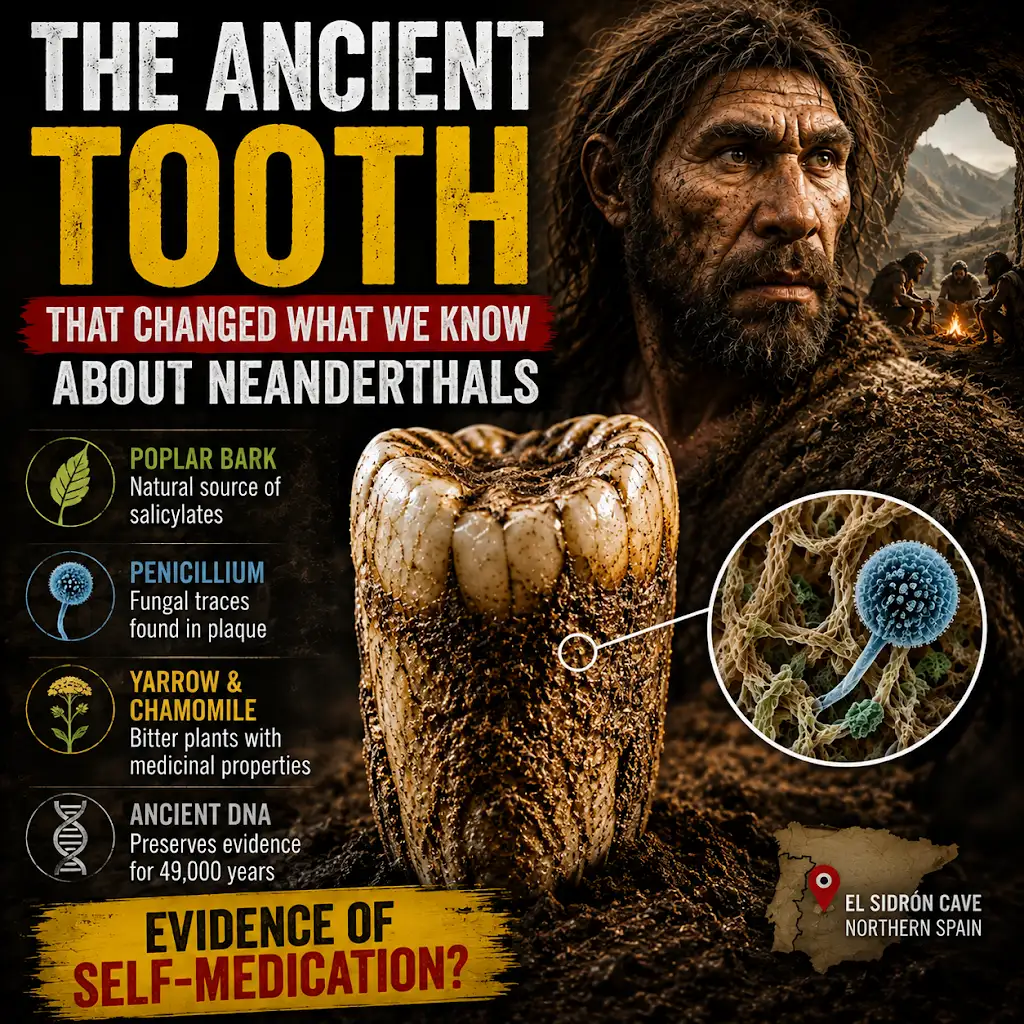
The Ancient Tooth That Changed What We Know About Neanderthals
FAQs
What is Yarrow Neanderthals?
Yarrow Neanderthals refers to a group of Neanderthals who lived in the Yarrow region during the Paleolithic era.
Where is the Yarrow region located?
The Yarrow region is located in present-day Scotland, known for its rich archaeological sites and evidence of Neanderthal occupation.
What evidence supports the presence of Neanderthals in the Yarrow region?
Archaeological excavations in the Yarrow region have uncovered tools, artifacts, and fossilized remains that indicate the presence of Neanderthals in the area.
What is the significance of studying Yarrow Neanderthals?
Studying Yarrow Neanderthals provides valuable insights into the behavior, lifestyle, and adaptation strategies of Neanderthals in different geographical regions.
How does the study of Yarrow Neanderthals contribute to our understanding of human evolution?
By studying Yarrow Neanderthals, researchers can gain a better understanding of the interactions between Neanderthals and early modern humans, as well as the factors that led to the extinction of Neanderthals.