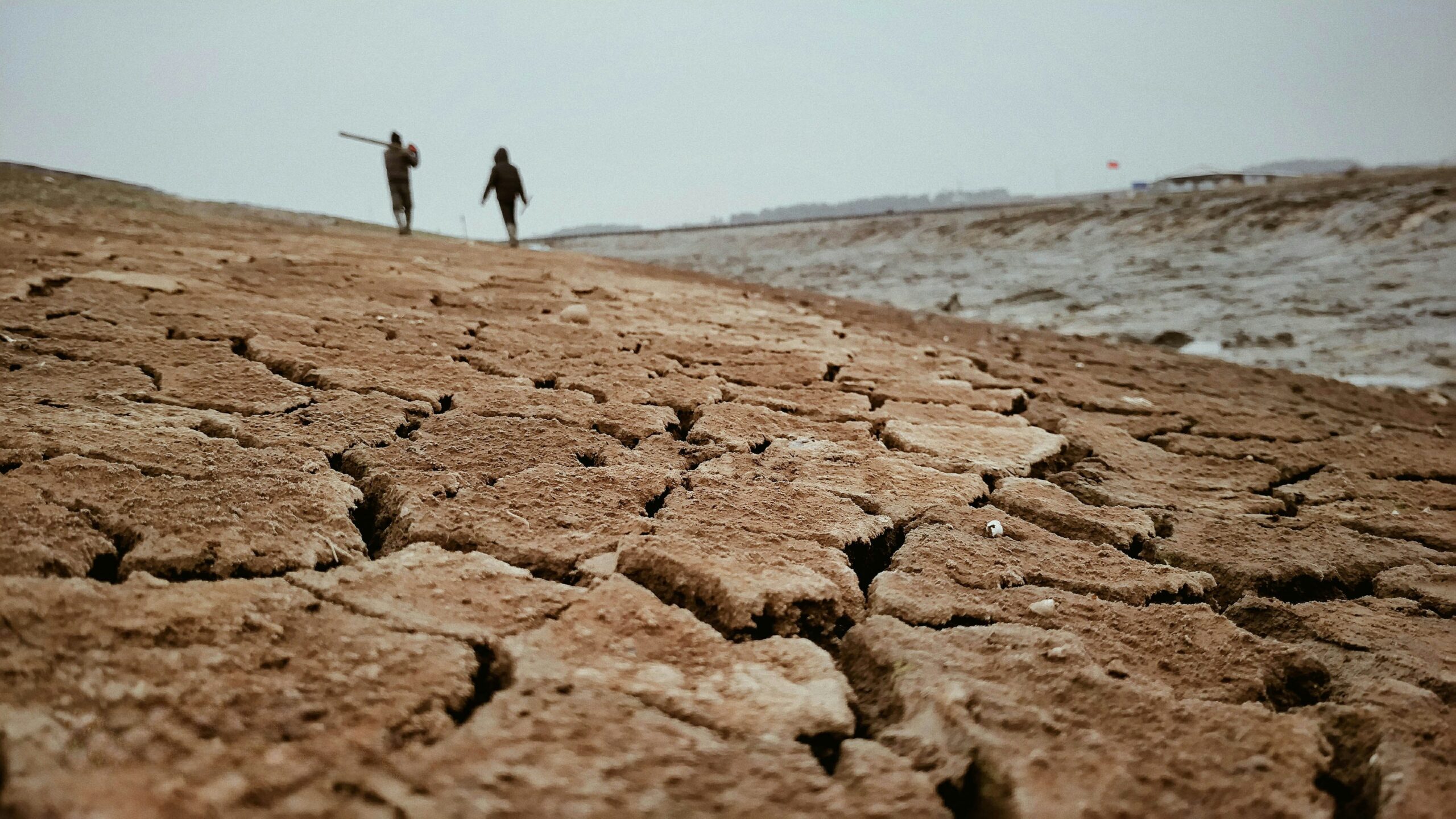
The Bronze Age, a period often romanticized for its advancements in metallurgy and the rise of complex societies, was also a time of profound environmental upheaval. Far from being a stable and idyllic era, evidence suggests that many Bronze Age civilizations faced significant environmental challenges that strained their resources, destabilized their populations, and ultimately contributed to their decline. This period, stretching roughly from 3300 BCE to 1200 BCE, witnessed a growing human footprint on the landscape, coupled with increasingly volatile climatic shifts, creating a precarious balance that tipped towards crisis. The story of the Bronze Age environmental crisis is not merely a historical footnote; it serves as a stark reminder of the interconnectedness between human activity, ecological systems, and societal resilience, a lesson that resonates powerfully in our own time.
The Bronze Age marked a significant acceleration in human alteration of the environment. As populations grew and settled agriculture became more widespread, the demand for resources intensified. This period saw an expansion of cultivated lands, deforestation for fuel and construction, and the intensive exploitation of mineral resources, all of which left indelible marks on the natural world. The very technologies that defined the era – bronze working – were themselves resource-intensive, requiring the extraction and transport of copper and tin ores, often over considerable distances.
Deforestation: Fueling Progress, Eroding Stability
The insatiable demand for fuel, particularly for smelting bronze, led to widespread deforestation across many Bronze Age regions. The process of extracting copper and tin, and then alloying them to create bronze, required high temperatures sustained over extended periods. Wood was the primary fuel source, and as settlements grew and the demand for bronze increased, so too did the pressure on surrounding forests. Extensive tree felling not only deprived communities of timber for building and other uses but also had a cascade of negative environmental consequences.
The Bronze Smelting Dilemma
The heart of the Bronze Age technological revolution lay in its metallurgy. The production of bronze, an alloy of copper and tin, was a complex and energy-intensive process. Early smelting operations involved heating ores in kilns, often fueled by large quantities of wood. Estimates from various archaeological sites suggest that substantial amounts of timber were consumed to produce even modest quantities of bronze. This relentless demand led to the denudation of forests surrounding mining and smelting centers, creating localized environmental degradation.
Beyond Metallurgy: Domestic and Construction Needs
While bronze production was a significant driver of deforestation, it was not the sole factor. Growing populations required more land for agriculture, leading to the clearing of forests for fields. Furthermore, timber was essential for constructing dwellings, fortifications, ships, and other infrastructure. The accumulation of these demands, spread across vast regions and over centuries, created a cumulative impact that fundamentally altered the landscape.
Agricultural Intensification and Its Costs
Bronze Age societies relied heavily on agriculture, and as populations increased, so did the need to boost food production. This led to practices that, while increasing yields in the short term, often proved unsustainable. Irrigation systems were developed and expanded, sometimes leading to salinization of soils. Monoculture farming, where large areas were dedicated to a single crop, made them vulnerable to pests and diseases, and depleted soil nutrients.
The Double-Edged Sword of Irrigation
In many fertile river valleys, such as Mesopotamia and the Nile Delta, Bronze Age peoples developed sophisticated irrigation systems. These canal networks allowed for the reliable watering of crops, significantly increasing agricultural productivity and supporting larger populations. However, the long-term consequence of prolonged irrigation in arid and semi-arid environments can be the buildup of salt in the soil. As water evaporates from the surface, dissolved salts are left behind, making the land increasingly infertile and eventually unusable for many crops. Archaeological evidence from Mesopotamia, for example, points to a shift in crop production from wheat to more salt-tolerant barley, indicating the gradual salinization of agricultural lands.
Soil Erosion and Nutrient Depletion
The removal of forest cover, coupled with intensive farming practices, significantly increased soil erosion. Without the anchoring effect of tree roots and the protective cover of vegetation, topsoil was easily washed away by rainfall or blown away by wind. This loss of fertile topsoil reduced agricultural yields and required further land clearance to compensate, perpetuating a destructive cycle. Over time, continuous cultivation without adequate soil replenishment or crop rotation led to the depletion of essential nutrients, further diminishing the land’s productivity.
Resource Extraction: Mining and its Footprint
The Bronze Age is defined by the mastery of metals, and this mastery necessitated extensive mining operations. The extraction of copper and tin ores, often from mountainous or difficult-to-access regions, left significant scars on the landscape. Mining activities involved quarrying, digging tunnels, and processing ores, all of which could lead to habitat destruction, soil erosion, and water contamination.
The Demand for Copper and Tin
The discovery and exploitation of copper and tin deposits were central to the Bronze Age. These metals, while often found in different geographical locations, were brought together through complex trade networks to produce bronze. The search for these vital ores led to the development of specialized mining communities. Archaeological investigations at sites like Timna in modern-day Israel and various locations in Anatolia and the Balkans reveal the scale of these operations, including open-pit mines, underground shafts, and the associated infrastructure for transporting and processing the extracted materials.
Environmental Consequences of Mining
The environmental impact of Bronze Age mining was considerable. Large-scale quarrying and excavation disturbed natural landscapes, leading to habitat loss and fragmentation. The removal of vegetation from mining sites would have exacerbated soil erosion. Furthermore, the processing of ores, which often involved crushing and washing, could release heavy metals and other pollutants into local water sources, impacting both human and animal health. The disposal of mining waste, or tailings, also created further environmental burdens.
The Bronze Age environmental crisis has garnered significant attention in recent years, as researchers explore the complex interplay between climate change and societal collapse during this pivotal period. A related article that delves into historical maps and their implications for understanding ancient civilizations is available at this link: US Military Confirms Authenticity of Piri Reis Map. This article discusses the Piri Reis map, which offers insights into the geographical knowledge of the time and may shed light on how environmental factors influenced human activity and settlement patterns during the Bronze Age.
Climate Change: A Global Undercurrent
While human activities were undeniably shaping local and regional environments, the Bronze Age also coincided with significant, and often abrupt, climatic shifts. These changes, driven by natural cycles, acted as a powerful amplifier of existing environmental stresses and introduced new challenges that many Bronze Age societies were ill-equipped to handle. The interconnectedness of ancient economies and ecosystems meant that climatic disruptions in one region could have far-reaching consequences elsewhere.
The Mediterranean Droughts: A Case Study
Perhaps the most well-documented and impactful climatic event of the Late Bronze Age was a prolonged period of severe drought that affected the Mediterranean basin and the Near East around the 13th century BCE. This period of aridity, lasting for decades, severely impacted agricultural production in already strained regions, pushing many communities to the brink.
The Impact on Agriculture and Water Resources
The Mediterranean climate is characterized by its reliance on winter rainfall for agriculture. Extended periods of drought would have devastated rain-fed crops and severely depleted water reserves in wells, rivers, and lakes. This would have led to widespread crop failures, livestock die-offs, and a scarcity of potable water for human populations. The consequences would have been particularly acute in areas that were already dependent on precarious water management systems.
Contributing to Societal Collapse
The severe droughts of the Late Bronze Age are widely considered to have been a major factor contributing to the widespread collapse of many Bronze Age civilizations in the region. The inability to feed their populations, coupled with the disruption of trade networks due to internal instability and the movement of desperate populations, proved to be an overwhelming challenge for many states. The resulting societal breakdown, famine, and conflict undoubtedly exacerbated the environmental degradation already in progress.
The Bronze Age environmental crisis has been a topic of significant interest among researchers, as it highlights the interplay between climate change and societal collapse. A related article discusses the implications of environmental shifts on ancient civilizations and how these changes can inform our understanding of contemporary issues. For those interested in exploring the broader context of environmental transformations, you can read more about it in this insightful piece on Antarctica’s hidden coastline, which sheds light on how past climates have shaped our planet. Check it out here.
Shifting Weather Patterns: Beyond the Mediterranean
The climatic shifts of the Bronze Age were not confined to the Mediterranean. Evidence from various regions suggests a broader pattern of changing weather patterns, including more extreme temperature fluctuations and altered precipitation regimes. These changes could have impacted everything from growing seasons to the availability of game animals and the navigability of waterways, introducing unpredictability into established ways of life.
Implications for Pastoralism
Pastoral societies, which relied on grazing livestock, were particularly vulnerable to changes in rainfall and vegetation cover. Shifting weather patterns could lead to the desiccation of pastures, forcing nomadic groups to migrate in search of viable grazing lands. This movement could, in turn, lead to increased competition and conflict with settled agricultural communities, further destabilizing both groups.
Changes in River Systems
The stability of river systems, crucial for both agriculture and transportation in many Bronze Age societies, could also be affected by climatic changes. Altered precipitation patterns could lead to increased flooding in some areas and reduced river flows in others, disrupting irrigation, impacting trade routes, and increasing the vulnerability of settlements located near watercourses.
The Vicious Cycle: Intertwined Disasters

The Bronze Age environmental crisis was not a single, isolated problem but rather a complex interplay of human-induced stresses and natural climatic variability. These factors often reinforced each other, creating a vicious cycle that exacerbated the challenges faced by Bronze Age societies. The inability of the environment to recover from human exploitation was compounded by the unpredictable nature of the climate.
Resource Scarcity Fueling Conflict
As resources like arable land, water, and timber became scarcer due to a combination of overuse and climate-induced shortages, competition intensified. This scarcity could manifest as increased tensions between neighboring communities, as well as internal strife within societies as different groups vied for dwindling supplies. The breakdown of social order often followed, further hindering any coordinated efforts to address the environmental challenges.
Inter-Community Competition
When local environments could no longer sustain populations, migration and competition for resources became inevitable. This could lead to increased raiding, warfare, and the displacement of peoples. The Late Bronze Age witnessed a period of significant upheaval, with evidence of destruction at many major settlements and the movement of large populations, often referred to as the “Sea Peoples” in the Eastern Mediterranean, which some scholars link, in part, to environmental pressures.
Internal Strife and Social Unrest
Within societies, the growing inequality that often accompanies resource scarcity could lead to social unrest and the breakdown of established authority. As the ruling elites struggled to provide for their populations, their legitimacy could be undermined, leading to internal conflicts and the weakening of the state’s ability to respond to crises.
Weakened Resilience: The Fragility of Bronze Age Systems
The complex, interconnected systems of the Bronze Age, while capable of remarkable achievements, also possessed inherent fragilities. Their reliance on specific agricultural methods, their dependence on limited trade routes for essential resources like tin, and their vulnerability to climatic shocks meant that when these systems were stressed, the consequences could be severe and far-reaching.
The Limits of Bronze Age Technology
While the Bronze Age is celebrated for its technological advancements, these technologies also had limitations. Irrigation systems could fail, metalworking demanded significant resources, and agricultural techniques, while often innovative, were not always sustainable in the long term. The inability to adapt quickly to changing environmental conditions or to develop alternative, more resilient systems proved to be a significant vulnerability.
The Interdependence of Trade Networks
The long-distance trade networks that characterized the Bronze Age were crucial for the distribution of essential goods, particularly metals. However, these networks were also vulnerable to disruption. Wars, political instability, and environmental disasters in key regions could sever these vital links, leading to shortages and further economic and social disruption.
The Collapse: A Multifaceted Demise

The culmination of these environmental pressures, coupled with other factors such as invasion and internal strife, led to the widespread collapse of many Bronze Age civilizations around the 12th century BCE. This period of decline, often referred to as the Late Bronze Age collapse, saw the disintegration of empires, the abandonment of major cities, and a significant disruption of established trade and cultural networks. While the precise causes remain a subject of ongoing debate, the role of environmental crisis is increasingly recognized as a critical contributing factor.
The Domino Effect: From Local Strain to Regional Breakdown
The environmental pressures experienced in one region did not remain isolated. The interconnectedness of Bronze Age societies meant that local strains could quickly cascade into regional breakdowns. For instance, the collapse of agricultural production in a major breadbasket region due to drought would have sent ripples through the entire economic and political landscape, affecting trade, migration patterns, and the stability of neighboring states.
The Mediterranean World in Crisis
The Eastern Mediterranean, encompassing civilizations like the Mycenaeans in Greece, the Hittites in Anatolia, and the New Kingdom of Egypt, experienced particularly severe disruption. Evidence of widespread destruction, depopulation, and the breakdown of established political structures points to a region grappling with multiple simultaneous crises. The archaeological record reveals a dramatic shift from prosperous urban centers to more fragmented, rural societies.
The Near East and Beyond
Similar patterns of environmental stress and societal disruption can be observed in other Bronze Age regions, including Mesopotamia and parts of Europe. While the timing and specific manifestations of the crisis might have varied, the underlying themes of resource depletion, climatic instability, and the subsequent breakdown of complex societies are recurrent.
The Dawn of the Iron Age: A Response to Crisis
The ensuing Iron Age, which followed the collapse of many Bronze Age civilizations, can be seen, in part, as a response to the challenges of the preceding era. Iron, being a more widely available metal than bronze, allowed for the development of new technologies and economies that were less reliant on the long-distance transport of scarce resources like tin. The simpler, more localized societies that emerged in the early Iron Age might have possessed greater resilience in the face of environmental volatility.
The Advantages of Iron
The widespread availability of iron ore compared to the limited deposits of copper and tin was a significant factor in the transition to the Iron Age. Iron tools and weapons could be produced more readily and at a lower cost, allowing for greater self-sufficiency in many communities. This reduced reliance on complex, long-distance trade networks made societies less vulnerable to the disruptions that had plagued the Late Bronze Age.
New Societal Structures
The Iron Age witnessed the emergence of new societal structures, often characterized by smaller, more decentralized political entities. These societies may have been better adapted to local environmental conditions and less susceptible to the large-scale collapses that had characterized the Bronze Age. The focus shifted towards more localized resource management and subsistence strategies.
The Bronze Age environmental crisis serves as a compelling historical precedent, illustrating the profound and often devastating consequences when human societies push the boundaries of their ecological systems. It underscores the critical importance of understanding and respecting the delicate balance of the natural world and the need for sustainable practices to ensure the long-term resilience of human civilization. The lessons learned from this ancient catastrophe are not just academic; they are vital for navigating the environmental challenges of our own era.
How Scientists Found Neanderthals Where There Were No Bones
FAQs
What was the Bronze Age environmental crisis?
The Bronze Age environmental crisis refers to a period of significant environmental and societal upheaval that occurred around 1200 BCE in the Eastern Mediterranean region. This crisis is characterized by widespread societal collapse, famine, and the decline of major civilizations such as the Mycenaean Greeks, the Hittites, and the New Kingdom of Egypt.
What were the causes of the Bronze Age environmental crisis?
The causes of the Bronze Age environmental crisis are still debated among historians and archaeologists. Some proposed factors include climate change, drought, earthquakes, invasions by hostile groups, and the breakdown of trade networks. These factors likely interacted in complex ways to contribute to the crisis.
How did the Bronze Age environmental crisis impact societies of the time?
The Bronze Age environmental crisis had a profound impact on the societies of the time. Many major civilizations collapsed or experienced significant decline, leading to widespread social upheaval, population displacement, and economic hardship. This period marked the end of the Bronze Age and the beginning of a new era in the Eastern Mediterranean region.
What evidence supports the existence of the Bronze Age environmental crisis?
Archaeological evidence, including the abandonment of major urban centers, the destruction of infrastructure, and the decline of written records, supports the existence of the Bronze Age environmental crisis. Additionally, scientific studies of climate data and environmental changes during this period provide further evidence for the crisis.
How did the Bronze Age environmental crisis shape future civilizations?
The Bronze Age environmental crisis had a lasting impact on the Eastern Mediterranean region, shaping the development of future civilizations. The collapse of major powers created opportunities for new groups to rise to prominence, leading to the emergence of new cultural and political dynamics in the region. Additionally, the lessons learned from this crisis likely influenced the development of future societies in terms of resilience and adaptation to environmental challenges.