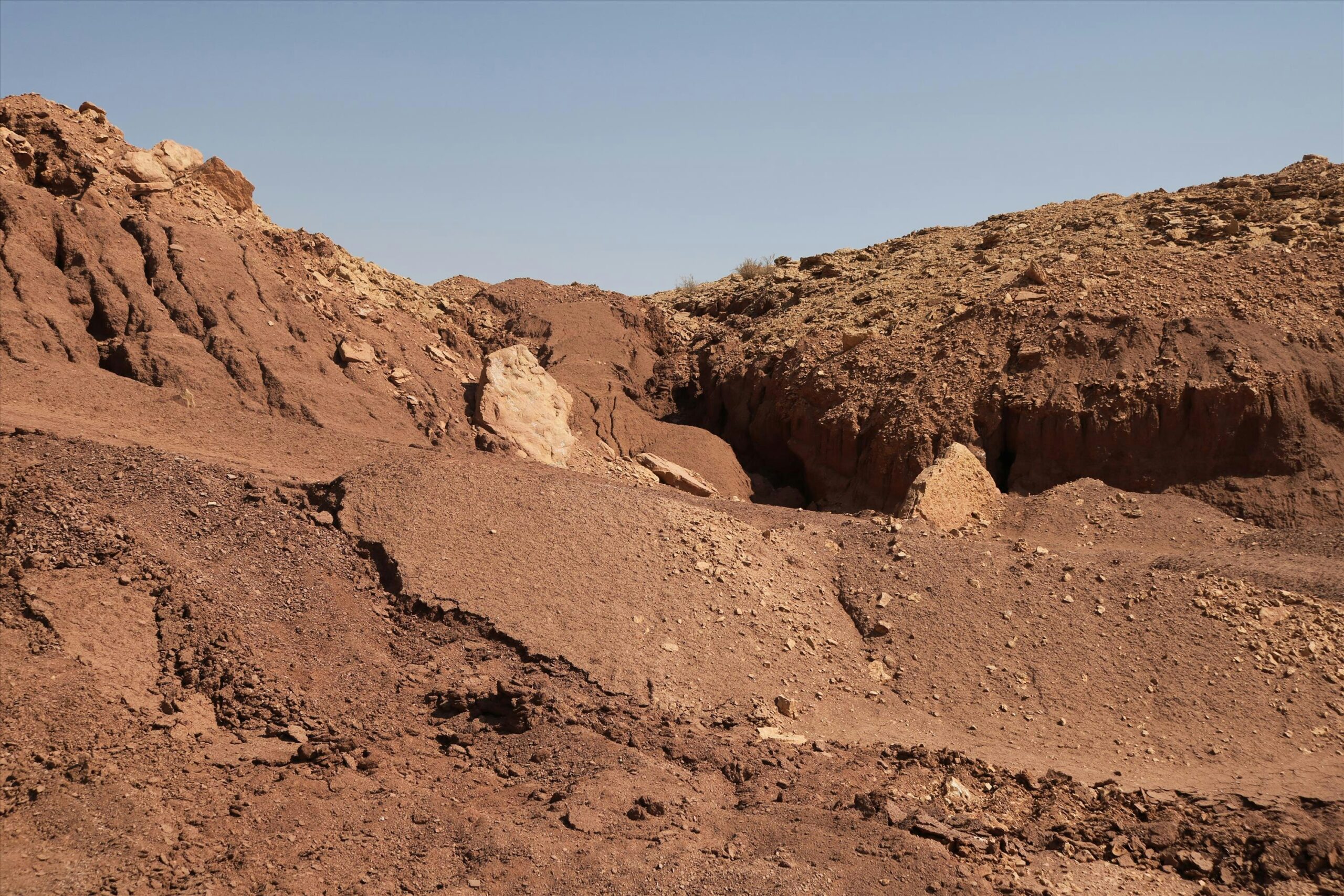
The Eastern Mediterranean Bronze Age, a period of unprecedented prosperity, interconnectedness, and cultural fluorescence, did not simply fade into history. Instead, it experienced a dramatic and catastrophic collapse, a multifaceted disintegration that reshaped the geopolitical landscape and ushered in a new, albeit darker, era. This cataclysm, occurring roughly between 1200 and 1150 BCE, saw the demise or severe weakening of powerful civilizations, the disruption of established trade routes, and the widespread abandonment of once-thriving urban centers. The reasons behind this widespread breakdown are complex and have been the subject of intense scholarly debate for over a century, pointing towards a confluence of interconnected factors rather than a single, isolated cause.
Before delving into the collapse, it is crucial to understand the remarkable achievements of the Eastern Mediterranean Bronze Age. This era, spanning from approximately 3300 BCE to 1200 BCE, witnessed the rise of sophisticated societies that laid the foundations for much of subsequent Western civilization.
Flourishing Kingdoms and Empires
At its height, the region was dominated by several powerful entities, each contributing to a vibrant and dynamic international system. The Egyptian New Kingdom stood as a colossal power, its pharaohs commanding vast resources and exerting influence across the Levant. Their monumental architecture, sophisticated bureaucracy, and rich religious traditions were hallmarks of their strength. To the north, the Hittite Empire, centered in Anatolia, represented a formidable military and political force, known for its chariotry and complex legal codes. Their rivalry with Egypt defined much of the Late Bronze Age political landscape, culminating in the famous Battle of Kadesh.
Further east, the Mycenaean civilization in mainland Greece had established a complex network of palaces and fortified settlements, their palatial economies meticulously organized and their warriors renowned for their prowess. Their script, Linear B, offers tantalizing glimpses into their administrative structures and economic activities. The island of Cyprus played a pivotal role as a major producer and exporter of copper, a crucial commodity in the Bronze Age, facilitating its integration into the wider Mediterranean network. And in the Levant, numerous city-states, such as Ugarit, Canaanite cities, and those in Syria, thrived as vital nodes in a bustling web of trade and diplomacy. These cities were centers of cultural innovation, producing exquisite art, literature, and religious texts.
Interconnectedness and Trade Networks
The hallmark of the Late Bronze Age was its unprecedented level of interconnectedness. Trade routes, both maritime and terrestrial, crisscrossed the region, facilitating the exchange of goods, ideas, and people. Copper from Cyprus, tin from distant lands (likely from as far as Afghanistan), timber from Lebanon, grain from Egypt, and luxury goods like lapis lazuli from the east, all flowed through a sophisticated network of merchants and intermediaries. This interdependence meant that the prosperity of one region was often tied to the stability and productivity of others.
Diplomatic relations were maintained through a formalized system of treaties and gift exchanges, evidenced by the extensive archives discovered at sites like Amarna in Egypt and Ugarit. Royal correspondence, written in Akkadian cuneiform – the lingua franca of diplomacy at the time – reveals a world of alliances, rivalries, and the constant negotiation of power between these great civilizations. This intricate web of relationships, while contributing to a period of relative peace and prosperity, also meant that a shock in one part of the system could have ripple effects throughout the entire network.
Cultural Achievements and Technological Advancements
The Late Bronze Age witnessed remarkable cultural and technological achievements. In metallurgy, the mastery of bronze – an alloy of copper and tin – was transformative, allowing for the creation of stronger tools, weapons, and implements. Monumental architecture, exemplified by the temples of Egypt, the fortifications of Mycenaean cities, and the palaces of the Hittites, demonstrated advanced engineering and organizational capabilities. Artistic expression flourished, with intricate pottery, finely crafted metalwork, and vibrant frescoes adorning the palaces and tombs of the elite. The development of writing systems, such as Egyptian hieroglyphs, Mesopotamian cuneiform, and the Mycenaean Linear B, allowed for the recording of history, administration, and religious beliefs, providing invaluable insights for modern scholars.
The collapse of the Eastern Mediterranean Bronze Age has long fascinated historians and archaeologists, as it marks a significant turning point in ancient history. A related article that delves into the environmental factors contributing to this collapse can be found at Uncovering the Secret Inscription of Ancient Climate. This piece explores how climate change and natural disasters may have played a crucial role in destabilizing societies during this tumultuous period, shedding light on the intricate relationship between environmental conditions and human civilization.
The Onset of the Catastrophe: A Perfect Storm
The collapse was not a sudden, overnight event but a period of escalating crises. A confluence of factors, acting in concert and exacerbating each other, created a “perfect storm” that overwhelmed the fragile resilience of these advanced societies. While the exact timing and prominence of each factor may vary by region, the overall picture is one of widespread destabilization.
Environmental Stress and Climate Change
Growing evidence suggests that significant environmental stress played a crucial role in the Late Bronze Age collapse. Paleoclimatic data, derived from sources like ice cores and sediment layers, indicates a period of prolonged drought and aridification that affected much of the Eastern Mediterranean and the Near East around the turn of the 13th century BCE. This climatic shift would have had devastating consequences for agricultural societies, leading to crop failures, famine, and a decline in the availability of vital resources.
The reliance on rain-fed agriculture in many parts of the region made these societies particularly vulnerable to prolonged dry spells. Declining water levels in rivers and the depletion of groundwater sources would have further strained agricultural production and livestock. The resulting food shortages would have weakened populations, increased social unrest, and made them more susceptible to other pressures. Furthermore, the environmental degradation could have led to migrations and increased competition for dwindling resources, potentially igniting conflicts.
The Eastern Mediterranean Bronze Age collapse remains a fascinating topic for historians and archaeologists alike, as it marks a significant turning point in ancient civilizations. Recent research has shed light on various factors that contributed to this decline, including climate change, invasions, and economic turmoil. For those interested in exploring related themes of societal transformation and resilience, an intriguing article discusses the militarization of the Moon’s south pole, drawing parallels between ancient and modern strategies for survival and resource management. You can read more about this connection in the article here.
Internal Strife and Social Disruption
Even in the absence of external threats, the complex social structures of the Late Bronze Age were susceptible to internal pressures. The highly stratified societies, with their wealthy elites and large peasant populations, could have been prone to social unrest, peasant revolts, or challenges to authority. Economic disparities, coupled with hardship caused by environmental factors, could have fueled resentment and instability.
The palatial economies, while efficient in times of prosperity, could have become burdensome during periods of decline. The demands placed upon the populace for labor, tribute, and resources might have become unsustainable, leading to a breakdown of social cohesion. In some areas, evidence of destruction, such as burned palaces and deliberately destroyed fortifications, suggests violent internal conflicts or the suppression of dissent. The breakdown of centralized authority in these societies would have left them vulnerable to external pressures.
The Mysterious “Sea Peoples”
Perhaps the most dramatic and enigmatic element of the Late Bronze Age collapse is the appearance of the “Sea Peoples.” These groups, described in Egyptian texts as a confederation of diverse peoples originating from various parts of the Aegean and Mediterranean, launched widespread raids and invasions across the Eastern Mediterranean. Their motivations and origins remain a subject of intense speculation, but their impact was undeniable.
Egyptian inscriptions, particularly those at Medinet Habu detailing the victories of Ramesses III, provide vivid accounts of these destructive incursions. The Sea Peoples are depicted as formidable warriors, employing chariots and ships, and engaging in pillage and destruction. They are blamed for the sacking of cities like Ugarit and the disruption of trade routes. While their ultimate fate is unclear – some may have settled in new territories, others may have been repelled – their migratory waves and destructive activities significantly contributed to the unraveling of the existing geopolitical order. The precise identity and homeland of each group within the Sea Peoples confederation are still debated, with scholars proposing origins from Crete, mainland Greece, Anatolia, and the Aegean islands.
Economic Breakdown and Trade Disruption
The intricate trade networks that had been the bedrock of Late Bronze Age prosperity were a casualty of the cascading crises. The destruction of key trading centers, the disruption of maritime routes by raiders, and the general instability would have brought long-distance trade to a standstill. This economic breakdown had a domino effect: the scarcity of essential commodities like tin and copper would have crippled metal production, impacting the availability of tools and weapons.
The decline in trade revenue would have further weakened the economies of already stressed states, making it harder to fund armies, maintain infrastructure, or respond to further challenges. The cessation of the flow of luxury goods also signaled a decline in the wealth and power of the ruling elites, potentially contributing to their loss of authority and the further erosion of social order. The interdependence of these societies, once a source of strength, became a critical vulnerability when that interconnectedness was severed.
The Domino Effect: Regional Catastrophes

The collapse was not a monolithic event but a series of interconnected regional catastrophes. As the pressures mounted, individual civilizations and city-states succumbed at different times and for varying combinations of reasons.
The Demise of the Mycenaean Palaces
The Mycenaean civilization, with its highly organized palatial system, experienced a particularly swift and devastating collapse. Around 1200 BCE, most of the major Mycenaean centers, including Mycenae, Tiryns, Pylos, and Thebes, were destroyed or abandoned. The reasons for this are multifaceted, likely involving a combination of internal rebellions, raids by external groups (possibly including Sea Peoples), and environmental challenges.
The destruction of the palaces led to the loss of their complex administrative and economic infrastructure. The Linear B script, largely used for record-keeping within these palaces, largely disappeared. The sophisticated network of trade and communication that connected the Mycenaean world was shattered. This period ushered in the Greek “Dark Ages,” a centuries-long period of decline in population, literacy, and material culture, before the emergence of the Archaic Greek city-states.
The Hittite Empire’s Dissolution
The mighty Hittite Empire, which had dominated Anatolia for centuries, also crumbled around the same time. While the exact causes are still debated, evidence points to a combination of factors. Internal strife, possibly exacerbated by succession disputes or rebellions in the periphery, may have weakened the empire. The Hittite heartland also suffered from drought and famine, as indicated by archaeological findings and textual references.
Furthermore, the Hittites faced pressure from migrating groups, including the so-called “Kaska” tribes from the north and potentially other groups associated with the Sea Peoples. The empire’s capital at Hattusa was eventually destroyed and abandoned. The collapse of the Hittite Empire left a power vacuum in Anatolia, paving the way for the emergence of new kingdoms and peoples in the subsequent Iron Age.
The Egyptian New Kingdom’s Slow Decline
While Egypt experienced significant disruption and incursions from the Sea Peoples, the Egyptian New Kingdom did not suffer an immediate and total collapse in the same way as the Mycenaeans or the Hittites. Instead, it entered a period of gradual decline. Ramesses III successfully repelled major Sea People invasions, but these wars were costly and drained the resources of the already strained empire.
Following Ramesses III, Egypt experienced internal fragmentation, with regional rulers gaining increasing autonomy. The administration weakened, and the country became poorer and less able to project power. The New Kingdom effectively ended around 1070 BCE, leading to a period of division and foreign domination, a far cry from its former imperial might. The symbolic destruction and abandonment of once-grand temples and tombs during this period reflect a loss of state authority and a shift in societal priorities.
The Fate of Levantine City-States
The city-states of the Levant, situated at the crossroads of these major powers, were particularly vulnerable. Cities like Ugarit, a wealthy cosmopolitan port, were utterly destroyed and abandoned, with archaeological evidence of fire and devastation. Many other Canaanite and Syrian cities suffered similar fates, with widespread destruction and population displacement.
The disruption of trade routes, the collapse of their imperial patrons, and the direct impact of raids by various groups led to a significant decline in urbanism and economic activity in the region. While some Levantine communities survived, many were dramatically altered or disappeared, giving rise to new settlements and cultural developments in the subsequent Iron Age.
Aftermath and Legacy: The Dawn of the Iron Age

The collapse of the Eastern Mediterranean Bronze Age marked the end of a golden era and ushered in a period of profound transformation. The world that emerged from the ashes was fundamentally different.
The “Dark Ages” and Transition
The immediate aftermath of the collapse is often characterized as a “Dark Age” in many regions, particularly in Greece. There was a significant decline in population, a loss of literacy, a decrease in the scale of settlements, and a general impoverishment of material culture. The complex administrative and economic systems of the Bronze Age were dismantled, and many of the advanced technologies were lost or fell out of common use.
However, this period of decline was also a crucible for innovation and adaptation. The vacuum left by the collapse of the great Bronze Age empires allowed for the emergence of new social and political structures. The scarcity of bronze, a complex alloy requiring long-distance trade for its key component, tin, may have accelerated the adoption of iron. Iron ore was more widely available, and the knowledge of ironworking, though initially less sophisticated than bronze metallurgy, spread throughout the region.
The Rise of New Powers and Cultures
As the dust settled, new powers and cultures began to emerge from the ruins of the old. In Anatolia, Phrygian and later Lydian kingdoms rose to prominence. In Greece, the seeds of the Classical polis were sown, and new forms of social organization and political thought began to develop. The Phoenicians, a maritime trading people who emerged from the Levant, played a crucial role in re-establishing trade networks and spreading their alphabet across the Mediterranean.
The Sea Peoples themselves, or at least some of them, seem to have settled in new lands, contributing to the ethnolinguistic diversity of the region. The Philistines, for example, who settled on the coast of Canaan, are thought to be of Aegean origin. The collapse, therefore, was not simply an end but also a violent, transformative beginning, paving the way for the Iron Age civilizations that would shape the future of the Mediterranean world.
Lessons from the Collapse
The collapse of the Eastern Mediterranean Bronze Age serves as a stark reminder of the fragility of complex societies. It highlights the interconnectedness of environmental, social, economic, and political factors and how their interplay can lead to systemic breakdown. The inability of these advanced civilizations to withstand a confluence of challenges – from climate change and resource scarcity to internal strife and external pressures – offers enduring lessons for contemporary societies grappling with similar issues. The collapse underscores the importance of resilience, adaptability, and sustainable resource management in the face of inevitable change and unforeseen crises. The ghosts of these fallen empires continue to whisper lessons across millennia, reminding us that even the most advanced civilizations are not immune to the forces that can bring about their downfall.
How Scientists Found Neanderthals Where There Were No Bones
FAQs
What was the Eastern Mediterranean Bronze Age collapse?
The Eastern Mediterranean Bronze Age collapse refers to the widespread and relatively sudden collapse of the major Mycenaean, Hittite, and Egyptian civilizations around 1200 BCE. This collapse led to a period of significant political, social, and economic disruption in the region.
What were the potential causes of the collapse?
There are several theories about the potential causes of the collapse, including invasions by the Sea Peoples, internal revolts, climate change, and economic factors such as trade disruptions and resource depletion. It is likely that a combination of these factors contributed to the collapse.
What were the consequences of the collapse?
The collapse led to the decline of major civilizations in the region, including the destruction of cities and the disruption of trade networks. This period of instability also paved the way for the rise of new powers and the eventual transition to the Iron Age.
How did the collapse impact the surrounding regions?
The collapse had far-reaching effects on surrounding regions, leading to population movements, cultural shifts, and the reorganization of political and economic systems. It also had a lasting impact on the development of subsequent civilizations in the Eastern Mediterranean.
What evidence do we have of the Bronze Age collapse?
Archaeological evidence, including the destruction of major cities, the abandonment of settlements, and the disruption of trade routes, provides insight into the widespread upheaval that occurred during the Bronze Age collapse. Written records from the period also offer valuable information about the events and their aftermath.