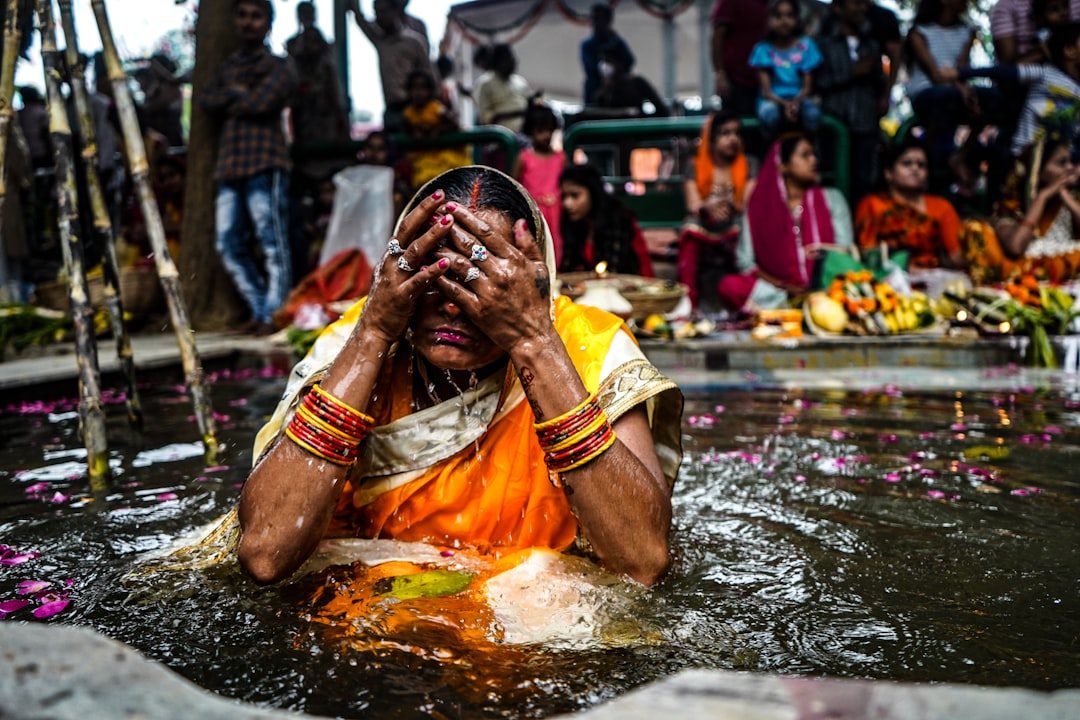
India, a nation characterized by its vast diversity and rich cultural heritage, faces a multitude of challenges that threaten its stability and growth. From natural disasters such as floods and earthquakes to socio-economic disparities and climate change, the need for resilience building has never been more pressing. Resilience building refers to the capacity of individuals, communities, and systems to anticipate, prepare for, respond to, and recover from adverse situations.
In recent years, India has made significant strides in developing frameworks and strategies aimed at enhancing its resilience against various threats. This article delves into the historical context, government initiatives, community efforts, challenges faced, and the role of technology in bolstering resilience in India. The journey towards resilience building in India is not merely a contemporary endeavor; it is rooted in the nation’s historical experiences with adversity.
As India continues to grapple with the impacts of climate change and socio-economic inequalities, understanding the evolution of resilience building efforts becomes crucial for formulating effective responses to future challenges.
Key Takeaways
- India has a rich history and ongoing government initiatives focused on building resilience against various challenges.
- Community involvement plays a crucial role in enhancing resilience at the grassroots level.
- Technology and innovation are key drivers in improving India’s capacity to respond to disasters and climate impacts.
- International partnerships support and strengthen India’s resilience-building programs.
- Addressing climate change and overcoming existing challenges are essential for future resilience strategies in India.
Historical Context of Resilience Building in India
The historical context of resilience building in India can be traced back to ancient times when communities relied on traditional knowledge and practices to withstand natural calamities. The agrarian society of India developed various indigenous methods for disaster management, such as constructing flood-resistant homes and creating water conservation systems. These practices were not only practical but also deeply intertwined with the cultural fabric of local communities.
However, as India transitioned into a modern state post-independence, the focus shifted towards industrialization and urbanization, often at the expense of traditional resilience practices. The 20th century marked a turning point in India’s approach to resilience building, particularly following major disasters such as the 2001 Gujarat earthquake and the 2004 Indian Ocean tsunami. These events highlighted the vulnerabilities within the nation’s infrastructure and emergency response systems.
In response, India began to adopt a more structured approach to disaster management, culminating in the establishment of the National Disaster Management Authority (NDMA) in 2005. This marked a significant shift towards a more proactive stance on resilience building, emphasizing preparedness, mitigation, and recovery.
Government Initiatives and Policies for Resilience Building

The Indian government has recognized the importance of resilience building and has implemented various initiatives and policies aimed at enhancing the nation’s capacity to withstand adversities. The National Policy on Disaster Management, formulated in 2009, serves as a comprehensive framework that outlines strategies for disaster risk reduction and management. This policy emphasizes a multi-hazard approach, integrating disaster risk reduction into development planning at all levels of governance.
In addition to national policies, state governments have also developed localized strategies tailored to their specific vulnerabilities. For instance, states prone to flooding have initiated programs focused on improving drainage systems and creating floodplain management plans. Furthermore, the government has launched schemes such as the Pradhan Mantri Fasal Bima Yojana (PMFBY), which provides crop insurance to farmers, thereby enhancing agricultural resilience against climate-related shocks.
These initiatives reflect a growing recognition of the need for a holistic approach to resilience that encompasses economic, social, and environmental dimensions.
Community-Based Resilience Building Efforts in India
| Community-Based Resilience Effort | Region | Key Activities | Impact Metrics | Implementation Partners |
|---|---|---|---|---|
| Self-Help Groups (SHGs) for Disaster Preparedness | Odisha, West Bengal | Training in early warning systems, emergency response drills, resource pooling | Over 10,000 SHGs trained; 30% reduction in disaster response time | Local NGOs, State Disaster Management Authorities |
| Community Water Management Committees | Rajasthan, Gujarat | Rainwater harvesting, groundwater recharge, water conservation awareness | 15% increase in groundwater levels; 25% reduction in water scarcity incidents | Government Water Boards, Community Leaders |
| Climate-Resilient Agriculture Programs | Punjab, Haryana | Promotion of drought-resistant crops, soil health management, crop diversification | Yield increase by 20%; 40% farmers adopting resilient practices | Agricultural Universities, Farmer Cooperatives |
| Coastal Community Mangrove Restoration | Andhra Pradesh, Tamil Nadu | Mangrove planting, coastal protection training, biodiversity monitoring | Restored 500 hectares of mangroves; 50% reduction in coastal erosion | Environmental NGOs, Coastal Village Councils |
| Community Health Resilience Initiatives | Kerala, Maharashtra | Health education, epidemic preparedness, local health worker training | 30% improvement in community health indicators; faster epidemic response | Public Health Departments, Local Health Committees |
Community-based resilience building efforts play a pivotal role in enhancing local capacities to cope with disasters. Grassroots organizations and local communities have been at the forefront of implementing innovative solutions tailored to their unique contexts. For instance, in coastal regions vulnerable to cyclones, community-led initiatives have focused on constructing cyclone shelters and developing early warning systems that empower residents to respond effectively during emergencies.
Moreover, community engagement fosters social cohesion and collective action, which are essential components of resilience. Programs that promote awareness about disaster preparedness and response have been instrumental in equipping communities with the knowledge and skills needed to navigate crises. The involvement of women in these initiatives has also been noteworthy; women often serve as key agents of change within their communities, leading efforts in disaster preparedness and recovery.
Challenges and Obstacles in Resilience Building in India
Despite significant progress in resilience building efforts, India faces numerous challenges that hinder its ability to effectively respond to disasters. One major obstacle is the lack of adequate infrastructure in many regions, particularly in rural areas where access to basic services is limited. Poor road networks, inadequate healthcare facilities, and insufficient communication systems can exacerbate the impacts of disasters and impede recovery efforts.
Additionally, socio-economic disparities pose a significant challenge to resilience building. Marginalized communities often lack access to resources and information necessary for effective disaster preparedness. The intersectionality of poverty, caste, gender, and other social factors can further complicate resilience efforts.
Addressing these disparities is crucial for ensuring that all segments of society are equipped to withstand adversities.
Role of Technology and Innovation in Resilience Building

Technology plays a transformative role in enhancing resilience building efforts across India. The advent of digital tools and platforms has revolutionized disaster management by improving data collection, analysis, and dissemination. Geographic Information Systems (GIS) are increasingly being used for mapping vulnerable areas and assessing risks associated with natural disasters.
This data-driven approach enables policymakers to make informed decisions regarding resource allocation and emergency response strategies. Moreover, mobile technology has facilitated real-time communication during emergencies. Early warning systems that utilize SMS alerts have proven effective in reaching remote communities with critical information about impending disasters.
Innovations such as drone technology are also being explored for damage assessment and search-and-rescue operations post-disaster. By harnessing technology and innovation, India can enhance its capacity for proactive disaster management and build a more resilient future.
International Collaborations and Partnerships for Resilience Building in India
India’s resilience building efforts are further strengthened through international collaborations and partnerships. The country has engaged with various global organizations such as the United Nations Office for Disaster Risk Reduction (UNDRR) and the World Bank to share best practices and access technical expertise. These partnerships facilitate knowledge exchange and provide financial support for implementing resilience-building projects.
Additionally, regional collaborations within South Asia have emerged as vital platforms for addressing shared vulnerabilities. Initiatives such as the South Asian Association for Regional Cooperation (SAARC) Disaster Management Centre promote cooperation among member states in disaster risk reduction efforts. By fostering regional solidarity and collaboration, India can enhance its resilience-building capacity while contributing to collective security within the region.
Case Studies of Successful Resilience Building Projects in India
Several case studies exemplify successful resilience building projects across India that have made a tangible impact on communities. One notable example is the “Maharashtra Water Conservation Mission,” which focuses on rainwater harvesting and watershed management to combat water scarcity in drought-prone areas. This initiative has empowered local communities to manage their water resources sustainably while enhancing agricultural productivity.
Another inspiring case is the “National Cyclone Risk Mitigation Project,” which aims to strengthen coastal infrastructure through the construction of cyclone shelters and improved early warning systems. This project has significantly reduced vulnerability among coastal populations by providing safe havens during cyclones while ensuring timely communication about impending threats.
The Impact of Climate Change on India’s Resilience Building Efforts
Climate change poses an existential threat to India’s resilience building efforts by exacerbating existing vulnerabilities and introducing new challenges. Rising temperatures, erratic rainfall patterns, and increased frequency of extreme weather events have profound implications for agriculture, water resources, and public health. As climate-related risks intensify, it becomes imperative for India to integrate climate adaptation strategies into its resilience frameworks.
The agricultural sector is particularly susceptible to climate change impacts, with smallholder farmers facing heightened risks due to changing weather patterns. To address these challenges, initiatives promoting climate-resilient agricultural practices are gaining traction. These include promoting drought-resistant crop varieties, sustainable farming techniques, and efficient irrigation methods that can help farmers adapt to changing climatic conditions while ensuring food security.
Future Prospects and Strategies for Resilience Building in India
Looking ahead, India’s resilience building efforts must evolve to address emerging challenges while capitalizing on opportunities for growth. A multi-faceted approach that integrates disaster risk reduction into development planning is essential for creating sustainable communities capable of withstanding future adversities. Strengthening institutional frameworks at both national and local levels will be crucial for effective coordination among stakeholders involved in resilience building.
Furthermore, fostering public-private partnerships can enhance resource mobilization for resilience projects while leveraging innovative solutions from the private sector. Engaging youth through education and awareness programs will also play a vital role in cultivating a culture of preparedness within communities. By prioritizing inclusivity and sustainability in its resilience strategies, India can build a more robust foundation for future generations.
Conclusion and Recommendations for Strengthening Resilience Building Efforts in India
In conclusion, India’s journey towards resilience building is marked by significant achievements as well as formidable challenges. While government initiatives and community-based efforts have laid a strong foundation for enhancing resilience against disasters, ongoing commitment is required to address socio-economic disparities and climate change impacts effectively. To strengthen resilience building efforts further, it is recommended that India prioritize inclusive policies that empower marginalized communities while fostering collaboration among various stakeholders.
Investing in education and awareness programs will equip individuals with the knowledge needed to respond effectively during crises. Additionally, leveraging technology for data-driven decision-making can enhance preparedness measures while facilitating timely responses during emergencies.
India is making significant strides in building resilience against various challenges, as highlighted in a recent article. The country’s efforts to enhance its infrastructure and community preparedness are crucial in the face of climate change and other adversities. For more insights on this topic, you can read the article [here](https://www.realloreandorder.com/).
WATCH THIS! Why The West Is Losing Its Best Minds
FAQs
What does building resilience mean in the context of India?
Building resilience in India refers to strengthening the country’s ability to withstand and recover from various challenges such as natural disasters, economic shocks, climate change, and public health crises. It involves enhancing infrastructure, governance, social systems, and community preparedness.
What are the key areas where India is focusing to build resilience?
India is focusing on several key areas including disaster management, climate change adaptation, economic diversification, healthcare system strengthening, digital infrastructure development, and social welfare programs to support vulnerable populations.
How is India addressing climate change to build resilience?
India is implementing policies to reduce carbon emissions, promoting renewable energy sources like solar and wind, enhancing water conservation efforts, and developing climate-resilient agriculture practices to mitigate the impacts of climate change.
What role does technology play in India’s resilience-building efforts?
Technology plays a crucial role by improving early warning systems for disasters, enabling digital healthcare services, supporting remote education, enhancing data collection and analysis for better decision-making, and facilitating efficient delivery of government services.
How is India improving its disaster management capabilities?
India has established institutions like the National Disaster Management Authority (NDMA), developed comprehensive disaster response plans, invested in training and capacity building, and enhanced coordination among central, state, and local agencies to improve disaster preparedness and response.
What initiatives has India taken to strengthen its healthcare system?
India has increased healthcare funding, expanded access to primary healthcare, launched vaccination drives, improved disease surveillance systems, and promoted telemedicine to build a more resilient healthcare infrastructure.
How does economic diversification contribute to India’s resilience?
Economic diversification reduces dependency on a single sector, spreads risk, creates new employment opportunities, and enhances the economy’s ability to absorb shocks from global or domestic disruptions.
What social programs support resilience in India?
Programs like the Mahatma Gandhi National Rural Employment Guarantee Act (MGNREGA), Public Distribution System (PDS), and various health and education schemes help protect vulnerable populations and build social safety nets.
How is community participation encouraged in building resilience?
India promotes community participation through awareness campaigns, local disaster preparedness training, involvement in planning and decision-making processes, and support for grassroots organizations to ensure inclusive and effective resilience strategies.
What challenges does India face in building resilience?
Challenges include vast geographic and demographic diversity, resource constraints, urbanization pressures, climate vulnerability, and the need for coordinated action across multiple sectors and levels of government.