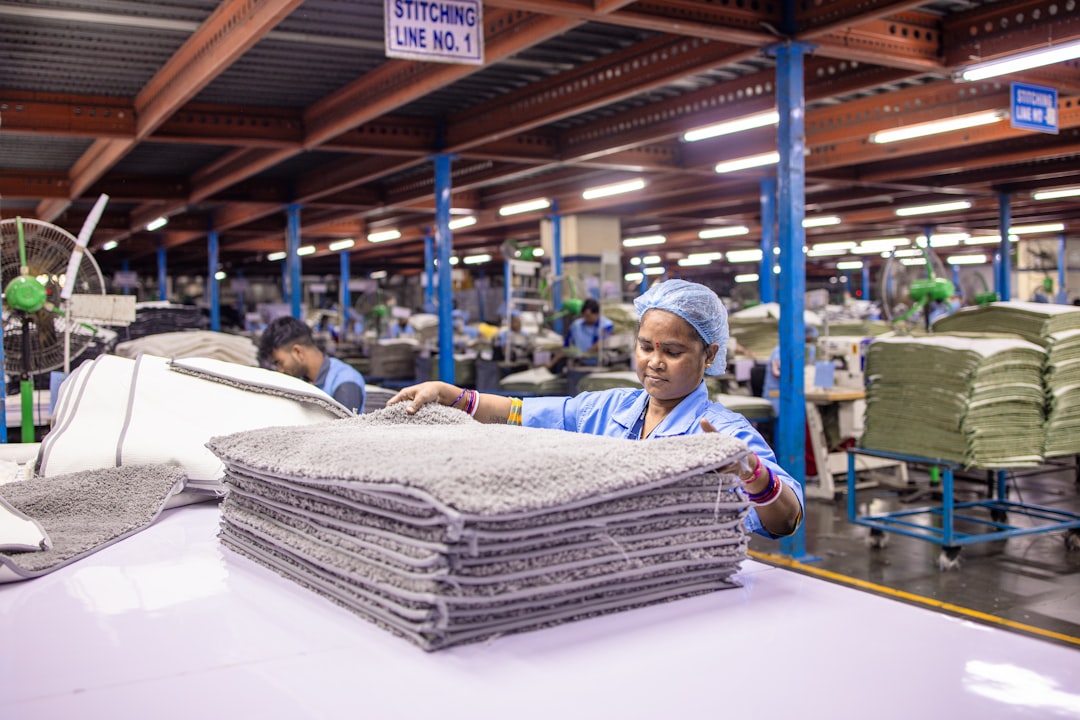
In the rapidly evolving landscape of global commerce, the significance of a clean supply chain has become increasingly paramount, particularly in a diverse and populous nation like India. A clean supply chain refers to the processes and practices that ensure products are sourced, manufactured, and delivered in an environmentally responsible and ethically sound manner. This concept is not merely a trend; it is a necessity for businesses aiming to thrive in a competitive market.
Moreover, a clean supply chain is essential for mitigating risks associated with environmental degradation and social injustices. In a country where pollution and labor exploitation have been pressing issues, businesses that adopt clean supply chain practices can significantly contribute to societal well-being.
By ensuring that their operations do not harm the environment or exploit workers, companies can foster trust and loyalty among consumers, thereby enhancing their brand reputation. This commitment to ethical practices not only benefits individual businesses but also contributes to the overall health of the economy and society.
Key Takeaways
- Clean supply chains are crucial for India’s sustainable economic growth and environmental protection.
- India is actively committed to sustainable practices through government policies and initiatives.
- Implementing clean supply chains offers Indian businesses competitive advantages and enhances global reputation.
- Technology and collaboration play key roles in improving supply chain transparency and efficiency.
- Despite challenges, opportunities exist for India to lead in clean supply chain innovation and sustainability.
India’s Commitment to Sustainable Practices
India’s commitment to sustainable practices is evident in its policies and initiatives aimed at promoting environmental stewardship and social responsibility. The government has recognized the importance of sustainability in achieving long-term economic growth and has taken steps to integrate these principles into various sectors. For instance, the National Action Plan on Climate Change outlines strategies for reducing carbon emissions and promoting renewable energy sources.
Such initiatives reflect India’s dedication to creating a sustainable future while addressing the pressing challenges posed by climate change. In addition to governmental efforts, numerous Indian businesses are embracing sustainable practices as part of their corporate social responsibility (CSR) strategies. Many companies are investing in eco-friendly technologies, waste reduction programs, and sustainable sourcing methods.
This shift towards sustainability is not only beneficial for the environment but also aligns with global trends that favor responsible consumption. As Indian businesses adopt these practices, they position themselves as leaders in sustainability, attracting both domestic and international customers who prioritize ethical consumption.
Advantages of a Clean Supply Chain for Indian Businesses
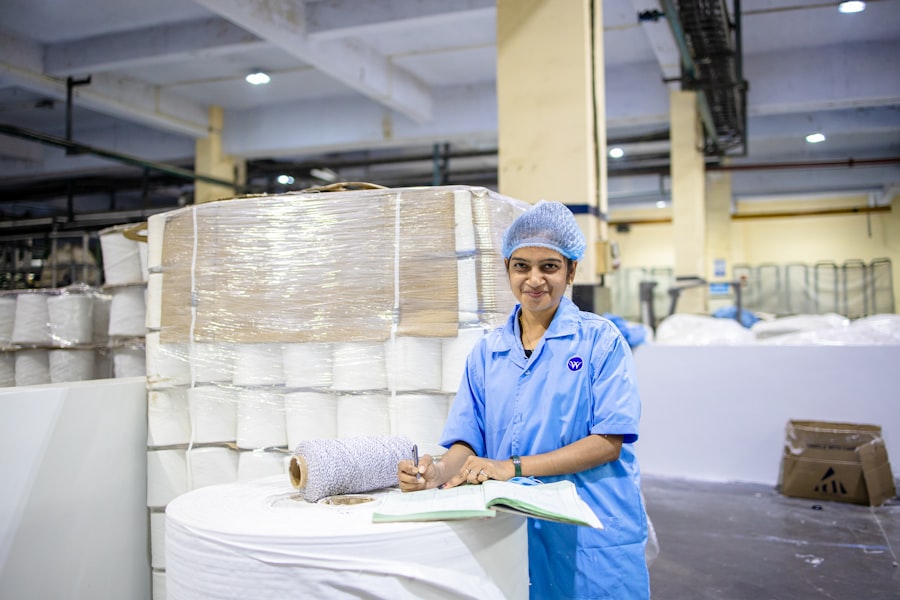
The advantages of maintaining a clean supply chain are manifold for Indian businesses. Firstly, companies that prioritize sustainability often experience enhanced operational efficiency. By streamlining processes and reducing waste, businesses can lower costs and improve their bottom line.
For instance, implementing energy-efficient technologies can lead to significant savings on utility bills, while optimizing logistics can reduce transportation costs. These efficiencies not only benefit the company financially but also contribute to a reduced environmental footprint. Furthermore, a clean supply chain can serve as a powerful marketing tool.
In an era where consumers are increasingly aware of environmental issues, businesses that demonstrate a commitment to sustainability can differentiate themselves from competitors. This differentiation can lead to increased customer loyalty and brand advocacy, as consumers are more likely to support companies that align with their values. Additionally, a clean supply chain can open up new market opportunities, particularly in regions where sustainability is prioritized, allowing Indian businesses to expand their reach and influence.
How a Clean Supply Chain Enhances India’s Global Reputation
| Metric | Description | Impact on India’s Global Reputation | Example/Statistic |
|---|---|---|---|
| Carbon Emission Reduction | Lower greenhouse gas emissions through sustainable logistics and manufacturing | Positions India as an environmentally responsible trade partner | 15% reduction in supply chain emissions over 5 years |
| Waste Management Efficiency | Improved recycling and waste disposal in supply chain operations | Enhances India’s image as a country committed to circular economy principles | 30% increase in waste recycled by supply chain companies |
| Compliance with International Standards | Adherence to global environmental and labor standards | Builds trust with global partners and investors | 80% of exporters certified with ISO 14001 |
| Supply Chain Transparency | Use of technology to track and report supply chain practices | Improves credibility and reduces risk of unethical practices | 70% of companies using blockchain for supply chain tracking |
| Energy Efficiency | Adoption of renewable energy and energy-saving technologies | Demonstrates commitment to sustainable development goals | 25% of supply chain energy sourced from renewables |
| Social Responsibility Initiatives | Fair labor practices and community engagement in supply chain | Enhances India’s reputation for ethical business practices | 50% increase in fair trade certified suppliers |
A clean supply chain significantly enhances India’s global reputation as a responsible player in the international market. As countries around the world grapple with environmental challenges and social inequalities, India’s commitment to sustainable practices positions it favorably on the global stage. By adopting clean supply chain practices, Indian businesses can showcase their dedication to ethical production and environmental stewardship, thereby attracting foreign investment and partnerships.
Moreover, India’s reputation as a hub for sustainable manufacturing can lead to increased trade opportunities. Countries that prioritize sustainability are more likely to engage with partners who share similar values. As Indian companies demonstrate their commitment to clean supply chains, they can forge stronger relationships with international clients and stakeholders who prioritize ethical sourcing.
This enhanced reputation not only benefits individual businesses but also elevates India’s standing as a leader in sustainable development.
Challenges and Opportunities in Implementing a Clean Supply Chain in India
While the benefits of a clean supply chain are clear, implementing such practices in India is not without its challenges. One significant hurdle is the lack of awareness and understanding of sustainable practices among many businesses, particularly small and medium-sized enterprises (SMEs). These companies often lack the resources or knowledge needed to transition to cleaner operations, which can hinder their competitiveness in an increasingly sustainability-focused market.
However, these challenges also present opportunities for growth and innovation. As awareness of sustainability increases, there is a growing demand for training programs and resources that can help businesses adopt cleaner practices. Organizations and NGOs are stepping up to provide support and guidance to SMEs, helping them navigate the complexities of sustainable supply chains.
By investing in education and resources, India can empower its businesses to embrace sustainability, ultimately leading to a more robust economy.
Government Initiatives and Policies Supporting Clean Supply Chains in India
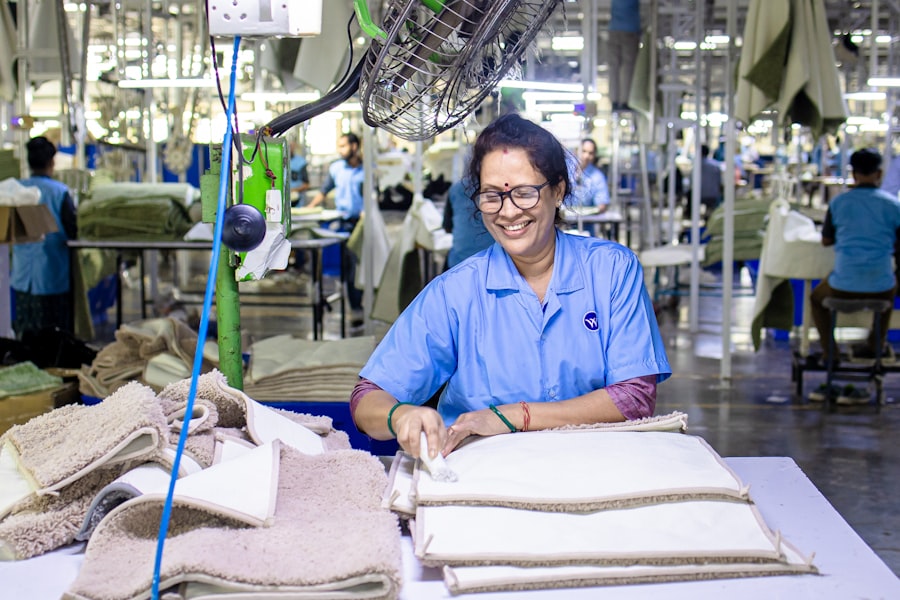
The Indian government has recognized the critical role it plays in fostering clean supply chains through various initiatives and policies. Programs such as the Make in India initiative aim to promote sustainable manufacturing practices by encouraging companies to adopt environmentally friendly technologies and processes. Additionally, the government has introduced regulations that mandate transparency in supply chains, compelling businesses to disclose their sourcing practices and environmental impact.
Furthermore, financial incentives are being offered to companies that invest in sustainable practices. Subsidies for renewable energy projects and grants for research into eco-friendly technologies are just a few examples of how the government is supporting businesses in their transition towards cleaner operations. By creating an enabling environment for sustainability, the government is not only promoting responsible business practices but also driving economic growth through innovation.
The Role of Technology in Improving Supply Chain Transparency and Efficiency in India
Technology plays a pivotal role in enhancing supply chain transparency and efficiency in India. Advanced technologies such as blockchain, artificial intelligence (AI), and the Internet of Things (IoT) are revolutionizing how businesses manage their supply chains. Blockchain technology, for instance, allows for secure and transparent tracking of products from source to consumer, ensuring that ethical sourcing practices are upheld.
AI-driven analytics can optimize logistics by predicting demand patterns and identifying inefficiencies within the supply chain.
Additionally, IoT devices can monitor environmental conditions throughout the supply chain, ensuring compliance with sustainability standards.
By leveraging these technologies, Indian businesses can create more transparent and efficient supply chains that align with global sustainability goals.
Case Studies of Indian Companies Successfully Implementing Clean Supply Chains
Several Indian companies have emerged as pioneers in implementing clean supply chains, setting benchmarks for others to follow. One notable example is Tata Group, which has integrated sustainability into its core business strategy across various sectors. Tata’s commitment to reducing its carbon footprint through renewable energy initiatives and responsible sourcing has earned it recognition both domestically and internationally.
Another exemplary case is ITC Limited, which has adopted a holistic approach to sustainability by focusing on water conservation, waste management, and sustainable agriculture practices within its supply chain. ITC’s initiatives not only benefit the environment but also enhance the livelihoods of farmers through fair trade practices. These case studies illustrate that successful implementation of clean supply chains is not only possible but can also lead to significant business advantages.
The Economic and Environmental Benefits of a Clean Supply Chain in India
The economic benefits of a clean supply chain extend beyond individual businesses; they contribute to national economic growth as well. By adopting sustainable practices, companies can reduce operational costs through improved efficiency and waste reduction. This cost savings can be reinvested into innovation or expansion efforts, driving further economic development.
Environmentally, clean supply chains play a crucial role in mitigating climate change impacts and preserving natural resources. By minimizing waste and reducing carbon emissions, businesses contribute to healthier ecosystems and communities. This dual benefit—economic growth coupled with environmental protection—positions India as a leader in sustainable development on the global stage.
Collaboration and Partnerships for Advancing Clean Supply Chains in India
Collaboration among various stakeholders is essential for advancing clean supply chains in India. Businesses must work together with government agencies, NGOs, and academic institutions to share knowledge and resources that promote sustainability. Public-private partnerships can facilitate the development of innovative solutions that address common challenges faced by industries striving for cleaner operations.
Additionally, collaboration with international organizations can provide Indian companies with access to best practices and technologies that enhance their sustainability efforts. By fostering an ecosystem of collaboration, India can accelerate its transition towards cleaner supply chains while positioning itself as a global leader in sustainable business practices.
Future Outlook for India’s Clean Supply Chain Advantage
The future outlook for India’s clean supply chain advantage appears promising as awareness of sustainability continues to grow among consumers and businesses alike. With increasing pressure from global markets for ethical sourcing and environmentally friendly practices, Indian companies are likely to prioritize clean supply chains as a strategic imperative rather than an optional add-on. As technology continues to evolve, it will further enhance transparency and efficiency within supply chains, making it easier for businesses to adopt sustainable practices.
The ongoing support from the government through policies and incentives will also play a crucial role in driving this transformation. Ultimately, India’s commitment to clean supply chains will not only benefit individual businesses but will also contribute significantly to the nation’s economic resilience and environmental sustainability in the years to come.
India’s clean supply chain advantage is increasingly recognized as a pivotal factor in enhancing the country’s competitiveness in the global market. A related article that delves deeper into this topic can be found at Real Lore and Order, where the implications of sustainable practices in supply chains are explored in detail. This article highlights how India’s commitment to clean energy and sustainable sourcing can lead to significant economic benefits and environmental improvements.
WATCH THIS! Why The West Is Losing Its Best Minds
FAQs
What is meant by India’s clean supply chain advantage?
India’s clean supply chain advantage refers to the country’s ability to develop and maintain supply chains that prioritize sustainability, environmental responsibility, and reduced carbon emissions. This advantage stems from India’s focus on green technologies, renewable energy integration, and efficient logistics practices.
Why is India considered to have a clean supply chain advantage?
India is considered to have a clean supply chain advantage due to its investments in renewable energy, government policies promoting sustainable manufacturing, and the adoption of eco-friendly practices across various industries. Additionally, India’s large labor force and growing infrastructure support the development of efficient and environmentally conscious supply chains.
How does India’s clean supply chain impact global businesses?
India’s clean supply chain offers global businesses an opportunity to reduce their carbon footprint by sourcing products and materials from environmentally responsible suppliers. It also helps companies meet international sustainability standards and consumer demand for green products, enhancing their brand reputation and compliance with regulations.
What role do government policies play in India’s clean supply chain advantage?
Government policies in India, such as incentives for renewable energy adoption, stricter environmental regulations, and support for green manufacturing practices, play a crucial role in fostering a clean supply chain. These policies encourage businesses to implement sustainable practices and invest in clean technologies.
Which industries in India are leading the clean supply chain initiatives?
Industries such as automotive, textiles, electronics, and pharmaceuticals in India are leading clean supply chain initiatives. These sectors are adopting energy-efficient manufacturing processes, using sustainable materials, and optimizing logistics to reduce environmental impact.
How does renewable energy contribute to India’s clean supply chain?
Renewable energy sources like solar and wind power reduce reliance on fossil fuels in manufacturing and logistics operations. India’s growing renewable energy capacity helps supply chains lower greenhouse gas emissions and operate more sustainably.
What challenges does India face in maintaining its clean supply chain advantage?
Challenges include infrastructure limitations, the need for greater technological adoption, balancing economic growth with environmental goals, and ensuring compliance across diverse industries. Addressing these challenges is essential for sustaining and enhancing India’s clean supply chain advantage.
How can companies leverage India’s clean supply chain advantage?
Companies can leverage India’s clean supply chain advantage by partnering with local suppliers committed to sustainability, investing in green technologies, and aligning their operations with India’s environmental standards. This approach can improve supply chain resilience and meet global sustainability expectations.