The whisper of the sea, carried on the wind, often speaks of ancient mariners and the vibrant life that once teemed beneath the waves. But for archaeologists, these whispers can also lead to tangible remnants of forgotten civilizations, particularly when those remnants are encased in the iridescent shells of the Murex. The study of Murex shell archaeology is a fascinating, albeit niche, field that delves into the multifaceted roles these mollusks played in the past, revealing insights into trade, technology, artistry, and even religious practices of ancient societies. From the production of legendary purple dyes to their use as currency and ritual objects, Murex shells offer a unique window into the lives of our ancestors.
The Murex, a genus of predatory marine gastropod mollusks, is instantly recognizable by its spiky, elaborately sculpted shell. Found primarily in warmer seas, these creatures have captivated humanity for millennia, not for their culinary value, but for the extraordinary pigment they yield: Tyrian purple. This vibrant, incredibly colorfast dye was once more valuable than gold, adorning the robes of emperors, senators, and the elite, signifying power, wealth, and status. The discovery and exploitation of this natural wonder represent a significant technological achievement for ancient peoples, requiring intricate knowledge of the mollusk’s anatomy and the complex chemical processes involved in dye extraction.
The Birth of Tyrian Purple: A Chemical Marvel
The secret to Tyrian purple lies within the hypobranchial gland of specific Murex species, most notably Bolinus brandaris (formerly Murex brandaris) and Hexaplex trunculus. These glands contain a colorless precursor fluid that, when exposed to sunlight and air, undergoes a series of photochemical reactions, transforming into a brilliant and enduring purple hue. The process was far from simple. Ancient Phoenicians, renowned for their mastery of this craft, developed sophisticated methods for harvesting the mollusks, extracting the gland, and processing the secretion.
Harvesting the Source: The Perilous Pursuit of Purple
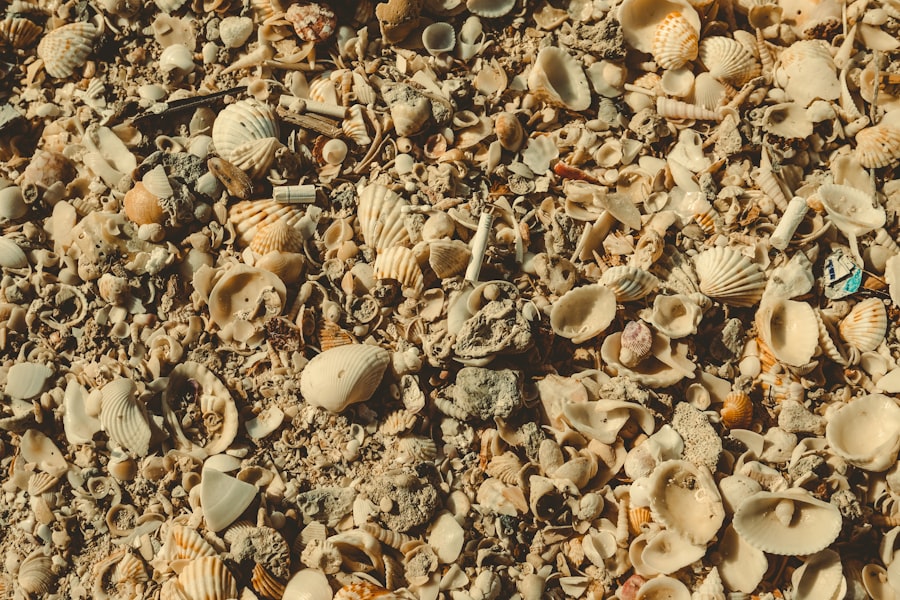
The harvesting of Murex shells was a labor-intensive and often dangerous undertaking. Fishermen had to venture into the open sea, using nets and traps to collect the mollusks. The sheer scale of production required to meet the demand for Tyrian purple meant that vast quantities of Murex were harvested over centuries, leading to significant archaeological evidence of these operations. Middens, or refuse heaps, filled with discarded Murex shells, often bear witness to the industrial-scale processing that occurred in ancient coastal settlements. Archaeologists meticulously excavate these sites, sifting through the shells to understand the methods of collection, the species targeted, and the geographical extent of their exploitation.
The Art of Extraction: From Gland to Dye
Once harvested, the Murex snails were typically crushed or macerated to access the hypobranchial gland. The process of extracting the dye was a closely guarded secret, passed down through generations. It involved careful crushing of the snails and then steeping them in vats, often using brine. The subsequent exposure to sunlight catalyzed the color change. This process was not instantaneous; it involved days or even weeks of careful manipulation and exposure to the elements. The precise techniques, including the use of specific vats, temperatures, and exposure times, were refined over centuries, leading to variations in the shade and intensity of the purple. Archaeological evidence, such as the presence of specialized vats and residue analysis of ancient pottery shards, can provide clues about these extraction methods.
The Chemistry of Color: Unraveling Ancient Techniques
Modern scientific analysis has shed light on the intricate chemistry behind Tyrian purple. The primary compound responsible for the color is dibromoindigo, a halogenated derivative of indigo. The specific shade of purple – ranging from deep crimson to a more bluish violet – depended on the species of Murex used, the geographical location of the harvest, and the precise extraction and dyeing techniques employed. By analyzing the chemical composition of ancient textile fragments or residues found in archaeological contexts, scientists can identify the presence of Tyrian purple and even determine its specific origin. This has allowed archaeologists to trace ancient trade routes and understand the economic significance of the purple dye industry.
Beyond the Dye: Murex Shells as Currency and Prestige Items
While the allure of Tyrian purple is undeniable, Murex shells held a broader significance in ancient societies. Their inherent beauty, unique shapes, and the labor involved in their acquisition and processing also rendered them valuable in other ways. They served as a form of currency, a symbol of wealth and status, and even as objects of religious veneration.
The Shell as Coin: A Medium of Exchange
In some ancient societies, particularly in regions where Murex shells were abundant, they were used as a form of currency. The shells themselves, or fragments thereof, were exchanged for goods and services. This practice is particularly evident in some African cultures and has been documented in historical accounts. The standardization of shell sizes and the perceived value attributed to them facilitated their use as a medium of exchange. Archaeological excavations can reveal the presence of large caches of Murex shells in contexts associated with trade and economic activity, providing evidence for their use as currency.
Adornment and Status: A Symbol of Power
The distinctive beauty of Murex shells made them highly sought after for personal adornment. They were fashioned into jewelry, amulets, and decorative objects, worn by individuals of high social standing. The association with the opulent purple dye further enhanced their prestige. Elaborate carvings and intricate designs on Murex shells found in burials of elites suggest their role in signifying power, authority, and social hierarchy. Archaeologists meticulously document these finds, analyzing the craftsmanship and the context in which they are discovered to understand their social and symbolic meanings.
Sacred Vessels and Ritual Offerings: Connecting to the Divine
In some ancient cultures, Murex shells were believed to possess spiritual or magical properties, making them important components of religious rituals and ceremonies. They might have been used as containers for sacred substances, as offerings to deities, or as symbols representing certain gods or concepts. The discovery of Murex shells in temple precincts, tombs, or other ritualistic sites provides insights into their sacred significance. Interpretations are often drawn from surviving textual evidence, comparative mythology, and the symbolic associations of the sea and its inhabitants in different cultures.
The study of murex shell archaeology has revealed fascinating insights into ancient trade practices and cultural exchanges in coastal communities. For a deeper understanding of how these shells were utilized and their significance in historical contexts, you can explore a related article that discusses the intriguing connections between natural resources and human activities. Check out this article for more information: Glacier Mystery: The Mirror’s Reflection.
Archaeological Excavations: Unearthing the Murex Legacy
The study of Murex shell archaeology relies heavily on meticulous excavation and the analysis of material evidence. Coastal sites, ancient ports, and industrial areas associated with dye production are prime locations for uncovering these treasures. The discovery of Murex shells in these contexts, along with associated artifacts and environmental data, paints a vivid picture of ancient Murex exploitation and utilization.
Site Selection: Where the Past Meets the Sea
Archaeologists employ a combination of historical research, geographical surveys, and knowledge of Murex habitats to identify potential excavation sites. Ancient coastal cities, well-known for their involvement in the purple dye trade, such as Tyre and Sidon in Phoenicia, are obvious targets. However, Murex shells have also been found in more unexpected locations, indicating wider trade networks and the movement of these valuable commodities across vast distances. The presence of shell middens, characterized by large accumulations of discarded shells, is a strong indicator of past Murex processing activities.
Coastal Settlements: Hubs of the Purple Industry
Ancient coastal settlements often reveal extensive evidence of Murex shell exploitation. These sites frequently contain large shell middens, indicating the disposal of vast quantities of shells after processing. Within these middens, archaeologists can find fragments of Murex shells, along with tools used for their extraction and processing, such as hammers, chisels, and crushing stones. The distribution and density of these shells can help archaeologists delineate the areas where dye production took place and estimate the scale of the operation.
Roman Ports and Industrial Zones: The Scale of Empire
During the Roman period, the demand for Tyrian purple reached unprecedented levels. Roman ports and industrial areas associated with textile production often yield significant quantities of Murex shells. These sites can reveal large-scale processing facilities, including vats, dyeing pits, and workshops. The presence of Murex shells in these contexts provides tangible evidence of the industrialization of purple dye production and its integration into the Roman economy.
Trade Routes and Shipwrecks: Connecting Distant Lands
The discovery of Murex shells in inland sites or as part of shipwreck cargoes demonstrates the extensive trade networks that existed in the ancient world. These findings indicate that Murex shells, and the valuable dye they produced, were transported across significant distances, connecting producers with consumers in diverse regions. Analyzing the provenance of Murex shells through isotopic analysis can help trace their origins and map ancient trade routes, revealing the interconnectedness of ancient economies.
Excavation Techniques: Revealing Hidden Stories
The excavation of sites containing Murex shells requires careful methodology to preserve delicate artifacts and extract maximum information. Stratigraphy, the study of soil layers, is crucial for dating the shell deposits and understanding their relationship with other archaeological features.
Stratigraphy and Dating: Placing Shells in Time
Archaeologists meticulously record the stratigraphic layers in which Murex shells are found. Each layer represents a distinct period of deposition, allowing for the chronological ordering of artifacts. Radiocarbon dating of organic materials found within the same layers, or direct dating of the shells themselves (though this can be challenging due to potential contamination), helps establish absolute dates for the Murex exploitation and processing activities. This dating is vital for understanding the historical development of the purple dye industry and its associated technologies.
Artifact Association: Context is Key
The association of Murex shells with other artifacts is paramount for interpretation. Tools used for processing, pottery fragments from dyeing vats, textile remnants, and even human remains found in close proximity provide crucial context. For example, finding Murex shells alongside textile fragments with traces of purple dye strongly suggests a direct link to the dyeing industry. The careful documentation and analysis of these associations allow archaeologists to reconstruct the activities that took place at a site and the roles Murex shells played within them.
Environmental Archaeology: Reconstructing the Past Ecosystem
Environmental archaeology plays a vital role in understanding the conditions under which Murex were harvested. The analysis of fossilized mollusks, sediment samples, and other environmental indicators can help reconstruct the ancient marine environment, providing insights into the biodiversity of the time and the potential impact of overharvesting on Murex populations. This information is crucial for understanding the sustainability of ancient Murex exploitation and the ecological consequences of their widespread use.
Technological Innovations: The Ingenuity of Ancient Dye Makers
The production of Tyrian purple was not a simple matter of collecting shells; it involved significant technological innovation and accumulated knowledge. The development of specialized tools, techniques for extraction, and methods for achieving consistent color shades speaks volumes about the ingenuity of ancient artisans and industrialists.
Tools of the Trade: Shaping the Shell and the Dye
Archaeological excavations often reveal a suite of tools specifically designed for working with Murex shells. These tools, often made of stone, bone, or metal, demonstrate the practical knowledge that ancient peoples possessed regarding the properties of these shells.
Specialized Tools for Harvesting and Processing
Evidence from archaeological sites points to the use of specialized tools for Murex harvesting and processing. These could include nets with specific mesh sizes, weighted lines, and tools for prying shells open or crushing them. Inscriptions and artwork from the ancient world sometimes depict these activities, offering visual clues about the methods employed. The discovery of these tools alongside Murex shell deposits is a direct indicator of their use in the Murex industry.
The Art of Maceration and Extraction
The process of macerating the Murex and extracting the hypobranchial gland was a delicate art. Archaeological evidence, such as the presence of specific types of vats or containers, can offer insights into these processes. Residue analysis of these containers can reveal chemical traces of the glandular secretions and the substances used in the extraction process, such as salt water. The consistency of these findings across different sites suggests a standardized approach to extraction.
Dyeing Techniques: Achieving Colorfast Perfection
The ability to produce a dye that was not only vibrant but also incredibly colorfast was a hallmark of ancient textile production. The development of effective dyeing techniques was as crucial as the extraction of the pigment itself.
The Murex Vat: A Specialized Industrial Component
The presence of large, specialized vats, often made of stone or concrete, at ancient sites is a strong indicator of industrial-scale dyeing operations. These vats were likely used to hold the Murex secretions and other mordants or fixing agents. Analysis of the residues within these vats can reveal the chemical composition of the dye baths and the processes involved in achieving the desired color.
Mordants and Fixatives: Enhancing Durability
Modern scientific analysis has revealed that ancient dyers likely employed mordants and fixatives to enhance the colorfastness and brilliance of Tyrian purple. These substances, often metallic salts or natural tannins, helped to bind the dye to the fabric, preventing fading and ensuring its longevity. The identification of these compounds in ancient textile samples or residues from dyeing vats provides valuable information about the sophisticated chemical knowledge of ancient textile producers.
Achieving Specific Shades: The Alchemist’s Touch
The ability to produce a range of purple hues, from deep crimson to violet, suggests a sophisticated understanding of chemical reactions and the manipulation of the dye’s composition. Variations in the concentration of bromine, the species of Murex used, and the presence of other organic compounds could all influence the final color. Archaeologists and chemists work collaboratively to unravel these complexities, often through the analysis of ancient textile fragments that still retain their color.
Murex Shells in Ancient Art and Iconography: More Than Just Dye

Beyond their practical applications, Murex shells held a significant place in the visual culture of ancient societies. They were depicted in art, incorporated into decorative motifs, and used in religious iconography, reflecting their symbolic importance and widespread recognition.
Artistic Representations: Capturing the Shell’s Essence
Murex shells frequently appear in ancient art, from pottery paintings to relief sculptures. These depictions offer valuable insights into how these shells were perceived and utilized by different cultures.
Ceramic Decorations: Everyday Encounters with the Murex
Murex shells are often found as decorative motifs on ancient pottery. These images can range from stylized representations of the shells themselves to more elaborate scenes depicting their harvesting or processing. The recurrence of these motifs on everyday objects suggests their familiarity and significance in daily life. The style of depiction can also offer clues about regional artistic traditions and the evolution of Murex imagery.
Sculptural Embellishments: Prestige and Symbolism
In more monumental art forms, such as sculptures and architectural friezes, Murex shells can be incorporated as decorative elements or as symbolic representations. Their presence in such contexts often underscores their association with wealth, power, and status. For instance, depictions of imperial regalia might include Murex shells or purple fabrics, reinforcing their connection to the ruling elite.
Religious and Mythological Significance: Connecting to the Divine
The association of the sea with the divine, and the vibrant, almost otherworldly color of Tyrian purple, likely contributed to the Murex shell’s religious and mythological significance in certain cultures.
Offerings to Sea Deities: Appeasing the Ocean’s Power
In coastal communities, it is plausible that Murex shells were offered to sea deities as a way of appeasing their power or seeking their favor. The abundance of Murex in the sea might have led to them being seen as gifts from the ocean itself. Archaeological evidence from temple sites or ritualistic deposits can sometimes shed light on these practices.
Symbolism in Mythology: Navigating the Depths of Meaning
While specific mythological narratives directly centered on Murex shells might be scarce, their association with the sea and the color purple likely imbued them with symbolic meaning within broader mythological frameworks. The sea itself often represents the unknown, the mysterious, and the source of life, and the Murex, as a creature of this realm, could have inherited some of these associations.
Recent studies in murex shell archaeology have revealed fascinating insights into ancient trade practices and cultural exchanges in coastal communities. The use of murex shells for dye production not only highlights the technological advancements of the time but also underscores the social dynamics that shaped these societies. For a deeper understanding of how technology influenced the development and eventual decline of civilizations, you might find this article on the role of technology in societal changes particularly enlightening. You can read it here.
Modern Archaeology’s Contribution: Deciphering Ancient Secrets
| Artifact | Location | Date |
|---|---|---|
| Shell tools | Caves in South Africa | 75,000 years ago |
| Shell jewelry | Blombos Cave, South Africa | 75,000 years ago |
| Shell middens | Coastal areas worldwide | Varies by location |
Modern archaeological techniques and scientific analysis have revolutionized our understanding of Murex shell archaeology. From advanced dating methods to sophisticated chemical analysis, these tools allow us to extract more detailed information from the archaeological record.
Advanced Scientific Analysis: Unlocking Chemical Clues
The application of modern scientific techniques has been instrumental in deciphering the complexities of Murex shell archaeology. These methods allow for precise analysis of materials, providing insights that were previously unattainable.
Isotopic Analysis: Tracing Origins and Trade
Isotopic analysis, particularly of the strontium and oxygen isotopes within Murex shells, can reveal their geographical origin. By comparing the isotopic signatures of shells found at different sites with known Murex habitats, archaeologists can reconstruct ancient trade routes and understand the movement of these valuable commodities across vast distances. This technique has been crucial in confirming the widespread reach of the Tyrian purple trade.
Chemical Residue Analysis: Reconstructing Processes
Sophisticated chemical techniques, such as Gas Chromatography-Mass Spectrometry (GC-MS) and High-Performance Liquid Chromatography (HPLC), are used to analyze residues found on Murex shells and in associated artifacts. These analyses can identify the chemical compounds present, including residual dyes, processing agents, and even trace organic materials, providing detailed information about the methods used for dye extraction and textile production.
DNA Analysis: Understanding Species and Evolution
In certain circumstances, where well-preserved organic material is available, ancient DNA analysis could potentially be used to identify the specific species of Murex harvested and to study their evolutionary relationships. This could provide further insights into the historical distribution and utilization of different Murex species.
Digital Archaeology and Reconstruction: Visualizing the Past
The use of digital technologies is also transforming Murex shell archaeology. 3D scanning and modeling allow for detailed digital reconstructions of Murex shells and associated artifacts, aiding in their analysis and presentation.
3D Scanning and Modeling: Preserving and Visualizing Finds
3D scanning technology allows for the creation of highly detailed digital models of Murex shells and other archaeological finds. These models can be used for precise measurement, comparative analysis, and virtual reconstruction of artifacts, even those that are fragmented or fragile. This also facilitates wider dissemination of research through online repositories.
Virtual Reconstruction of Processing Sites: Immersive Insights
Digital visualization tools can be used to create virtual reconstructions of ancient Murex processing sites. By integrating archaeological data with historical and environmental information, these reconstructions can offer immersive experiences that help researchers and the public visualize the scale and complexity of ancient Murex exploitation and dye production.
The study of Murex shell archaeology continues to evolve, offering a rich tapestry of information about the ingenuity, artistry, and economic systems of ancient civilizations. Each spiky shell, unearthed from the sands of time, holds within it a story waiting to be deciphered, a testament to the enduring human fascination with the treasures of the sea. As new technologies emerge and analytical methods become more sophisticated, the secrets held within these ancient shells will undoubtedly continue to be revealed, further illuminating our understanding of the past.

The Color That Took Thousands of Snails to Make
FAQs
What is a murex shell?
A murex shell is a type of sea snail that has been historically used for producing a purple dye. These shells have been highly valued for their dye-producing capabilities and have been an important part of ancient trade and economy.
What is murex shell archaeology?
Murex shell archaeology is the study of murex shells and their significance in ancient cultures. This field of archaeology focuses on understanding the use of murex shells for dye production, trade, and their cultural and economic importance in ancient societies.
Where have murex shells been found in archaeological sites?
Murex shells have been found in various archaeological sites around the Mediterranean region, particularly in areas where ancient dye production and trade were prominent. These include sites in modern-day Lebanon, Israel, and Greece, among others.
What can the study of murex shells tell us about ancient societies?
The study of murex shells can provide insights into ancient economies, trade networks, and cultural practices. It can also shed light on the use of dyes in ancient textiles, as well as the social and economic significance of certain colors, such as the prestigious purple dye produced from murex shells.
Why are murex shells important in archaeology?
Murex shells are important in archaeology because they offer valuable information about ancient trade, economy, and cultural practices. The study of murex shells can help archaeologists and historians better understand the complexities of ancient societies and their interactions with the natural environment.