Unearthing the Past: A Fascinating Archaeology Documentary
The flickering screen of the television cast a pale glow across the darkened living room, illuminating the rapt faces of viewers. A hush had fallen over the audience, a collective breath held in anticipation of what lay hidden beneath layers of time. The documentary, titled “Unearthing the Past,” had begun, and with its opening sequence, it promised a journey not just through dusty excavations, but into the very heart of human history. This was no mere academic exercise; it was an immersive exploration, a testament to the tireless dedication of archaeologists who painstakingly peel back the millennia to reveal the stories of those who came before. The film, with its stunning cinematography and compelling narratives, managed to transform abstract concepts of ancient civilizations into tangible, relatable human experiences.
The Allure of the Unknown
The initial segment of “Unearthing the Past” masterfully set the stage, drawing viewers in with the inherent mystique of archaeology. It highlighted the fundamental human curiosity about our origins, about the lives led by those who inhabited this planet long before our modern conveniences and complex societies. The documentary posited that archaeology is not just about digging up old objects; it’s about piecing together fragments of forgotten lives, about understanding the motivations, beliefs, and daily struggles of our ancestors. The voiceover, a rich baritone, spoke of the thrill of discovery, the serendipitous find that could rewrite entire chapters of history, and the detective work involved in interpreting the silent whispers of the past.
The Spark of Curiosity
The film emphasized how the earliest forms of human curiosity likely sparked when early hominids encountered remnants of their predecessors – a chipped stone tool, a cave painting. These were the first tangible links to a world beyond their immediate experience. “Unearthing the Past” illustrated how this innate desire to understand what came before has evolved into a sophisticated scientific discipline. It showcased how the allure of the unknown continues to drive archaeologists to remote corners of the globe, facing challenging conditions and the immense passage of time.
The Detective Work of Interpretation
A significant portion of the early documentary was dedicated to explaining the meticulous process of archaeological interpretation. It wasn’t enough to simply find an artifact; its context was paramount. The film used compelling visual aids and expert interviews to explain how archaeologists use stratigraphy – the study of layers of soil and debris – to date findings. They discussed the importance of associating artifacts with specific structures, tools with their intended uses, and human remains with their burial practices. This highlighted the intellectual rigor required, transforming each find into a clue in a grand, millennia-old puzzle.
“Unearthing the Past” then transitioned to showcasing several pivotal archaeological sites, each offering a unique window into different eras and cultures. The documentary eschewed dry academic lectures, instead opting for on-site footage, interviews with the lead archaeologists, and CGI reconstructions that brought these ancient locations back to life. From the sun-baked plains of Egypt to the windswept coasts of the Mediterranean, the film demonstrated the sheer diversity of human civilization. The choice of sites was deliberate, representing a spectrum of human achievement and societal development.
The Enduring Majesty of Ancient Egypt
The segment on ancient Egypt was particularly captivating. Viewers were taken on a virtual tour of the pyramids of Giza, not just as iconic structures, but as monumental tombs revealing the complex religious beliefs and advanced engineering capabilities of the ancient Egyptians. The documentary delved into the discovery of Tutankhamun’s tomb, a find that captured the world’s imagination and provided an unparalleled glimpse into the wealth and artistry of the New Kingdom.
Unveiling the Pharaohs’ Secrets
The film meticulously explained the process of excavating a royal tomb, emphasizing the painstaking work of documenting every artifact, from gilded chariots to intricate sarcophagi. It highlighted the challenges of preserving fragile organic materials and the scientific techniques used to analyze ancient DNA and decipher hieroglyphic inscriptions. The narrative underscored how each discovery within these tombs offered profound insights into the daily lives, religious practices, and political structures of ancient Egyptian society.
The Nile’s Lifeline
“Unearthing the Past” also explored the symbiotic relationship between the ancient Egyptians and the Nile River. Through drone footage and animated sequences, the documentary illustrated how the annual flooding of the Nile shaped their agriculture, their settlements, and their entire worldview. The discovery of ancient irrigation systems and granaries painted a picture of a highly organized and resourceful civilization that harnessed the power of nature for its survival and prosperity.
Echoes of the Roman Empire
The documentary then shifted to the remnants of the Roman Empire, exploring the vastness and influence of this ancient superpower. Sites like Pompeii and Herculaneum, preserved under volcanic ash, offered an astonishingly intact snapshot of Roman daily life. The film emphasized how these cities, frozen in time by the eruption of Mount Vesuvius, provided archaeologists with an unprecedented opportunity to study Roman architecture, art, social customs, and even their last moments.
Frozen in Time: Pompeii’s Legacy
The footage from Pompeii was particularly poignant. Viewers saw casts of the victims, their final poses etched into plaster, a somber reminder of the human tragedy. However, the documentary also celebrated the vibrant life that once existed, showcasing well-preserved frescoes depicting mythological scenes, bustling marketplaces, and private residences with their intricate mosaic floors. The film highlighted how the excavation of Pompeii has revolutionized our understanding of Roman urban planning, domestic architecture, and the social hierarchy of the time.
The Engineering Marvels of Rome
Beyond the domestic sphere, “Unearthing the Past” also examined the impressive engineering feats of the Roman Empire. The documentary featured segments on aqueducts, roads, and public baths, demonstrating the Romans’ mastery of concrete, arches, and surveying. It explained how these innovations not only facilitated their vast empire but also laid the groundwork for much of modern infrastructure, showcasing the enduring legacy of Roman ingenuity.
For those interested in the fascinating world of archaeology, a related article titled “Uncovering Secrets of Ancient Reservoir Ruins” delves into the intricate designs and historical significance of ancient water management systems. This article provides insights that complement the themes explored in various archaeology documentaries, showcasing how these ancient structures reveal the ingenuity of past civilizations. To read more about this captivating topic, visit the article here: Uncovering Secrets of Ancient Reservoir Ruins.
The Human Element: Stories from the Dust
Beyond the grand monuments and impressive artifacts, “Unearthing the Past” consistently brought the human element to the forefront. The documentary understood that behind every shard of pottery or every weathered inscription, there was a story waiting to be told. Through personal anecdotes from archaeologists and carefully crafted narratives, the film made the ancient world feel alive and relatable.
Voices from the Field
One of the most compelling aspects of the documentary was the direct engagement with archaeologists. Viewers heard their passion, their frustrations, and their moments of profound discovery. These were not detached academics; they were individuals driven by a deep-seated desire to connect with humanity’s past. Their stories, often filled with personal sacrifice and unwavering dedication, added a profound emotional layer to the scientific endeavor.
The Thrill of the First Find
The film featured interviews with archaeologists recounting their first significant discoveries. These tales often involved long hours of painstaking work, the disappointment of countless unearthing fruitless days, followed by that single, electrifying moment when something extraordinary was found. These personal narratives underscored the unpredictable nature of archaeological fieldwork and the immense reward that comes with unearthing a tangible piece of history.
The Ethical Dilemmas of Excavation
“Unearthing the Past” also bravely addressed the ethical considerations inherent in archaeology. It discussed the repatriation of cultural artifacts, the importance of respecting indigenous communities and their heritage, and the delicate balance between scientific inquiry and the preservation of cultural sites. This nuanced approach added a layer of sophistication to the documentary, acknowledging that the pursuit of knowledge must be conducted with responsibility and respect.
In the fascinating world of archaeology, the quest to understand ancient civilizations often leads to remarkable discoveries that shed light on our past. A recent documentary explores the significance of ancient inscriptions and their implications for understanding historical climate changes. This engaging film complements an insightful article that delves deeper into the topic, revealing how these inscriptions can provide clues about the environmental conditions faced by our ancestors. To learn more about this intriguing connection, you can read the article on the secret inscription of ancient climate here.
Reconstructing Lives: Beyond the Bones
The documentary explored how archaeologists go beyond simply identifying human remains to reconstructing the lives of the individuals they represent. Through the analysis of skeletal structures, isotopic analysis of teeth, and even the study of ancient DNA, scientists can glean information about diet, health, migration patterns, and social status.
Diet and Disease: Clues from the Skeletal Record
The film used examples to illustrate how the wear patterns on teeth can reveal dietary habits, while the presence of certain diseases can shed light on living conditions and medical knowledge of the time. The documentary demonstrated how these seemingly small details can paint a vivid picture of the daily struggles and realities faced by people in the past, offering a stark contrast to our modern understanding of health and well-being.
Social Structures and Relationships
Through the examination of burial practices, the placement of individuals within a site, and the types of grave goods found, archaeologists can infer information about social hierarchies, family structures, and even interpersonal relationships. “Unearthing the Past” showed how the meticulous study of cemeteries and settlements can reveal the complexities of ancient societies, offering insights into power dynamics and community bonds that might otherwise remain hidden.
The Science Behind the Shovel: Modern Techniques in Archaeology
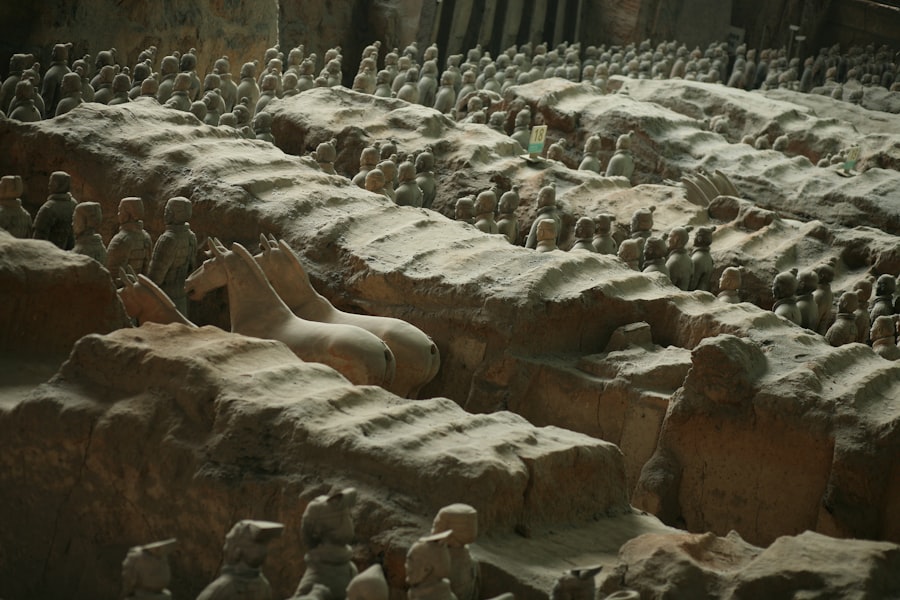
“Unearthing the Past” effectively demystified the scientific tools and technologies that have revolutionized modern archaeology. Far from being a purely manual endeavor, the field now incorporates cutting-edge techniques that allow for non-invasive surveying, detailed mapping, and sophisticated analysis of recovered materials.
Beyond the Traditional Dig
The documentary showcased how technologies like ground-penetrating radar (GPR) and magnetometry allow archaeologists to “see” beneath the surface without disturbing the ground. This enables them to identify potential features like walls, burials, and hearths before even a single shovel of dirt is removed, thus minimizing potential damage to sensitive sites.
Remote Sensing and Geophysics
The film provided clear explanations of how these geophysical survey methods work, illustrating their ability to detect subtle anomalies in the earth’s magnetic field or variations in electrical conductivity. This allows for the creation of detailed subsurface maps, guiding excavation efforts to the most promising areas and increasing the efficiency of the process. The emphasis was on precision and targeted investigation, moving away from the often-unpredictable nature of broad excavation.
LiDAR and Aerial Survey
Furthermore, “Unearthing the Past” highlighted the use of LiDAR (Light Detection and Ranging) technology, which uses laser pulses to create highly detailed 3D maps of landscapes. This technique is particularly effective in revealing hidden archaeological features that may be obscured by dense vegetation or subtle changes in topography. The documentary showed stunning examples of how LiDAR has uncovered vast ancient settlements and complex networks of roads that were previously unknown.
Laboratory Analysis: Unlocking the Secrets of Artifacts
The film then took viewers into the laboratory, revealing the sophisticated analyses performed on unearthed materials. This is where the silent whispers of the past are transformed into concrete information.
Radiocarbon Dating and Chronology
A crucial aspect of archaeological dating, radiocarbon dating, was explained in detail. The documentary illustrated how scientists measure the decay of radioactive isotopes in organic materials to determine their age, providing a crucial chronological framework for understanding when ancient sites were occupied and when specific events occurred. The film emphasized the precision of these dating methods and how they have helped to refine our understanding of historical timelines.
Material Science and Provenance Studies
“Unearthing the Past” also showcased the application of material science techniques, such as X-ray fluorescence and mass spectrometry, to analyze the composition of artifacts. This allows archaeologists to determine the origin of materials, shedding light on ancient trade routes and cultural connections. The documentary provided examples of how trace elements in pottery or metalwork have revealed extensive trade networks that spanned vast distances, demonstrating the interconnectedness of ancient civilizations.
The Enduring Relevance of Archaeology: Why the Past Matters Today

The concluding segments of “Unearthing the Past” powerfully articulated the enduring relevance of archaeology in the modern world. It moved beyond simply presenting historical facts to demonstrating how understanding our past can inform our present and shape our future.
Learning from Past Mistakes and Triumphs
The documentary argued that archaeology provides invaluable lessons about human behavior, societal development, and the consequences of various choices. By studying the rise and fall of civilizations, we can gain insights into the factors that lead to prosperity and decline, helping us to avoid repeating past mistakes.
Patterns of Civilization: Lessons for Today
The film used historical examples to illustrate recurring patterns in human history, such as the impact of environmental change on societies, the dynamics of social inequality, and the consequences of unchecked expansion. The documentary suggested that by recognizing these patterns, we can develop more informed strategies for addressing contemporary challenges, from climate change to social unrest.
Cultural Heritage and Identity
“Unearthing the Past” emphasized the crucial role of archaeology in preserving and understanding cultural heritage. It argued that this heritage is not just a collection of old objects but a vital component of our collective identity, connecting us to our ancestors and providing a sense of continuity and belonging.
A Mirror to Ourselves
Ultimately, “Unearthing the Past” presented archaeology as a powerful tool for self-understanding. By excavating the remnants of past societies, we are, in essence, holding up a mirror to ourselves, examining our own origins, our own triumphs, and our own failings. The documentary left viewers with a profound appreciation for the long and complex journey of humanity and a renewed sense of wonder about the stories still waiting to be unearthed. The final scenes, lingering on a newly discovered artifact glinting in the sun, left a palpable sense of anticipation for the ongoing, never-ending quest to understand who we are by understanding where we came from.
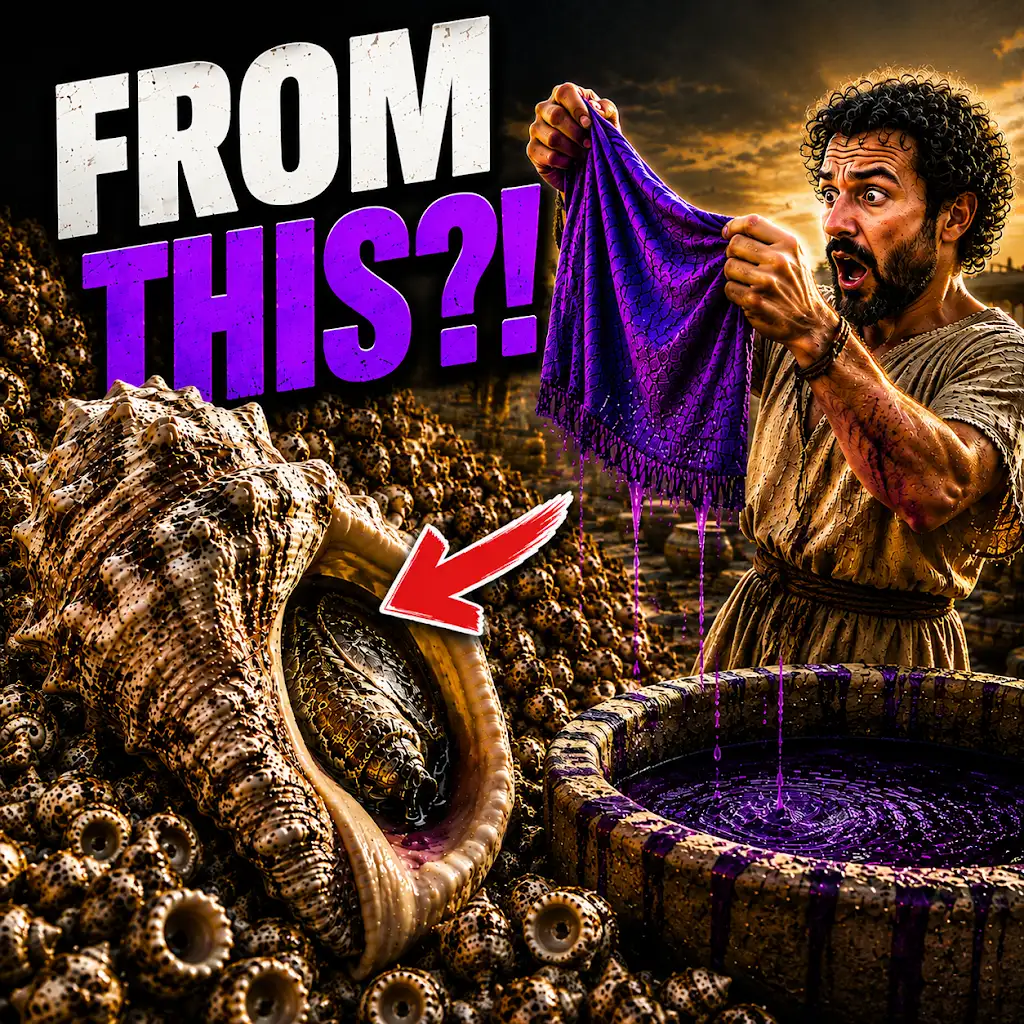
The Color That Took Thousands of Snails to Make
FAQs
What is an archaeology documentary?
An archaeology documentary is a film or television program that explores the field of archaeology, showcasing the process of excavating and studying ancient artifacts, historical sites, and civilizations.
What is the purpose of an archaeology documentary?
The purpose of an archaeology documentary is to educate and inform viewers about the methods and findings of archaeological research, as well as to showcase the importance of preserving and understanding our cultural heritage.
What can viewers expect to see in an archaeology documentary?
Viewers can expect to see footage of archaeological excavations, interviews with archaeologists and experts, analysis of ancient artifacts, reconstructions of historical sites, and discussions about the significance of archaeological discoveries.
Are archaeology documentaries based on real events and findings?
Yes, archaeology documentaries are based on real archaeological research, discoveries, and findings. They often feature actual excavations and scientific analysis conducted by archaeologists.
Where can one watch archaeology documentaries?
Archaeology documentaries can be found on various streaming platforms, television channels, and online video services. They are also available for purchase on DVD or Blu-ray. Additionally, some museums and educational institutions may screen archaeology documentaries for public viewing.