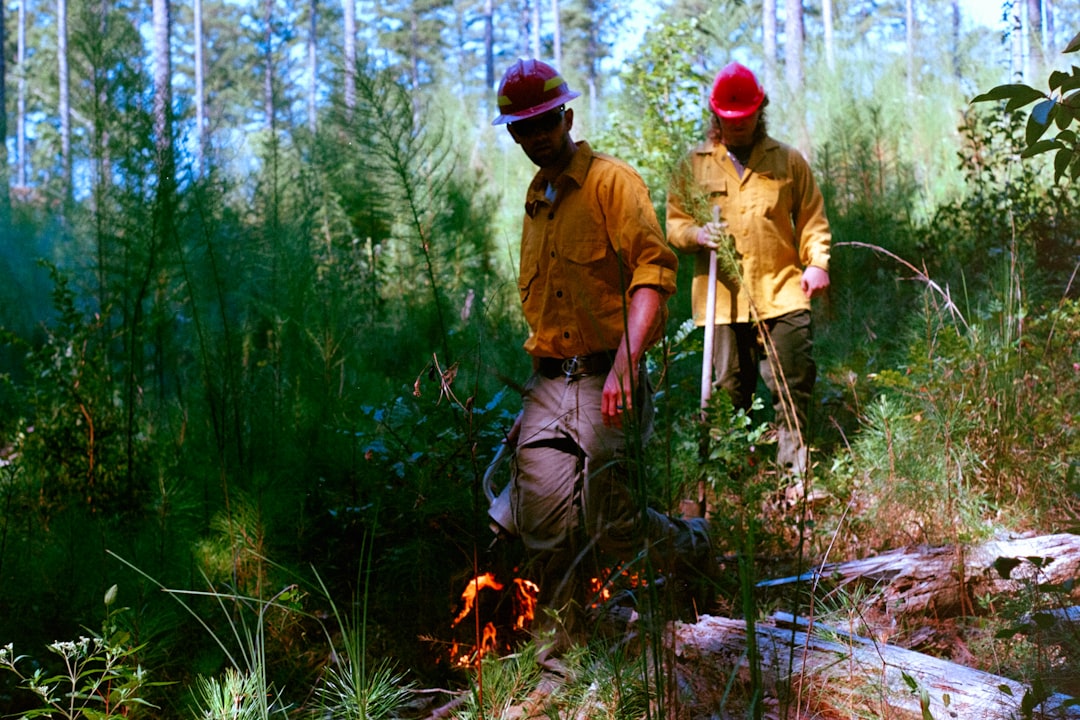
Reviving Indigenous Fire Stewardship
Indigenous communities have a deep and ancient connection to fire, a relationship forged over millennia of cohabitation with the land. This connection, however, has been systematically disrupted by colonial policies and the imposition of Western fire management practices. These modern approaches, often characterized by aggressive suppression, have led to significant ecological imbalances and an increased risk of catastrophic wildfires. Fortunately, there is a growing movement to revive Indigenous fire stewardship, recognizing its inherent wisdom and its vital role in restoring healthy ecosystems and resilient landscapes. This revival is not merely a nostalgic return to the past, but a forward-looking strategy that offers profound solutions to contemporary environmental challenges.
For countless generations, Indigenous peoples across the globe utilized fire as a tool for ecological management. This was not a practice of uncontrolled burning, but a sophisticated system of applied ecology, deeply intertwined with cultural understanding and spiritual beliefs.
Pre-Colonial Fire Regimes
Before European arrival, Indigenous communities actively managed landscapes through prescribed burning. These practices varied significantly depending on the specific ecosystem, the available resources, and the cultural purposes of the burning.
- Savanna Restoration: In savanna ecosystems, frequent, low-intensity fires maintained open grasslands, preventing the encroachment of dense shrubbery and promoting the growth of edible plants and grasses crucial for grazing animals. This created biodiverse landscapes that supported a wide range of flora and fauna.
- Forest Thinning and Understory Management: In forested areas, Indigenous peoples used fire to clear undergrowth, reduce fuel loads, and create mosaics of different forest ages and structures. This not only reduced the risk of severe wildfires but also encouraged the growth of valuable timber species and provided habitats for game animals.
- Meadow and Wetland Enhancement: Fire was also employed to manage meadows and wetlands, encouraging the regeneration of specific plant species important for food, fiber, and medicinal purposes. These practices fostered biodiversity and ensured the availability of crucial resources.
- Pest and Disease Control: Controlled burns could also be used to control insect infestations and plant diseases, preventing their spread and maintaining the health of plant populations.
The Impact of Colonialism and Fire Suppression
The arrival of European colonizers brought with it a fundamentally different relationship with fire. Indigenous knowledge systems were devalued, and Indigenous peoples were often displaced from their ancestral lands, severing their ability to practice traditional fire management.
- Imposition of Western Fire Suppression Ideologies: Colonial governments and later land management agencies adopted a policy of total fire suppression. This was largely driven by a fear of fire, a misunderstanding of its ecological role, and an economic focus on timber extraction that viewed fire primarily as a destructive force.
- Forced Assimilation and Loss of Traditional Knowledge: Indigenous communities were subjected to policies of forced assimilation, which actively discouraged the transmission of traditional knowledge, including fire practices, from generation to generation. This cultural disruption had a devastating impact on the continuity of these vital ecological skills.
- Ecological Consequences of Fire Suppression: The absence of natural fire regimes led to a dramatic buildup of flammable vegetation, particularly in forests and grasslands. This created the conditions for larger, more intense, and more destructive wildfires, a phenomenon that is now a significant global challenge. The ecological consequences are far-reaching, impacting biodiversity, soil health, and water resources.
Indigenous fire stewardship is a vital practice that has been used for centuries to manage landscapes and promote biodiversity. For those interested in understanding the broader implications of environmental management and historical ecological practices, a related article that explores the complexities of ancient civilizations and their environmental interactions can be found here: The Mysterious Causes of the Bronze Age Collapse. This article delves into how various factors, including environmental changes, influenced the rise and fall of ancient societies, drawing parallels to contemporary issues in land management and sustainability.
Rediscovering and Reclaiming Indigenous Fire Knowledge
The contemporary movement to revive Indigenous fire stewardship is characterized by a deep respect for traditional knowledge and a commitment to its re-integration into modern land management. This rediscovery is a complex process, involving not only the rediscovery of techniques but also the re-establishment of the cultural and spiritual connections that underpinned these practices.
Intergenerational Knowledge Transfer
A cornerstone of reviving Indigenous fire stewardship is the active re-establishment of intergenerational knowledge transfer. This involves bringing elders and knowledge keepers together with younger generations to share, learn, and practice.
- Mentorship Programs: Indigenous communities are establishing mentorship programs where experienced fire practitioners guide and train younger individuals in the art and science of prescribed burning. These programs are crucial for ensuring the survival of this knowledge.
- Cultural Camps and Gatherings: Traditional cultural camps and gatherings provide immersive environments where fire knowledge can be shared in a holistic context, encompassing not only technical skills but also the cultural protocols and spiritual significance associated with fire.
- Documenting Oral Histories: Efforts are underway to document the oral histories and traditional ecological knowledge of elders, ensuring that this invaluable information is preserved for future generations. This often involves recording stories, songs, and practical demonstrations.
Collaborations and Partnerships
The revival of Indigenous fire stewardship often involves collaboration between Indigenous communities, researchers, and government agencies. These partnerships are essential for bridging different knowledge systems and creating effective, culturally appropriate management strategies.
- Co-Management Initiatives: Indigenous communities are increasingly advocating for and participating in co-management initiatives, where they share decision-making power and responsibilities with government agencies in the management of their ancestral lands.
- Research and Validation: Researchers are working alongside Indigenous knowledge holders to study and validate traditional fire practices, generating scientific evidence that supports their ecological effectiveness. This helps to build trust and overcome skepticism in mainstream land management.
- Policy Advocacy: Indigenous groups are actively engaged in advocating for policy changes that recognize and support Indigenous fire stewardship, including the allocation of resources and the development of culturally appropriate regulations.
The Ecological Benefits of Indigenous Fire Stewardship
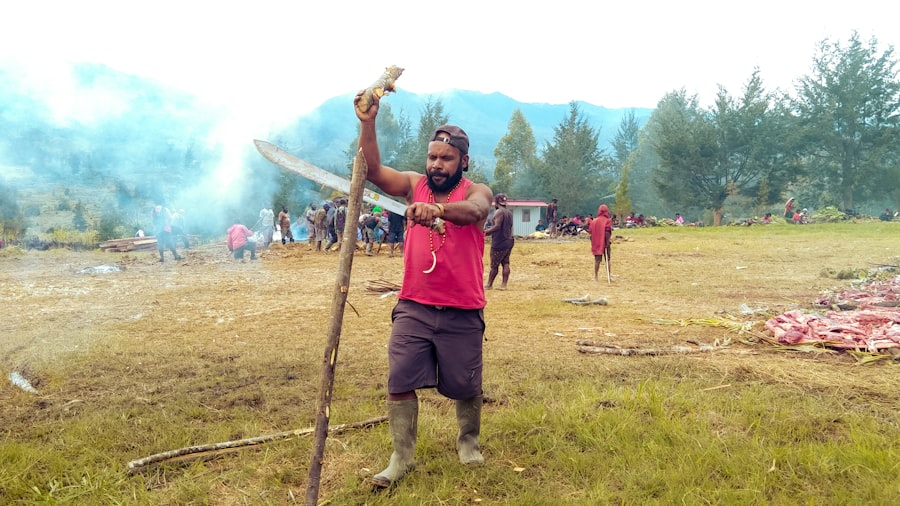
The reintroduction of Indigenous fire practices offers a wealth of ecological benefits, addressing many of the challenges posed by decades of fire suppression and promoting more resilient and biodiverse landscapes.
Restoring Ecosystem Health and Function
Indigenous fire stewardship plays a crucial role in restoring the natural functioning of ecosystems, which have been disrupted by the absence of fire.
- Promoting Biodiversity: Prescribed burns create varied habitat conditions, supporting a wider range of plant and animal species. The mosaic of burned and unburned areas provides diverse food sources and shelter.
- Improving Soil Health: Low-intensity fires can clear away accumulated organic matter, allowing sunlight to reach the soil and stimulating the growth of new vegetation. They can also release essential nutrients back into the soil.
- Controlling Invasive Species: Fire can be an effective tool for managing invasive plant species that often thrive in disturbed or overstocked environments. By weakening or killing invasive plants, it allows native species to re-establish.
- Enhancing Water Resources: By reducing fuel loads and promoting healthy vegetation growth, Indigenous fire practices can improve water infiltration into the soil, leading to better water retention and healthier watersheds.
Mitigating Wildfire Risk
One of the most immediate and significant benefits of reviving Indigenous fire stewardship is the reduction in the risk and severity of destructive wildfires.
- Fuel Load Reduction: Regular, low-intensity fires consume the accumulated dead vegetation (fuel) that fuels large, uncontrollable wildfires. This creates a mosaic of fuel breaks across the landscape.
- Preventing Crown Fires: By thinning out understory vegetation, prescribed burns make it more difficult for fires to climb into the tree canopies (crown fires), which are the most destructive and difficult to control.
- Creating Resilient Landscapes: Landscapes managed with traditional fire practices are inherently more resilient to fire. They are less prone to catastrophic events, and when fires do occur, they are often less intense and easier to manage.
Cultural and Social Revitalization Through Fire
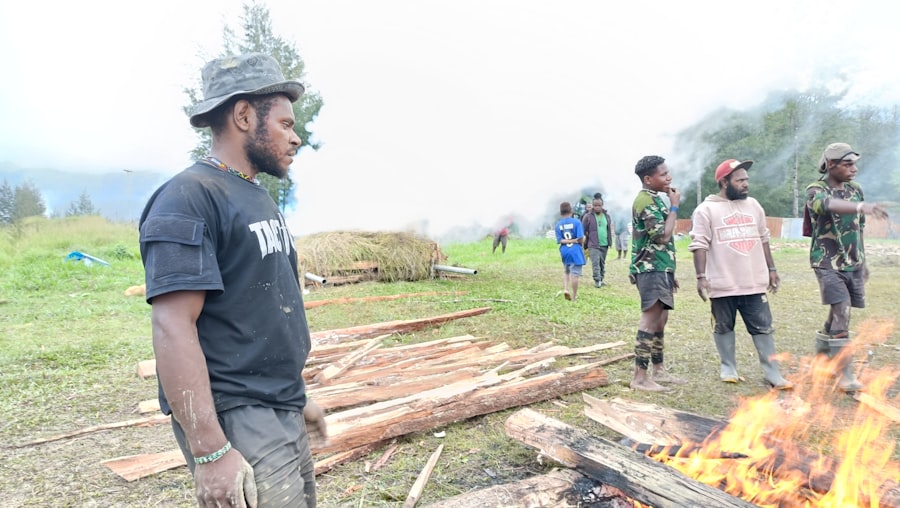
The revival of Indigenous fire stewardship is not solely an ecological endeavor; it is also a powerful catalyst for cultural and social revitalization within Indigenous communities.
Strengthening Cultural Identity and Connection to Land
The practice of fire management is deeply embedded in the cultural identity of many Indigenous peoples, representing a profound connection to their ancestral lands and traditions.
- Reconnecting with Ancestral Practices: By reviving fire stewardship, communities are reconnecting with the practices of their ancestors, fostering a sense of pride and continuity. This act of reclamation is deeply empowering.
- Spiritual Significance of Fire: Fire holds profound spiritual significance in many Indigenous cultures, representing life, purification, and transformation. Its controlled use is often accompanied by ceremonies and rituals that reinforce these meanings.
- Intergenerational Healing: The process of learning and practicing traditional fire stewardship can be a source of healing for communities that have experienced intergenerational trauma and cultural disruption. It offers a path towards reconnecting with their heritage.
Empowering Indigenous Communities and Fostering Self-Determination
The recognition and implementation of Indigenous fire stewardship empower communities and promote self-determination in the management of their lands and resources.
- Exercising Sovereignty: By leading their own fire management initiatives, Indigenous communities are exercising their inherent sovereignty and asserting their right to manage their territories according to their own values and knowledge systems.
- Economic Opportunities: The practice of fire stewardship can create economic opportunities within communities, through employment in prescribed burning crews, the production of culturally significant crafts related to fire, and the development of eco-tourism opportunities.
- Building Capacity: The revival of these practices builds capacity within communities, equipping individuals with valuable skills and knowledge that can be applied to a range of land management challenges.
Indigenous fire stewardship has gained recognition for its role in promoting ecological balance and reducing the risk of catastrophic wildfires. A related article discusses the broader implications of government policies on various community practices, including environmental stewardship. For more insights on how these policies intersect with Indigenous practices, you can read the article here: government’s approach to nationalizing retirement. Understanding these connections can help foster better collaboration between Indigenous communities and governmental agencies in managing natural resources.
The Future of Fire Management: Integrating Indigenous Wisdom
| Region | Indigenous Community | Fire Stewardship Practice | Impact |
|---|---|---|---|
| Australia | Aboriginal people | Cool burning | Reduced wildfire risk and improved biodiversity |
| North America | First Nations | Prescribed burning | Regeneration of plant species and habitat restoration |
| South America | Amazonian tribes | Forest management burning | Enhanced soil fertility and reduced invasive species |
The recognition of Indigenous fire stewardship as a vital component of effective land management is growing, signaling a promising shift towards a more holistic and integrated approach to fire.
Bridging Western Science and Indigenous Knowledge
The most effective path forward lies in the integration of Indigenous knowledge with Western scientific understanding. This collaborative approach offers the greatest potential for addressing complex ecological challenges.
- Synergistic Approaches: Western science can provide data and analytical tools to complement Indigenous knowledge, while Indigenous wisdom offers deep, long-term ecological understanding and culturally appropriate solutions.
- Developing New Management Frameworks: This integration can lead to the development of new land management frameworks that are more effective, equitable, and sustainable, recognizing the multifaceted benefits of traditional practices.
- Global Application: The principles of Indigenous fire stewardship have global relevance, offering insights and solutions for communities facing similar land management challenges worldwide.
Policy and Funding for Indigenous Fire Initiatives
For the revival of Indigenous fire stewardship to be sustained and scaled, supportive policies and dedicated funding are essential.
- Funding for Community-Led Projects: Governments and philanthropic organizations need to provide direct and accessible funding for Indigenous-led fire stewardship projects, recognizing the unique capacities and needs of these communities.
- Policy Reform: Policies need to be reformed to explicitly recognize and support Indigenous fire management, removing bureaucratic barriers and creating pathways for self-determination.
- Capacity Building and Training: Investment in capacity building and training programs for Indigenous fire practitioners is crucial, ensuring that they have the resources and support to lead these efforts effectively.
The revival of Indigenous fire stewardship represents a profound opportunity to heal landscapes, strengthen communities, and foster a more sustainable future. By honoring and integrating the ancient wisdom of Indigenous peoples, we can move towards a new era of fire management, one that is characterized by respect, resilience, and ecological harmony. This is not a step backward, but a vital leap forward towards a more balanced and thriving planet.

The Wilderness Was Engineered
FAQs
What is Indigenous fire stewardship?
Indigenous fire stewardship refers to the traditional practice of using controlled burns to manage and maintain healthy ecosystems. This practice has been used by Indigenous communities for centuries to promote biodiversity, reduce the risk of catastrophic wildfires, and support cultural and spiritual connections to the land.
How do Indigenous communities use fire stewardship?
Indigenous communities use fire stewardship as a tool for land management, including promoting the growth of culturally significant plants, maintaining habitat for wildlife, and reducing the accumulation of flammable vegetation. Controlled burns are strategically planned and implemented to achieve specific ecological and cultural goals.
What are the benefits of Indigenous fire stewardship?
The benefits of Indigenous fire stewardship include promoting biodiversity, reducing the risk of large, destructive wildfires, improving soil health, and supporting the cultural and spiritual connections of Indigenous communities to the land. Additionally, controlled burns can help restore and maintain healthy ecosystems.
How does Indigenous fire stewardship differ from modern wildfire management?
Indigenous fire stewardship differs from modern wildfire management in its focus on using controlled burns as a proactive tool for land management, rather than solely relying on reactive measures to suppress wildfires. Indigenous fire stewardship also emphasizes the cultural and spiritual significance of fire as a natural element.
What are some examples of successful Indigenous fire stewardship practices?
Examples of successful Indigenous fire stewardship practices include the use of controlled burns by Indigenous communities in Australia to manage landscapes, the incorporation of traditional ecological knowledge into fire management plans in North America, and the revitalization of cultural burning practices by Indigenous groups around the world. These practices demonstrate the effectiveness of Indigenous fire stewardship in promoting healthy ecosystems and reducing the risk of catastrophic wildfires.