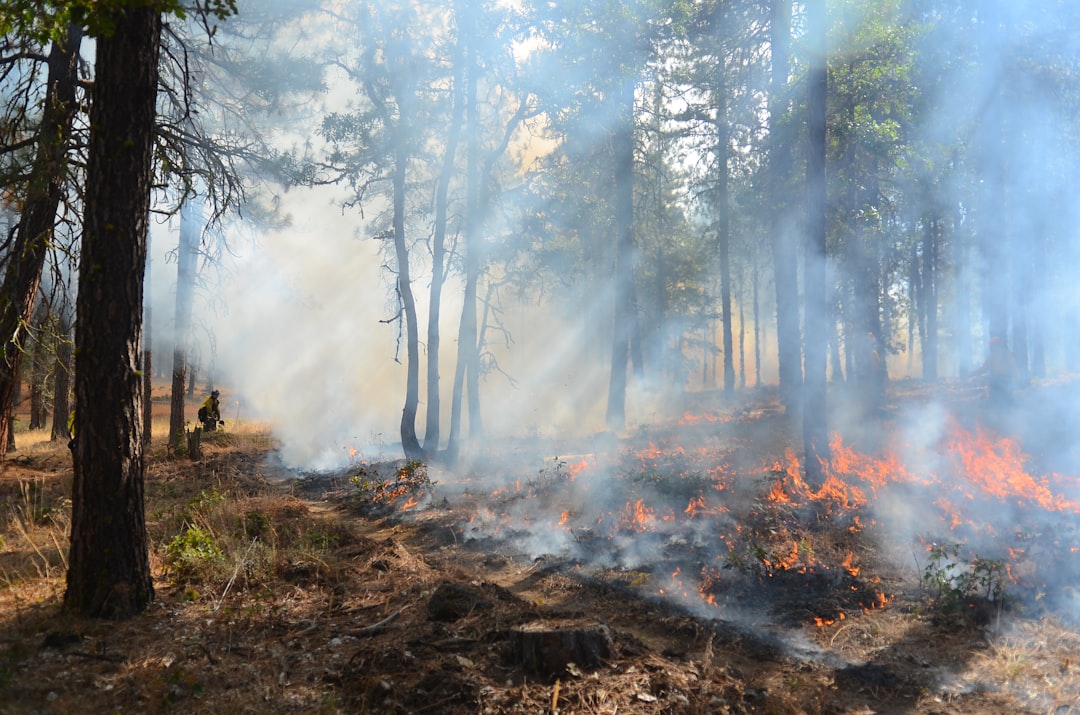
The scent of woodsmoke, once a ubiquitous sign of human habitation and agricultural practice, now often evokes a more primal fear: wildfire. For millennia, humans have employed fire as a tool, shaping landscapes and managing vegetation. Today, as we grapple with increasingly devastating wildfires, a re-examination of these ancient techniques, particularly traditional burning practices, offers valuable insights and practical strategies for modern wildfire prevention. Far from being a primitive relic, traditional burning, when understood and applied thoughtfully, represents a sophisticated, albeit often forgotten, approach to ecosystem management that can significantly bolster our defenses against catastrophic fires.
Traditional burning, often referred to as cultural burning, prescribed burning, or controlled burning, encompasses a range of practices employed by indigenous communities and early settlers to manage land. These methods were not merely about clearing land but were deeply integrated into ecological understanding and cultural traditions, aiming to foster healthy ecosystems, control insect populations, and, crucially, reduce fuel loads that could contribute to uncontrollable wildfires. The wisdom embedded in these practices is a testament to a long-standing relationship with the land, where fire was seen not as an enemy, but as a vital natural force to be managed with respect and knowledge.
Indigenous Knowledge Systems and Fire
For countless indigenous cultures worldwide, fire has been a sacred and essential tool for millennia. These communities developed sophisticated knowledge systems based on generations of observation and interaction with their environments. Their understanding of fire’s role in ecosystems was holistic, recognizing its benefits for seed germination, nutrient cycling, and the creation of diverse habitats.
Fire as a Landscape Architect
Indigenous peoples understood that their landscapes were dynamic and that fire played a critical role in shaping them. They used fire to maintain grasslands, promote the growth of specific plants for food and medicine, and to create mosaics of vegetation that reduced the risk of large, continuous fuel beds. This strategic use of fire created a more resilient landscape, less susceptible to extreme fire behavior.
Cultural Significance of Burning
Beyond ecological management, traditional burning practices were often deeply intertwined with cultural ceremonies, traditions, and spiritual beliefs. These practices reinforced a connection to the land and a sense of responsibility for its stewardship. The act of burning was not a solitary endeavor but a communal one, reinforcing social bonds and the transmission of ecological knowledge.
Historical Land Management Practices
Early European settlers, while sometimes employing different motivations, also utilized fire for land management. Land clearing for agriculture, pasture management, and the reduction of brush were common practices. While these historical uses may not always have had the same nuanced ecological understanding as indigenous practices, they contributed to a landscape that, in many areas, was less prone to the extreme fuel accumulations seen today.
Clearing for Agriculture and Settlement
The initial stages of settlement often involved clearing land for farming and establishing homesteads. Fire was an efficient and readily available tool for this purpose. While this could sometimes lead to unintended consequences, it also, in many cases, reduced the overall fuel load in newly settled areas.
Maintaining Pastures and Meadows
Farmers and ranchers often used fire to regenerate pastures and prevent the encroachment of woody vegetation. This practice maintained open grasslands, which were less conducive to the spread of large wildfires. The cyclical burning of these areas prevented the build-up of flammable material.
Traditional burning practices have been recognized as an effective method for wildfire prevention, as they help manage vegetation and reduce fuel loads in forested areas. By incorporating these techniques, communities can not only protect their landscapes but also promote ecological balance. For further insights on related environmental management strategies, you can read about economic stabilization measures and their impact on recovery efforts in this article: US Economic Stabilization Measures for Recovery.
The Modern Challenge: Escalating Wildfire Risk
The way we interact with fire has dramatically changed. Modern society has, in many instances, abandoned traditional burning practices, leading to a build-up of fuel loads in forests and wildlands. Coupled with climate change, which exacerbates drought conditions and increases the frequency of extreme weather events, this has created a perfect storm for devastating wildfires.
Fuel Accumulation and the Exclusion of Fire
For decades, the dominant fire management strategy in many parts of the world has been fire exclusion. The goal was to suppress all fires, regardless of their origin or size. While intended to protect lives and property, this policy inadvertently led to an unnatural build-up of vegetation, creating highly flammable fuel beds.
The “Smokey Bear Effect”
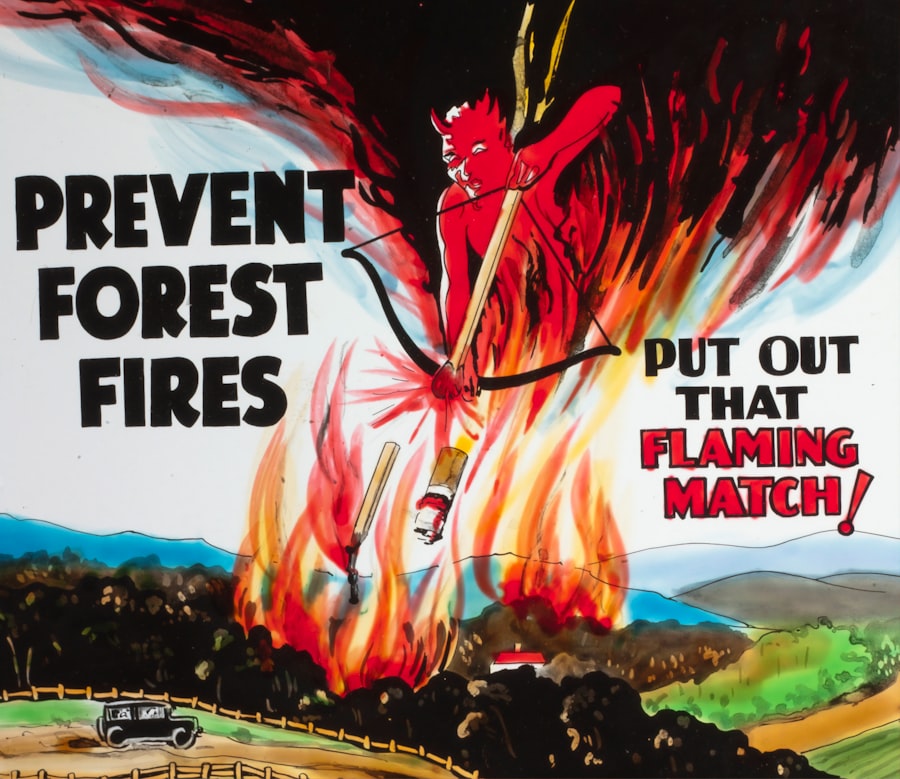
The iconic Smokey Bear campaign, while successful in raising awareness about wildfire prevention, inadvertently fostered a perception of all fires as inherently bad. This led to a near-total suppression of natural fire cycles, disrupting ecosystems that had evolved with fire.
Unnatural Fuel Loads
Without the regular, low-intensity fires that historically cleared undergrowth, forests and wildlands have become choked with dead trees, fallen branches, and dense undergrowth. This accumulated fuel acts like tinder, allowing fires to spread rapidly and burn with extreme intensity.
Climate Change as an Amplifier
The increasing effects of climate change are undeniable drivers of more severe wildfire seasons. Rising global temperatures lead to drier conditions, increasing the flammability of vegetation. Longer and more intense heatwaves, coupled with changes in precipitation patterns, create environments where fires ignite more easily and spread with alarming speed and intensity.
Drought and Aridification
Prolonged periods of drought desiccate vegetation, turning forests and grasslands into readily combustible fuel. This aridity makes ignition points more numerous and fire behavior more unpredictable.
Extreme Weather Events
Changes in atmospheric circulation are leading to more frequent and intense extreme weather events, including strong winds that can fan flames and propel embers, turning small fires into infernos.
Reclaiming Ancient Wisdom: Prescribed Burning for Prevention
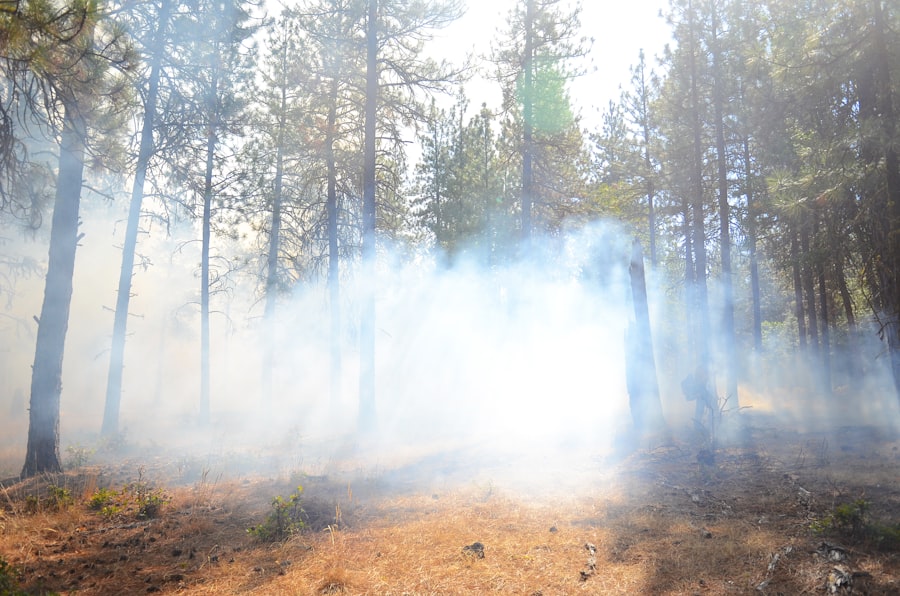
The resurgence of interest in traditional burning practices, now often termed prescribed burning or controlled burning, is a direct response to the failures of strict fire suppression. When executed by trained professionals with a deep understanding of ecological principles and fire behavior, prescribed burning can effectively mimic the beneficial effects of natural fires.
The Science and Practice of Prescribed Burning
Prescribed burning involves the deliberate ignition of fires under carefully controlled conditions. The objective is to reduce fuel loads, recycle nutrients, and restore ecological processes. This is not a haphazard undertaking but a highly scientific and strategic endeavor.
Fuel Load Reduction
The primary goal of prescribed burning is to reduce the amount of flammable material on the landscape. By burning off dead vegetation, undergrowth, and smaller trees, prescribed fires create a less continuous and less intense fuel bed, making future wildfires less likely to spread out of control.
Ecological Restoration and Biodiversity
Prescribed burning can play a vital role in restoring ecosystems that have been degraded by the exclusion of fire. It can promote the germination of fire-adapted plant species, clear the way for new growth, and create a mosaic of habitats that support a wider range of biodiversity. Many plant and animal species are dependent on fire for their survival and reproduction.
Mimicking Natural Fire Regimes
By understanding the historical fire regimes of a particular area – the frequency, intensity, and seasonality of natural fires – land managers can use prescribed burning to replicate these conditions. This helps to restore the ecological balance and resilience of the landscape.
Key Elements of a Successful Prescribed Burn
The success of any prescribed burning operation hinges on meticulous planning, execution, and post-burn monitoring. Several critical factors must be considered to ensure effectiveness and safety.
Site-Specific Planning and Assessment
Each prescribed burn requires a detailed plan tailored to the specific landscape, vegetation type, weather conditions, and desired outcomes. This involves assessing fuel types, topography, and historical fire behavior.
Weather Monitoring and Prediction
Precise weather forecasting is paramount. Factors such as wind speed and direction, humidity, temperature, and atmospheric stability dictate whether conditions are suitable for a burn. Burn managers rely on real-time weather data and sophisticated prediction models.
Ignition Techniques and Fire Behavior Management
The method of ignition, the timing of ignition, and the overall strategy are crucial for controlling the spread and intensity of the fire. Techniques are employed to ensure the fire burns as intended, consuming specific fuel types and achieving desired ecological outcomes.
Smoke Management and Public Safety
Managing smoke is a significant consideration in prescribed burning. Strategies are developed to minimize impacts on air quality, human health, and transportation corridors. Public safety is always the utmost priority, with clear communication and contingency plans in place.
Overcoming Barriers to Traditional Burning’s Wider Adoption
Despite the evident benefits, the widespread implementation of traditional burning practices faces significant hurdles. These challenges range from regulatory complexities and public perception to a lack of trained personnel and the inherent risks associated with any fire management activity.
Regulatory and Policy Hurdles
Historical policies and regulations often prioritize fire suppression, making it difficult to implement prescribed burning programs. Complex permitting processes, liability concerns, and a lack of adequate funding can all hinder progress.
Shifting from Suppression to Management
A fundamental shift in policy is needed to move away from a purely suppression-based approach to one that embraces fire as a natural and necessary tool for ecosystem health and wildfire prevention. This requires a re-evaluation of fire’s role and a commitment to integrating it into land management strategies.
Streamlining Permitting and Liability Frameworks
Governments and land management agencies need to develop streamlined and efficient permitting processes for prescribed burns. Addressing liability concerns through appropriate insurance mechanisms and legal frameworks can also encourage greater adoption.
Public Perception and Education
Misconceptions about fire, often fueled by dramatic wildfire imagery, create public apprehension towards controlled burning. Educating the public about the benefits and safety protocols of prescribed burning is essential to build trust and support.
Demystifying Controlled Burns
Through public outreach programs, community engagement, and transparent communication, land managers can demystify prescribed burning. Explaining the science behind it, showcasing successful examples, and highlighting the preventative benefits can foster greater acceptance.
Building Community Support
Engaging local communities in the planning and implementation of prescribed burns can build trust and foster a sense of shared responsibility. This includes involving local fire departments and community leaders in the decision-making process.
The Need for Trained Professionals and Resources
Effective prescribed burning requires a highly skilled workforce. There is a growing need for trained professionals who understand fire ecology, weather patterns, and the safe execution of burning operations. Investing in training programs and ensuring adequate resources for burn crews are critical.
Investing in Training and Capacity Building
Universities, government agencies, and non-profit organizations need to collaborate to develop and expand training programs for prescribed fire practitioners. This includes offering certifications and continuing education opportunities.
Funding and Resource Allocation
Prescribed burning programs require dedicated funding for equipment, personnel, planning, and monitoring. Adequate resource allocation is essential to ensure that these programs can be implemented effectively and at scale.
Traditional burning practices have long been recognized as a valuable tool in wildfire prevention, helping to manage vegetation and reduce the risk of larger, uncontrolled fires. These methods not only support ecological balance but also play a crucial role in the cultural heritage of many communities. For a deeper understanding of how environmental changes can lead to displacement and the broader implications of climate-related issues, you can read about it in this insightful article on climate refugees. This connection highlights the importance of sustainable practices in mitigating the effects of climate change and protecting vulnerable populations. To explore this topic further, visit this article.
The Future of Fire: Integrating Ancient Wisdom for Modern Safety
| Metrics | Traditional Burning | Wildfire Prevention |
|---|---|---|
| Effectiveness | Can be effective in reducing fuel load and preventing large wildfires | Varies depending on the methods used, such as controlled burns, firebreaks, and vegetation management |
| Environmental Impact | Can have negative impact on air quality and wildlife habitat | Efforts are made to minimize environmental impact through careful planning and monitoring |
| Community Involvement | Often involves local communities and indigenous knowledge | Community engagement is important for prevention and preparedness |
| Cost | Can be cost-effective but requires skilled labor and resources | Costs vary depending on the methods used and scale of prevention efforts |
The path forward in wildfire management lies in a balanced approach that embraces both traditional knowledge and modern science. By integrating the wisdom of ancient burning practices with contemporary fire science and technology, we can develop more effective and sustainable strategies for preventing devastating wildfires.
A Holistic Approach to Landscape Management
The future of fire management must be holistic, recognizing that fire is an integral part of many ecosystems. This means moving beyond simple fuel reduction and considering the broader ecological, social, and cultural implications of fire.
Restoring Natural Fire Regimes
The ultimate goal should be to restore natural fire regimes where appropriate, allowing fire to play its ecological role. This involves strategically reintroducing low-intensity fires to mimic historical patterns and create more resilient landscapes.
Adaptive Management and Continuous Learning
Fire management is an evolving field. An adaptive management approach, which involves continuous monitoring, evaluation, and adjustment of strategies based on new information and changing conditions, is crucial for long-term success.
Technological Advancements and Traditional Practices
Modern technology can significantly enhance the effectiveness and safety of traditional burning practices. Drones, advanced weather modeling, and remote sensing technologies can provide real-time data and improve decision-making.
Precision in Burn Planning and Execution
Technologies like geographic information systems (GIS) and fire behavior modeling software allow for more precise planning of prescribed burns. Drones can be used for ignition, monitoring, and post-burn assessment, improving safety and efficiency.
Enhanced Monitoring and Early Detection
Remote sensing technologies and sensor networks can provide real-time data on fuel moisture, temperature, and fire activity, enabling early detection of potential wildfire ignitions and improving the response to escaped prescribed fires.
The Intergenerational Transfer of Knowledge
Ensuring the intergenerational transfer of knowledge, particularly from indigenous communities, is vital. This involves supporting indigenous-led fire management initiatives and creating opportunities for collaboration and knowledge exchange between traditional practitioners and modern scientists.
Empowering Indigenous Fire Stewardship
Recognizing and supporting the inherent rights and expertise of indigenous peoples in fire stewardship is a critical step. This includes providing resources and platforms for them to lead and implement their traditional burning practices.
Building Bridges Between Traditional and Modern Expertise
Creating spaces for dialogue and collaboration between elders who hold traditional fire knowledge and young scientists and land managers is essential. This intergenerational exchange can lead to innovative and effective solutions that honor both past wisdom and present-day needs.
In conclusion, the lessons learned from traditional burning offer a powerful roadmap for navigating the complex challenges of modern wildfire prevention. By understanding the ecological wisdom embedded in these ancient techniques and by thoughtfully integrating them with contemporary science and technology, we can forge a more resilient future, where fire is once again a partner in maintaining healthy, safe, and vibrant landscapes. The scent of woodsmoke, once a sign of a managed land, can once again signify a healthy ecosystem, rather than an impending threat.
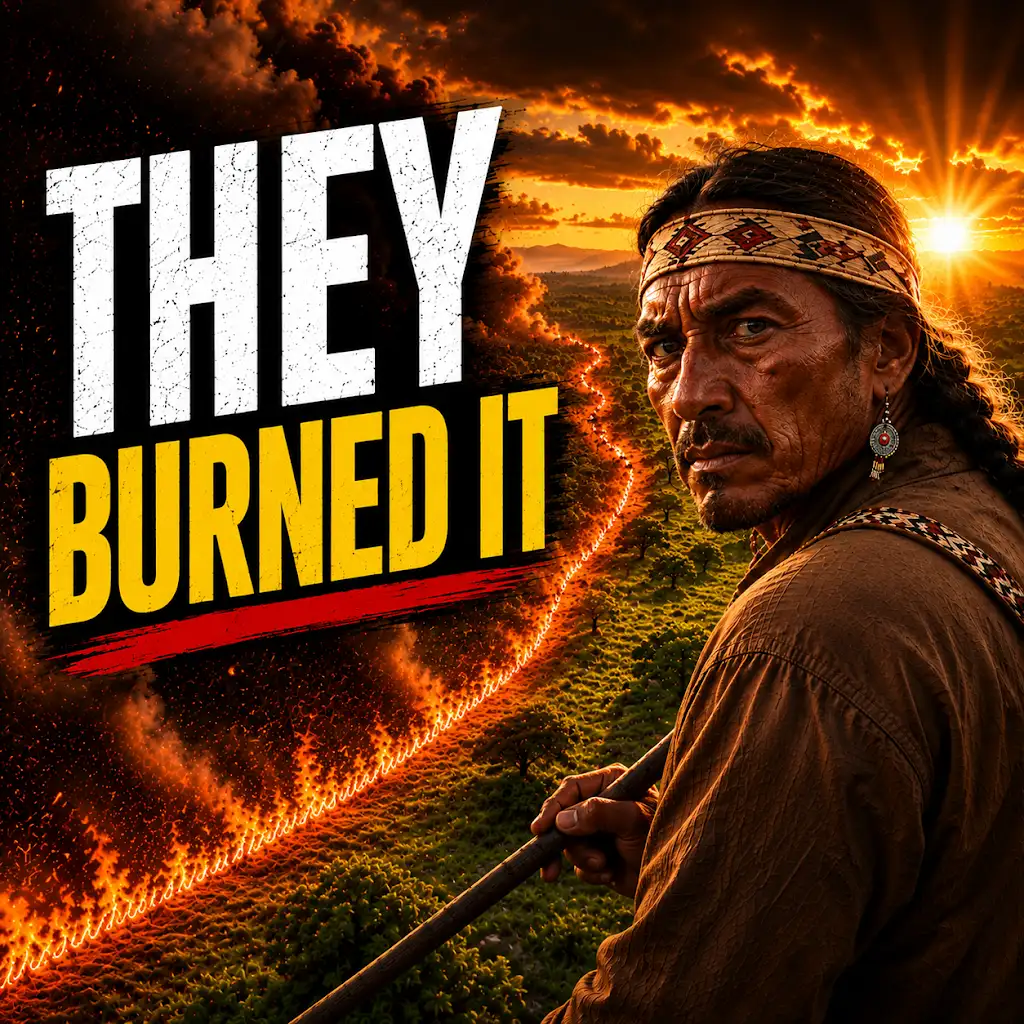
The Wilderness Was Engineered
FAQs
What is traditional burning?
Traditional burning, also known as prescribed burning, is a land management technique that involves intentionally setting controlled fires to reduce the buildup of flammable vegetation and prevent the occurrence of larger, more destructive wildfires.
How does traditional burning help prevent wildfires?
Traditional burning helps prevent wildfires by reducing the amount of flammable vegetation, such as dead leaves, branches, and underbrush, that can act as fuel for larger fires. By strategically burning smaller areas under controlled conditions, the risk of larger, uncontrollable wildfires is minimized.
What are the benefits of traditional burning for ecosystems?
Traditional burning can benefit ecosystems by promoting the growth of native plants, improving wildlife habitat, and reducing the spread of invasive species. It can also help maintain the natural balance of ecosystems and prevent the loss of biodiversity.
What are the potential risks or drawbacks of traditional burning?
While traditional burning can be an effective wildfire prevention tool, there are potential risks and drawbacks to consider. These may include air quality concerns, impacts on wildlife, and the potential for the fire to escape control and become a wildfire.
How is traditional burning regulated and managed?
Traditional burning is regulated and managed by government agencies, land management organizations, and trained professionals. It typically involves careful planning, monitoring weather conditions, obtaining permits, and implementing safety measures to ensure the controlled burns are conducted safely and effectively.