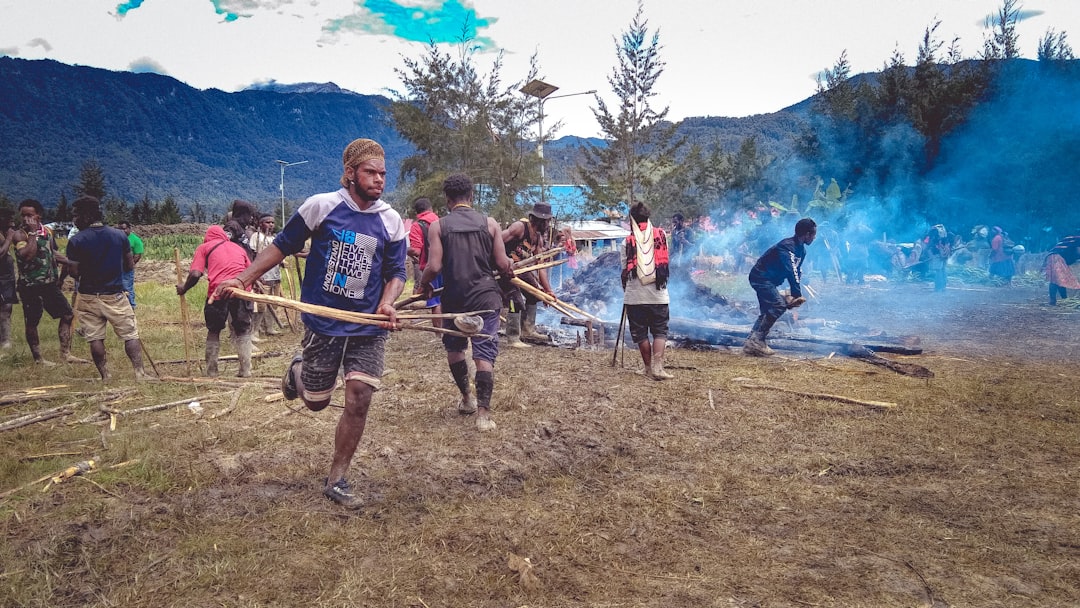
The scent of smoke, once a familiar and comforting presence in the Australian landscape, is slowly returning. For millennia, Indigenous Australians have understood the intricate dance of fire with their country, a practice deeply ingrained in their cultural heritage. This ancient knowledge, known as cultural burning or “firestick farming,” involves the strategic and controlled application of fire to manage vegetation, enhance biodiversity, and reduce the risk of catastrophic wildfires. After a period of disruption and suppression, a powerful movement is underway to revive these vital practices, reconnecting Indigenous communities with their ancestral lands and fostering a more resilient ecosystem.
For tens of thousands of years, Indigenous peoples across the continent meticulously managed their landscapes using fire. This was not a random act of destruction, but a sophisticated ecological tool honed over countless generations. Fire was used to clear undergrowth, promote the germination of certain plant species, create open grasslands for hunting game, and even to signal across vast distances. The practice was deeply interwoven with their cosmology, spiritual beliefs, and social structures. Different clans and language groups possessed unique knowledge of fire regimes, tailored to the specific flora and fauna of their territories. The rhythm of burning, the types of fuel targeted, and the timing of ignition were all dictated by a profound understanding of ecological processes and seasonal cycles.
A Living Library of Ecological Knowledge
The knowledge associated with cultural burning represents a living library of ecological understanding. It encompasses a deep awareness of soil types, weather patterns, plant life cycles, and the behaviors of native animals. Indigenous fire practitioners could discern the precise moisture content of different vegetation, the direction of the wind, and the subtle signs of impending rain, all of which informed their decisions about when and where to apply fire. This knowledge was passed down through oral traditions, storytelling, and direct mentorship, ensuring its continuity across generations. The practice was inherently adaptable, responding to environmental changes and the evolving needs of the community.
The Spiritual Significance of Fire
Beyond its ecological utility, fire held profound spiritual significance for Indigenous Australians. It was seen as a sacred element, a powerful force that connected people to the land, the ancestors, and the Dreaming. The act of burning was often accompanied by ceremonies and rituals, reinforcing the spiritual connection to country and the responsibility to care for it. Fire was a purifying force, cleansing the land and making way for new growth. It was also a source of sustenance, its effects creating favorable conditions for food sources to flourish. The maintenance of fire regimes was therefore not merely an environmental management strategy, but a sacred duty, a fundamental aspect of living in harmony with the earth.
Disruption and the Loss of Traditional Practices
The arrival of European settlers in the 1788 marked a turning point, leading to the dispossession of Indigenous peoples from their lands and the suppression of their cultural practices. Colonial authorities, often viewing Indigenous fire management as primitive and destructive, actively discouraged and even outlawed traditional burning. This disruption had devastating consequences. Without the regular application of cultural burns, fuel loads in many areas began to build up, creating conditions ripe for more intense and uncontrollable wildfires. The loss of Indigenous connection to country also meant a fracturing of the knowledge systems that had sustained these landscapes for millennia.
Indigenous cultural burning practices have gained recognition for their role in land management and ecological restoration. A related article that explores the complexities of environmental practices and their implications can be found at Understanding the Risks of Mexico’s Supply Chain. This piece delves into how traditional methods, including those used by Indigenous communities, can inform sustainable practices in various contexts, highlighting the importance of integrating cultural knowledge into modern environmental strategies.
The Modern Imperative for Cultural Burning
In recent decades, a growing recognition of the ecological and cultural importance of Indigenous fire management has emerged. Scientists and land managers are increasingly acknowledging the limitations of Western approaches to fire management and are looking to traditional Indigenous knowledge for solutions. The devastating bushfires that have ravaged Australia in recent years, particularly the catastrophic Black Summer of 2019-2020, have served as a stark reminder of the urgent need to revive these ancestral practices. Cultural burning is no longer just a matter of cultural preservation; it is a critical tool for building landscape resilience in the face of a changing climate.
Climate Change and the Need for New Approaches
The escalating impacts of climate change, including hotter temperatures, prolonged droughts, and increased fire frequency and intensity, are presenting unprecedented challenges to Australian ecosystems. Traditional Western fire management strategies, often focused on suppression, have proven insufficient to combat these new realities. Cultural burning, with its emphasis on mosaic burning and fuel reduction, offers a more nuanced and adaptive approach. By creating a patchwork of burnt and unburnt areas, cultural burning breaks up continuous fuel beds, making it harder for fires to spread unchecked. This mosaic also supports a wider range of biodiversity by providing diverse habitats.
Scientific Validation of Indigenous Knowledge
A growing body of scientific research is validating the effectiveness of Indigenous fire management practices. Studies have shown that landscapes managed with cultural burning exhibit greater biodiversity, healthier soils, and reduced risk of catastrophic wildfires. Ecologists have observed that traditional burning techniques promote the growth of specific plant species, create favorable conditions for native animals, and contribute to a more balanced ecosystem. This scientific endorsement is crucial for building trust and fostering collaboration between Indigenous communities, government agencies, and scientific institutions.
The Economic and Social Benefits of Revival
The revival of cultural burning offers significant economic and social benefits. For Indigenous communities, it represents a powerful act of self-determination, reasserting their connection to country and their right to manage their ancestral lands. It provides opportunities for employment and training in fire management, revitalizing traditional skills and creating new economic pathways. Furthermore, it fosters cultural pride and strengthens community bonds. For broader society, effective cultural burning can lead to reduced costs associated with fighting large wildfires, protecting infrastructure and communities, and enhancing the overall health of the natural environment.
Reconnecting Communities with Country
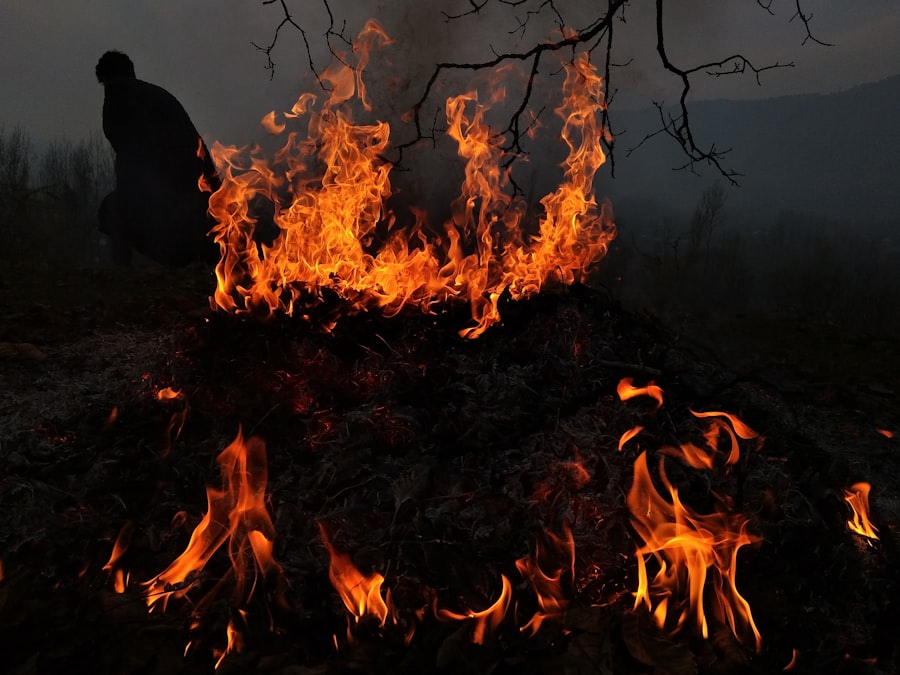
The revival of cultural burning is fundamentally about re-establishing and strengthening the deep, reciprocal relationship between Indigenous peoples and their lands. For many Indigenous communities, their connection to country is not just a geographic or cultural tie, but a spiritual and existential one. The ability to practice cultural burning is a tangible manifestation of this connection, allowing them to actively participate in the care and management of their ancestral territories. This process of re-engagement is crucial for healing historical trauma and fostering a sense of empowerment.
Restoring Sovereignty and Self-Determination
For Indigenous Australians, the right to practice cultural burning is intrinsically linked to their sovereignty and self-determination. It is an assertion of their inherent right to manage their lands according to their own knowledge systems and cultural protocols. The revival of these practices is a powerful step towards reclaiming agency and challenging the legacies of colonization, which often sought to strip Indigenous peoples of their authority over their territories. It allows communities to define their own futures and manage their resources in ways that align with their cultural values.
Cultural Transmission and Intergenerational Learning
Cultural burning is a vital vehicle for intergenerational learning. Elder knowledge keepers can pass down their expertise to younger generations, ensuring the continuity of these traditions. This process not only transmits practical skills in fire management but also instills a deep understanding of country, its cultural significance, and the responsibilities that come with its stewardship. The involvement of youth in cultural burning programs fosters a sense of ownership and pride, ensuring that these ancient traditions are not lost to time. It bridges the gap between traditional knowledge and contemporary challenges.
Healing and Cultural Revitalization
The act of returning to country and practicing traditional land management techniques can be deeply healing for Indigenous communities. It offers an opportunity to reconnect with their heritage, their ancestors, and the land itself, which has often been scarred by dispossession and environmental degradation. The revival of cultural burning is a catalyst for cultural revitalization, breathing new life into ancient traditions and strengthening the social and cultural fabric of communities. It allows for the re-enactment of ceremonies and the sharing of stories, further embedding cultural practices into the landscape.
Challenges and Opportunities in Implementation
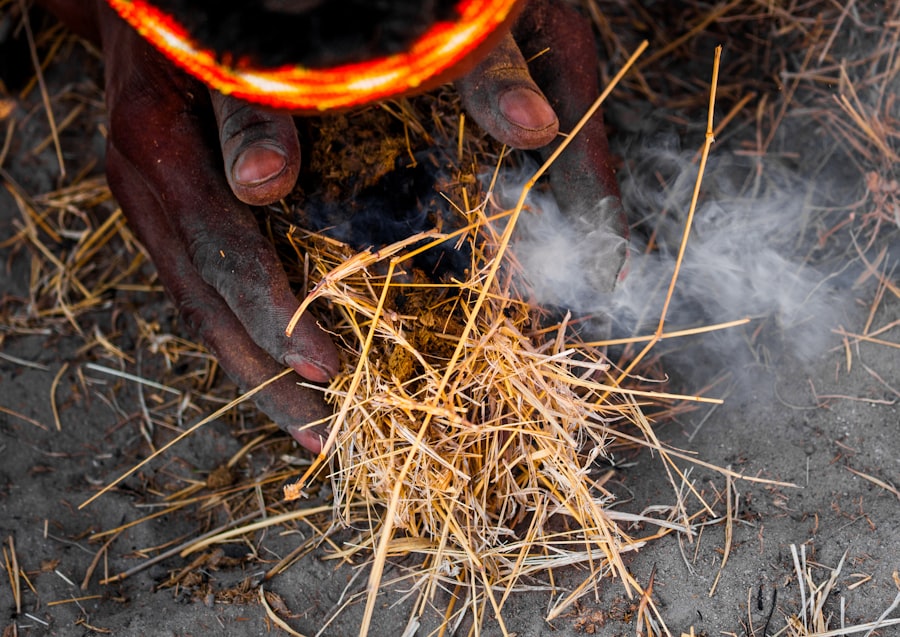
While the movement to revive cultural burning is gaining momentum, significant challenges remain. These include securing adequate funding, navigating complex land tenure arrangements, and ensuring effective collaboration between Indigenous communities and government agencies. However, these challenges are also accompanied by significant opportunities for innovation and partnership, paving the way for a more effective and inclusive approach to fire management.
Funding and Resource Allocation
A critical challenge is securing consistent and adequate funding for cultural burning initiatives. Many Indigenous communities lack the resources to train fire practitioners, purchase necessary equipment, and implement large-scale burning programs. Government agencies and philanthropic organizations are increasingly recognizing the need for sustained investment in these practices, but the allocation of resources often remains a point of contention. Opportunities lie in the development of long-term funding models that recognize the ongoing benefits of cultural burning and its role in broader environmental management.
Land Tenure and Access
Land tenure arrangements can also present a barrier to the implementation of cultural burning. Much of the land that Indigenous communities traditionally managed is now under private ownership or government control. Negotiating access and collaborative management agreements can be a complex and lengthy process. However, there is a growing recognition of the need for more flexible and inclusive land management frameworks that empower Indigenous peoples to exercise their rights and responsibilities over their traditional territories. Opportunities exist in co-management agreements and Indigenous-led land trusts.
Training and Capacity Building
Developing the capacity for effective cultural burning requires comprehensive training and ongoing support for Indigenous fire practitioners. This involves not only teaching the technical skills of fire management but also fostering leadership and governance skills within communities. Opportunities exist in developing culturally appropriate training programs that are delivered by Indigenous knowledge holders and that are tailored to the specific needs of different regions. Partnerships between Indigenous organizations, universities, and land management agencies can facilitate this capacity building.
Collaboration and Partnerships
Effective implementation of cultural burning requires strong collaboration and partnerships between Indigenous communities, government agencies, scientists, and landholders. Building trust and fostering mutual respect are paramount. Opportunities lie in developing co-design processes where Indigenous knowledge holders and Western scientists work together to develop fire management plans that integrate traditional knowledge with contemporary scientific understanding. These partnerships can lead to more effective and culturally appropriate outcomes.
Indigenous cultural burning practices have gained recognition for their role in land management and ecological restoration. These traditional techniques, which have been used for thousands of years, help to reduce the risk of catastrophic wildfires while promoting biodiversity. For a deeper understanding of the legal frameworks that support Indigenous rights and interests, you can explore this insightful article on the topic. It highlights the importance of protecting sovereign interests in the context of land management and cultural practices. To learn more, visit this article.
The Future of Fire in Australia
| Location | Frequency | Area Covered |
|---|---|---|
| Australia | Annually | Various regions |
| North America | Seasonally | Specific territories |
| South America | Periodically | Local communities |
The revival of Indigenous cultural burning represents a paradigm shift in how Australia approaches fire management. It is a recognition that ancient knowledge, when combined with modern science and a commitment to reconciliation, holds the key to a more sustainable and resilient future. As more communities embrace this practice, the Australian landscape will once again echo with the familiar scent of smoke, a testament to the enduring wisdom of its First Peoples and their commitment to caring for country.
Towards a Mosaic Landscape
The ultimate goal of reviving cultural burning is to foster a mosaic landscape, characterized by a diverse array of burnt and unburnt areas. This mosaic not only reduces the risk of catastrophic wildfires but also supports a richer tapestry of biodiversity. It creates varied habitats, providing food and shelter for a wide range of native species. This approach contrasts sharply with the often uniform landscapes resulting from fire suppression, which can lead to ecological stagnation. The vision is one of a dynamic and resilient ecosystem, managed in partnership with its traditional custodians.
Empowering Indigenous Communities for the Long Term
The revival of cultural burning is not a fleeting trend but a long-term commitment to empowering Indigenous communities. It is about ensuring that they have the knowledge, resources, and authority to manage their lands according to their cultural values and ecological understanding. This empowerment will lead to stronger, healthier, and more self-sufficient communities, capable of stewarding their country for generations to come. The ongoing success of this movement hinges on sustained support and a genuine commitment to Indigenous leadership in fire management.
A Model for Global Land Management
The story of Indigenous cultural burning in Australia offers a valuable lesson for land management practices worldwide. As other nations grapple with the challenges of climate change and ecological degradation, the wisdom of Indigenous fire management offers a compelling model for sustainable land stewardship. The emphasis on traditional knowledge, community empowerment, and ecological interconnectedness is a pathway towards a more harmonious relationship between humans and the natural world. It is a reminder that some of the most effective solutions are rooted in ancient wisdom.
The Wilderness Was Engineered
FAQs
What is Indigenous cultural burning?
Indigenous cultural burning is a traditional land management practice that has been used by Indigenous peoples for thousands of years. It involves the controlled use of fire to maintain and restore the health of the land, promote biodiversity, and reduce the risk of wildfires.
How does Indigenous cultural burning differ from Western fire management practices?
Indigenous cultural burning differs from Western fire management practices in that it is based on traditional ecological knowledge and a deep understanding of the land. It focuses on using fire in a targeted and controlled manner to achieve specific ecological and cultural outcomes, rather than simply suppressing all fires.
What are the benefits of Indigenous cultural burning?
The benefits of Indigenous cultural burning include promoting the growth of native plants, reducing the risk of catastrophic wildfires, improving habitat for wildlife, and preserving cultural traditions and knowledge. It also helps to maintain the health and resilience of ecosystems over the long term.
How is Indigenous cultural burning being incorporated into modern land management practices?
There is growing recognition of the value of Indigenous cultural burning among land managers and policymakers. Efforts are being made to incorporate Indigenous knowledge and practices into modern land management strategies, and to support Indigenous communities in revitalizing and reclaiming their traditional burning practices.
What are some examples of successful Indigenous cultural burning initiatives?
There are numerous examples of successful Indigenous cultural burning initiatives around the world, including in Australia, North America, and Africa. These initiatives have demonstrated the effectiveness of traditional burning practices in reducing the severity of wildfires, restoring ecosystems, and preserving cultural heritage.