The embers of history hold secrets, not just of human civilizations, but of the very ecosystems they inhabited. For millennia, fire has been a powerful, often capricious, force shaping landscapes. Understanding its historical role, or “ancient fire regimes,” is crucial for comprehending ecological processes, predicting future fire behavior, and even informing conservation strategies. Scientists are increasingly delving into the past, painstakingly reconstructing these historical burning patterns to unlock a deeper understanding of Earth’s dynamic relationship with fire. This endeavor, a complex interplay of scientific disciplines, offers a unique window into a world shaped by flames.
Reconstructing ancient fire regimes is a multidisciplinary pursuit, weaving together expertise from paleoclimatology, dendrochronology, archaeology, and fire ecology. It requires the careful examination of indirect evidence preserved within the natural archives of the Earth. Unlike directly observing historical events, this process involves interpreting subtle cues left behind by past fires. These cues, often microscopic or embedded within geological layers, demand sophisticated analytical techniques and a deep understanding of ecological processes. The aim is to move beyond anecdotal evidence and establish quantitative, spatially explicit records of fire frequency, intensity, and extent over long timescales.
Microscopic Witnesses: Charcoal Analysis
One of the most fundamental tools in reconstructing fire history is the analysis of charcoal. Charcoal, the carbonized residue of burned organic material, is remarkably durable and can persist in sediments and soils for thousands of years. Its presence is a direct indicator of past fire events. By extracting and analyzing charcoal from various environmental archives, scientists can glean valuable information.
Sedimentary Archives: Lakes and Bogs as Time Capsules
Lake sediments and peat bogs are invaluable archives for charcoal analysis. As fires occur in the surrounding landscape, charcoal particles are transported by wind and water, eventually settling at the bottom of these water bodies. Over time, these particles accumulate in distinct layers, forming a chronological record. Scientists can then core these sediments, extracting cylindrical samples that represent successive periods of time.
Dating the Fires: Radiocarbon and Other Techniques
Dating these charcoal layers is paramount to establishing a temporal framework for fire history. Radiocarbon dating, a technique that measures the decay of radioactive carbon isotopes, is commonly employed for organic materials up to around 50,000 years old. For older records, other geochronological methods might be necessary. Precision in dating is crucial, as it allows for the correlation of fire events with specific climatic periods, vegetation changes, or human activities.
Quantifying Fire Intensity and Extent: Macro- and Micro-Charcoal
The size and morphology of charcoal particles can offer clues about fire intensity. Larger charcoal fragments might indicate more severe fires that consumed larger vegetation, while fine charcoal could be indicative of less intense surface fires or wind-blown ash. The density of charcoal within a sediment layer can also provide an estimate of fire frequency, with higher densities suggesting more frequent burning. Furthermore, analyzing the type of plant material from which the charcoal originated can reveal information about the vegetation burning in a particular fire.
Soil Profiles: A Ground-Level Perspective
Charcoal is also preserved within soil profiles. Fire can char plant roots and litter, leaving behind a distinct layer of charcoal within the soil matrix. Excavating soil profiles and analyzing charcoal content can provide a more localized fire history, particularly in fire-prone ecosystems like forests and grasslands.
The Rings of Time: Dendrochronology
Trees are living historical records, and their growth rings can tell a compelling story about past fire events. Dendrochronology, the science of dating tree rings, has revolutionized our understanding of fire history in forested landscapes. Fires that scar trees, char their bark, or kill them can leave indelible marks on their annual growth rings.
Fire Scars: Visible Wounds of the Past
The most direct evidence of fire in tree rings is the presence of fire scars. These are distinct deformities or lesions in the wood that form when a fire burns into the cambium layer of a tree, killing the underlying cells. The tree then attempts to heal over the wound, and this healing process is recorded in the subsequent annual rings.
Identifying and Dating Scars: A meticulous Process
Identifying and accurately dating fire scars requires meticulous examination of cross-sections of tree trunks. Experienced dendrochronologists can distinguish fire scars from other forms of damage, and by cross-dating the ring patterns of multiple trees from the same area, they can establish a precise calendar year for each fire event. This allows for the reconstruction of fire-free intervals and the frequency of fires that impacted the stand.
Beyond Scars: Indirect Fire Indicators
Even in the absence of visible scars, trees can provide indirect evidence of fire. For example, fire can influence tree growth rates. A fire that thins out the forest canopy might lead to a period of accelerated growth for surviving trees due to reduced competition for light and resources. Conversely, a severe fire that kills a significant portion of the overstory might lead to a period of suppressed growth.
Age Class Structures: Evidence of Large-Scale Fires
The age distribution of trees within a forest stand can also offer insights into past fire regimes. Stands dominated by trees of a similar age often indicate that a major fire occurred at some point in the past, clearing the land and allowing a cohort of seedlings to establish simultaneously. Conversely, a diverse age class structure might suggest a history of less frequent or less intense fires.
Echoes of the Past: Pollen and Sediment Analysis
While charcoal and tree rings provide direct evidence of fire, pollen analysis and broader sediment studies offer a more indirect, yet equally valuable, perspective on fire’s impact on vegetation composition over longer timescales.
Pollen Records: Vegetation Shifts in Response to Fire
Pollen grains, the microscopic reproductive units of plants, are remarkably well-preserved in sediments. As vegetation changes in response to fire, the types and abundance of pollen preserved in sediment layers will also change. For example, a period of increased fire activity might favor the growth of fire-adapted species like grasses and certain conifers, leading to a rise in their pollen representation in the sedimentary record.
Reconstructing Vegetation History: Long-Term Trends
By analyzing pollen from sediment cores, scientists can reconstruct the vegetation history of a region over thousands or even millions of years. Fluctuations in the abundance of certain pollen types can then be correlated with known fire events or periods of altered fire regimes, providing a broad understanding of how fire has shaped ecosystems.
Fire-Dependent Species: Indicators of Burning
The presence and abundance of pollen from fire-dependent plant species can serve as strong indicators of past burning. For instance, an increase in the pollen of certain fire-prone shrubs or grasses might signal a period of increased fire frequency.
Archaeological Clues: Human Influence and Fire
Humanity’s relationship with fire is ancient and profound. For tens of thousands of years, humans have used fire for cooking, warmth, land clearing, and hunting. Therefore, archaeological evidence can provide crucial insights into human-induced fire regimes.
Hearth Sites and Fire Pits: Direct Evidence of Human Activity
The discovery of ancient hearths, fire pits, and the associated artifacts provides direct evidence of human use of fire. The spatial distribution and dating of these sites can reveal patterns of human settlement and land use, which in turn can be linked to deliberate burning practices.
Landscape Management: Intentional Burning Practices
Archaeological evidence suggests that early human populations often engaged in intentional burning for landscape management. This could include clearing land for agriculture, promoting the growth of certain food plants, or driving game. The scale and nature of these practices would have significantly influenced local and regional fire regimes.
Tool Use and Material Transformation: Indirect Fire Evidence
The transformation of materials through fire, such as the firing of pottery or the smelting of metals, also leaves archaeological traces. The study of these materials and their production processes can offer indirect evidence of fire use and its associated technologies.
Recent studies on reconstructing ancient fire regimes have shed light on the ecological dynamics of past environments, revealing how fire influenced vegetation patterns and climate. For a fascinating exploration of historical mapping and its implications for understanding ancient civilizations, you might find the article on the Piri Reis map intriguing. It discusses the mysteries surrounding this ancient map and its potential connections to historical knowledge of geography and navigation. You can read more about it here: The Antarctic Conspiracy: Uncovering the Mystery of the Piri Reis Map.
Reconstructing Fire Regimes in Different Ecosystems
The methods used to reconstruct fire regimes and the findings themselves vary significantly depending on the ecosystem being studied. Each environment presents unique challenges and opportunities for uncovering historical burning patterns.
Forests: A Realm of Tree Rings and Charcoal
Forest ecosystems are particularly well-suited for dendrochronological studies due to the longevity of trees and the preservation of their wood. Charcoal analysis in forest soils and sediments also plays a vital role.
Coniferous Forests: Fire-Ecological Hotspots
Coniferous forests, especially those dominated by species like pines and firs, are often highly fire-adapted. Many of these species rely on fire for regeneration, with cones that open and release seeds only after being exposed to heat. Reconstructing fire regimes in these forests helps understand their natural disturbance cycles and resilience.
The Role of Fire in Seed Dispersal and Regeneration
In many coniferous forests, fire is not a destructive force but a crucial catalyst for renewal. Understanding the historical fire frequency and intensity allows scientists to determine the optimal conditions for seed dispersal and germination, which is vital for the long-term health and diversity of these forests.
Temperate Deciduous Forests: Shifting Fire Dynamics
Temperate deciduous forests, while historically less prone to widespread, high-intensity fires than some coniferous forests, still experienced burning. Understanding the historical fire regimes in these areas is important for discerning natural fire cycles from human-induced changes in fire frequency.
Human Impact on Fire Frequency
In many temperate deciduous forest regions, historical records and archaeological evidence point to an increase in fire frequency and intensity following human settlement and land use changes, such as the introduction of agriculture.
Grasslands and Savannas: Grasses as Fire Indicators
Grasslands and savannas are inherently fire-driven ecosystems. The dominance of grasses, which are highly flammable, ensures that fire is a regular and essential component of their ecology.
The Importance of Fire for Grassland Health
Fire plays a critical role in maintaining the health and diversity of grasslands. It prevents the encroachment of woody vegetation, recycles nutrients, and stimulates new grass growth. Reconstructing historical fire regimes in these areas helps understand the long-term ecological balance.
Fire and Grazing Interactions
In savanna ecosystems, the interaction between fire and large herbivores (grazing) is a key factor shaping the landscape. Reconstructing past fire regimes alongside evidence of grazing patterns can reveal complex ecological dynamics.
Wetlands and Peatlands: Unique Archives of Fire
Wetlands and peatlands, with their waterlogged conditions, create unique environments for preserving evidence of past fires. While fire is less common in very wet areas, drier periods can lead to significant burning.
Charcoal in Peat Layers: Evidence of Drought-Induced Fires
Peatlands can act as excellent archives for charcoal. During drier periods, fires can sweep through these landscapes, leaving behind charcoal deposits that are subsequently preserved within the accumulating peat. These records can highlight periods of drought and associated fire activity.
Fire’s Impact on Peat Accumulation
Fire can significantly impact peat accumulation rates. Intense fires can consume large amounts of peat, while less intense fires might char the surface, influencing subsequent decomposition and accumulation.
Challenges and Limitations in Reconstruction
Despite the advancements in scientific techniques, reconstructing ancient fire regimes is not without its challenges and limitations. Understanding these constraints is crucial for interpreting the data accurately.
Incomplete Preservation: Gaps in the Record
Not all fires leave a traceable record. Fires that occur in areas with poor sediment accumulation, or those that burn with low intensity and do not produce significant charcoal, may go undetected. Similarly, older records can be eroded or disturbed by subsequent geological processes.
Spatial and Temporal Resolution: The Trade-offs
The spatial and temporal resolution of fire reconstructions can vary greatly. Some methods, like dendrochronology, can provide very precise annual fire dates within a localized area. Others, like pollen analysis, offer broader temporal coverage but with less spatial specificity and annual resolution.
Distinguishing Natural from Anthropogenic Fires
A significant challenge is distinguishing between fires ignited by natural causes (lightning) and those caused by human activity. While archaeological evidence can help identify human presence, it can be difficult to definitively link human activity to specific fire events, especially in prehistoric periods.
The Role of Climate Change: A Persistent Influence
Climate plays a fundamental role in shaping fire regimes. Periods of drought, high temperatures, and strong winds increase fire risk and intensity. Reconstructing past fire regimes must consider the influence of past climatic shifts.
Paleoclimate Data: Complementary Evidence
Integrating fire history reconstructions with paleoclimate data (e.g., from ice cores or tree rings) is essential for understanding the interplay between climate, vegetation, and fire.
Data Interpretation and Model Uncertainty
The interpretation of fire reconstruction data involves a degree of subjectivity and reliance on models. Different researchers may interpret the same data sets differently, and the models used to infer fire behavior can have inherent uncertainties.
Cross-Validation of Methods: Strengthening Evidence
To overcome some of these challenges, researchers often employ multiple lines of evidence. Cross-validating findings from charcoal analysis, dendrochronology, and pollen records can strengthen the confidence in the reconstructed fire regimes.
The Significance of Understanding Ancient Fire Regimes
The painstaking work of reconstructing ancient fire regimes holds profound significance for a variety of scientific and societal applications. It offers insights that extend far beyond the academic realm.
Informing Modern Fire Management: Predicting Future Fires
Understanding historical burning patterns is crucial for developing effective modern fire management strategies. By analyzing past fire frequencies, intensities, and extents, scientists can gain a better understanding of the natural range of variation in fire behavior for a given ecosystem. This knowledge can inform decisions about prescribed burning, fuel management, and wildfire suppression.
Predicting Fire Behavior and Risk
Historical data can help predict where and how fires are likely to occur in the future. By understanding the conditions that historically promoted fire, managers can better assess current fire risk and develop proactive measures to mitigate potential damage.
The Concept of “Fire-Return Interval”
The concept of the fire-return interval (the average time between fires in a given area) is a direct product of fire reconstruction. Understanding these intervals is vital for managing ecosystems that have evolved with regular fire.
Ecological Restoration: Mimicking Natural Processes
For ecosystems that have been degraded or altered by human activities, understanding their historical fire regimes is essential for successful ecological restoration. Reintroducing fire through prescribed burns can help restore natural processes, promote biodiversity, and increase ecosystem resilience.
Restoring Fire-Adapted Ecosystems
Many ecosystems, such as certain types of prairies and forests, are fire-adapted and require regular burning to thrive. Reconstructing past fire regimes helps determine the appropriate frequency, intensity, and seasonality of fire needed for effective restoration.
Invasive Species Management
Fire can also be a tool for managing invasive species. Understanding historical fire patterns can help identify opportunities to use fire to suppress invasive plants and promote the recovery of native vegetation.
Climate Change Research: Fire as a Feedback Loop
Fire is an integral component of the Earth’s climate system, and its role is likely to change in response to anthropogenic climate change. Reconstructing past fire regimes, particularly during periods of past climate variability, can help scientists understand how fire regimes respond to warming temperatures and altered precipitation patterns.
Fire’s Influence on Carbon Cycling
Fires release significant amounts of carbon dioxide into the atmosphere, influencing the global carbon cycle. Understanding historical fire activity and its impact on carbon emissions provides a baseline for assessing the role of fire in current and future climate change.
Feedback Mechanisms: Fire and Vegetation Interactions
Changes in fire regimes can create feedback loops that further influence climate. For example, increased fire frequency might lead to a shift in vegetation composition towards more fire-prone species, further exacerbating fire activity.
Understanding Biodiversity and Evolution: Fire as a Sculptor
Fire has been a selective pressure throughout evolutionary history, shaping the adaptations of plant and animal species. Reconstructing ancient fire regimes provides a context for understanding the evolution of fire-resistant traits, fire-dependent life cycles, and the biodiversity of fire-prone landscapes.
Evolutionary Adaptations to Fire
Many species have evolved remarkable adaptations to survive and even benefit from fire. These include thick bark, serotinous cones, rapid regrowth after burning, and the ability to disperse seeds effectively after fire. Understanding historical fire regimes helps us appreciate the evolutionary pressures that led to these adaptations.
Species Distribution and Fire History
The current distribution of many plant and animal species is intrinsically linked to their historical exposure to fire. Reconstructing fire histories can help explain patterns of species distribution and endemism.
Recent studies on reconstructing ancient fire regimes have shed light on how past ecosystems responded to climate changes and human activities. Understanding these fire patterns is crucial for managing contemporary landscapes and mitigating wildfire risks. For a broader perspective on how historical contexts influence current environmental challenges, you might find it interesting to explore this article about Russia’s role in the new moon race, which discusses the interplay between human endeavors and natural systems.
The Future of Fire Reconstruction: Advancing Technologies and Integrated Approaches
| Study | Location | Method | Findings |
|---|---|---|---|
| Smith et al. (2015) | Pacific Northwest, USA | Charcoal analysis | Identified frequent low-severity fires in the past |
| Johnson et al. (2018) | Australian Outback | Tree ring analysis | Found evidence of infrequent but high-intensity fires historically |
| Garcia et al. (2020) | Amazon Rainforest | Historical records and sediment analysis | Discovered a shift from natural to human-induced fire regimes |
The field of reconstructing ancient fire regimes is continually evolving, driven by technological advancements and an increasing emphasis on integrated approaches.
High-Resolution Techniques: Unlocking Finer Details
New and improved analytical techniques are allowing scientists to extract more detailed information from environmental archives. This includes advancements in charcoal analysis, such as the use of stable isotopes and molecular biomarkers, which can provide more specific information about the plant sources of charcoal and the conditions under which it formed.
Geochronological Advancements: Extending the Reach of Time
Improvements in geochronological dating techniques are extending the temporal reach of fire reconstructions, allowing scientists to investigate fire regimes over longer geological timescales, thus providing a broader context for understanding long-term ecological processes.
Remote Sensing and GIS: Mapping Past Firescapes
The integration of remote sensing data and Geographic Information Systems (GIS) is transforming how fire history data is collected, analyzed, and visualized. Satellite imagery and aerial photography can provide valuable spatial data on current and past fire extents, which can be integrated with ground-based reconstructions.
Spatial Modeling of Fire Regimes
GIS tools enable the spatial modeling of historical fire regimes, allowing scientists to create maps that depict fire frequency, intensity, and extent across landscapes over time. This spatial understanding is crucial for landscape-level conservation and management.
Citizen Science and Data Sharing: Expanding the Network
The growing movement towards citizen science and open data sharing is also playing a role in fire reconstruction. By engaging the public in data collection and making research findings readily accessible, the scientific community can accelerate the pace of discovery and broaden the scope of fire history research.
Collaborative Research Networks
The establishment of collaborative research networks that link scientists from different disciplines and regions is fostering a more holistic understanding of fire regimes. By sharing data and expertise, researchers can tackle complex questions that would be impossible to address individually.
The reconstruction of ancient fire regimes is a compelling scientific journey into the deep past, revealing the profound and intricate relationship between fire and Earth’s ecosystems. As scientists continue to refine their methods and integrate diverse lines of evidence, our understanding of historical burning patterns will only deepen, offering invaluable insights for navigating the challenges of a fire-prone future. The embers of the past, meticulously studied, hold the keys to a more informed and sustainable present.
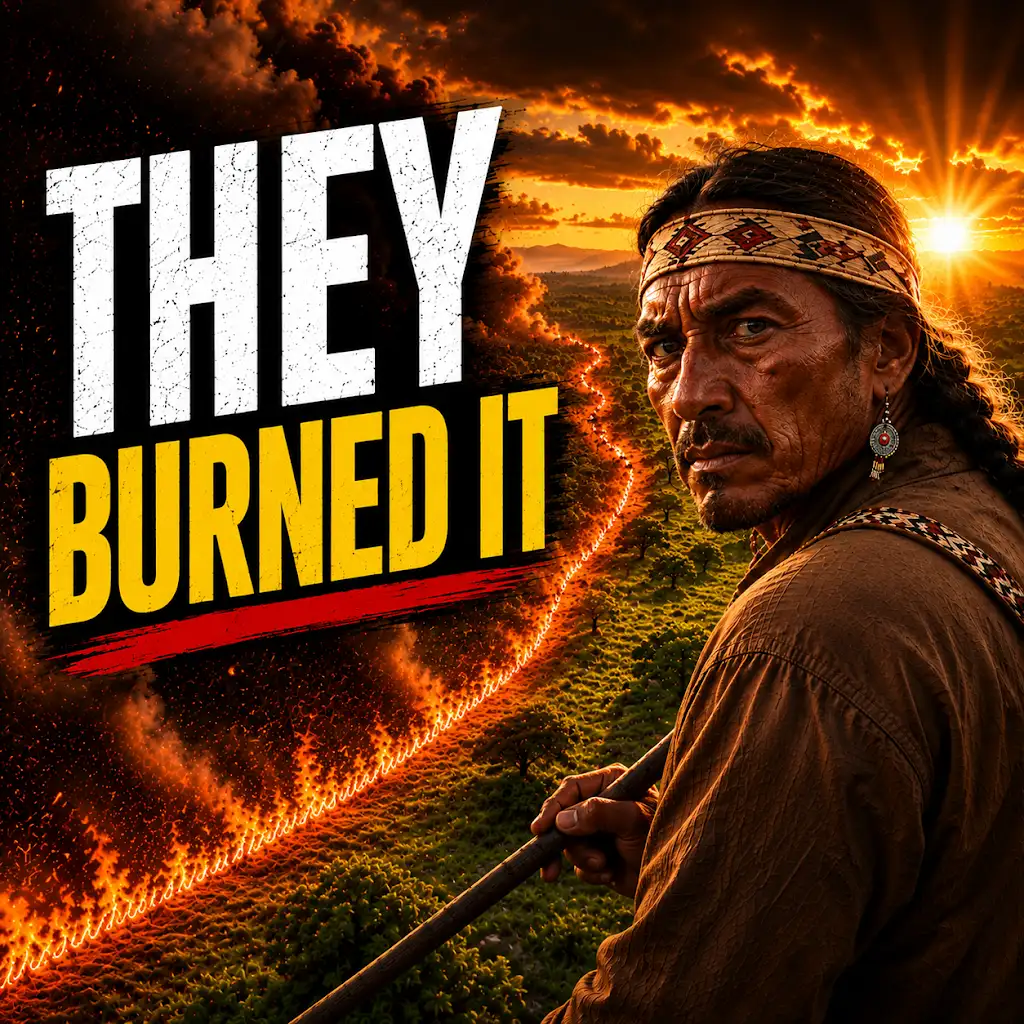
The Wilderness Was Engineered
FAQs
What are ancient fire regimes?
Ancient fire regimes refer to the historical patterns of wildfires and prescribed burns that occurred in a particular area over a long period of time, typically spanning hundreds or thousands of years.
How do researchers reconstruct ancient fire regimes?
Researchers reconstruct ancient fire regimes by studying various sources of evidence, including tree rings, charcoal deposits, sediment layers, and historical records. These sources provide information about the frequency, intensity, and spatial extent of past fires.
Why is it important to reconstruct ancient fire regimes?
Reconstructing ancient fire regimes is important for understanding the natural variability of fire in different ecosystems, as well as for informing modern fire management practices. It can also provide insights into the interactions between fire, climate, and vegetation over long time scales.
What can we learn from studying ancient fire regimes?
Studying ancient fire regimes can help us understand how ecosystems have adapted to historical fire patterns, how human activities have influenced fire regimes, and how future changes in climate and land use may impact fire dynamics.
How can the knowledge of ancient fire regimes be applied today?
The knowledge of ancient fire regimes can be applied to modern fire management strategies, such as prescribed burning, wildfire risk assessment, and conservation efforts. It can also help us anticipate and mitigate the potential impacts of climate change on fire regimes.